What You'll Find Here
- Why Your Raised Bed Soil Can't Be an Afterthought
- The Universal Starting Point: The Classic 1:1:1 Recipe
- Dissecting the Ingredients: What You're Really Adding
- Beyond the Basic Recipe: Custom Mixes for Your Plants
- How to Actually Mix and Fill Your Raised Bed (The Practical Guide)
- Common Questions About Raised Bed Soil (Stuff I Wondered Too)
- Parting Thoughts: It's Worth the Effort
Let's be honest. When I built my first raised bed years ago, I just dumped whatever cheap topsoil I could find into it. I figured dirt was dirt, right? Wrong. That first summer was a lesson in frustration – stunted plants, weird drainage issues, and a harvest that was, frankly, pathetic.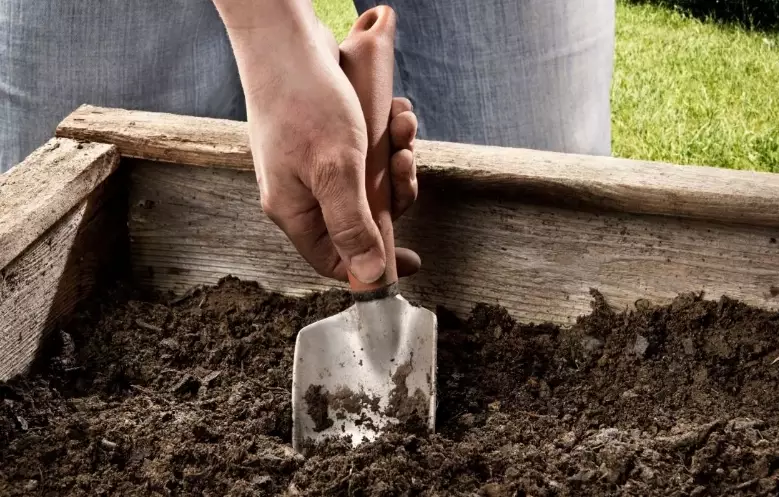
It turns out the soil is the whole game. The perfect raised bed soil mix recipe isn't just dirt; it's a living, breathing foundation you're building from scratch. Get it right, and your plants will explode with growth. Get it wrong, and you're just watering a box of disappointment.
So after a lot of trial, error, and talking to much smarter gardeners, I figured out the formulas that work. This isn't about one rigid recipe. It's about understanding the *why* behind each ingredient so you can mix the perfect soil for *your* garden.
Why Your Raised Bed Soil Can't Be an Afterthought
Think of your raised bed as a giant container. Unlike in-ground gardening, plant roots can't go searching deeper for nutrients or better structure. They're stuck with what you give them. That's the freedom and the responsibility of a raised bed.
A great mix does three critical things:
- Drains Well: Soggy soil rots roots. Period. Good drainage is non-negotiable.
- Retains Moisture & Nutrients: But it can't drain *too* fast, or you'll be watering three times a day and your fertilizer will wash straight through.
- Provides Structure & Air: Roots need oxygen. A fluffy, loose mix lets them breathe and expand easily.
Most bagged “garden soil” fails at one or more of these. It's often too dense, too fine, or just plain inconsistent. Building your own is the only way to guarantee quality.
The Universal Starting Point: The Classic 1:1:1 Recipe
This is the workhorse, the trusted formula you'll see recommended everywhere from university extension offices to old-timers at the garden center. For a general-purpose vegetable or flower bed, you can't go wrong starting here.
The Formula: Equal parts (by volume) of...
- Compost: The nutrient powerhouse and microbial life. It feeds your plants and improves soil structure.
- Peat Moss or Coconut Coir: The moisture manager. Holds water and nutrients so they don't drain away too fast.
- Vermiculite or Perlite (or a mix): The aeration specialist. Creates air pockets for roots and improves drainage.
You mix these three together thoroughly. That's it. This recipe, popularized by sources like the UMass Extension's vegetable gardening guides, provides an excellent balance. But let's break down each piece, because the devil (and the success) is in the details.
Dissecting the Ingredients: What You're Really Adding
Compost: The Living Heart of Your Mix
Not all compost is created equal. Homemade is gold if you've got it – it's diverse and teaming with life. But store-bought works fine too. The key is it should be finished (cool, crumbly, earthy-smelling, not hot or sour) and screened to remove big chunks.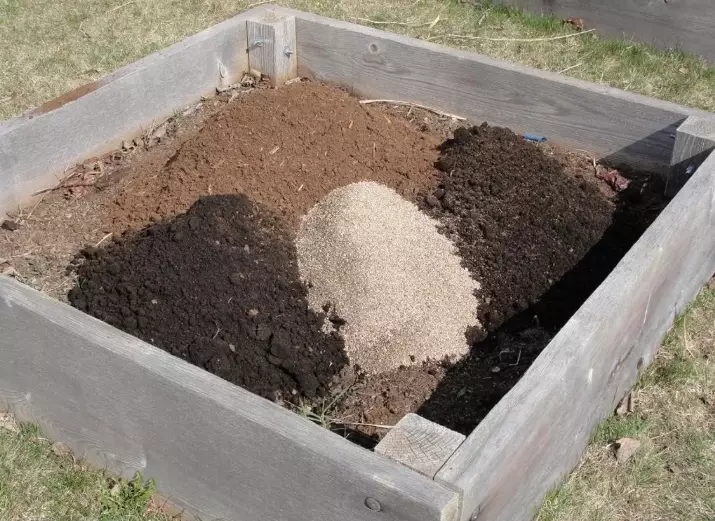
You can use one type or, better yet, blend a few for a broader spectrum of nutrients and microbes. Here's a quick comparison of common sources:
| Compost Source | Best For | Watch Out For |
|---|---|---|
| Homemade (Yard/Food Waste) | Diversity, microbial life, free! | Weed seeds if not hot-composted properly. |
| Mushroom Compost | Great moisture retention, adds calcium. | Can be alkaline; test pH if using a lot. |
| Leaf Mold (decomposed leaves) | Fantastic for soil structure, holds moisture like a sponge. | Lower in immediate nutrients; more of a conditioner. |
| Bagged Manure Compost (e.g., cow, chicken) | High in nutrients, especially nitrogen. | Must be well-composted to avoid burning plants. |
I made the mistake once of using a load of cheap, sandy “compost” that was mostly half-rotted wood chips. My plants just sat there, yellow and confused. Lesson learned: know your source.
Peat Moss vs. Coconut Coir: The Moisture Debate
This is a personal and environmental choice.
Peat Moss is the traditional choice. It's acidic, holds a ton of water (up to 20x its weight!), and is sterile. It's great for lowering pH if your soil is alkaline. The downside? It's a non-renewable resource harvested from peat bogs, which are important carbon sinks. Its harvesting is a legitimate environmental concern, as noted by organizations researching sustainable practices.
Coconut Coir is the sustainable alternative, made from coconut husks. It holds water well (though slightly less than peat), is pH-neutral, and rewets much more easily if it dries out completely (peat becomes hydrophobic). It often comes in compressed bricks you soak to expand.
My take? I've switched mostly to coir. It works just as well for my raised bed soil mix, and I feel better about using it. But if you're working with very alkaline water and soil, peat's acidity can be a useful tool.
Vermiculite vs. Perlite: The Fluff Factor
Both are minerals expanded with heat. They look similar but act differently.
Perlite is those little white, popcorn-like bits. It's all about aeration and drainage. It doesn't hold water or nutrients; it just creates space. It's also very lightweight and can float to the top over time with heavy watering. Use the coarse horticultural grade, not the fine stuff.
Vermiculite looks like shiny, brownish-gold flakes. It's a sponge. It holds both water *and* nutrients (like potassium and magnesium) within its structure and releases them slowly to plants. It's heavier than perlite.
For most raised bed garden soil recipes, I use a 50/50 mix of both. The perlite guarantees drainage, the vermiculite adds some water/nutrient buffering. If your climate is super wet, lean heavier on perlite. If it's hot and dry, more vermiculite can help.
Beyond the Basic Recipe: Custom Mixes for Your Plants
The 1:1:1 recipe is a fantastic all-rounder. But some plants are divas with specific tastes. Here's how to tweak your raised bed soil mix recipe for common scenarios.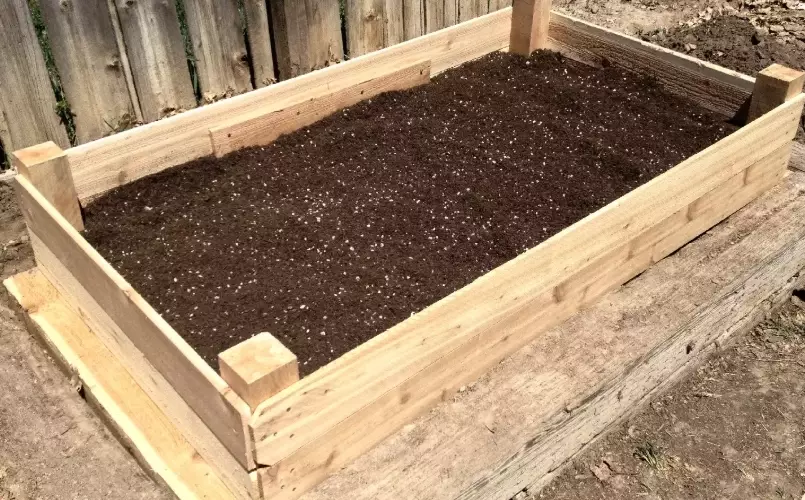
For Heavy-Feeding Vegetables (Tomatoes, Peppers, Squash, Kale)
These guys are hungry. They want rich soil. Start with the basic recipe, but increase the compost portion. Try a ratio of 2 parts compost : 1 part coir : 1 part aeration (perlite/vermiculite). You can also mix in a handful of organic, slow-release fertilizer per cubic foot when planting. Burying kitchen scrap “digesters” or using worm castings as a compost component works wonders here too.
For Root Vegetables (Carrots, Radishes, Potatoes)
They need loose, fluffy, and stone-free soil to expand easily. Drainage is king. Use a mix with extra aeration. Try: 1 part compost : 1 part coir : 1.5 parts coarse perlite or sharp (builder's) sand. The sand adds weight and improves drainage, but make sure it's coarse, not fine play sand which can compact. I sift my mix for carrots to get all the lumps out – it makes a huge difference in getting straight, unforked roots.
For Mediterranean Herbs & Succulents (Rosemary, Lavender, Thyme)
These plants hate wet feet. They need fast-draining, lean soil. Cut back on the compost and moisture-holding ingredients. A good mix is: 1 part compost : 1 part coir or peat : 2 parts perlite or coarse sand. You can even add a handful of small gravel or chicken grit for extra drainage. Forget the rich mix – it'll make them leggy and prone to rot.
For Acid-Loving Plants (Blueberries, Azaleas if in beds)
This is where peat moss shines. You need to actively lower the pH. A classic recipe for a raised bed for blueberries is: 1 part peat moss : 1 part pine bark fines (small, composted bark nuggets) : 1 part perlite. The pine bark fines also acidify as they break down. Skip the garden lime and regular compost here, as they raise pH.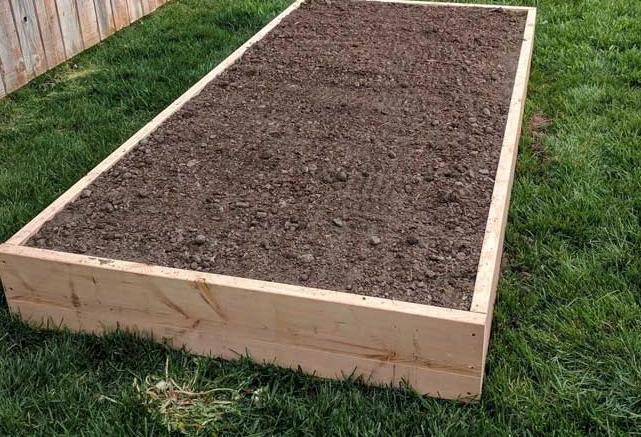
How to Actually Mix and Fill Your Raised Bed (The Practical Guide)
Okay, you've got your ingredients. Now what? Don't just start shoveling.
Step 1: Calculate How Much You Need. It's simple math: Length (ft) x Width (ft) x Depth (ft) = Cubic Feet. A 4'x8' bed that's 1 foot deep needs 32 cubic feet of mix. Ingredients are sold by cubic foot bags or by the yard (1 cubic yard = 27 cubic feet). Buy a little extra.
Step 2: The Mixing Station. Don't mix inside the bed if it's deeper than your waist – it's back-breaking. Use a large tarp on a driveway, a concrete mixing tub, or even a kiddie pool. Dump your measured ingredients onto the tarp.
Step 3: The Blend. Grab corners of the tarp and roll the pile back and forth. Use a shovel to turn it from the bottom. Add water as you mix! You want the consistency of a wrung-out sponge – moist but not soggy, and definitely not dusty. This is crucial. Dry peat or coir will suck moisture away from your plants' roots initially.
Step 4: Filling. Shovel the pre-moistened mix into your bed. Don't pack it down. Gently level it, leaving an inch or two from the top for mulch.
It's a workout. I won't lie.
Step 5: The Final Touch – Mulch. Once planted, cover the soil surface with 2-3 inches of straw, shredded leaves, or wood chips. This is non-optional. It conserves water, suppresses weeds, and keeps the soil temperature stable. It turns your good raised bed soil recipe into a great one.
Common Questions About Raised Bed Soil (Stuff I Wondered Too)
You *can*, but I don't recommend it as the main ingredient. Bagged topsoil is unpredictable – it can be clay-heavy (drains terribly), full of weed seeds, or just inert subsoil with no life. If you have access to good, screened topsoil, you can use it to *bulk out* a mix to save money. A common budget-friendly recipe is the “Mel's Mix” variation: 1/3 compost, 1/3 peat moss/coir, 1/3 *blended topsoil* (replacing the vermiculite). It's heavier but can work if the topsoil is decent.
No! That's a huge perk of raised beds. Each fall or spring, just top-dress with an inch or two of fresh compost and maybe a bit more coir or aeration if the mix seems compacted. The soil life and structure improve over time. You're replenishing, not replacing.
Totally normal, especially in the first year. Just add more of your mixed soil or a compost/coir blend on top to bring it back up to level. It's not a failure; it's part of the process.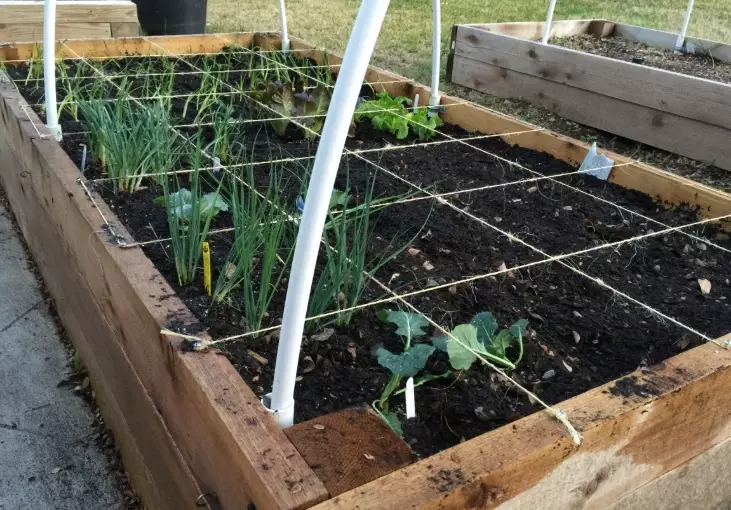
A good compost-based mix has plenty of nutrients to get started. For heavy feeders, I add an organic, balanced granular fertilizer (like a 4-4-4 or 5-5-5) at planting time according to the package directions. Then I rely on compost top-dressing and occasional liquid feeds (like fish emulsion or compost tea) during the peak growing season. The EPA's guide on home composting reinforces that compost is a fantastic slow-release nutrient source, reducing the need for synthetic fertilizers.
The squeeze test. Grab a handful of moist (not wet) mix and squeeze it tightly. It should hold its shape briefly, then crumble apart when you poke it. If water runs out or it stays in a muddy ball, it needs more aeration (perlite/sand). If it won't hold shape at all and falls apart immediately, it needs more moisture-retaining material (coir/compost).
Parting Thoughts: It's Worth the Effort
I know this seems like a lot of detail for “just dirt.” And you can absolutely go simpler – buy a few bags of a reputable raised bed mix and call it a day. But if you want to truly unlock the potential of your raised bed garden, understanding and building your own soil is the single most impactful thing you can do.
A perfect raised bed soil mix recipe is a living thing. It feeds your plants, supports them, and makes gardening easier by managing water for you. It's the difference between struggling and thriving.
Start with the basic 1:1:1 formula. See how it performs. Then, don't be afraid to tweak it next season based on what you grew and what you saw. Gardening is an experiment, and the soil is your lab. Mix it, grow in it, learn from it. Your plants will thank you with buckets of harvest.
Now, go get your hands dirty.
Reader Comments