Quick Navigation
You see them stacked in fields, used as autumn decorations, or maybe you've heard about this "straw bale gardening" thing. But what exactly is a hay bale? If you're like I was a few years ago, you might think it's just a big, scratchy block of dried grass that smells like a barn. I bought my first one on a whim for a fall photo backdrop, and let me tell you, I had no idea what I was getting into. It started to sprout mushrooms. It was heavier than my sofa. I suddenly had a million questions.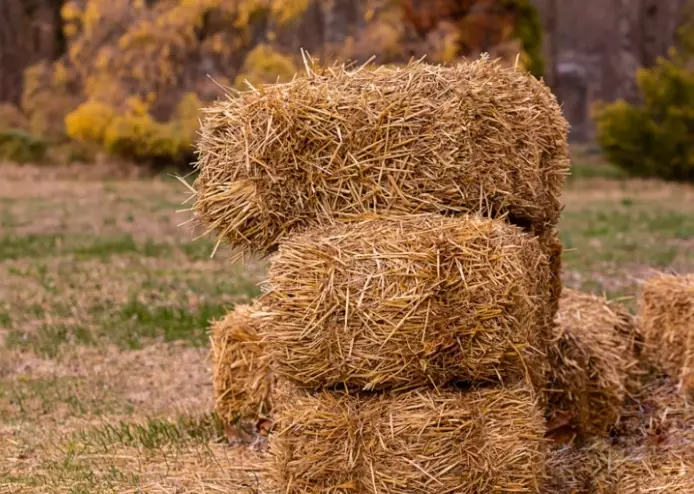
It turns out, that humble hay bale is a powerhouse of utility. It's not just for cows and Halloween. Whether you're a gardener with lousy soil, a homesteader looking for affordable animal feed, a DIY enthusiast wanting rustic decor, or just someone curious about this agricultural staple, understanding hay bales opens up a world of possibilities. And yes, there's a right and wrong way to handle them. I learned some lessons the hard way so you don't have to.
Let's get one common mix-up out of the way first: People often say "hay bale" when they mean "straw bale." They're different! Hay is cut grass or legumes (like alfalfa) that's dried for animal feed. It's greenish, contains seed heads, and is nutritious. Straw is the hollow, golden stalks left over after harvesting grains like wheat or oats. It's used for bedding, mulch, and crafts. Most "hay bale gardening" actually uses straw bales because they decompose in a more predictable way. But the term "hay bale" has stuck in common parlance for both. In this guide, when I say "hay bale," I'm usually talking about the general, twine-wrapped block. I'll specify when it matters.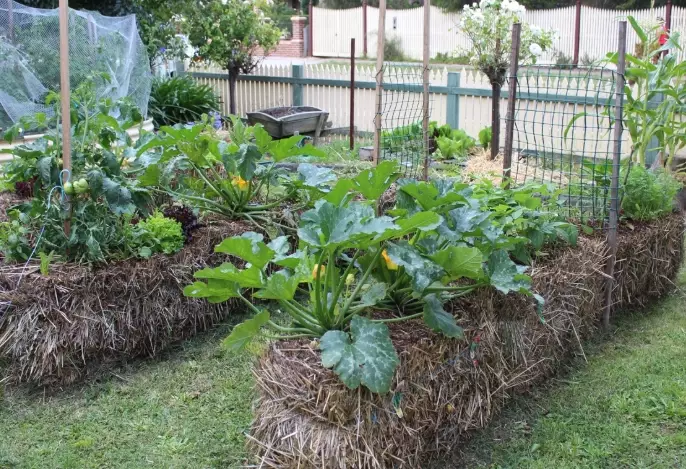
What Exactly Are You Buying? Types and Sizes
So you drive up to a farm stand or a garden center and see a pile of bales. Not all are created equal. The first thing that struck me was the sheer variety. The size, the shape, the tightness—it all means something.
The two main shapes you'll encounter are the small, rectangular ones and the gigantic round ones. Those rectangular bales are the classic image. They're usually called "small square bales" and are perfect for us regular folks without heavy machinery. A standard small square bale is about 14" high, 18" wide, and 36" to 40" long. They typically weigh between 40 and 75 pounds, which is manageable for one strong person or two people working together. I can wrestle a 50-pounder into my trunk, but anything heavier and I'm asking for help.
Then you have the round bales. These are monsters. They can weigh anywhere from 500 to 1,500 pounds and are strictly for farmers with tractors or front-end loaders. They're made for feeding large herds of cattle over winter. You won't be using one of these for your backyard garden unless you have some very ambitious plans.
There's also a "large square bale," which is like a giant version of the small one, weighing up to a ton. Again, farm equipment territory.
What's inside the bale matters just as much. Here’s the breakdown:
- Grass Hay: Timothy, orchard grass, brome. Good, all-purpose feed for many animals like horses, rabbits, and goats. It's what I usually get for my gardening projects because it's common and affordable.
- Legume Hay: Alfalfa or clover. This is the protein powerhouse. It's richer, often more expensive, and used for young, growing, lactating, or working animals. It decomposes very quickly and is incredibly rich for gardens, sometimes too rich if not managed.
- Mixed Hay: A blend of grasses and legumes. A nice middle ground.
- Straw: Remember, it's the hollow stalks. Less nutritious for animals (it's like eating empty pasta shells) but fantastic for bedding, mulch, and that famous straw bale gardening method.
The Practical Magic: Top Uses for Hay Bales
This is where it gets fun. That simple bale is one of the most versatile things you can buy for a homestead, garden, or even a party. Let's move beyond the basic scarecrow prop.
1. Straw Bale Gardening (The No-Dig Revolution)
This method absolutely changed how I garden. My backyard soil is terrible—clay and rocks. Tilling was a back-breaking nightmare. Then I tried straw bale gardening. The concept is simple: you use the bale itself as both a container and a growing medium as it decomposes.
Here’s the real process, not just the pretty Instagram version:
- Conditioning the Bale: This is the crucial, unglamorous step everyone forgets to mention. You can't just plop plants in. For about 10-12 days, you "cook" the bale by watering it and adding a nitrogen source (like organic fertilizer or blood meal). This kicks off the decomposition inside, creating a warm, nutrient-rich, spongy mass for roots. It gets stinky and hot—like a compost pile. If you skip this, your plants will starve.
- Planting: Once it cools down, you add a bit of potting mix on top and plant your seeds or seedlings directly into the bale. I've had insane success with tomatoes, cucumbers, squash, and peppers. Root crops like carrots can be tricky unless the bale is really broken down.
The pros are huge: no weeds (from soil), excellent drainage, warmer soil for longer seasons, and it's raised, so no bending. At the end of the season, the spent hay bale becomes incredible compost for next year's garden. It's a closed-loop system that feels really smart.
My Personal Take: The first year I tried this, I used actual hay bales (not straw). Big mistake. The grass seeds in the hay sprouted everywhere, creating a weedy mess. Lesson learned: for gardening, spend the extra few dollars on seed-free straw bales. It's worth the headache prevention.
2. Livestock Feed and Bedding (The Classic Use)
This is the primary reason hay bales exist. For anyone with animals—horses, goats, sheep, rabbits, alpacas—quality hay is the cornerstone of their diet, especially when fresh pasture isn't available.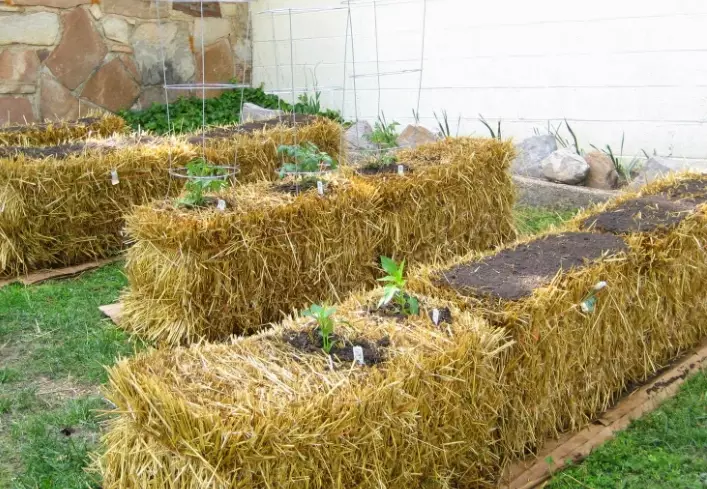
But not all hay is equal for all animals. A high-protein alfalfa hay bale might be perfect for a dairy goat in milk but could cause obesity in a sedentary horse. You need to match the feed to the animal's needs. The USDA's Animal and Plant Health Inspection Service provides guidelines on livestock nutrition, and your local county extension office (like those run by University of Minnesota Extension) is an invaluable, science-based resource for specific feeding recommendations in your area.
As bedding, straw is usually preferred over hay because it's more absorbent and less likely to be eaten. A dry, fluffy straw bale broken apart in a stall provides comfort and warmth, absorbing moisture and waste.
3. Insulation and Temporary Structures
Hay bales have incredible R-value (a measure of insulation). That's why you see them stacked against foundations of old houses. This isn't just old-timey wisdom. Using hay bales for temporary winter insulation for pipes, chicken coops, or rabbit hutches works shockingly well. I stack them around the north side of my coop to block cold winds.
They're also brilliant for building quick, temporary walls for garden sheds, festival booths, or even sound barriers. They're natural, cheap, and when you're done, you can use them for mulch or compost. No waste.
4. Erosion Control and Landscaping
Live on a slope? A row of hay bales placed along the contour (called a "silt fence" of sorts) can dramatically slow down water runoff, trap sediment, and prevent soil erosion during heavy rains. They're a common sight on construction sites for this very reason. As they sit, grass seeds from the hay (or seeds you sprinkle) can take root, creating permanent stabilization.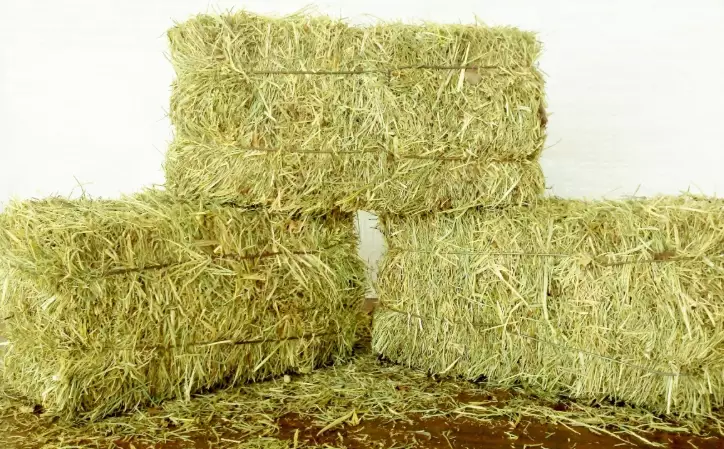
In landscaping, a couple of hay bales can define a space, create a rustic bench (just add a plank on top), or serve as the base for a tiered planting display. They have a great, textured look.
5. The Decor and Entertainment Angle
Okay, this is the fun part. Hay bales are the undisputed champions of rustic, autumn, and country-chic decor. But think beyond the basic pumpkin display.
- Wedding and Event Seating: Drape them with nice blankets or custom-fitted covers for unique seating. Much cheaper than renting chairs.
- Kids' Play: Stack them to create a soft, organic climbing fort or maze. It's safe and biodegradable.
- Target Backstop: For archery or pellet gun practice, a dense hay bale is a perfect, safe backstop that absorbs impact quietly.
The key with decor is to accept that they are messy. They shed. They might attract bugs (though less than you'd fear). They are an organic product, not a plastic prop.
The Buying Guide: How to Get Good Bales and Not Get Scammed
I've bought fantastic hay bales and I've bought duds. Here’s how to tell the difference before you hand over your cash.
First, know what you need. Are you gardening? Ask for straw. Feeding a horse? Ask for grass hay (timothy/orchard mix) and specify you want to see it. Never buy animal feed hay sight-unseen.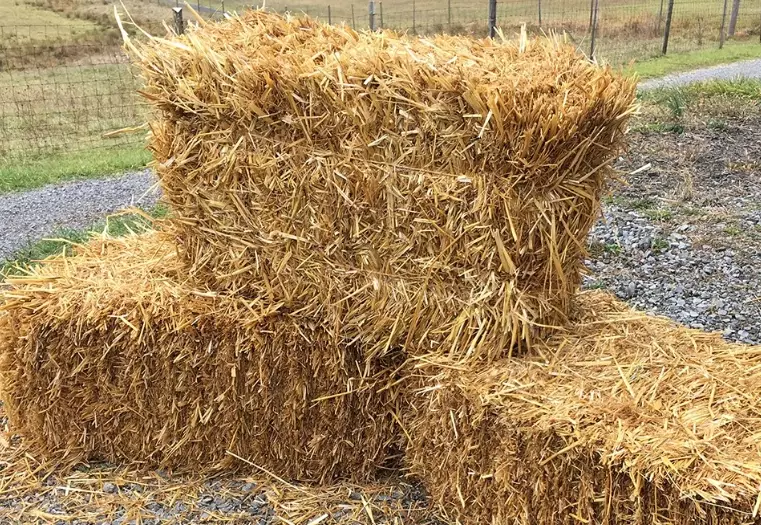
Where to buy: Local farms are almost always your best bet. Check Facebook Marketplace, local farm boards, or just drive around rural areas and look for signs. Garden centers are convenient but often charge a significant markup. Big-box stores sometimes carry decorative bales in the fall, but they can be overpriced and of questionable quality.
The Inspection Checklist: When you look at a hay bale, do this:
- Heft it: It should be surprisingly heavy for its size if it's properly cured. A light bale was baled too dry and will be dusty and lack nutritional value.
- Smell it: It should smell sweet and grassy, like dried herbs. Any musty, moldy, or sour smell is an immediate reject. Moldy hay can make animals sick and is useless for gardening.
- Look inside: Don't be shy—pull a handful from the center of the bale. It should be leafy and greenish (for hay) or golden (for straw), not brown and stemmy. Check for excessive dust, which causes respiratory issues in animals.
- Check for moisture: Feel for heat. A decomposing hay bale can get hot in the middle (“heat up”) if baled too wet, which is a fire risk. If it feels warm, walk away.
- Look at the twine: It should be tight and intact. Loose twine means a loose, poorly formed bale that will fall apart when you move it.
Price varies wildly by region, season, and type. In my area, a standard straw bale might be $6-$8 in the fall, while grass hay can be $8-$12 per bale. Alfalfa is more. Buying in bulk (10+ bales) often gets you a discount.
| Supplier Type | Pros | Cons | Best For |
|---|---|---|---|
| Local Farmer | Best price, freshest product, can inspect, supports local economy. | May have minimum purchase, less convenient hours. | Anyone buying several bales, especially for animal feed. |
| Garden Center | Convenient, accessible, often have straw specifically for gardening. | Higher price, may not know source or quality details. | The gardener needing one or two bales for a project. |
| Landscaping Supply | May sell in large quantities, sometimes deliver. | Quality can be inconsistent, often geared for erosion control (lower grade). | Large landscaping or erosion control projects. |
| Big-Box Store (Fall) | Extremely convenient, seasonal availability. | Highest price, often sprayed with chemicals for color/preservation, poor quality. | Last-minute decorative use only. Not for animals or gardens. |
Watch Out: Some sellers spray decorative hay bales with a colored dye or a preservative to make them look more "autumnal" or last longer outdoors. These chemicals can be harmful to animals, your garden plants, or your soil microbiome. Always ask if the bales have been treated if you plan to use them for anything other than pure decoration.
Storing Your Hay Bale: Don't Let Your Investment Rot
You bought good hay bales. Now don't ruin them. Improper storage is the number one way people waste money on hay.
The enemies are moisture and ground contact. A hay bale sitting directly on damp soil or concrete will wick moisture up and rot from the bottom in weeks. I learned this after losing three bales to a soggy, moldy mess one rainy spring.
The ideal storage:
- Indoors: In a barn, shed, or garage. This is best for animal feed hay.
- Outdoors (if you must): You need to create a moisture barrier. Place bales on a pallet, crushed gravel bed, or even on top of old tires to keep them off the ground. Then, cover them with a waterproof tarp. But don't wrap them airtight—you need some air circulation to prevent condensation. Drape the tarp over the top like a roof, letting the sides breathe.
- Orientation: Store bales with the cut side (where you see the stems) facing up and down, not sideways. This allows moisture to shed off the waterproof outer layer of the grass stems, like shingles on a roof.
- Location: Avoid stacking them against a wooden barn wall where moisture can get trapped. Leave space for air to flow.
A well-stored hay bale in a dry, airy location can last over a year without significant loss of quality. A poorly stored one is compost in a month.
Answers to the Questions You're Probably Asking
Over the years, I've been asked these same things repeatedly. Let's tackle them head-on.
Wrapping It Up: Start Simple
The world of hay bales is deeper than it looks. That simple block is a tool, a material, and a resource all in one. My advice? Don't overthink your first project.
Grab a single straw bale from a local farm or garden center. Try the conditioning process and grow a couple of cherry tomato plants in it. You'll learn more from that one bale than from reading a dozen articles. You'll feel its weight, see how it drinks water, watch it transform, and finally, harvest food from it.
It connects you to a very old, very simple cycle of growth and use. And honestly, there's something deeply satisfying about that. It's not always perfect—sometimes a bale fails to condition, sometimes it's too weedy—but it's real. And in a world of plastic pots and synthetic fertilizers, that realness, that connection to a basic agricultural product, is kind of special.
So go find a hay bale. Or a straw bale. Just know what you're getting. Your back, your garden, or your goats will thank you.
Reader Comments