Let's be honest. Most bagged "garden soil" or "raised bed mix" you buy from the big box store is garbage. It's often just ground-up wood and sand, compacted into a brick that repels water and starves your plants. I learned this the hard way after my first raised bed yielded pathetic, stunted tomatoes. The real magic—the stuff that turns a patch of dirt into a vibrant, productive garden—happens when you understand and build your own garden bed mix. This isn't just dirt; it's a carefully crafted, living ecosystem. Think of it as the foundation of your house. Would you build on quicksand? Of course not. So why would you plant your precious seeds in lifeless, compacted soil?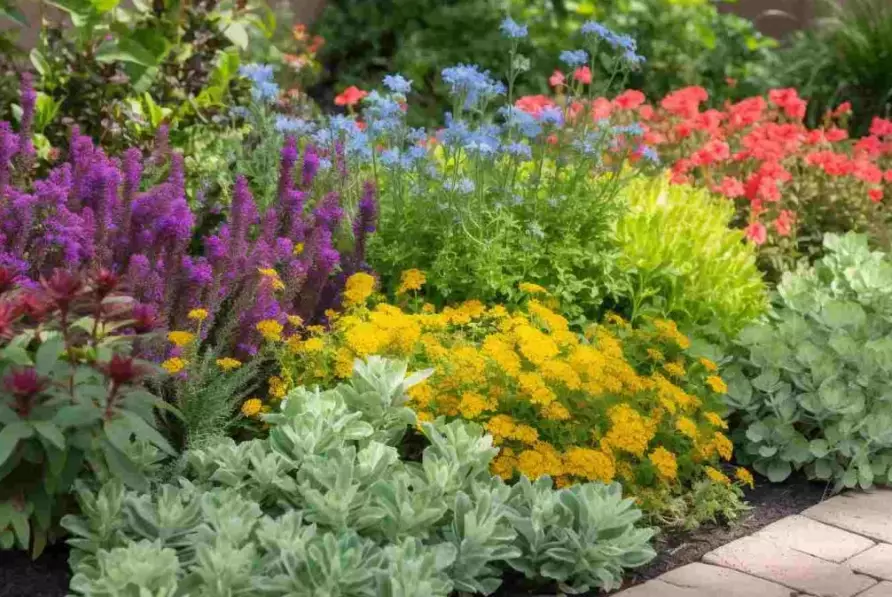
What You'll Learn
- What Is a Garden Bed Mix Really?
- The 5 Key Ingredients You Absolutely Need
- 3 Proven Garden Bed Mix Recipes (For Veggies, Flowers & More)
- How to Mix Your Soil: A Foolproof Step-by-Step Guide
- The 3 Biggest Mistakes Everyone Makes (And How to Avoid Them)
- DIY vs. Buying Bagged: A Cost & Quality Showdown
What Is a Garden Bed Mix Really?
A proper garden bed mix is a custom-blended growing medium designed to provide the perfect balance of three things: structure, nutrients, and biology. It's not a single product but a recipe. The structure (from things like coarse sand or perlite) ensures drainage and keeps roots from drowning. The nutrients (primarily from high-quality compost) feed the plants. The biology—the billions of bacteria, fungi, and microbes—is what transforms those nutrients into a form plants can use, creating a self-sustaining loop. Most pre-bagged mixes fail spectacularly at the biology part; they're sterile. Your goal is to create a living soil that gets better each year.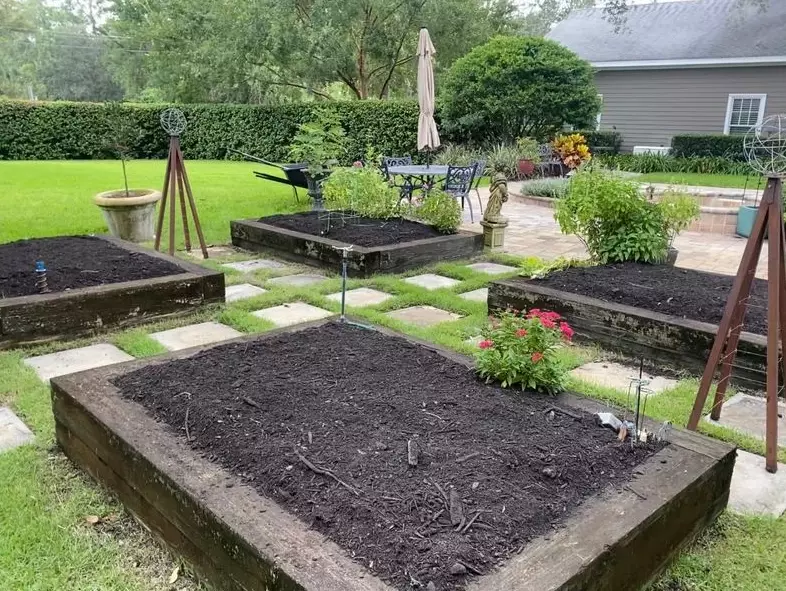
Expert Insight: The most common mistake I see is treating soil like a static ingredient list. It's not. A great mix is a habitat. If you just dump ingredients together without understanding their function, you're building a house with no plumbing or electricity. It might look right, but it won't work.
The 5 Key Ingredients You Absolutely Need
Forget the fancy additives for now. If you nail these five components, you'll have a mix that outperforms 95% of what's on the market.
1. Compost: The Engine Room
This is your nutrient and microbial powerhouse. Not all compost is equal. Municipal compost can be great but sometimes salty. Homemade compost is ideal if it's fully broken down. A pro tip? Use two different types. I blend my own worm castings with a local mushroom compost. The diversity of microbial life is incredible. Avoid anything that smells sour or like ammonia—it's not finished.
2. Aeration/Grit: The Drainage Layer
This is what prevents compaction. Most people use perlite or pumice. I slightly prefer coarse horticultural sand or crushed granite (often sold as "grit") because they don't float to the top over time like perlite can. This ingredient creates the tiny air pockets roots need to breathe.
3. Peat Moss or Coconut Coir: The Moisture Manager
These hold water and release it slowly. Peat moss is acidic and a non-renewable resource, so I've switched almost entirely to coconut coir. It's pH neutral, renewable, and rewets much more easily if it dries out completely—a huge advantage. You must buy the buffered, washed kind, or it can lock up nutrients.
4. Topsoil or Garden Loam: The Mineral Base (Optional but Helpful)
This adds mineral content and a bit of "body." Don't use heavy clay from your yard. If you source local topsoil, sieve it to remove rocks and weeds. Many successful recipes skip this entirely, relying on compost for minerals, which works fine for raised beds.
5. Balanced Organic Fertilizer: The Starter Pack
Even with great compost, I always mix in a balanced, slow-release organic fertilizer like a 4-4-4 blend at the start. It gives seedlings and transplants an immediate, gentle food source while the microbial life in the compost gets established. Think of it as the yeast that gets the bread rising.
| Ingredient | Primary Function | My Go-To Source & Notes |
|---|---|---|
| Compost | Nutrients, microbes, organic matter | Blend of homemade worm castings and local mushroom compost. Never use unfinished compost. |
| Aeration (Grit) | Drainage, prevents compaction, root oxygen | Coarse horticultural sand or #2 granite grit. More permanent than perlite. |
| Coconut Coir | Moisture retention, improves texture | Buffered, brick-style coir. Soak in a wheelbarrow overnight. |
| Topsoil (Optional) | Adds mineral content, bulk | Local, screened topsoil. Only if it's decent quality—otherwise, skip it. |
| Organic Fertilizer | Slow-release nutrient base | All-purpose 4-4-4 blend with micronutrients. Brands like Espoma or Dr. Earth work well. |
3 Proven Garden Bed Mix Recipes
These are volumetric recipes—think "parts" measured by the bucket or wheelbarrow. Adjust based on your bed size.
The All-Purpose Vegetable Bed Recipe
This is my workhorse for tomatoes, peppers, greens, and beans. It's rich but well-draining.
- 3 parts Coconut Coir
- 3 parts High-Quality Compost (from at least two sources)
- 2 parts Aeration (coarse sand or grit)
- 1 part Topsoil (optional, can replace with 1 more part compost)
- To each wheelbarrow load of the above mix, add 2 cups of balanced organic fertilizer and 1 cup of kelp meal.
The Light & Fluffy Mix for Containers and Seed Starting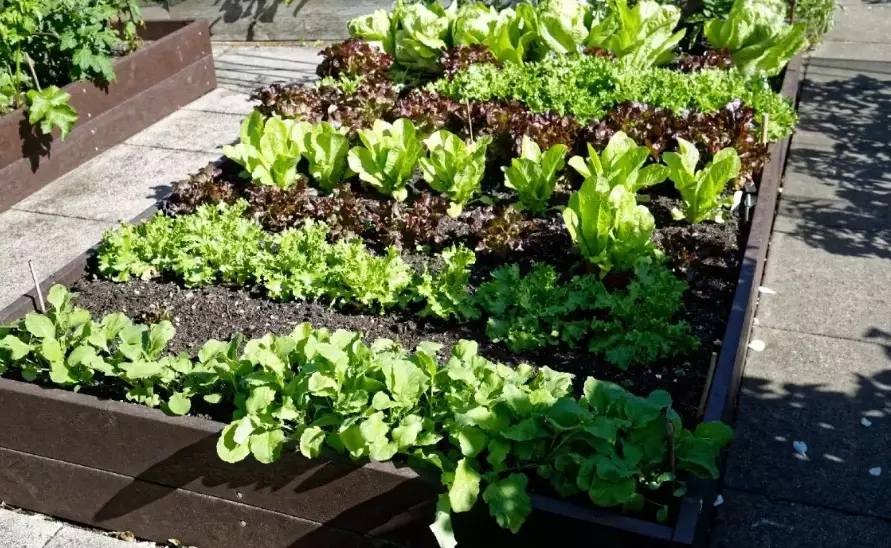
Containers need even better drainage. This mix is lighter.
- 2 parts Coconut Coir
- 2 parts Compost (sifted to remove large chunks)
- 1.5 parts Perlite or Pumice (for maximum lightness)
- 0.5 parts Worm Castings
- Per gallon of mix: 1 tablespoon of fertilizer and 1 tablespoon of azomite (for trace minerals).
The Simple "Lazy Gardener" Recipe
If sourcing ingredients is tough, this two-ingredient mix from Joe Lamp'l (a trusted source in organic gardening) works surprisingly well and is often cited by university extensions.
- 1 part High-Quality Compost
- 1 part Coconut Coir or Sphagnum Peat Moss
- Amend with fertilizer as above. The aeration comes from the chunky texture of good compost.
How to Mix Your Soil: A Foolproof Step-by-Step Guide
Mixing on a tarp on the driveway is the way to go. It's messy, but it works.
Step 1: Hydrate Your Coir. Break up the coir brick in a large container, add water, and let it expand overnight. It should be moist like a wrung-out sponge, not soggy.
Step 2: Dump and Spread. Lay out your tarp. Dump your measured volumes of coir, compost, aeration, and topsoil (if using) into separate piles on the tarp.
Step 3: The Initial Blend. Pull the corners of the tarp to roll the ingredients back and forth. Do this for a few minutes to get a rough combine.
Step 4: Add Amendments. Sprinkle the granular fertilizer and any other dry amendments (like kelp, bone meal) evenly over the pile. This is crucial for even distribution.
Step 5: The Final Mix. Get your hands in there. Or use a shovel. Lift, turn, and chop the mix for at least 5-10 minutes. You want every handful to be uniform. When it looks and feels consistent, you're done.
Step 6: Fill and Water. Fill your beds, water them thoroughly to settle the mix, and you're ready to plant. I like to let it sit for a week if possible, but planting right away is fine.
The 3 Biggest Mistakes Everyone Makes
I've made these, and I see fellow gardeners make them every season.
Mistake 1: Using 100% Bagged "Raised Bed Mix." As I said at the start, these are often poorly composed. They might work for a season but collapse into a dense, hydrophobic mess by year two. You're paying for mostly filler.
Mistake 2: Skipping the Soil Test. After a few seasons, your perfect mix will change. Nutrients get used up, pH can drift. Sending a sample to your local cooperative extension (like the University of Massachusetts Amherst Soil and Plant Nutrient Testing Lab) every 2-3 years tells you exactly what to add. Guessing wastes money and hurts plants.
Mistake 3: Forgetting to Re-amend. Your soil is a living thing that eats. At the end of each season, top-dress with an inch of fresh compost and a light sprinkle of organic fertilizer. This feeds the soil for the next year. Don't just take and never give back.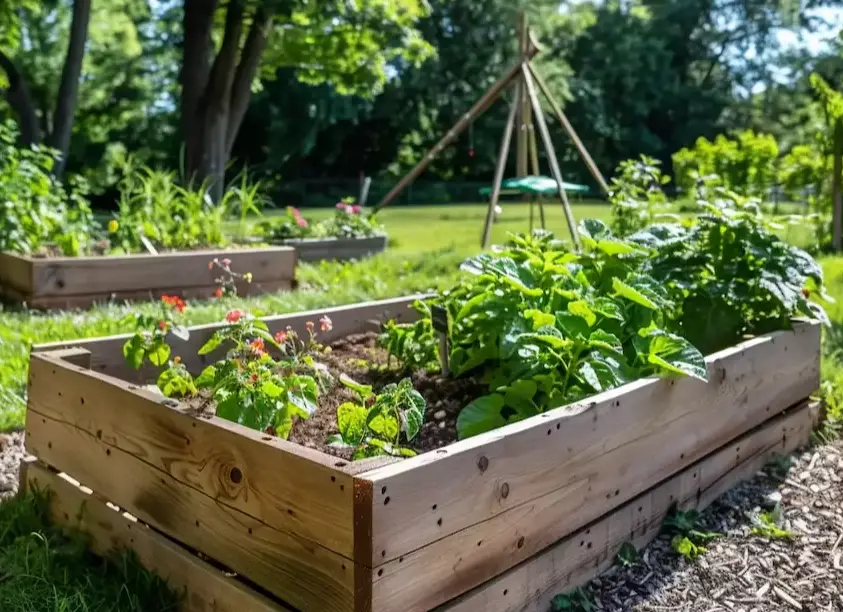
DIY vs. Buying Bagged: A Cost & Quality Showdown
Let's break down filling a standard 4'x8'x1' raised bed (32 cubic feet).
| Option | Estimated Cost (USD) | Quality & Longevity | Effort |
|---|---|---|---|
| Premium Bagged Raised Bed Mix (e.g., FoxFarm, Coast of Maine) |
$180 - $250+ | Good to very good. Usually well-blended but can be pricey for volume. | Low (carry and pour) |
| Big-Box Store Bagged Mix (Generic brands) |
$80 - $120 | Poor to mediocre. High risk of compaction and poor nutrition. | Low |
| Bulk Delivery from Landscape Yard ("Garden Mix") |
$60 - $100 | A complete gamble. Could be great topsoil, could be construction debris. | Medium (shoveling) |
| DIY Mix (This Guide) Sourcing ingredients separately |
$90 - $150 | Consistently Excellent. You control every ingredient. Builds soil health long-term. | High (sourcing, mixing) |
The DIY route isn't always the cheapest upfront, but the value is unmatched. You're investing in a system that will improve, reducing your costs and workload in future years. The bagged stuff is a consumable you'll need to replace.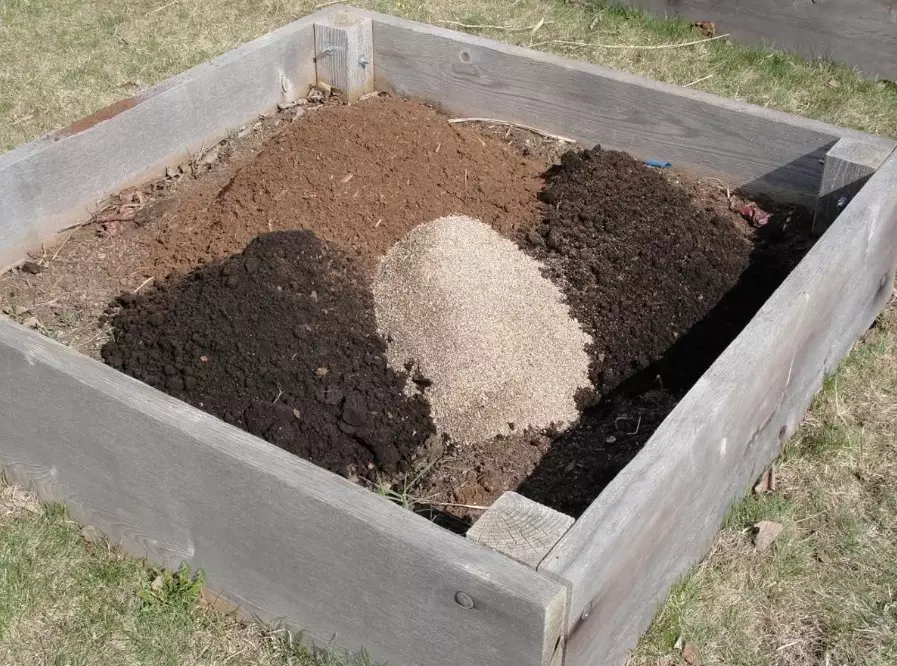
 My homemade mix seems to dry out incredibly fast. What did I do wrong?
Reader Comments