Let's be honest. The idea of stepping into your yard to pick a sun-warmed peach or a crisp apple is magical. It's also intimidating. You've probably heard stories of trees that never fruit, or get diseased, or just sit there looking sad for years. I've been there. I killed my first two apple trees by making the same classic mistake almost every beginner makes. But after a decade of trial, error, and a lot of dirt under my nails, I can tell you this: growing fruit trees is absolutely achievable. It's not about having a green thumb; it's about avoiding a handful of critical errors and following a logical process. This guide strips away the complexity and gives you the actionable steps to go from a bare patch of earth (or a patio pot) to a productive mini-orchard.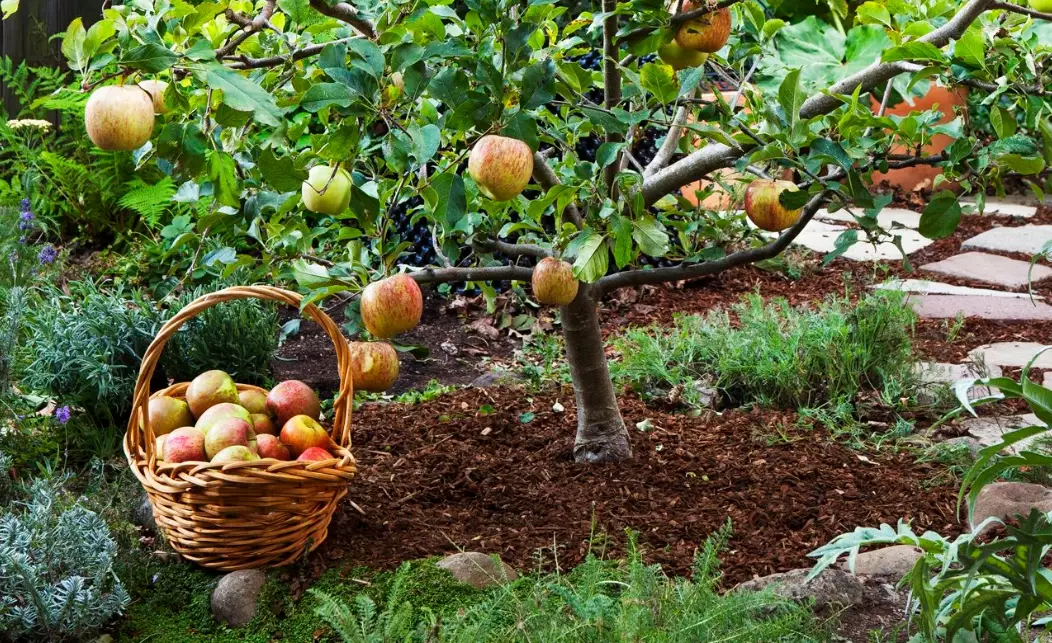
What's Inside This Guide
How to Choose the Right Fruit Tree (This is Where Most People Go Wrong)
Skip this section at your peril. Choosing a tree is the single most important decision. Get it wrong, and you're fighting an uphill battle for its entire life. Get it right, and the tree almost grows itself.
You can't just pick the fruit you like best. You have to match the tree to your reality. Think about these three non-negotiable factors:
Your Climate and Chill Hours
This is the big one. Many fruit trees, like apples, peaches, and cherries, need a period of cold winter dormancy (called "chill hours") to flower and fruit properly. If you live in a mild winter area (like Southern California or Florida) and plant a high-chill apple, it will likely grow leaves but never bloom. Conversely, a low-chill peach planted in Minnesota will likely get damaged by the cold.
Action Step: Look up your USDA Hardiness Zone. Then, when shopping, check the tree's tag or description for its chill hour requirement and zone compatibility. Your local nursery is the best source for trees suited to your area. A report from a university agricultural extension service, like the one from the University of California, is a goldmine for region-specific advice.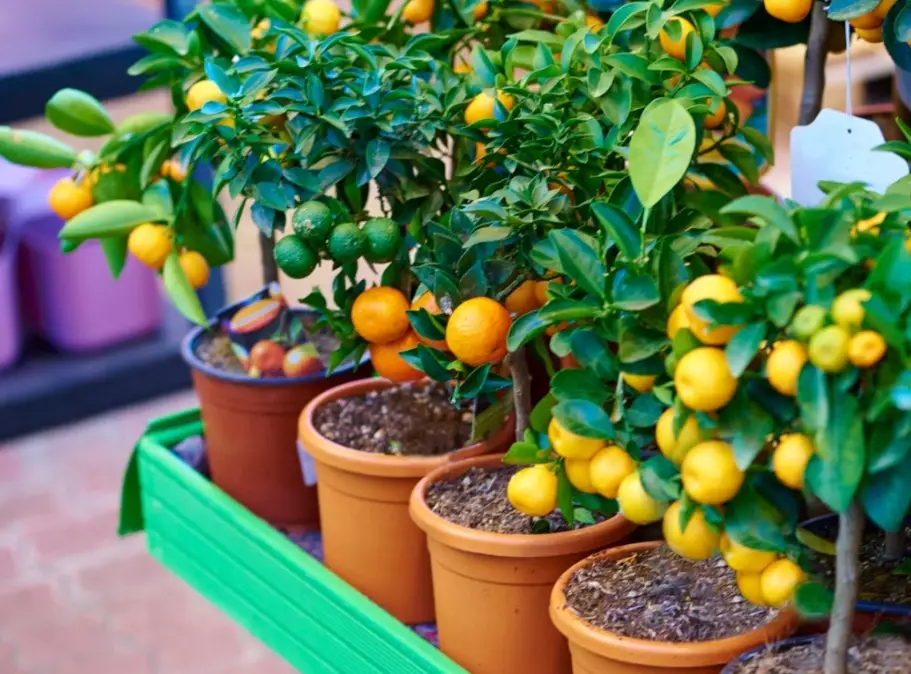
Your Available Space: The Dwarf Tree Revolution
Forget the image of a massive, 30-foot tree. Modern dwarf fruit trees and semi-dwarf varieties are game-changers. Grafted onto special rootstocks that limit their size, these trees mature at 8-12 feet tall. You can grow them in a small yard, in large containers, or even espalier them against a fence.
Pollination: Do You Need a Buddy?
This trips up so many hopeful growers. Some trees are self-fertile (like most peaches, sour cherries, and some figs), meaning one tree can pollinate itself. Others are self-sterile (like many apples, pears, and sweet cherries) and require a different variety of the same fruit blooming at the same time nearby. No pollinator partner means no fruit.
| Fruit Type | Common Pollination Need | Good Self-Fertile Varieties for Beginners |
|---|---|---|
| Apple | Most need a partner | ‘Golden Delicious’, ‘Granny Smith’ (but still better with a partner) |
| Peach/Nectarine | Usually self-fertile | Almost all varieties |
| Pear | Most need a partner | ‘Conference’ (European), ‘Kieffer’ (Asian) |
| Cherry (Sweet) | Most need a partner | ‘Stella’, ‘Lapins’ |
| Cherry (Sour) | Usually self-fertile | ‘Montmorency’ |
| Plum | Varies widely | ‘Santa Rosa’, ‘Methley’ |
| Fig | Self-fertile | ‘Brown Turkey’, ‘Celeste’ |
If space is tight, ask your nursery about multi-graft trees—a single trunk with several compatible varieties grafted onto it. They pollinate each other.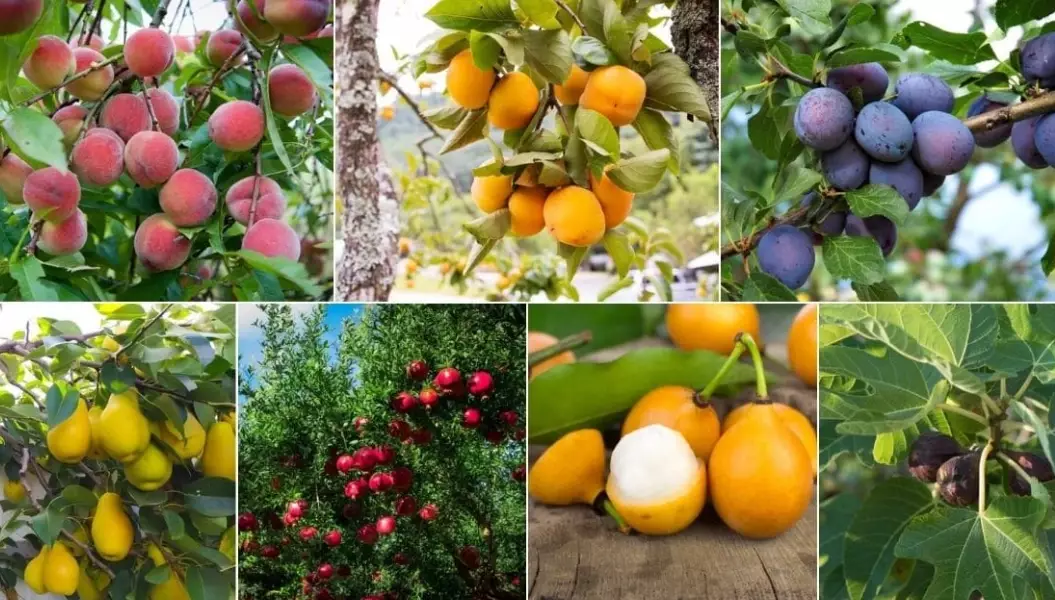
The Foolproof Planting Process: A Step-by-Step Walkthrough
Planting day sets the stage. Do it right, and the tree establishes quickly. The most common fatal mistake? Planting too deep. The root flare (where the trunk widens at the base) must be above the soil line. Bury it, and the trunk rots.
1. The Hole: Dig a hole that's three times as wide as the root ball, but only as deep as the root ball is tall. Roughen the sides of the hole so roots can penetrate easily. Don't amend the backfill soil with tons of compost—this creates a "bathtub effect" where roots don't want to leave the comfortable hole. Just use the native soil.
2. The Tree: Remove the tree from its pot. Gently tease out any circling roots. If they're a dense mat, don't be afraid to make a few vertical cuts with a clean knife to encourage outward growth. Soak the root ball in water for an hour before planting.
3. Planting: Place the tree in the hole. Lay a stick across the hole to ensure the root flare is level with or slightly above the surrounding ground. Backfill, tamping gently to remove air pockets. Water deeply as you fill to settle the soil.
4. Aftercare: Create a shallow watering basin around the tree. Apply a 2-3 inch layer of wood chip mulch, but keep it a few inches away from the trunk (the dreaded "mulch volcano" kills trees). Water deeply 2-3 times per week for the first season, depending on rainfall.
Pruning and Ongoing Care: What to Do After Year One
Pruning scares people. It shouldn't. For the first few years, you're just guiding the tree's shape, not performing intricate surgery.
The First Three Years: Building the Scaffold
At planting, you might prune back any broken branches. Otherwise, let it grow the first year. In late winter of the second year, choose 3-4 strong, well-spaced branches to be your main "scaffold" limbs. Prune these back by about a third to an outward-facing bud. Remove any branches that are too vertical or growing inward toward the center. You want an open vase shape that lets in light and air.
Repeat this process in years two and three, encouraging branching on your scaffold limbs. Most of your fruiting will happen on wood that is 2-3 years old.
Mature Tree Pruning: The Goal is Light and Air
For a mature tree, prune in late winter when it's dormant. Your goals are simple:
- Remove the Three D's: Any dead, diseased, or damaged wood.
- Open the Center: Cut out any branches growing straight up through the middle (water sprouts) or straight down.
- Thin for Light: Remove some smaller branches to prevent overcrowding. Sunlight hitting the inner branches is crucial for fruit bud formation and preventing disease.
Don't overdo it. Removing more than 25-30% of the canopy in one year stresses the tree.
Feeding and Watering
Go easy on fertilizer, especially nitrogen. Too much gives you a beautiful leafy tree with no fruit. A balanced, slow-release fertilizer applied in early spring is usually sufficient. The real secret? Consistent moisture, especially when the fruit is swelling. A deep soaking once a week is better than daily sprinkles.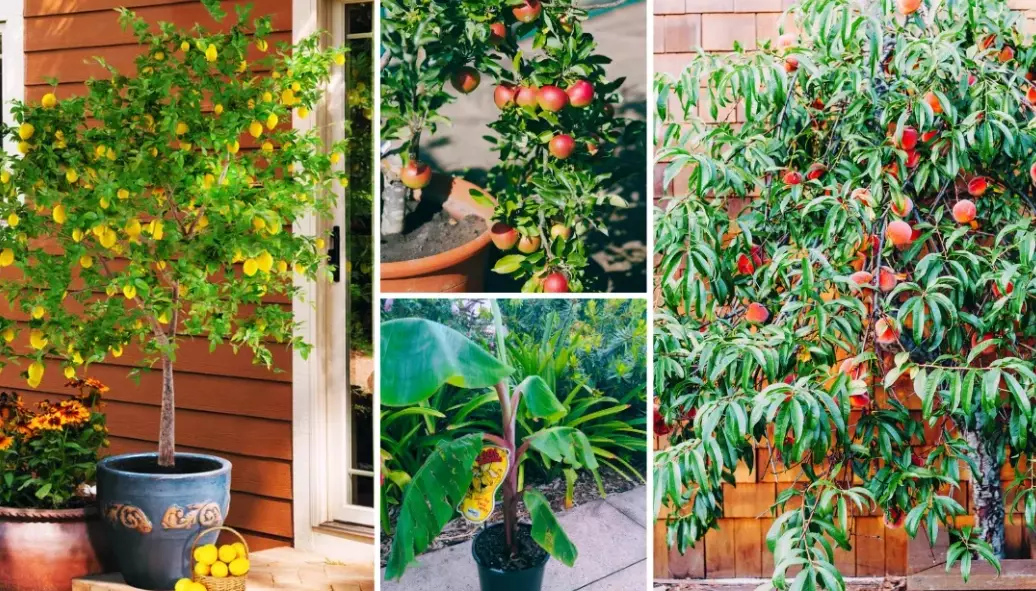
Troubleshooting Your Fruit Trees: Your Questions Answered
 I only have a patio. Can I really grow a fruit tree in a pot?
The journey of growing fruit trees is a long-term relationship, not a one-night stand. You'll have setbacks—a pest infestation, a surprise frost, a squirrel with a particular fondness for your almost-ripe pears. But the reward, that first perfect bite of something you nurtured from a twig, makes every bit of the effort worth it. Start with one tree. Get that one right. The confidence you gain will have you planning your second before you know it.
Reader Comments