Let's cut to the chase. A cold frame is the single most effective, low-cost tool you can add to your garden to beat the seasons. It's not a fancy greenhouse. It's a simple, bottomless box with a clear lid that sits on the ground, trapping solar heat and protecting plants. Think of it as a miniature, passive solar greenhouse for your backyard. If you've ever been frustrated by a short growing season or wanted fresh salad in December, building a cold frame is your next move. I've used them for over a decade, and they've consistently given me harvests when my neighbor's garden is frozen solid.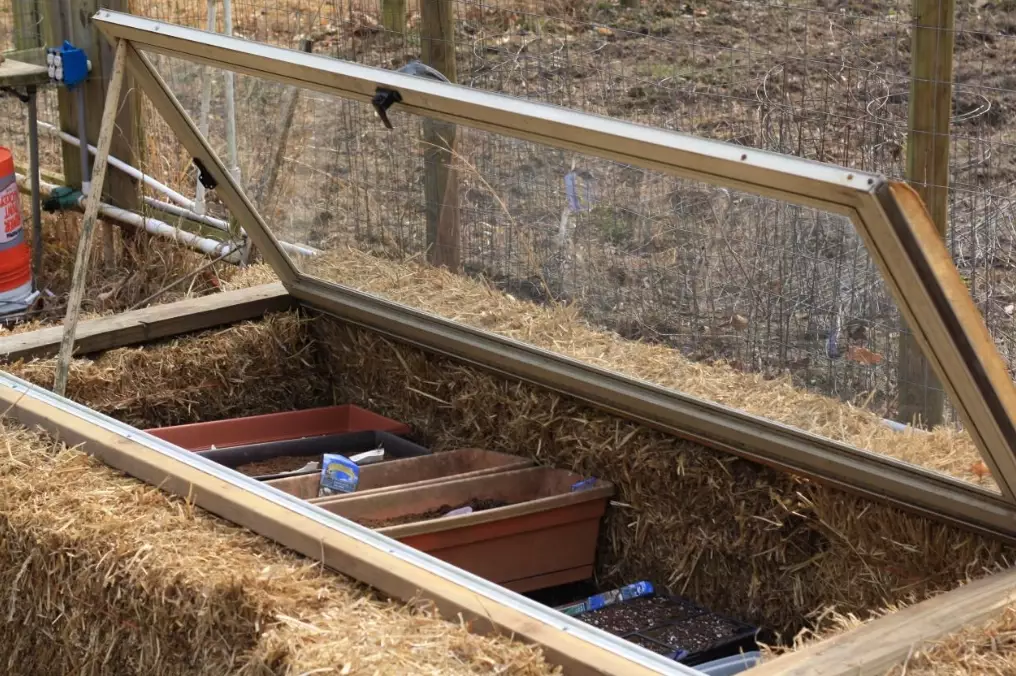
What You'll Learn
How Does a Cold Frame Actually Work?
The science is straightforward but powerful. Sunlight passes through the transparent top (glass, polycarbonate, plastic) and warms the soil and air inside the enclosed box. The insulated walls and lid reduce heat loss. This creates a microclimate that can be 10-20 degrees Fahrenheit warmer than the outside air at night, and on sunny days, much warmer. It provides protection from frost, wind, and heavy rain.
The magic isn't just in keeping things from freezing. It's in accumulated growing degree days. On marginal spring and fall days when open-ground growth stalls, plants inside a cold frame keep chugging along, adding crucial growth. The University of Maryland Extension notes that cold frames are excellent for hardening off seedlings, overwintering hardy crops, and getting an early start on spring greens.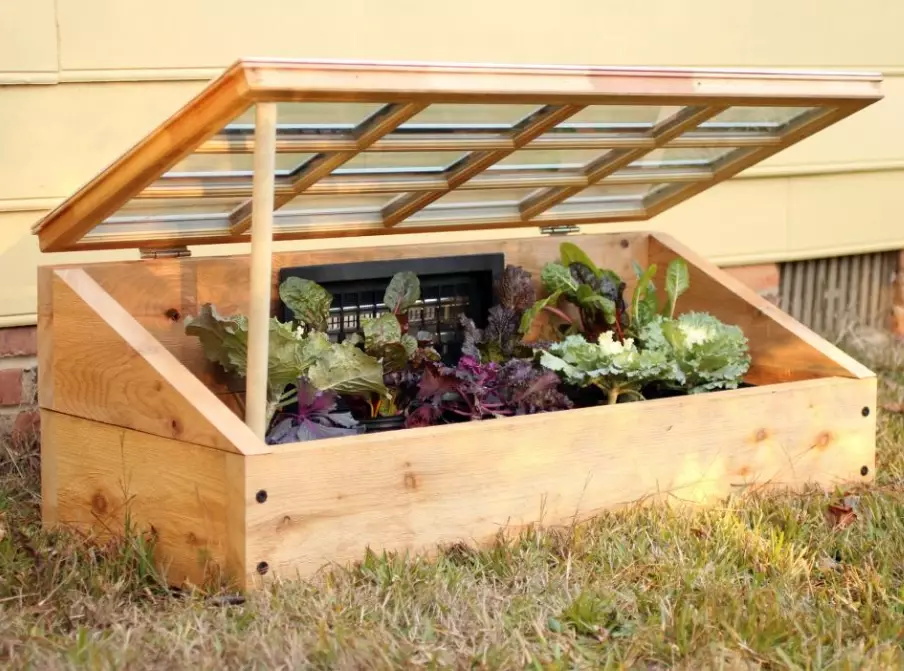
My #1 Use That Most Guides Miss: Late summer sowing. In early August, I direct-sow spinach, kale, and mache in the cold frame. They germinate in the late summer heat, establish before winter, and then the cold frame protects them through the deep cold. Come late February, they explode with growth while outdoor soil is still mud. This beats spring planting by 6-8 weeks.
Picking Your Materials: A Reality Check
You can spend $300 or $30. The goal is function, not Instagram perfection. Here’s a blunt comparison from my own trial and error.
| Material | Best For... | Cost | Durability | The Catch |
|---|---|---|---|---|
| Old Wooden Windows | The ultimate budget, upcycled build. Lid is done for you. | Very Low (often free) | Low to Medium. Wood rots, glass breaks. | Heavy, awkward sizes dictate your frame size. Single-pane glass loses heat fast at night. |
| Cedar or Redwood | A beautiful, long-lasting permanent frame. Naturally rot-resistant. | High | High (10-15+ years) | Expensive. You still need to buy or make a separate lid. |
| Standard Pine/Spruce | Most common DIY choice. Easy to work with. | Medium | Medium (3-7 years). Will rot where it touches soil. | Must be sealed. Use a non-toxic sealant like linseed oil. Pressure-treated is a no-go for food gardens. |
| Double-Wall Polycarbonate | The professional choice for the lid. Excellent insulation, lightweight, shatterproof. | Medium to High | Very High (10+ years, UV-coated) | You have to build a frame for it. Can be cut with a saw. |
| 6-mil Polyethylene Sheeting | The absolute cheapest, fastest lid. Stapled to a wooden frame. | Very Low | Very Low (1-2 seasons max) | Flaps in wind, degrades in sun, terrible insulator. It's a temporary fix. |
My personal setup? A pine frame sealed with raw linseed oil, with a lid made from a salvaged window for the back (south-facing) cold frame, and a custom-built double-wall polycarbonate lid for my primary one. The polycarbonate wins on performance every time.
How to Build a Cold Frame: Step-by-Step
Let's build a classic, simple 3' x 6' cold frame with a slanted lid. This size is manageable, fits standard bed layouts, and provides useful space.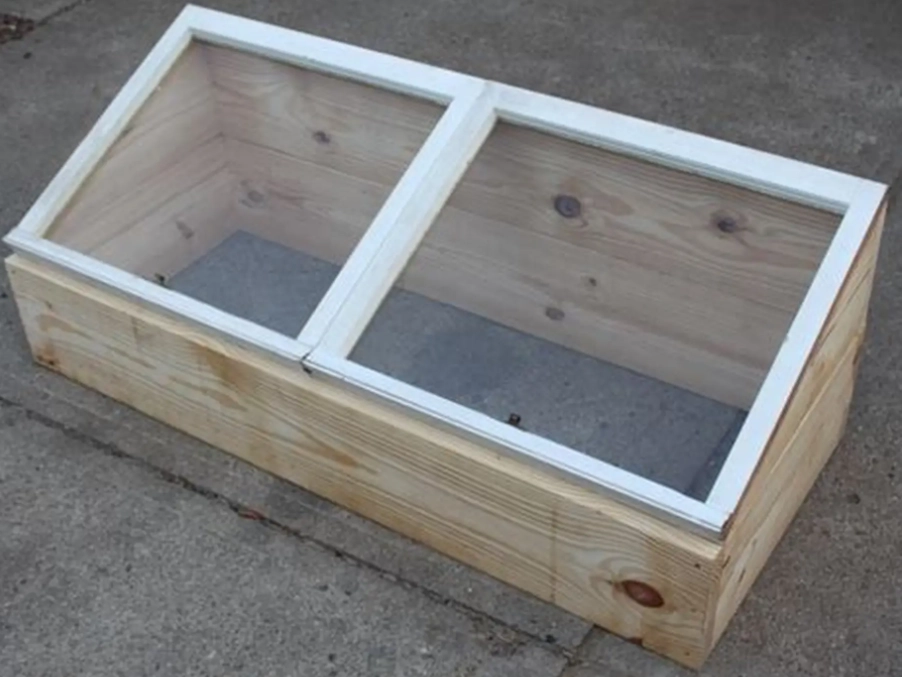
Tools & Materials You'll Need
- Lumber: (4) 2"x12"x8' boards (for sides). (2) 2"x4"x8' boards (for lid frame & bracing).
- Lid Material: One 3' x 6' sheet of double-wall polycarbonate OR an old window of similar size.
- Hardware: 3" exterior deck screws, 1.5" screws, 4 heavy-duty hinges, a hook-and-eye latch, a sturdy stick for propping the lid open (a "hockey stick").
- Tools: Saw, drill, screwdriver, tape measure, level.
The Build Process
1. Cut the Side Walls. Cut your 2"x12" boards. You need two back pieces and two front pieces. The back should be taller than the front to create a rain-shedding slope. I cut my back pieces to 18" tall and my front pieces to 12" tall. This gives a good 6" slope over a 3' depth.
2. Assemble the Box. Screw the side pieces to the back and front pieces to form a rectangular box. Pre-drill your holes to prevent splitting. Use 3" screws at the corners. Check for square by measuring diagonally—both measurements should be equal.
3. Add Corner Bracing (The Secret to Longevity). Cut four 8" pieces from the 2"x4". Screw one into each interior corner of the box, flush with the top. This prevents the box from racking and sagging over time. Most first-time builders skip this.
4. Build the Lid Frame. Using the 2"x4"s, build a simple rectangular frame that matches the outer dimensions of your box (3' x 6'). Reinforce the corners.
5. Attach the Clear Top. If using polycarbonate, place it over the lid frame. Important: the channels in the polycarbonate must run down the slope to let condensation drain. Attach it using polycarbonate-specific screws with rubber washers to prevent cracking and leaks. If using a window, simply center it on the frame and screw through its existing frame.
6. Hinge and Finish. Attach the hinges to the back of the cold frame box and the lid. Mount the hook-and-eye latch on the front. Sand any rough edges. Apply your wood sealant if using untreated wood.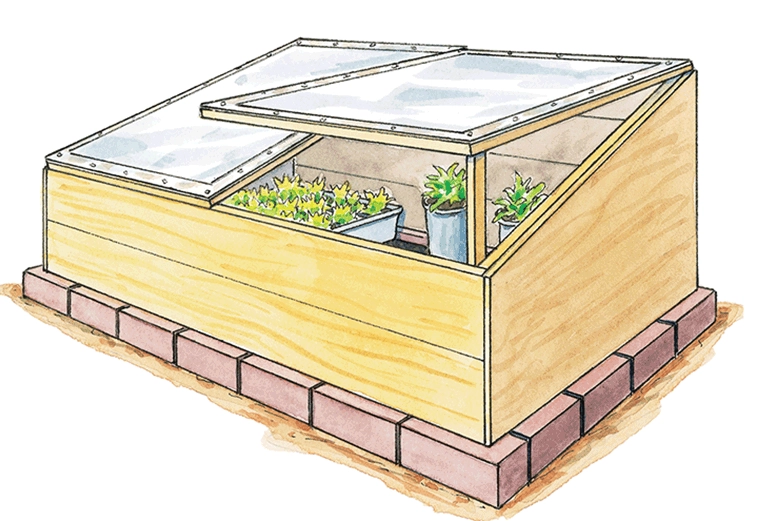
The Right Size & The Perfect Spot
Size is a balance. Too small and it's not useful. Too big and the lid becomes a heavy, unwieldy sail in the wind. Stick to a width you can comfortably reach across (3-4 feet max). Length is flexible, but 6-8 feet is common.
Placement is non-negotiable. You need maximum winter sun.
- Orientation: The long side should face south (in the Northern Hemisphere). The tall back should be on the north side, sloping down to the south.
- No Shadows: Place it where it will get full sun from 9 am to 3 pm in the dead of winter. A spot against a south-facing house wall is ideal—the wall reflects heat and blocks north winds.
- Drainage: Site it on level, well-drained ground. If your soil is clay and soggy, put down a 2-inch layer of gravel inside the frame before adding soil.
Using Your Cold Frame: It's Not "Set and Forget"
This is where people fail. A cold frame needs daily attention, like a pet.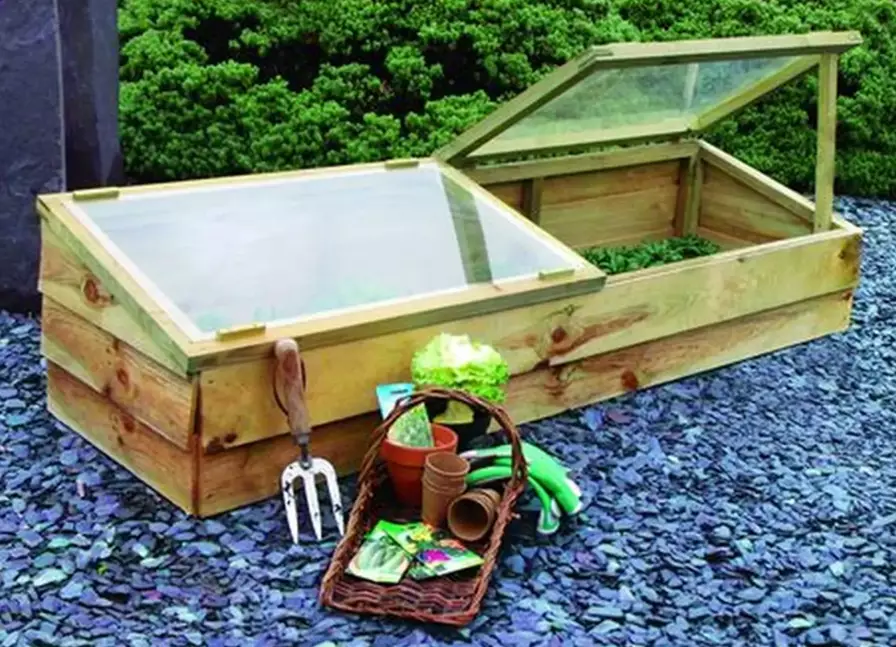
Ventilation is Everything. On a sunny day above 40°F, the inside can easily soar to 80°F+ and cook your plants. You must prop the lid open. Use your stick. The old rule is "open when the sun hits it, close it in the late afternoon." On mild, cloudy days, crack it an inch or two. I've lost more seedlings to overheating than to freezing.
Watering. Water sparingly in winter. Cold, wet soil promotes rot. Water on sunny mornings so excess moisture can evaporate.
What to Grow:
Fall/Winter: Spinach, kale, mache (corn salad), claytonia, carrots, scallions, hardy lettuces.
Early Spring: Start lettuce, bok choy, peas, beet, and brassica seedlings. Harden off any seedlings before transplanting outside.
Answers to Your Cold Frame Questions
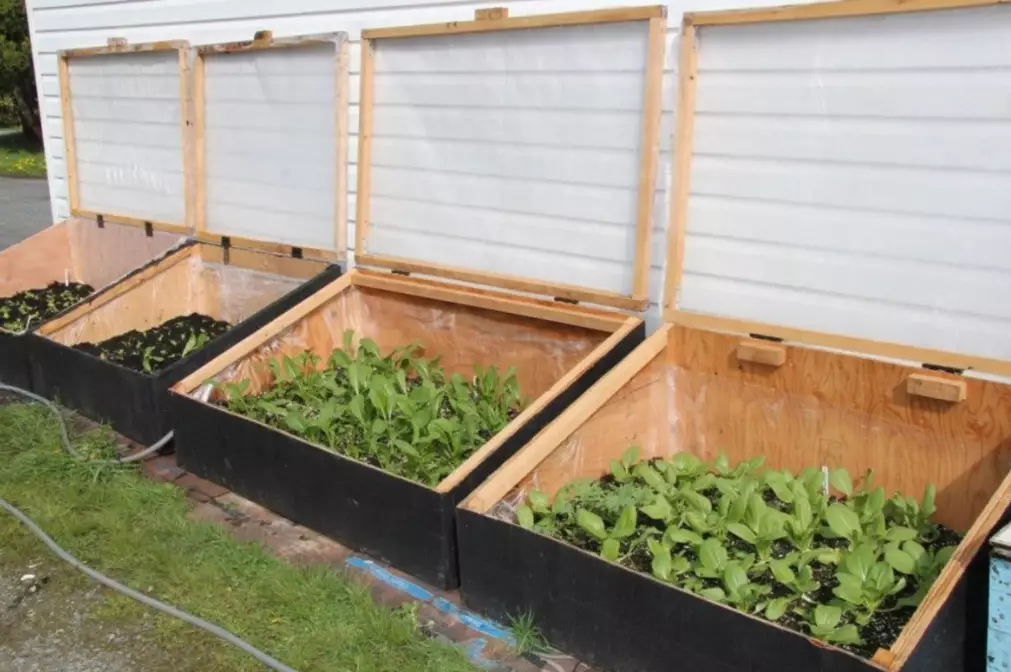 How do I keep the soil from freezing solid?
Reader Comments