Let's be honest. Most gardening advice focuses on the plants. But after two decades of turning clay pits into productive vegetable patches, I've learned the secret isn't in the seed packet—it's in the dirt. Enriching soil isn't a one-time task; it's a mindset shift. You're not just adding stuff to dirt. You're building a living, breathing ecosystem that feeds your plants for you. Forget quick fixes and bagged miracles. Lasting soil fertility comes from understanding and working with natural processes.
This guide cuts through the noise. We'll move beyond basic "add compost" advice and into the nitty-gritty of soil texture, microbial life, and long-term organic matter management. Whether you're staring at hardpan clay, nutrient-starved sand, or just soil that's tired, the principles are the same. Feed the life in the soil, and it will feed your plants.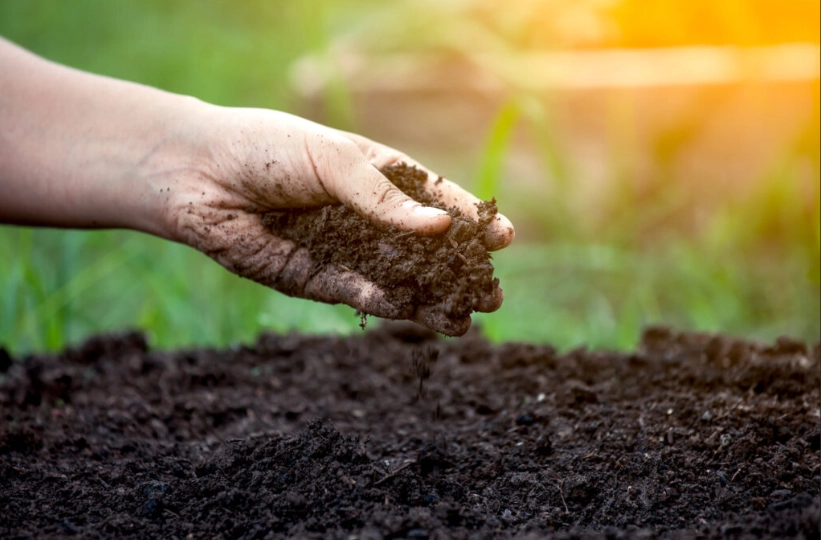
What's Inside: Your Soil Enrichment Roadmap
- Why Soil Health Is Everything (And What "Rich" Really Means)
- Step Zero: Know Your Soil Before You Change It
- The Heart of the Matter: Mastering Organic Matter
- The Unsung Hero: Using Cover Crops to Enrich Soil
- Stop Digging: The Low-Disturbance Approach to Fertility
- What Most Gardeners Get Wrong (And How to Avoid It)
- Your Seasonal Action Plan for Soil Enrichment
- Your Soil Enrichment Questions, Answered
Why Soil Health Is Everything (And What "Rich" Really Means)
Rich soil isn't just dark and crumbly. That's a symptom. The cause is a thriving community. Think of it as a tiny city beneath your feet. Fungi are the internet, transporting nutrients and water over long distances. Bacteria are the recyclers, breaking down organic matter. Worms and insects are the engineers, creating tunnels for air and water.
When this city is booming, your plants get a constant, balanced diet. They're more resilient to drought and pests. The soil holds water like a sponge but also drains well. That's true richness. It's not about maxing out nitrogen levels on a test strip; it's about creating a stable, self-sustaining environment. The USDA's Natural Resources Conservation Service has great resources on this holistic view of soil health.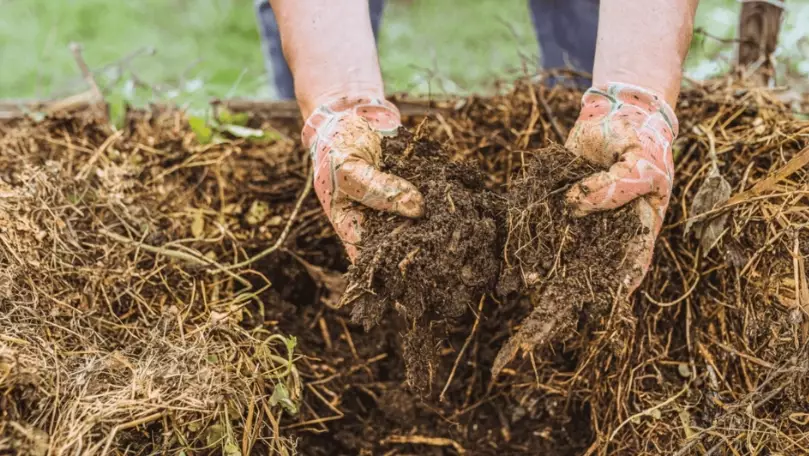
Step Zero: Know Your Soil Before You Change It
This is the step everyone wants to skip. Don't. Amending blindly is like prescribing medicine without a diagnosis. You need two pieces of information.
The Squeeze Test: Understanding Texture
Grab a handful of moist (not wet) soil. Squeeze it into a ball.
Clay forms a tight, slick ball that holds its shape. It's nutrient-rich but drains poorly and compacts easily.
Sandy soil won't form a ball; it falls apart. It drains too fast and leaches nutrients.
Loam, the ideal, forms a ball that crumbles slightly when poked. It's a balanced mix.
Your goal for any soil type is to move it toward loam. For clay, you need to add materials to create space (aeration). For sand, you need materials that hold water and nutrients together (aggregation).
The pH and Nutrient Test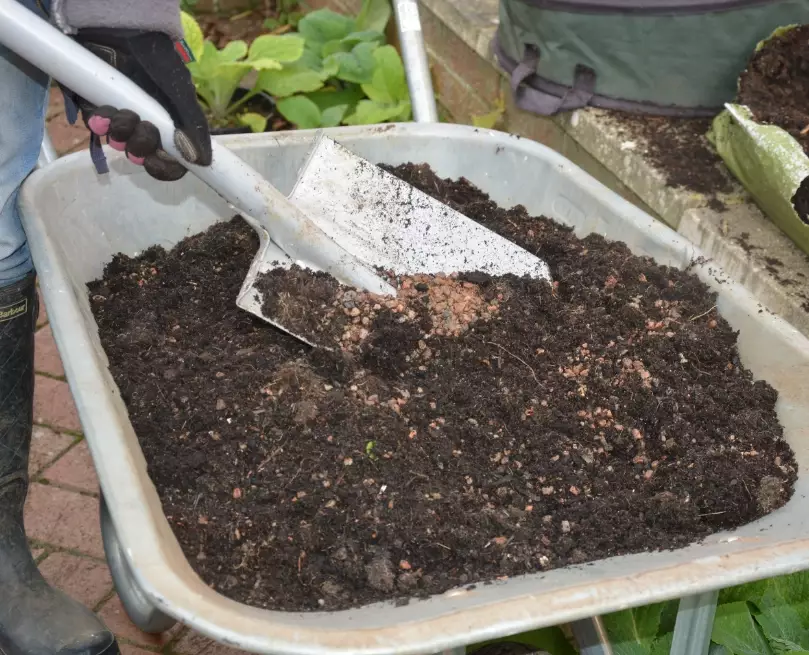
A home test kit or a lab test from your local cooperative extension service is worth every penny. pH dictates what nutrients are available to plants. Most veggies love a slightly acidic to neutral pH (6.0-7.0). If your pH is off, amendments like lime (to raise pH) or sulfur (to lower it) are foundational. Adding compost to a pH of 8.5 is largely a waste until you correct the pH.
The Heart of the Matter: Mastering Organic Matter
Organic matter is the fuel for your soil city. It's not one thing, but a spectrum from fresh greens to stable humus.
Compost: The Gold Standard, But Not a Cure-All
Good compost is incredible. It adds nutrients, improves structure, and inoculates soil with life. But here's the nuanced view: most backyard compost is "cool" compost. It's great, but it decomposes relatively quickly. You also need sources of "slow" carbon.
I see gardeners dump wheelbarrows of fluffy compost every year and wonder why their soil still compacts. They're only feeding the short-cycle bacteria. You need to feed the fungi too, which thrive on tougher stuff. That's where amendments beyond compost come in.
| Amendment | Best For | How to Use It | A Key Benefit Beyond Nutrients |
|---|---|---|---|
| Leaf Mold (decomposed leaves) | All soils, especially clay | Apply 2-3 inches as a top dressing in fall. | Fantastic for fostering fungal networks and moisture retention. It's free. |
| Well-Rotted Manure (cow, horse, chicken) | Nutrient-poor soils | Mix in sparingly (1-2 inches) before planting. Must be aged at least 6 months. | Provides a broad spectrum of nutrients and active biology. Hot, fresh manure burns plants. |
| Wood Chips (as a mulch, not mixed in) | All soils | Layer 3-4 inches on top of soil, away from plant stems. | The ultimate slow-release carbon source. Feeds fungi, suppresses weeds, regulates soil temperature. |
| Greensand or Glacial Rock Dust | Soils lacking minerals | Apply a light dusting (a few lbs per 100 sq ft) every few years. | Adds a wide range of trace minerals (potassium, iron, silica) that are often depleted. |
The Unsung Hero: Using Cover Crops to Enrich Soil
If I could only recommend one practice besides composting, it's this. Cover crops are plants you grow not to eat, but to feed the soil. They're a living amendment.
I use them in every bare spot, in between garden rotations, and over winter. The benefits are insane. They prevent erosion, their roots break up compaction, and when you cut them down, they return all those nutrients and organic matter to the earth.
My Go-To Cover Crop Mix: For a general purpose fix, I sow a mix of winter rye (deep roots for breaking clay), crimson clover (adds nitrogen from the air), and field peas (fast growth). In spring, I simply cut them down at the base and lay the foliage on the bed as mulch. No digging needed.
Stop Digging: The Low-Disturbance Approach to Fertility
Here's a controversial one. The traditional advice is to "turn the soil" and mix in amendments. I think that's often a mistake, especially once your soil life is established.
Every time you deeply till or double-dig, you destroy the fungal networks and soil structure you've worked so hard to build. You bring weed seeds to the surface. You accelerate the burning up of organic matter.
My method now is mostly top-dressing and shallow cultivation. I spread compost, manure, or leaf mold on the surface in fall or early spring. I might lightly scratch it into the top inch with a fork. Then, let the worms and weather do the mixing. It's slower, but the soil structure that results is profoundly better. It's like the difference between tearing down a city to rebuild it versus renovating neighborhood by neighborhood.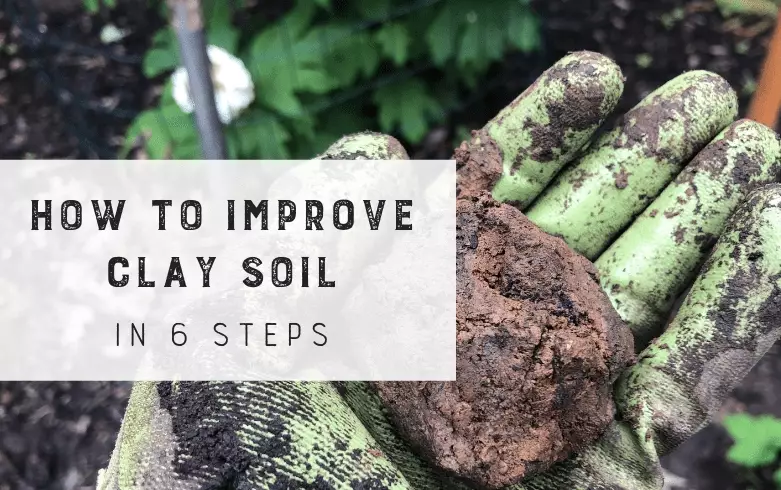
What Most Gardeners Get Wrong (And How to Avoid It)
Let's talk pitfalls. I've made these mistakes so you don't have to.
Over-amending with compost. Yes, it's possible. Piling on 6 inches of compost every year can lead to overly high phosphorus levels, which can actually lock up other nutrients. It can also create a "potted plant" effect where roots won't venture into the native soil. A 1-2 inch layer annually is plenty for maintenance.
Ignoring mulch. Bare soil is dying soil. Sun, wind, and rain degrade organic matter and crust the surface. A layer of straw, wood chips, or even grass clippings protects the life below, conserves water, and slowly breaks down to feed the soil. It's non-negotiable.
Relying only on synthetic fertilizers. They feed the plant, but they do nothing for the soil. In fact, they can harm microbial life. It's like giving your kids candy for dinner instead of a balanced meal. The plants get a quick spike, but the soil gets poorer.
Your Seasonal Action Plan for Soil Enrichment
Let's make this actionable. Here's what a year of building soil looks like.
Fall (The Most Important Season): This is building season. After harvest, sow a winter cover crop like rye or clover. If not, cover every inch of bare soil with fallen leaves, straw, or finished compost. Do a soil test now so you have all winter to plan amendments.
Spring: If you planted a cover crop, cut it down 3-4 weeks before planting. Let it lie as mulch. Gently top-dress beds with a thin layer of compost. Avoid working soil when it's wet—this destroys structure.
Summer: Maintain your mulch layer. Side-dress heavy feeders (tomatoes, corn) with a bit of compost or well-rotted manure mid-season.
Year-Round: Keep a compost pile or bin going. Collect leaves in bags in the fall to make leaf mold.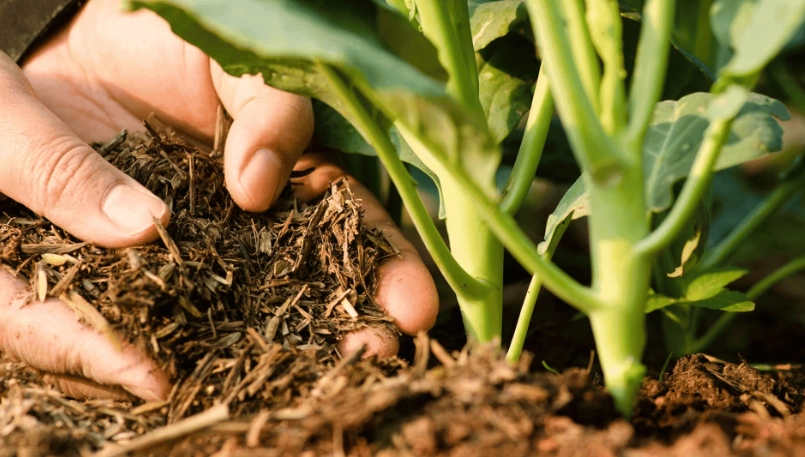
Your Soil Enrichment Questions, Answered
How can I enrich extremely hard, compacted clay soil quickly?
What's the cheapest way to add organic matter to a large garden?
 I did a soil test and my nitrogen is low, but phosphorus is high. What should I add?
Can I enrich soil in pots and containers the same way?
Is it possible to add too much worms or beneficial microbes from a store-bought product?
Reader Comments