Let's cut to the chase: building a compost bin from wood pallets is one of the smartest moves a gardener can make. It's cheap, effective, and turns waste into a resource. I've built several over the years, and the three-bay system in my backyard has been cranking out black gold for three seasons straight. But I've also seen the mistakes—the wobbly bins, the rotting wood, the rodent hotels. This guide isn't just about nailing pallets together. It's about building a system that lasts, works efficiently, and avoids the pitfalls most beginners (and even some seasoned folks) stumble into.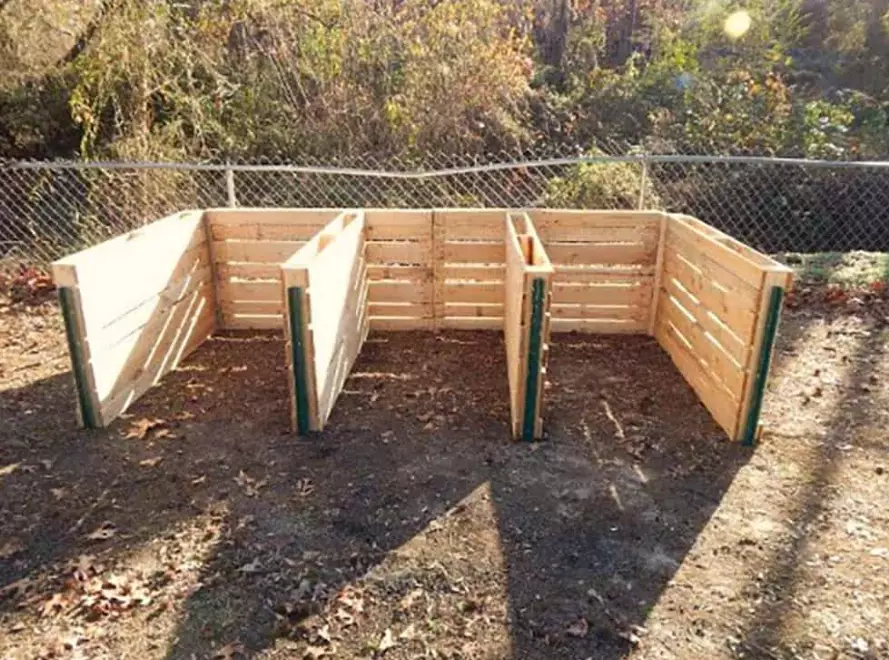
What You'll Find in This Guide
Why Build a Compost Bin from Wood Pallets?
The appeal is obvious: cost. Branded compost bins can run you $100 to $300. Pallets? Often free. You can find them behind stores, on online marketplaces like Craigslist or Facebook Marketplace, or from local businesses. Just ask. But the real value goes deeper.
A well-built pallet bin offers superior aeration. The gaps between slats allow air to circulate passively, which is critical for aerobic composting (the fast, smell-free kind). You also get flexibility. Need a bigger bin? Add another pallet. Want a multi-bay system for turning compost? It's just a matter of space and a few more pallets.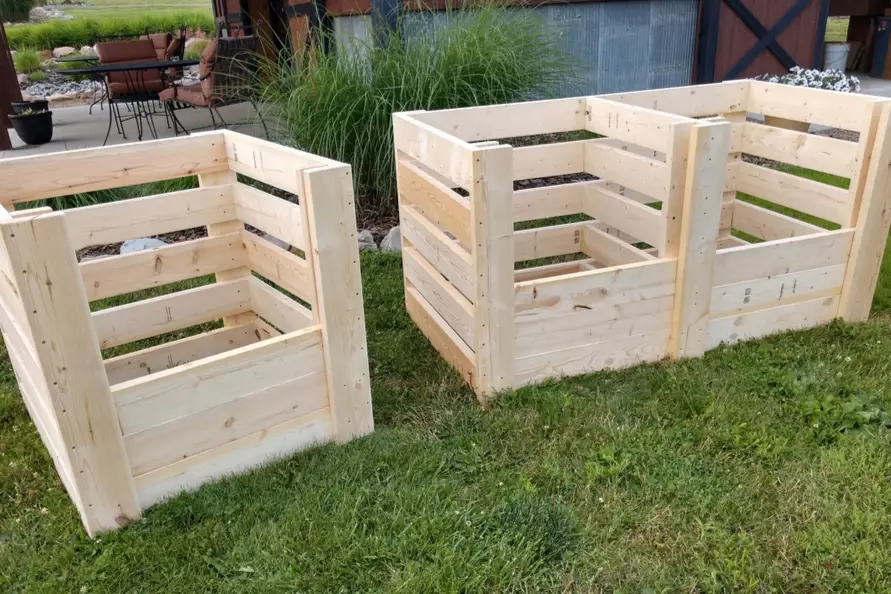
I compared my pallet bin's output to a friend's plastic tumbler over one summer. My batch finished in 6 weeks; his took over 3 months and was clumpier. The difference was airflow and volume.
How to Choose the Right Wood Pallets
Not all pallets are created equal. Grabbing the first one you see is the biggest rookie error. You need to think about safety and durability.
The single most important thing to check is the treatment stamp. Pallets used for international shipping are treated to kill pests. Look for the imprint on the side of the pallet.
| Stamp Code | What It Means | Safe for Garden? |
|---|---|---|
| HT | Heat Treated. Wood was heated to a high temperature. This is the gold standard for compost bins. | YES |
| KD | Kiln Dried. Similar to HT, another safe option. | YES |
| MB | Methyl Bromide. A chemical fumigant. Avoid these completely. | NO |
| No Stamp | Proceed with extreme caution. Assume it's unsafe unless you know its domestic, single-use history. | Probably Not |
Beyond the stamp, give the pallet a physical once-over. Avoid ones soaked in unknown stains (oil, chemicals). Check for broken boards or protruding, bent nails. A solid, HT-stamped pallet in good condition is your target. I usually pick up 5 or 6 to have spares for repairs or to adjust my design.
Tools and Materials You'll Actually Need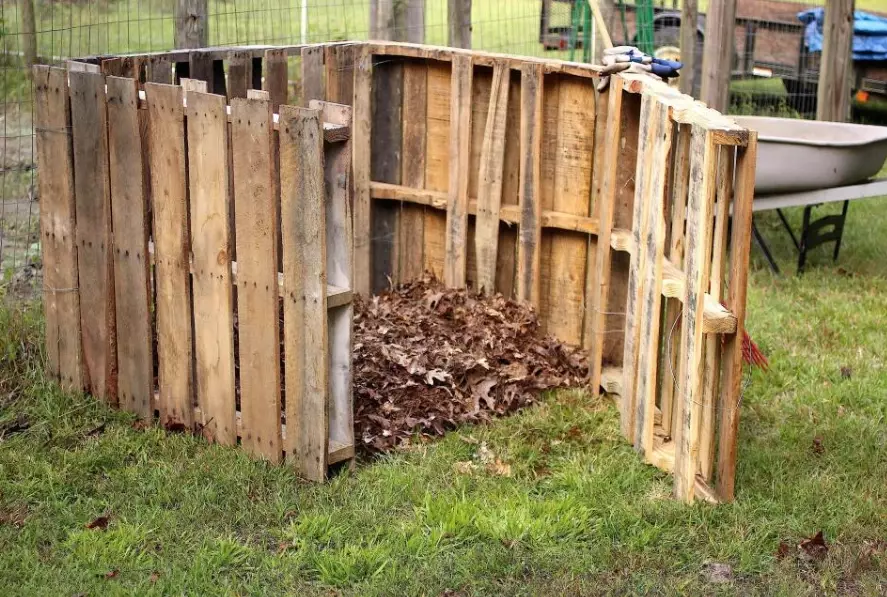
You don't need a workshop full of tools. Here's the realistic list:
- 4-6 Heat-Treated (HT) Wood Pallets: Try to get ones of similar size.
- Heavy-Duty Galvanized Screws (3-4 inch): Nails work, but screws allow for disassembly and repair. Trust me on this.
- Power Drill/Driver: A basic model is fine.
- Pry Bar or Crowbar: For carefully removing nails from donor pallets if you need extra boards.
- Hammer, Pliers, Safety Glasses, Gloves: Non-negotiable for safety.
- Optional but Helpful: A reciprocating saw (Sawzall) to trim boards, a post hole digger if setting posts in ground, and a level.
- Landscape Fabric or Hardware Cloth: For lining the sides if rodent-proofing is a priority in your area.
Step-by-Step Guide to Building a 3-Bay Compost Bin
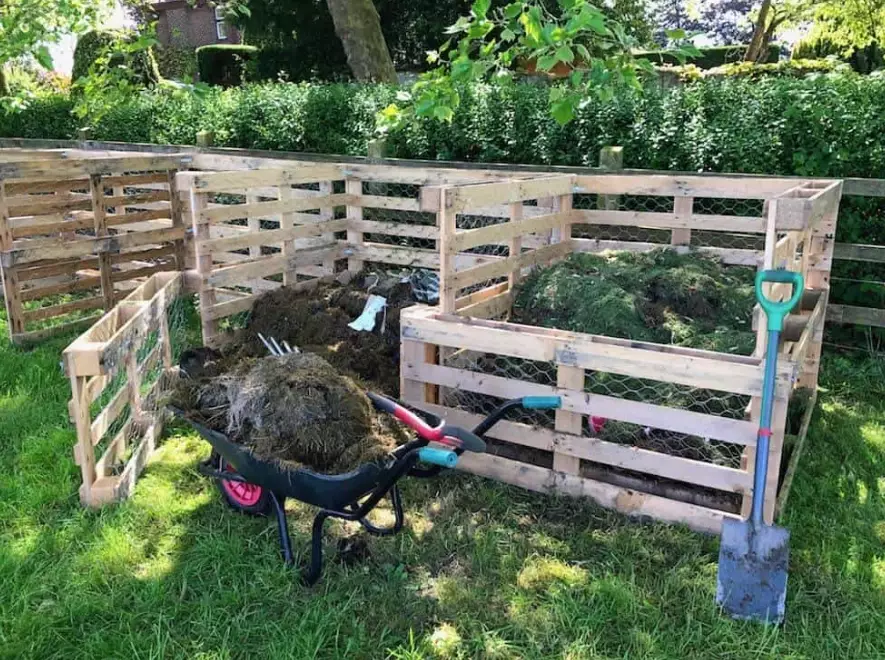
A three-bay system is the ultimate setup. One bay for fresh greens/browns, one for actively turning, and one for finished or nearly finished compost. It creates a continuous cycle. Here's how to build it.
Step 1: Site Selection. Don't just plop it anywhere. Choose a level, well-drained spot with partial sun. Full sun dries it out; full shade slows decomposition. Make sure it's convenient to your kitchen and garden. You'll neglect it if it's a hike away.
Step 2: Prepare the Pallets. Inspect each one. Knock out any loose nails. Decide which pallets will be the sides and back. The sturdiest, best-looking ones should be your front-facing pallets, as they'll have the most strain from opening/closing.
Step 3: Construct the Back and Sides. Stand three pallets on their long edges to form a U-shape (the back and two sides). The bottom stringer (the thick, supporting board) should be on the ground. Screw the side pallets to the back pallet at the corners. Use at least 4-5 screws per corner, driving through the side pallet's stringer into the back pallet's side. This is where you feel the structure become solid.
Step 4: Add the Front Partitions. For a three-bay bin, you'll need two additional pallets standing upright inside the U to create the three chambers. Screw these divider pallets to the back pallet and the side pallets. Your basic structure is now a box with three compartments.
Step 5: Create Removable Front Slats. This is the pro move. Don't permanently attach the front pallets. Instead, take individual boards from spare pallets and screw two or three of them together side-by-side to create a slatted "gate" for each bay. You can simply slide these in between the divider pallets to hold the compost in, and lift them out for easy turning and access. Some people use hinges or wire, but the slide-in method is simplest.
Step 6: Reinforce and Rodent-Proof (Optional). If you have pests, staple hardware cloth (a stiff metal mesh) to the inside bottom half of the bin. Don't use chicken wire—rats chew right through it. For extra stability, you can sink 4x4 posts at the corners before attaching the pallets.
That's it. The whole thing can take a weekend afternoon. My first one took me 4 hours, and I was taking my time.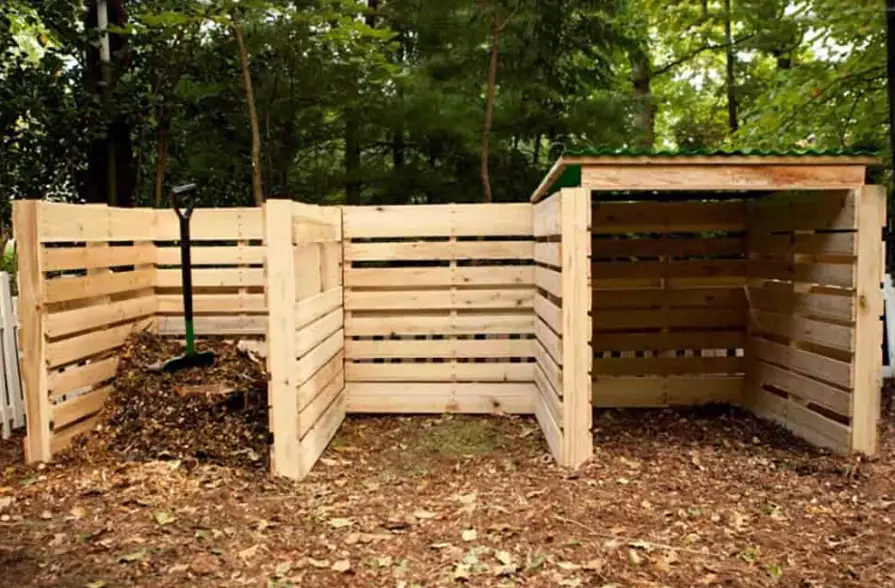
Advanced Tips and Common Mistakes to Avoid
After building a few of these, you learn what matters.
The Foundation Matters. Placing pallets directly on dirt accelerates rot. Set them on a bed of gravel, concrete blocks, or pressure-treated lumber runners. This improves drainage and adds years to your bin's life.
Don't Over-Secure It. This sounds counterintuitive. You want it sturdy, but composting is a wet, active process. Wood swells and contracts. If you screw every single slat together too tightly, the wood can crack as it moves. Focus your screws on the structural stringers.
The "Too Much Green" Problem. A common issue isn't the bin—it's what goes in it. People fill their beautiful new pallet bin with grass clippings and kitchen scraps, creating a smelly, slimy mess. You need a 2:1 or 3:1 ratio of browns (dry leaves, shredded cardboard, straw) to greens. Keep a bag of leaves or a bale of straw next to the bin. For every bucket of kitchen scraps, toss in two buckets of browns.
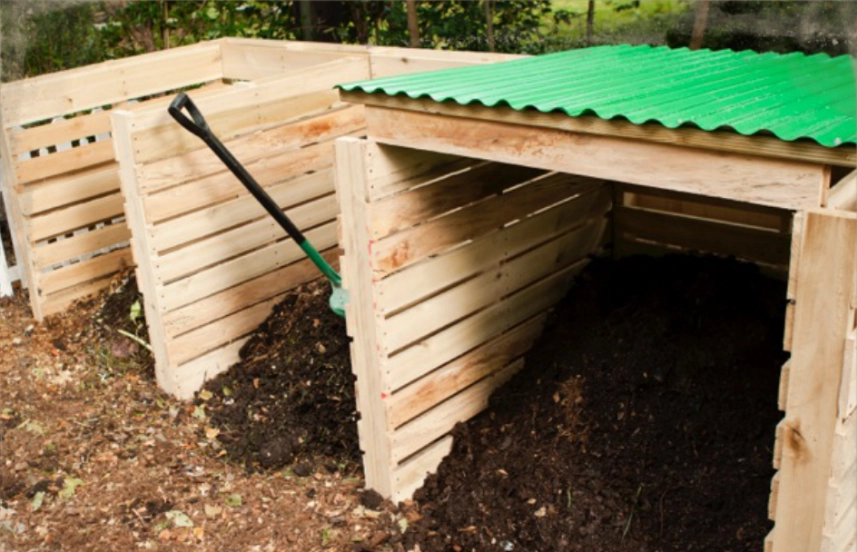
To Roof or Not to Roof? A loose cover (like an old piece of plywood or a tarp) is essential. It keeps rain from waterlogging the pile and retains heat. But don't seal it airtight. The cover should just sit on top.
Maintaining Your Pallet Compost Bin
Maintenance is minimal but critical. Every few months, check for loose screws and tighten them. If a board rots (usually the bottom ones first), use your pry bar to remove it and replace it with a board from your spare pallet. It's like changing a tire—simple if you have the spare part ready.
Turn your pile when the center cools down. Use a garden fork to move material from the first bay into the second, mixing it thoroughly. This reintroduces oxygen and speeds decomposition. The finished compost will settle in the third bay.
In winter, composting slows but doesn't stop. A larger pallet bin holds heat better than a small one. Just keep adding material; it will pick up speed in spring.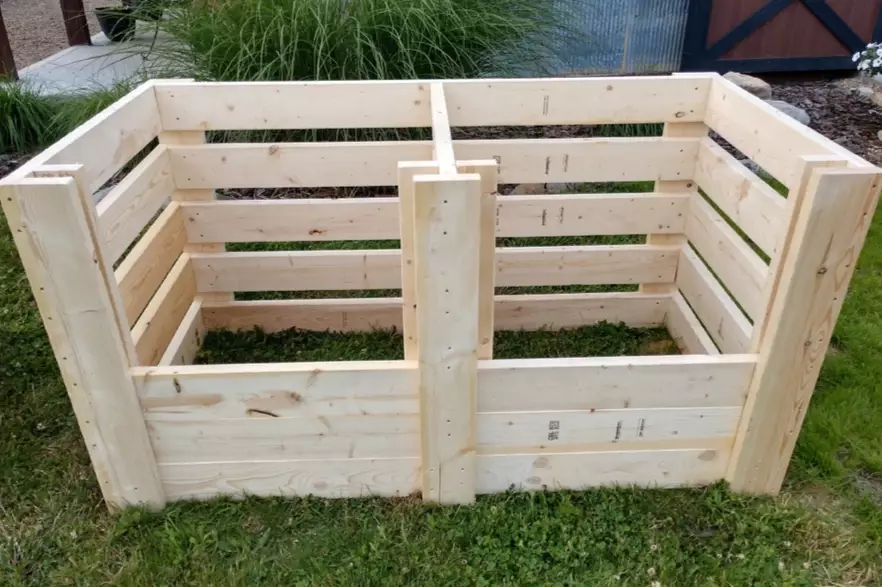
Your Compost Bin Questions, Answered
 My compost pile in the pallet bin is wet and smelly. What am I doing wrong?
Reader Comments