I ruined my first crop of Brandywines. There they were, these gorgeous, lumpy heirlooms, finally showing a blush of pink. I waited, convinced they needed more sun, more time, more something on the vine. Then, one afternoon, I found them—split, soft, and half-eaten by critters who had no such patience. That's when I learned the most critical skill in tomato gardening isn't planting or watering; it's knowing the precise moment to harvest. Get it right, and you're rewarded with that sublime, sun-warmed flavor that grocery stores can't touch. Get it wrong, and you get mush, rot, or bland disappointment.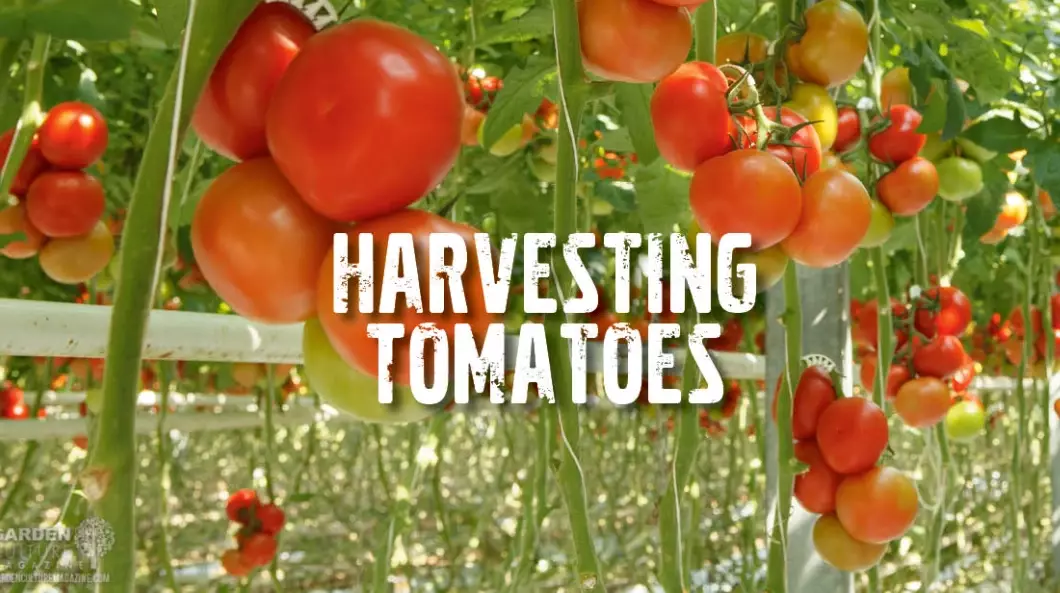
What You'll Learn in This Guide
Let's cut through the vague advice. This guide is for the gardener holding the shears, staring at a cluster of fruit, and thinking, "Is today the day?" We'll move beyond just "color" and dig into the tactile, olfactory, and even auditory clues that signal peak ripeness.
How to Tell if a Tomato is Ripe on the Vine: Beyond Just Color
Color is your first clue, but it's a flawed narrator, especially with heirlooms. A Cherokee Purple might be deep red-purple when ripe, while a Green Zebra is, well, green with yellow stripes. Assuming all tomatoes turn red is mistake number one.
The Color Test (Know Your Variety)For standard red hybrids, you want a deep, uniform red with no hints of green around the stem scar (the little star-shaped mark where the fruit connects). For heirlooms, you need to know their final dress. A ripe Sun Gold is a translucent orange-gold. A ripe Black Krim develops a dark, smoky red-brown with green shoulders. If you're unsure, look up a photo of your specific variety at maturity. The University of California's Integrated Pest Management program has excellent photo guides for common varieties.
The Feel Test: The Gentle SqueezeThis is where experience talks. A ripe tomato yields slightly to gentle pressure. Not a squish, not a mush, but a tender give—like pressing the palm of your hand near the base of your thumb. An unripe tomato feels hard as a baseball. An overripe one feels soft and watery. Here's a nuance most guides miss: check the shoulders (the top around the stem) and the blossom end (the bottom). They should yield evenly. If the blossom end is soft but the shoulders are hard, it's not fully ripe from the inside out.
The Smell Test: The Stem SniffThis is my favorite and most reliable method. Get close to the stem end of the tomato. A truly ripe, vine-perfected tomato emits a sweet, earthy, unmistakably "tomato-y" fragrance. If it smells like nothing, or just like leaves, it's not ready. That aroma is the complex cocktail of sugars, acids, and volatile compounds that create flavor. No smell, no flavor.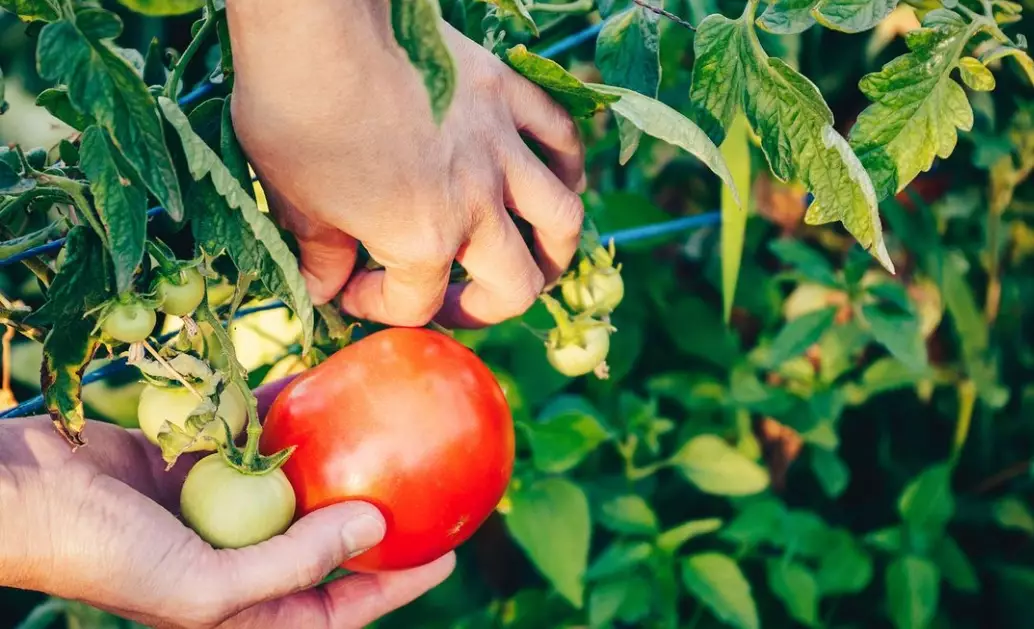
A tomato ready to leave the vine will come away with a gentle, twisting lift. If you have to tug or yank, it's not ready. The plant creates an abscission layer (a separation layer of cells) when the fruit is mature. Forcing it can damage the stem plug, creating an entry point for rot.
Pro Tip: Heard the "tap test"? Some say a ripe tomato sounds hollow. I find it inconsistent. Focus on color, feel, and smell first. The sound is a party trick, not a primary diagnostic tool.
When is the Best Time of Day to Harvest Tomatoes?
Morning, after the dew has dried but before the heat of the day kicks in. Aim for between 9 AM and 11 AM. Here's why:
The fruit is fully turgid (plump with water) from the night's uptake, making it less prone to bruising. The sugars are concentrated—the plant has been photosynthesizing all morning but hasn't yet started respiring heavily in the heat. The internal temperature is cooler, which means less stress and slower deterioration after picking.
Harvesting in the late afternoon or evening is the worst time. The fruit is dehydrated, warmer, and more stressed. That extra heat accelerates softening and can lead to a mealy texture.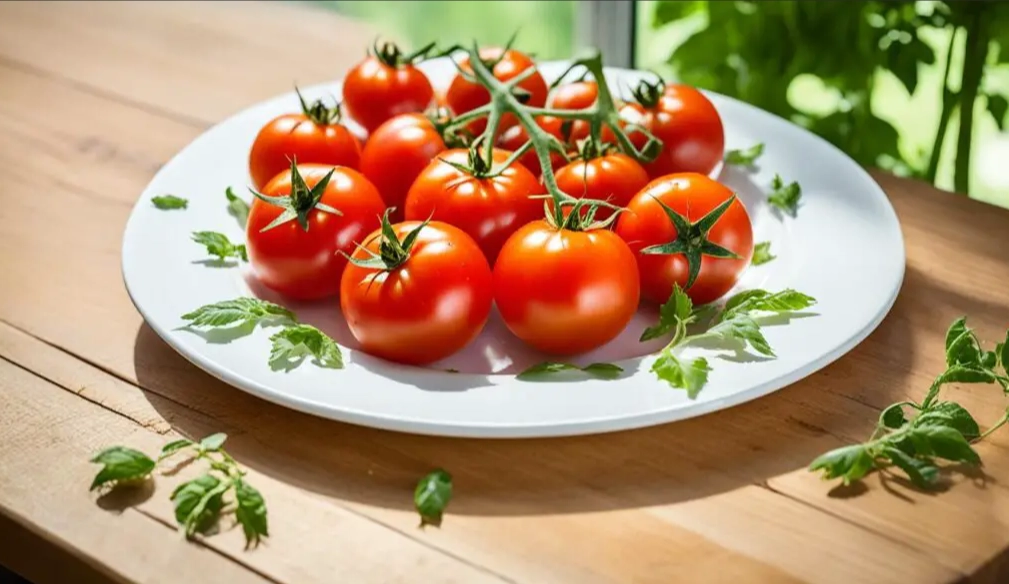
How to Pick Tomatoes Correctly: Technique Matters
Don't just pull. Use clean, sharp garden snips or pruners. Hold the tomato in one hand, and with the other, snip the stem about half an inch to an inch above the fruit's calyx (the green star-shaped cap). Leaving this "handle" protects the tomato's shoulder from bruising and slows moisture loss.
If you must twist by hand, cradle the fruit, push the stem upwards slightly where it connects to the vine, and twist gently. The goal is a clean break at the knuckle-like joint.
Avoid This: Never pull downwards. This often tears a chunk of the main stem or a neighboring branch, creating a wound that can invite disease into the entire plant.
Should You Ripen Tomatoes Indoors? A Strategic Guide
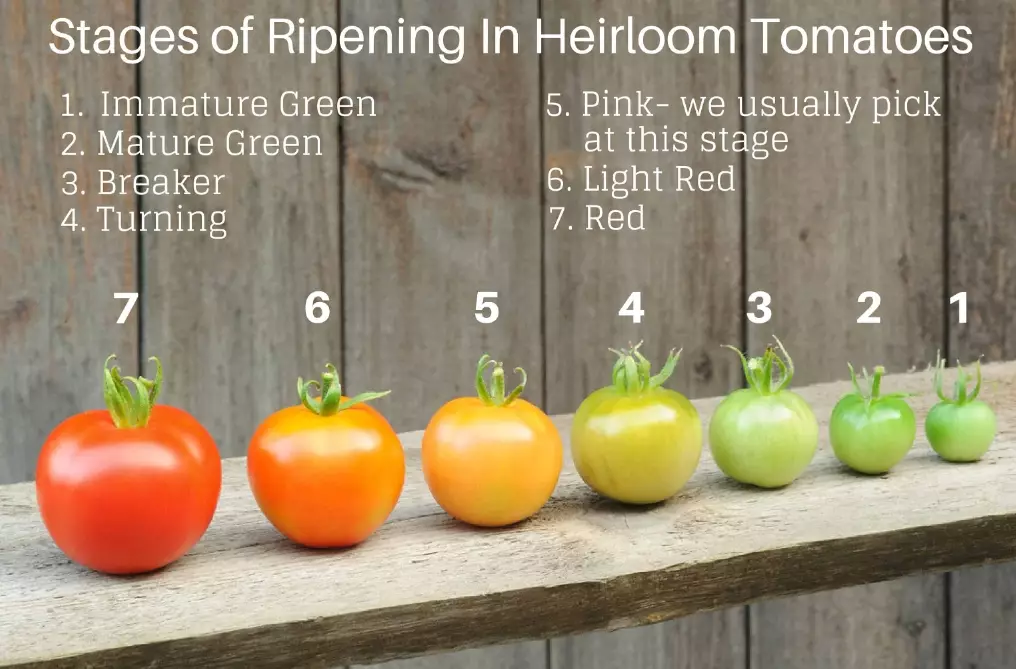
Absolutely. Harvesting at the "breaker stage"—when color first changes from green to its mature hue—is a smart strategy to beat pests, birds, and splitting from late-summer rains.
How to Ripen Picked Tomatoes Perfectly
Forget the sunny windowsill. Direct sun cooks tomatoes unevenly and can degrade flavor. Instead, place them stem-side down (to prevent moisture loss from the scar) in a single layer in a cardboard box or on a tray. Keep them at room temperature, around 65-70°F (18-21°C), in a dark or dimly lit place like a pantry.
The old banana-in-a-bag trick works because bananas release ethylene gas, a natural ripening hormone. You can speed things up by placing a ripe apple or banana in the box with your tomatoes. For slower, controlled ripening, keep them separate.
A common myth is that refrigerating tomatoes ruins them. It does halt ripening and can damage texture if done to ripe fruit. But for breaker-stage tomatoes you need to store for more than a week, the fridge is okay. Just let them come to room temperature fully before eating to restore some aroma.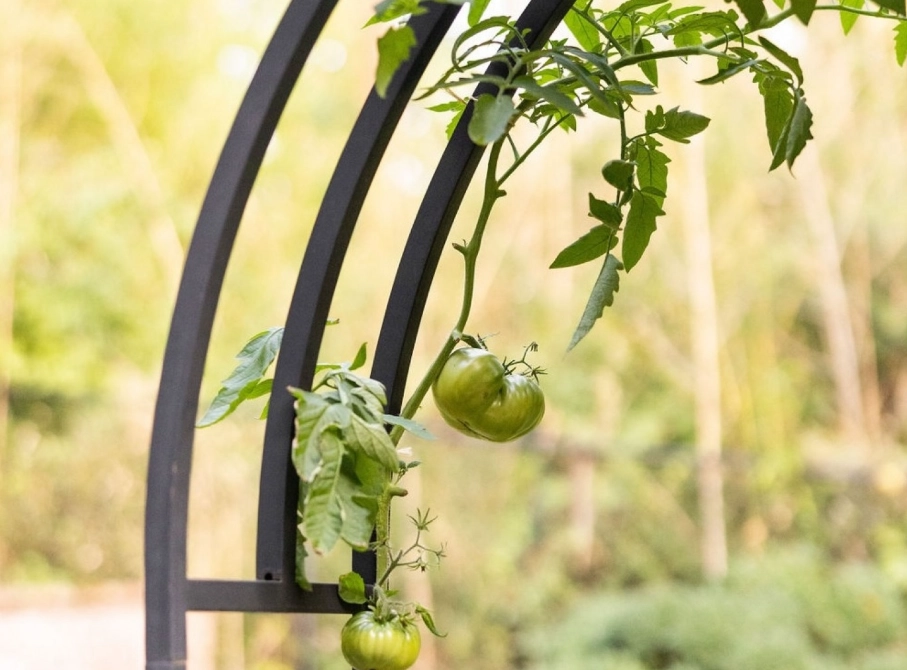
The 3 Most Common Tomato Harvesting Mistakes
Let's look at where most gardeners go wrong.
1. Waiting for Absolute Perfection on the Vine. This was my Brandywine error. Once a tomato starts to color, it's producing minimal new sugars. The risk of losing it to splitting, pests, or disease skyrockets. It's safer to pick at breaker stage and finish indoors.
2. Harvesting with the Calyx. That spiky green cap looks picturesque, but it often pokes and bruises other tomatoes in your harvest basket. Snip it off with the stem after picking if you're storing them together.
3. Ignoring the Weather Forecast. See a forecast for heavy rain or the season's first light frost? Harvest all your mature green and breaker tomatoes the day before. Rain causes splitting; frost kills the plant and ruins fruit texture.
Tomato Harvest FAQ: Your Real-World Questions
 Why are my ripe tomatoes bland and watery?
 The moment you decide to take a tomato off the vine is the culmination of a season's work. It's part science, part intuition. Trust the signs—the color your variety promises, the gentle give, the sweet scent at the stem. Don't be a perfectionist waiting for a magazine photoshoot on the plant; be a strategist who gets the fruit to your kitchen in perfect condition. Now, go check your garden. There's likely a tomato that's been waiting for you, right on time.
Reader Comments