Let's cut through the noise. You don't need a shed overflowing with gadgets to have a thriving garden. In fact, most of those impulse buys will gather rust in the corner. After helping dozens of friends start their first plots and refining my own toolkit over years, I've realized success hinges on a handful of truly essential gardening tools. Get these five right, and you can handle 90% of gardening tasks. Get them wrong, and you'll be fighting your equipment instead of enjoying the soil.
The biggest mistake I see? Buying cheap, flimsy versions of the core tools. A $5 trowel that bends on its first encounter with a stone is more expensive than a $20 one that lasts a decade. Quality over quantity, every single time.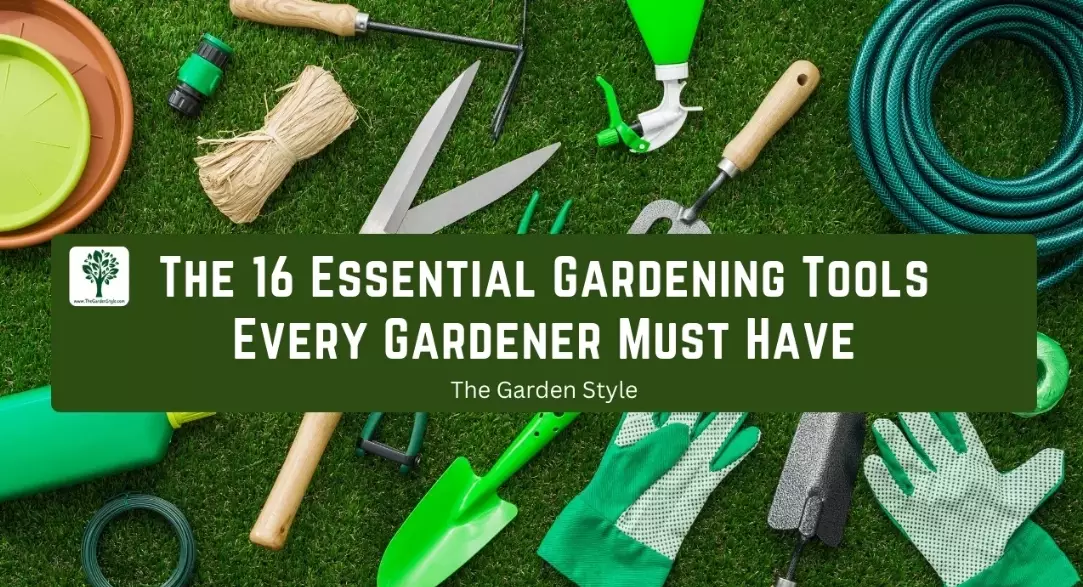
Your Quick Tool Guide
- The Hand Trowel: Your Gardening Swiss Army Knife
- Pruners (Secateurs): The Surgeon's Scalpel
- The Garden Fork: Your Soil's Best Friend
- The Hoe: For Weed Warfare and Soil Sculpting
- The Watering Can: Gentle Hydration
- Side-by-Side: The 5 Must-Have Tools
- How to Keep Your Tools Alive
- Common Tool Mistakes (And How to Avoid Them)
- Your Gardening Tool Questions, Answered
The Hand Trowel: Your Gardening Swiss Army Knife
If you only buy one tool, make it a great hand trowel. This is the tool you'll use for planting seedlings, digging small holes for bulbs, transplanting, weeding in tight spaces, and even mixing soil in pots. It's an extension of your hand.
How to Choose the Right Hand Trowel
Forget the colorful plastic ones. Look for a single piece of forged stainless steel or carbon steel for the blade and tang (the part that goes into the handle). A full tang is non-negotiable – it means the metal runs the full length of the handle, making it virtually unbreakable. The handle should be ergonomic, with a comfortable grip that fits your hand. I prefer rubberized or textured handles for a secure hold, even when wet.
Size matters. A blade around 6-7 inches long is versatile. Some have depth markings, which are surprisingly useful for planting bulbs at the correct depth.
My personal workhorse is a forged stainless steel trowel from a brand like Wilkinson Sword or Bulldog. The initial cost stings a bit, but mine is going strong after eight years of heavy use.
Pruners (Secateurs): The Surgeon's Scalpel
Clean cuts matter. Ragged tears from scissors or a blunt knife invite disease and pests into your plants. A good pair of bypass pruners (where two sharp blades pass by each other, like scissors) is essential for deadheading flowers, harvesting vegetables, trimming small branches, and shaping plants.
Bypass vs. Anvil: Which One?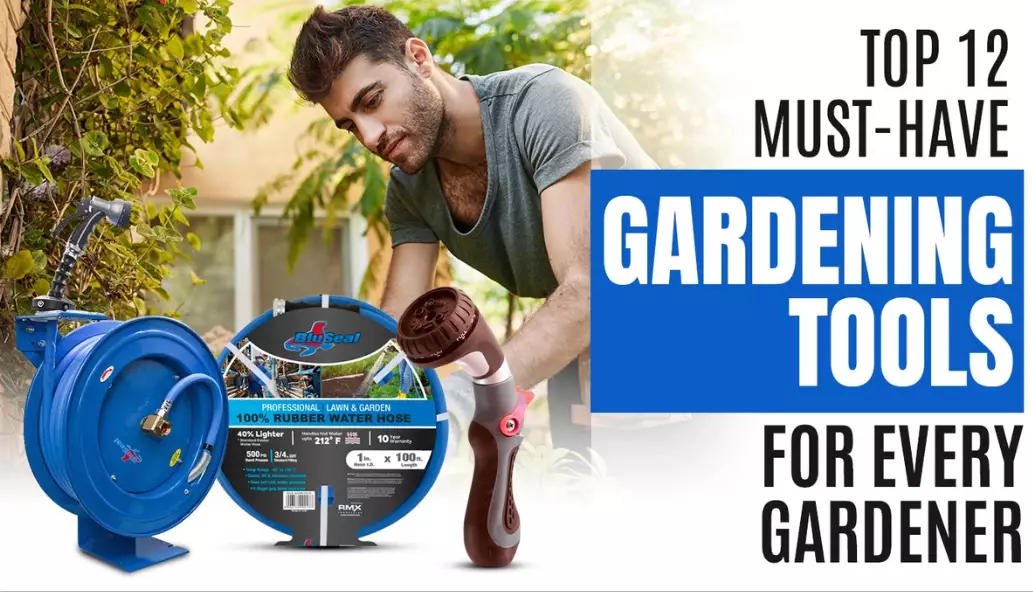
For live, green growth, you almost always want bypass pruners. They make clean cuts that heal quickly. Anvil pruners (where one sharp blade cuts down onto a flat metal surface) are better for dead, dry wood, as they can crush green stems. Start with a quality bypass model.
Look for replaceable blades, a comfortable grip, and a safety latch. The Felco F-2 is the industry gold standard for a reason – they're repairable and last forever. For a more budget-friendly but solid entry, Corona makes excellent options. Try them in your hand if you can; the fit is personal.
The Garden Fork: Your Soil's Best Friend
New gardeners often reach for a spade first, but a garden fork is far more useful for most tasks. Why? It's better for turning soil without completely destroying its structure, it's ideal for breaking up clumps, lifting and dividing perennials, harvesting root vegetables like potatoes, and aerating compost.
A digging fork has broad, flat tines. A border fork is slightly smaller and lighter, perfect for working in tighter spaces or if you have less upper body strength. I use my border fork ten times more often than my spade.
Again, seek forged steel and a solid connection to a sturdy handle (ash is traditional and excellent). The fork should feel balanced in your hands.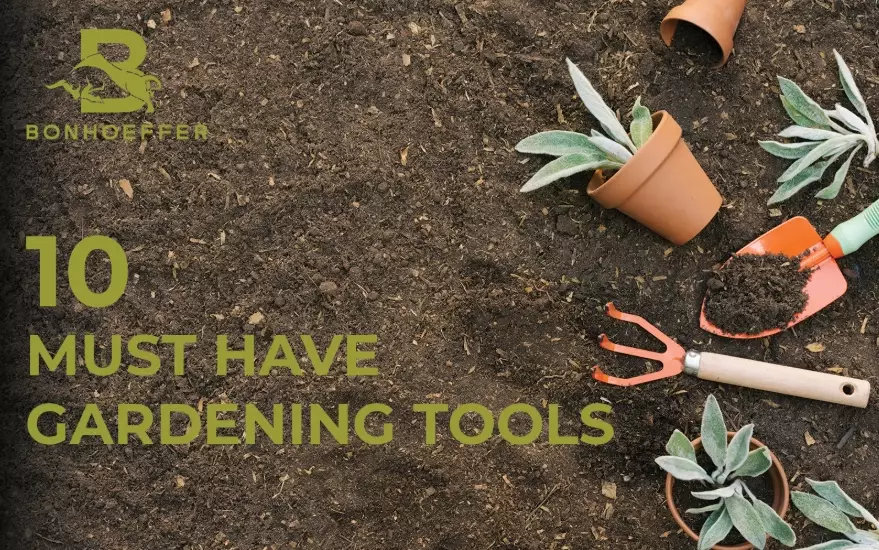
The Hoe: For Weed Warfare and Soil Sculpting
A hoe isn't just for weeds. It's for creating seed drills, hilling up soil around plants, and lightly cultivating the soil surface. The key is to use it little and often – a five-minute sweep every few days keeps weeds from ever establishing.
The Dutch Hoe: The Undisputed Champion
Forget the heavy American chopping hoe for most gardens. A Dutch hoe or "push hoe" is the tool you need. You push it just under the soil surface, slicing weed roots. It's efficient, requires less effort, and doesn't bring buried weed seeds to the surface. The blade is sharp on both sides and set at a shallow angle.
Keep it sharp. A dull hoe is a miserable tool to use. A few passes with a file every season makes all the difference.
The Watering Can: Gentle Hydration
Hoses are great for large areas, but a watering can offers control and gentleness that seedlings, container plants, and delicate transplants desperately need. The rose (the perforated attachment at the end) creates a soft, rain-like shower that doesn't wash away soil or damage plants.
Get one with a detachable rose. Sometimes you need a gentle shower, other times you need to pour water directly at the base of a plant. Capacity is a trade-off – a 2-gallon (9-liter) can is a good middle ground. It holds enough water to be useful but isn't back-breakingly heavy when full. Galvanized steel is durable and classic, but sturdy plastic is lighter and cheaper.
Pro tip: Fill your can and let it sit for an hour before watering tender plants. This allows chlorine to evaporate and brings the water to air temperature, preventing cold shock.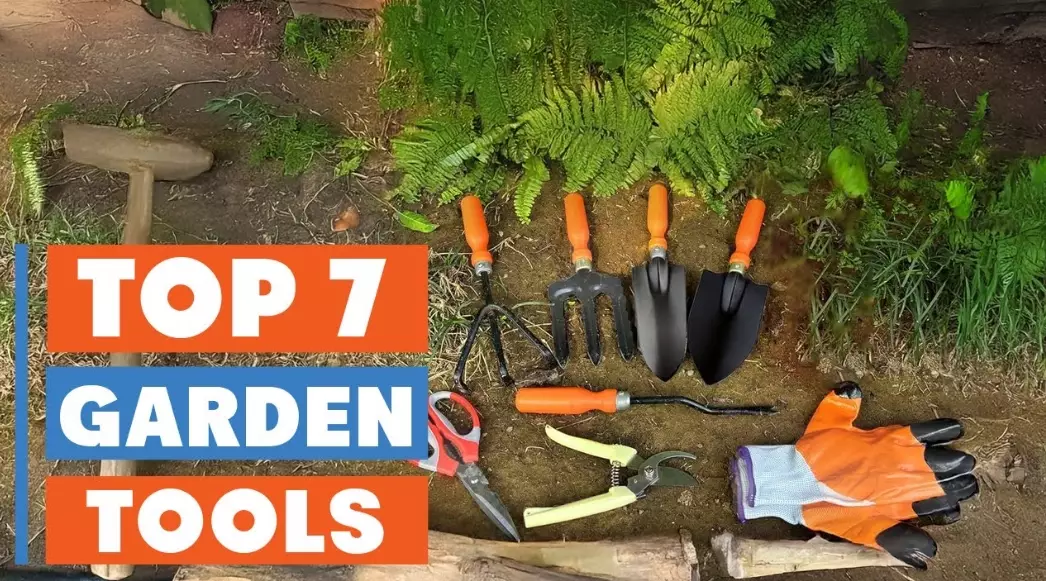
Side-by-Side: The 5 Must-Have Tools
| Tool | Primary Use | Key Features to Look For | Budget-Friendly Brand Example | Investment Brand Example |
|---|---|---|---|---|
| Hand Trowel | Planting, transplanting, weeding | Forged steel, full tang, ergonomic handle | Fiskars | Wilkinson Sword, Bulldog |
| Bypass Pruners | Pruning, deadheading, harvesting | Replaceable blades, comfortable grip, safety latch | Corona | Felco |
| Garden Fork | Turning soil, lifting plants, harvesting roots | Forged steel tines, sturdy handle (ash), balanced feel | Spear & Jackson | Burgon & Ball |
| Dutch Hoe | Weeding, cultivating, creating drills | Sharp, double-edged blade, shallow angle, long handle | Draper | DeWit |
| Watering Can | Watering seedlings & containers | Detachable rose, balanced capacity (~2 gal), comfortable handle | Haws (plastic) | Haws (galvanized) |
How to Keep Your Tools Alive
Buying good tools is half the battle. Maintaining them is the other half. A simple 5-minute routine after use saves money and frustration.
- Clean them: Knock off soil with a brush or putty knife. For stubborn mud, use water and a stiff brush. Dry them thoroughly.
- Sharpen them: A dull tool is dangerous and inefficient. Use a file or whetstone for hoes, pruner blades, and trowel edges once or twice a season. It's easier than you think.
- Prevent rust: Wipe carbon steel blades with an oily rag (vegetable oil works). Store tools in a dry place. A bucket of sharp sand mixed with a bit of motor oil is a classic DIY cleaner and rust preventative – just stab your tools into it a few times after cleaning.
- Wood care: Occasionally rub boiled linseed oil into wooden handles to prevent drying and cracking.
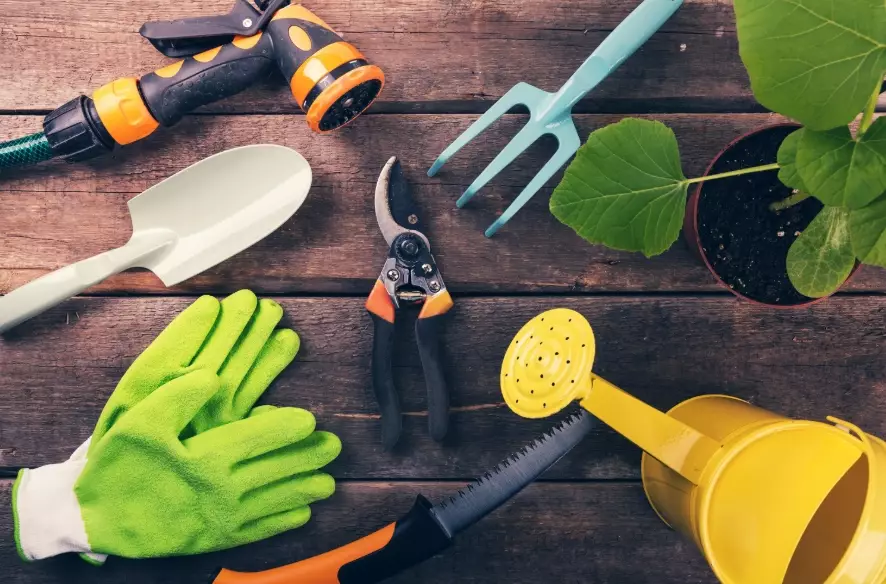
Common Tool Mistakes (And How to Avoid Them)
A Note from Experience
I used to think a "gardening knife" was a must-have. Bought a fancy one. Used it twice. It's now a glorified box opener. The trowel and pruners did its jobs better. Don't get sucked into niche tools until you've mastered the basics and have a specific, recurring need.
Here's where most people go wrong, based on conversations at my local community garden plot:
Buying a flimsy, all-in-one starter set. The trowel will bend, the pruners will go blunt instantly, and the fork will have a wobbly head. Invest individually in the core five.
Using the wrong tool for the job. Don't dig with a trowel (use the fork). Don't try to cut thick branches with pruners meant for stems (use a saw). It damages the tool and the plant.
Ignoring ergonomics. If you have wrist pain or a weak grip, look for tools with rotating handles or specially designed grips. Your body will thank you. Brands like Radius Garden specialize in ergonomic designs.
Leaving tools outside. Sun, rain, and soil are a tool's worst enemies. A simple rack in a garage or shed doubles their lifespan.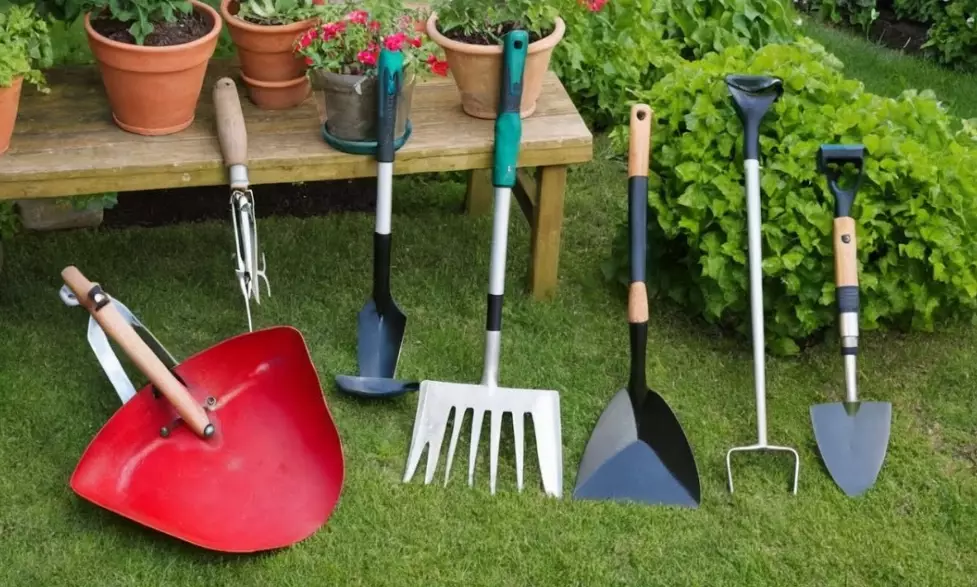
Your Gardening Tool Questions, Answered
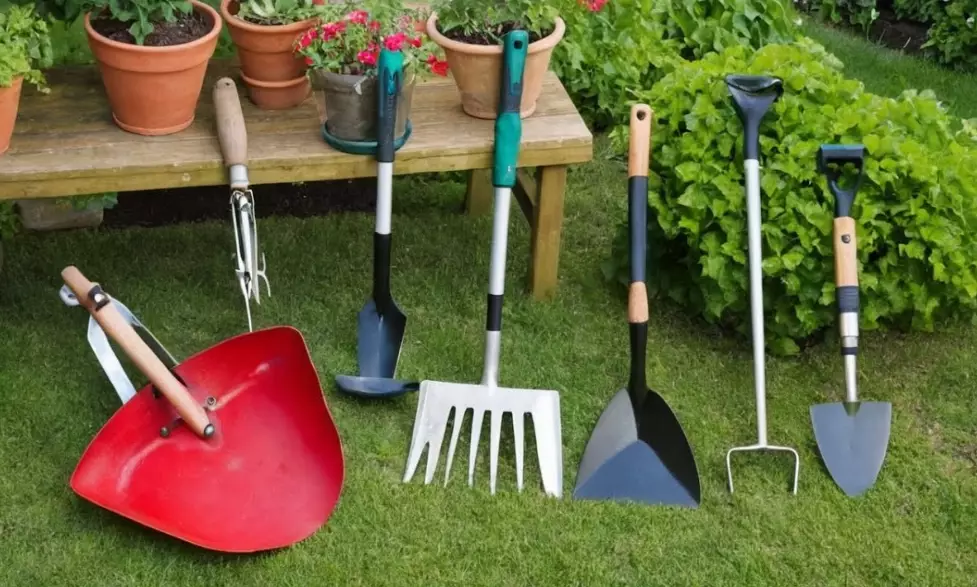 How do I organize all these tools in a small shed?
Starting with these five essential gardening tools gives you a solid, capable foundation. You'll be equipped to plant, nurture, and maintain your garden efficiently. Remember, it's not about having the most tools, but about having the right ones and taking care of them. Now, go get your hands dirty.
Reader Comments