Forget the chemical quick fixes. If you're looking for a way to build a lawn that's thick, green, and can handle a drought or a kid's football game, the answer is right under your nose—or rather, in your compost bin. Using compost for grass isn't just an "organic alternative"; it's the foundational practice that solves multiple lawn problems at once. I've seen too many people spend hundreds on fertilizers and pesticides, only to have thin, weak grass that needs constant watering. Let's change that.
What You'll Learn in This Guide
- Why Compost is the Secret to a Thriving Lawn
- What Kind of Compost is Best for Your Lawn?
- How to Apply Compost to Your Lawn: A Step-by-Step Guide
- When to Do It: The Lawn Compost Calendar
- Top 3 Mistakes People Make (And How to Avoid Them)
- Beyond the Basics: Pro Tips for Stubborn Lawns
- Your Top Compost for Grass Questions, Answered
Why Compost is the Secret to a Thriving Lawn
Think of your lawn's soil as a city. The grass roots are the citizens, and they need food, water, and air to live. Compacted, lifeless soil is like a city with blocked roads and no shops. Compost is the urban renewal project.
It works on a physical, chemical, and biological level.
Physically, it loosens tight clay soil, allowing roots to dive deep. For sandy soil, it acts like a sponge, holding onto water and nutrients that would otherwise wash straight through. This alone can cut your watering by a third in the summer. I had a client whose sprinkler bill dropped by 40% after two years of consistent compost topdressing.
Chemically, compost isn't a high-dose fertilizer. It's a slow-release nutrient buffet. It provides a balanced, gentle feed of nitrogen, phosphorus, and potassium, plus a full spectrum of micronutrients that bagged fertilizer often ignores. This means no more burnt grass from over-application and steady, sustained growth.
Biologically, this is the magic part. Compost inoculates your soil with billions of beneficial bacteria and fungi. These microbes break down thatch (the dead layer that stifles lawns), fight off disease-causing organisms, and help roots absorb nutrients more efficiently. A study from the University of California, Davis, highlights how compost amendments can suppress soil-borne turfgrass diseases.
What Kind of Compost is Best for Your Lawn?
Not all compost is created equal. The stuff you buy in a bag at the big-box store can be a crapshoot. I've opened bags that were still hot (actively decomposing) or full of woody chunks—both terrible for lawns.
You want finished, screened, and mature compost.
- Finished/Mature: It should be cool to the touch, smell earthy (not sour or ammoniac), and have a crumbly texture. Unfinished compost will steal nitrogen from your soil as it continues to break down, starving your grass.
- Screened: This means it's been passed through a mesh to remove large sticks and debris. You need a fine texture that can sift down to the soil surface.
Source Matters: Municipal compost (often made from yard waste) is usually excellent and affordable. Check with your local public works department. Composted manure (like cow or chicken) is nutrient-rich but must be very well-composted to avoid burning the grass. Homemade garden compost is ideal if you have enough.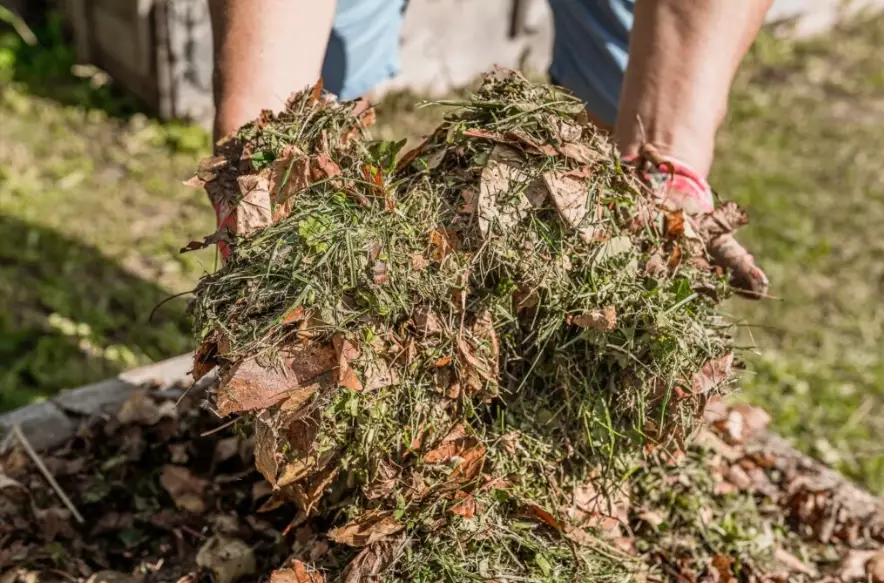
Here’s a quick comparison to help you choose:
| Compost Type | Best For | Watch Out For | Approx. Cost (per cubic yard) |
|---|---|---|---|
| Municipal/Yard Waste | General soil improvement, great texture. | Consistency can vary by batch. | $20 - $40 |
| Composted Cow Manure | Lawns needing a nutrient boost. | Must be fully aged. Can be salty. | $25 - $50 |
| Homemade Garden Compost | The ultimate, free, tailored amendment. | Ensuring it's fully finished and screened. | Free |
| Bagged Retail Compost | Small lawns, convenience. | Quality is inconsistent. Expensive for large areas. | $5 - $10 per bag |
How to Apply Compost to Your Lawn: A Step-by-Step Guide
This isn't complicated, but there's a right way. The process is called topdressing.
Step 1: Prep Your Lawn
Mow your grass slightly shorter than usual. If you have significant thatch (more than 1/2 inch), dethatch first. This gives the compost a clear path to the soil. Don't skip this if your lawn feels spongy.
Step 2: Calculate & Get Your Compost
You need about 1 cubic yard of compost for every 1,000 square feet of lawn. That's a layer roughly 1/4 to 1/2 inch thick. For a typical 5,000 sq ft suburban lawn, that's 5 cubic yards. It looks like a mountain when delivered, but it spreads out.
Step 3: The Spreading Technique
Dump small piles evenly across your lawn. Use a stiff rake or a lawn leveling rake (a game-changer) to spread it. The goal is to see about 50% of the grass blades poking through the compost layer. You're dressing the soil, burying the lawn.
Work it down into the turf. A helpful trick is to lightly go over the area with the backside of your rake. This gentle agitation helps the particles settle to the soil level.
Step 4: Water It In
Give the lawn a good, deep watering. This washes the compost off the grass blades and settles it into the thatch and soil contact zone. It also kick-starts the microbial activity.
When to Do It: The Lawn Compost Calendar
Timing is almost as important as technique. The best windows are when the grass is actively growing but not under extreme stress.
Early Fall (Late August - October): The absolute best time. The soil is warm, grass is growing vigorously to store energy for winter, and weeds are slowing down. The compost has all fall and winter to integrate.
Spring (April - May): The second-best window. It gives the lawn a nutrient boost for the growing season. Be careful not to do it too early on wet, cold soil, as you can compact it.
Avoid midsummer (heat stress) and late fall when the grass has gone dormant.
Top 3 Mistakes People Make (And How to Avoid Them)
I've coached enough homeowners to see patterns. Here’s where most go wrong.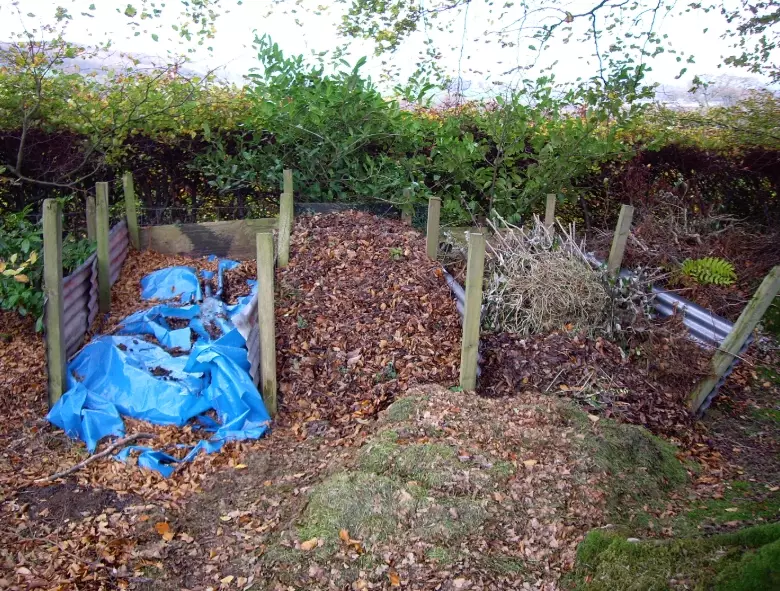
1. Using Unfinished Compost. This is the big one. If it's warm, smells funky, or you can still see recognizable food scraps, it's not ready. It will decompose in your lawn, creating heat and tying up nitrogen. Wait, or source better compost.
2. Applying Too Thick a Layer. More is not better. A layer thicker than 1/2 inch can smother the grass, especially finer-bladed types like fescue. If you have a lot of compost to use, do two lighter applications a few months apart.
3. Expecting Overnight Miracles. Compost for grass is a long-term soil builder, not an instant green-up product. You'll see improved color and resilience in a few weeks, but the major benefits—deep roots, drought tolerance, disease resistance—build over 2-3 years of annual topdressing. Be patient.
Beyond the Basics: Pro Tips for Stubborn Lawns
If your lawn is really struggling—compact soil, moss, or constant disease—pair compost with these techniques.
Core Aeration Before Topdressing: Rent a core aerator. It pulls out plugs of soil. Then, when you spread your compost, it fills those holes, getting the organic matter directly into the root zone. This is a powerhouse combo for compacted soil.
Compost Tea as a Quick Boost: Steep finished compost in water (like tea) for 24-48 hours with an air pump (to keep it aerobic). Strain it and spray it on your lawn. This isn't a substitute for topdressing, but it's a fantastic way to deliver a concentrated dose of beneficial microbes to fight disease or give a stressed lawn a quick pick-me-up.
Overseeding in the Fall: After you topdress, spread new grass seed. The compost provides the perfect moist, nutrient-rich seedbed for germination. This is how you fill in bare spots and introduce more resilient grass varieties.
Your Top Compost for Grass Questions, Answered
 My lawn has a lot of weeds. Will compost help or hurt?
Reader Comments