Growing green bean plants is one of the most rewarding projects for a home gardener. They're fast, productive, and the taste of a bean you picked minutes ago is nothing like the one from a store. But here's the thing most beginner guides don't tell you: it's easy to get a few beans, but to get a continuous, heavy harvest that lasts for weeks, you need to avoid a couple of subtle mistakes almost everyone makes. I've grown beans for over a decade, and I've made them all—from over-loving them with fertilizer to picking them at the wrong time. This guide cuts through the fluff and gives you the exact, actionable steps to turn a small patch of dirt into a bean factory.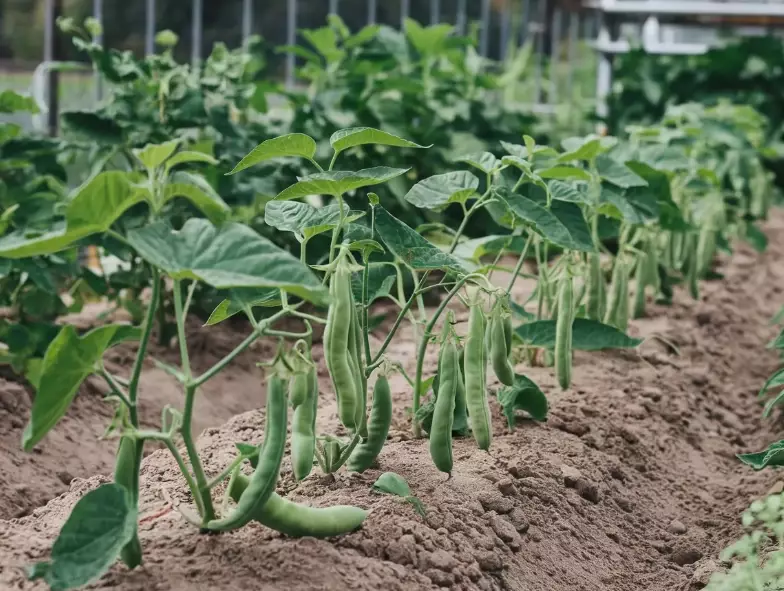
What's Inside: Your Bean Growing Roadmap
Why Grow Green Bean Plants?
Let's be real. Garden space is precious. Why dedicate a chunk of it to beans? First, they're a nitrogen-fixing powerhouse. They work with bacteria in the soil to pull nitrogen from the air, enriching your garden bed for future crops. You're essentially getting free fertilizer. Second, the yield-to-space ratio is fantastic. A few feet of pole beans can give you pounds of produce. Third, they grow incredibly fast. You can go from seed to your first harvest in as little as 50 days for some bush varieties. That instant gratification is hard to beat.
But the real reason? Flavor. A homegrown green bean is sweet, crisp, and snaps with a sound that store-bought beans lost days ago in transit. Once you taste that difference, it's hard to go back.
Choosing the Right Green Bean Variety
This is your first major decision, and it dictates your garden's layout and harvest style. The big split is between bush beans and pole beans.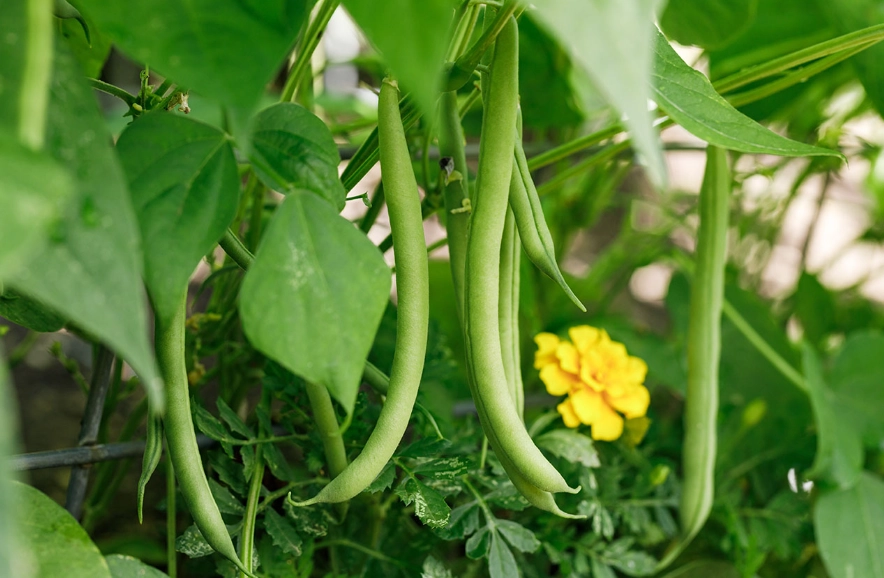
Bush Beans vs. Pole Beans: The Showdown
Most people pick bush beans because they seem easier—no trellis needed. But that's not always the smartest choice. Pole beans often produce more over a longer season in the same square footage because they grow vertically.
| Feature | Bush Beans | Pole Beans |
|---|---|---|
| Growth Habit | Grow about 1-2 ft tall, bushy, and stop growing. | Vines that climb 6-10 ft, need strong support. |
| Space Needed | More horizontal space. Plant in blocks or rows. | Vertical space. Perfect for small gardens or fences. |
| Harvest Period | Concentrated. Most pods ripen within a 2-3 week window. | Prolonged. Produce continuously until frost if picked regularly. |
| Yield per Plant | Lower individual yield, but you can plant many close together. | Higher yield per plant over time. |
| Best For | Gardeners who want a big batch for preserving all at once. | Gardeners who want fresh beans for the table all summer long. |
| Popular Varieties | 'Blue Lake 274', 'Provider', 'Contender' (great for cool soil). | 'Kentucky Wonder', 'Blue Lake' (pole type), 'Scarlet Runner' (edible & beautiful). |
My personal take? If you have any vertical space—a fence, a balcony railing, even a sunny wall—go for pole beans. The extended harvest saves you work and gives you a steady supply. I made the switch years ago and never looked back.
How to Plant Green Beans: A Step-by-Step Guide
Green beans are direct-sow champions. Starting them indoors is usually more trouble than it's worth because they hate having their roots disturbed. Follow this sequence.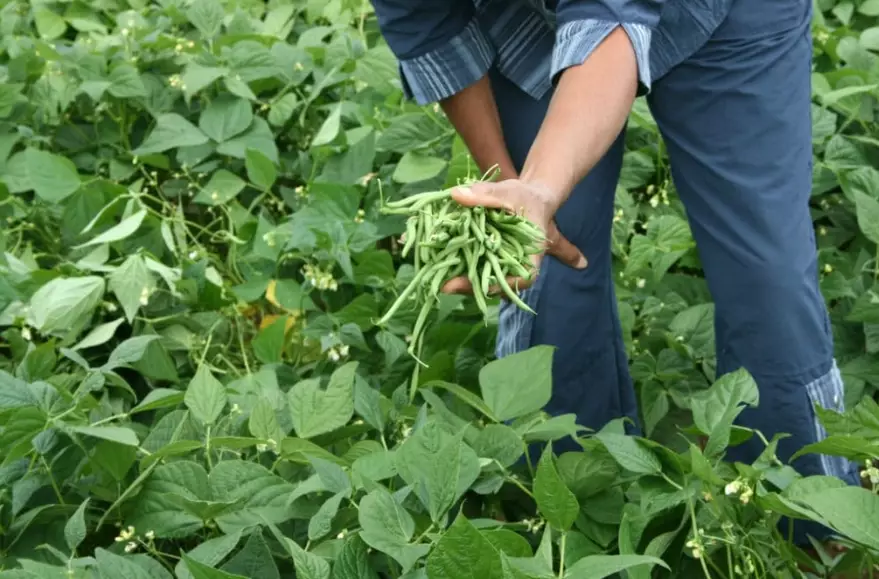
Site Selection and Soil Prep
They need full sun. At least 6-8 hours of direct light. Less, and you'll get lots of leaves but few beans. The soil should be well-draining. If your soil is heavy clay, raise your beds or add a lot of compost. Here's a pro tip: don't add nitrogen-rich fertilizer at planting time. Remember, they make their own. Too much nitrogen gives you a gorgeous, lush, green jungle... with hardly any beans. I learned this the hard way. Instead, work in some compost and a balanced, low-nitrogen organic fertilizer or just some USDA-recommended phosphorus and potassium to encourage flowering and fruiting.
Planting Seeds Directly
Wait until the soil is warm. This is critical. Plant when soil temperatures are reliably above 55°F (13°C), about 1-2 weeks after your last expected spring frost. Cold, wet soil will cause the seeds to rot. If you're impatient (like I am), you can warm the soil by covering it with black plastic for a week before planting.
- Planting Depth: 1 to 1.5 inches deep.
- Spacing for Bush Beans: Plant seeds 4-6 inches apart in rows 18-24 inches apart.
- Spacing for Pole Beans: Plant seeds 6-8 inches apart at the base of your trellis.
Water the seeds in well and keep the soil moist (not soggy) until they sprout, which takes 7-10 days. A common mistake is letting the soil crust over. A light layer of mulch after sprouting helps.
Setting Up Support for Pole Beans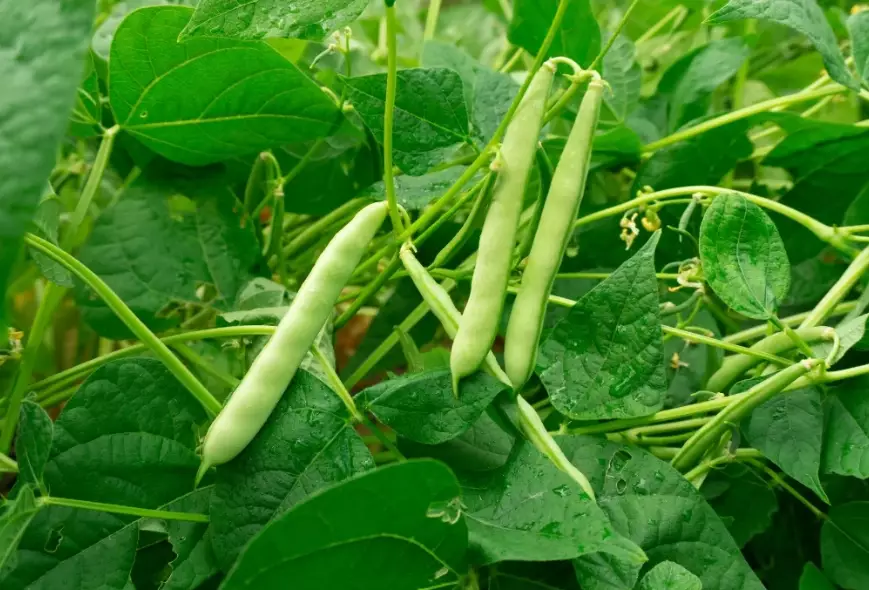
Install your trellis before planting. Don't wait until the vines are flopping everywhere. A simple A-frame made from bamboo poles or a cattle panel arched between two posts works perfectly. Avoid thin, single stakes—they won't handle the weight of a mature, windy plant. The Missouri Botanical Garden suggests using a sturdy, porous material that allows for good air circulation to prevent disease.
Caring for Your Green Bean Plants
Once they're up, beans are fairly low-maintenance, but a few key practices make all the difference.
Watering: This is the big one. Beans need consistent moisture, especially when flowering and producing pods. Aim for about 1 inch of water per week. Water at the soil level, not overhead, to keep the leaves dry and prevent fungal diseases like rust or powdery mildew. A soaker hose or drip irrigation is ideal. If you must water from above, do it in the morning so the foliage dries quickly.
Mulching: A 2-3 inch layer of straw or shredded leaves conserves moisture, suppresses weeds, and keeps the soil temperature even.
Fertilizing: As mentioned, go easy. If your plants look pale green or growth stalls mid-season, a side dressing of compost or a light application of a balanced, organic fertilizer can help. But often, they don't need it.
Weeding: Be gentle. Bean roots are shallow and easily damaged. Hand-pull weeds close to the plants.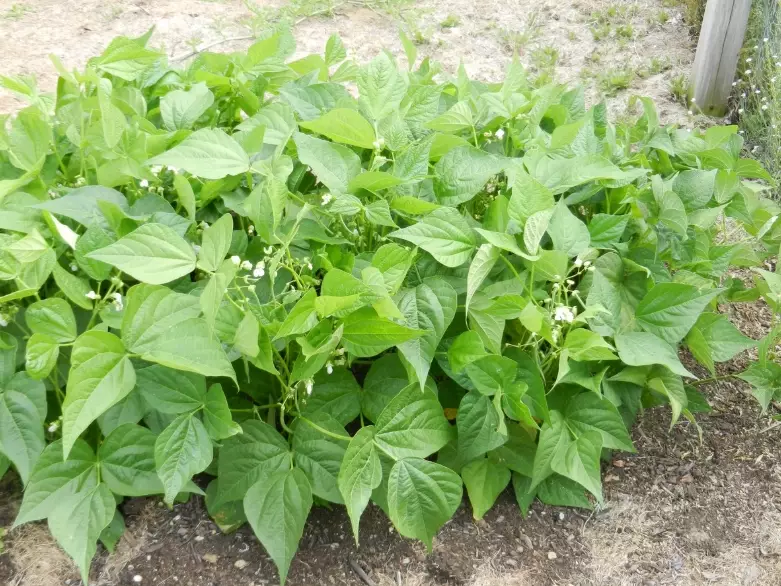
Harvesting Green Beans: When and How
Harvesting is where the magic happens, and where most people get it wrong. Picking too early or too late affects flavor and future production.
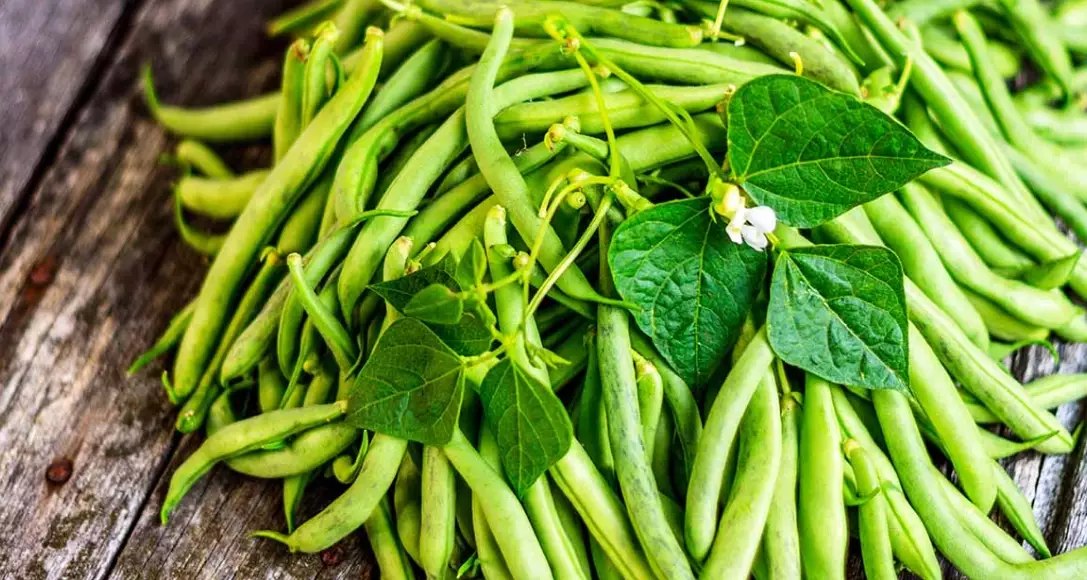
For standard "green" beans (snap beans), you want to pick them when the pods are firm, crisp, and about the diameter of a pencil. The seeds inside should be small and not bulging through the pod. The pod should snap cleanly in half when bent.
Here’s the non-consensus, critical rule: Harvest every other day during peak season. I mean it. If you let pods mature fully and develop large seeds, the plant gets the signal that its reproductive job is done and it will stop producing new flowers. By picking pods young and consistently, you trick the plant into thinking it hasn't succeeded yet, so it keeps flowering and producing more beans. This is the single biggest secret to a long harvest from pole beans.
Use two hands: one to hold the stem, the other to snap or snip the pod off. Pulling can uproot the whole plant. Harvest in the morning when sugar content is highest for the best flavor.
Common Green Bean Problems and Solutions
You'll likely face one of these. Being prepared is half the battle.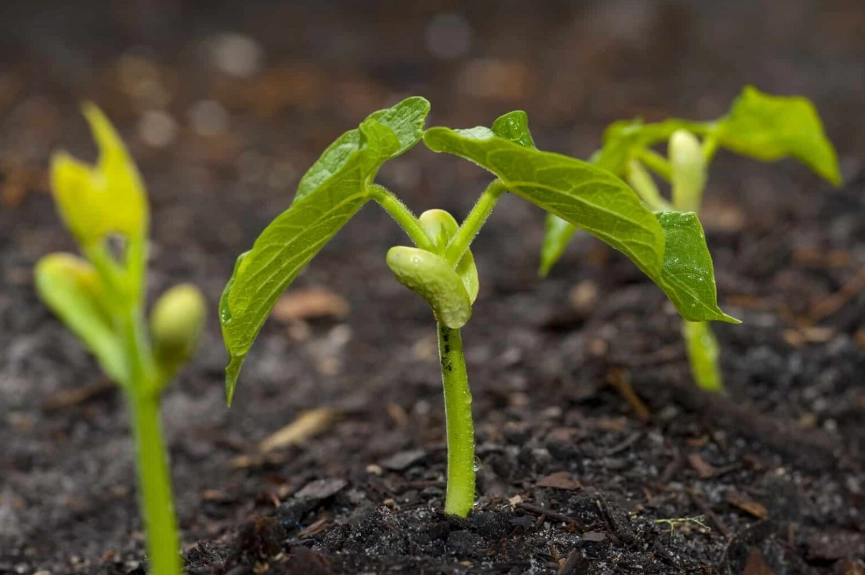
- Bean Beetles: These yellowish bugs with black spots are public enemy number one. They chew holes in leaves. The best defense is to check the undersides of leaves for their orange egg clusters and crush them. For heavy infestations, neem oil or spinosad sprays can help. Row covers early in the season prevent them from laying eggs.
- Deformed or Missing Pods: If flowers drop or pods are twisted, it's often a pollination issue caused by extreme heat (over 90°F) or lack of pollinators. Planting flowers nearby helps. Watering deeply during heat waves can also reduce flower drop.
- Rust or Powdery Mildew: Fungal diseases that show as colored spots or white powder on leaves. Improve air circulation, avoid overhead watering, and remove affected leaves. Plant resistant varieties like 'Roma II' or 'Kentucky Wonder'.
My neighbor once lost her entire crop to bean beetles because she didn't check early. By the time she saw the lacy leaves, it was too late. A five-minute walk through the plants twice a week is your best pest control.
Your Green Bean Questions Answered
 How do I save seeds from my green bean plants for next year?
Reader Comments