Let's talk about string beans. You know, those crisp, green pods that somehow taste a hundred times better from your own garden. If you've ever bought a sad, floppy bag from the grocery store and thought, "I could do better," you're absolutely right. Growing string beans is one of the most rewarding projects for a beginner gardener. They're fast, productive, and don't demand perfection. But to go from a handful of seeds to a basket overflowing with beans, there are a few things the seed packet won't tell you. I've been growing them for over a decade, and I've made every mistake so you don't have to. This guide cuts through the fluff and gives you the actionable steps for a bumper crop.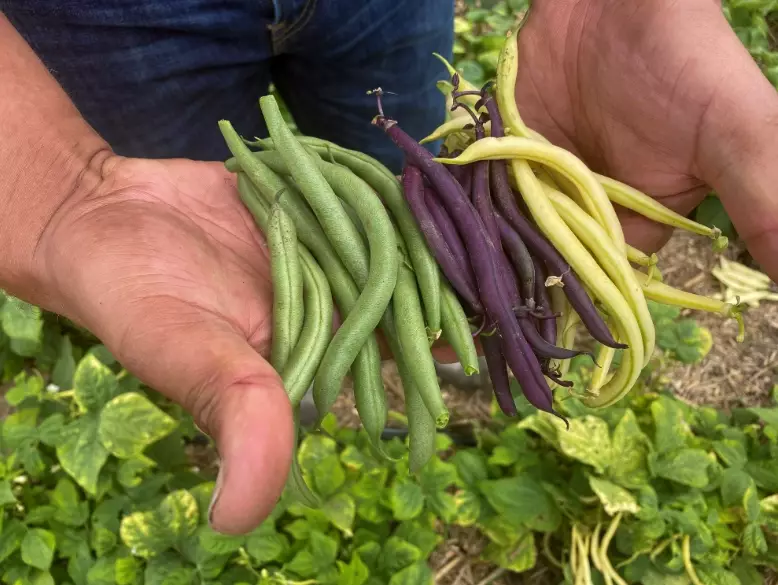
What You'll Learn in This Guide
- Why Bother Growing Your Own Beans?
- The Critical Step Most People Skip: Pre-Planting Prep
- How to Plant String Beans: Seeds vs. Seedlings
- Ongoing Care: Watering, Feeding, and the Support They Crave
- Dealing with Pests and Diseases (The Inevitable Part)
- How and When to Harvest for Maximum Flavor and Yield
- Your String Bean Growing Questions, Answered
Why Bother Growing Your Own Beans?
Beyond the obvious pride, homegrown beans are a different species compared to store-bought. The flavor is sweeter, the texture is snappier, and they're packed with nutrients picked at their peak. They're also incredibly space-efficient. A few plants in a container or a short row in a garden bed can keep a small family in beans for weeks. They fix nitrogen in the soil, which is a fancy way of saying they leave your garden bed richer than they found it. For the effort you put in, the payoff is huge.
The Critical Step Most People Skip: Pre-Planting Prep
Jumping straight to planting is the number one rookie error. The foundation matters.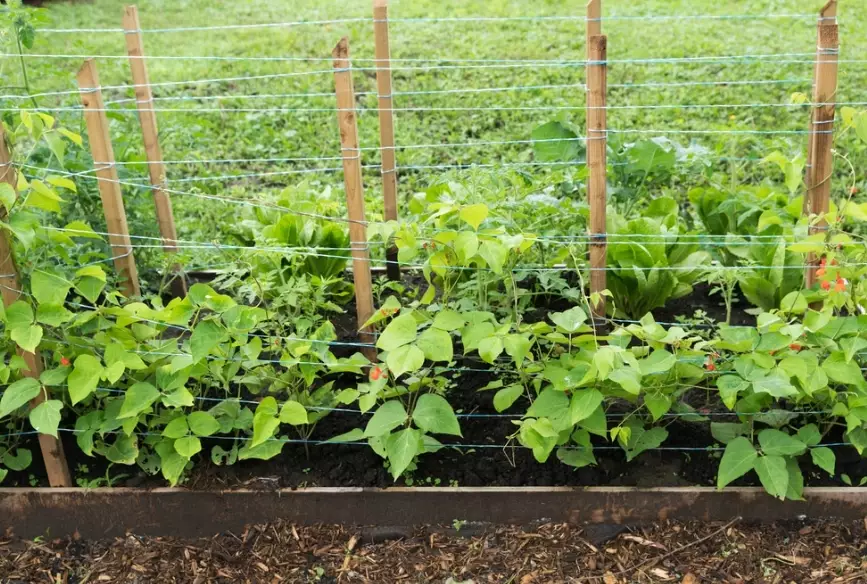
Choosing Your Bean Type: Bush vs. Pole
This isn't just a cosmetic choice; it dictates your garden's layout and harvest schedule.
Bush Beans are the easy-going option. They grow about 1-2 feet tall, don't need support, and produce all their beans in a concentrated period (usually 2-3 weeks). Perfect if you want a big batch for freezing or canning all at once, or if you have limited vertical space. My go-to for a reliable, no-fuss crop.
Pole Beans are the high-yield climbers. They need a trellis, fence, or poles (hence the name) and can grow 6-10 feet tall. The trade-off? They produce beans continuously from mid-summer until the first frost, giving you a steady supply for fresh eating. They use vertical space, which is great for small gardens.
Timing is Everything (And It's Not Just Spring)
String beans are warm-season crops. They hate cold soil. Planting too early means seeds rot, not sprout. The old rule is to plant after your last spring frost date when the soil is warm to the touch. For most regions, that's late spring. But here's the trick: you can do a succession planting. Sow a short row of bush beans every two weeks until about 8 weeks before your first expected fall frost. This staggers your harvest so you're not drowning in beans for just one week. I learned this after my first year of harvesting 10 pounds in three days.
Soil and Sun: Non-Negotiables
Beans aren't super picky, but they have two demands. First, full sun. At least 6-8 hours of direct sunlight. Less, and you get spindly plants and few beans. Second, well-draining soil. They can't stand "wet feet." Work in some compost or aged manure before planting. If your soil is heavy clay, consider raised beds. The ideal pH is slightly acidic to neutral (6.0-7.0). A simple soil test from your local extension office (like the one from the USDA) can give you the details.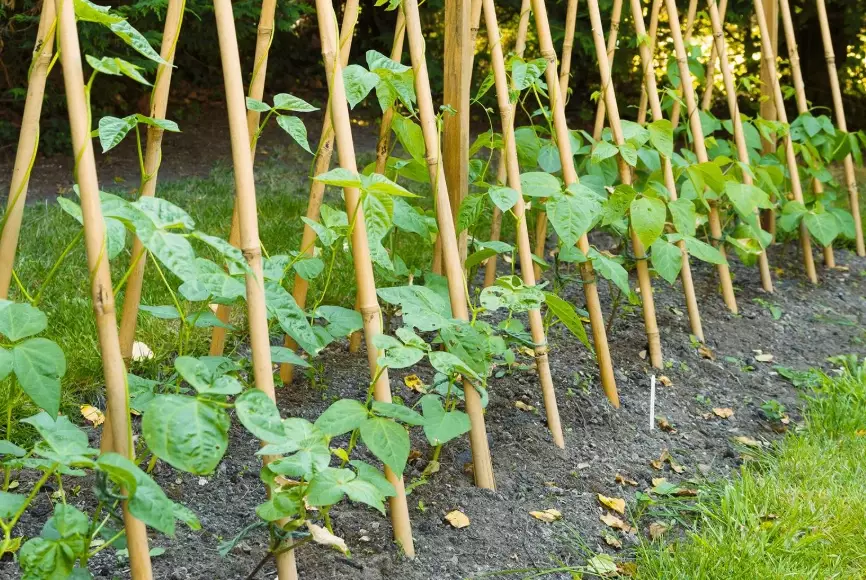
How to Plant String Beans: Seeds vs. Seedlings
Forget buying seedlings. Beans have fragile roots and transplant poorly. Direct sowing is the only way to go.
Wait for the soil to warm up. A good test: if it's comfortable for you to sit on, it's ready for beans.
- Depth: Plant seeds about 1 inch deep. Any deeper, and they struggle to surface.
- Spacing: For bush beans, plant seeds 3-4 inches apart in rows 18 inches apart. For pole beans, plant 4-6 inches apart at the base of your trellis.
- Watering In: Give them a good drink after planting, but don't flood the area. Keep the soil moist but not soggy until they sprout, which takes 7-10 days.
One quirky tip I swear by: plant the seeds with the "eye" (the little scar where it was attached to the pod) facing down. It gives the root a head start. Try it with half a row and see if you notice a difference.
Ongoing Care: Watering, Feeding, and the Support They Crave
Watering Wisdom
This is where most people mess up. Beans need consistent moisture, especially once they start flowering and producing pods. Inconsistent watering leads to blossom drop and misshapen beans. The goal is 1-1.5 inches of water per week. Water at the base of the plants in the morning so the foliage dries quickly, preventing disease. A soaker hose or drip irrigation is a game-changer here.
To Fertilize or Not?
Because they fix nitrogen, they don't need a high-nitrogen fertilizer (the first number on the bag, like 10-10-10). That will give you lush leaves and few beans. If you prepared your soil with compost, you might not need to feed at all. If plants look pale, a side dressing of compost or a balanced, organic fertilizer mid-season is plenty.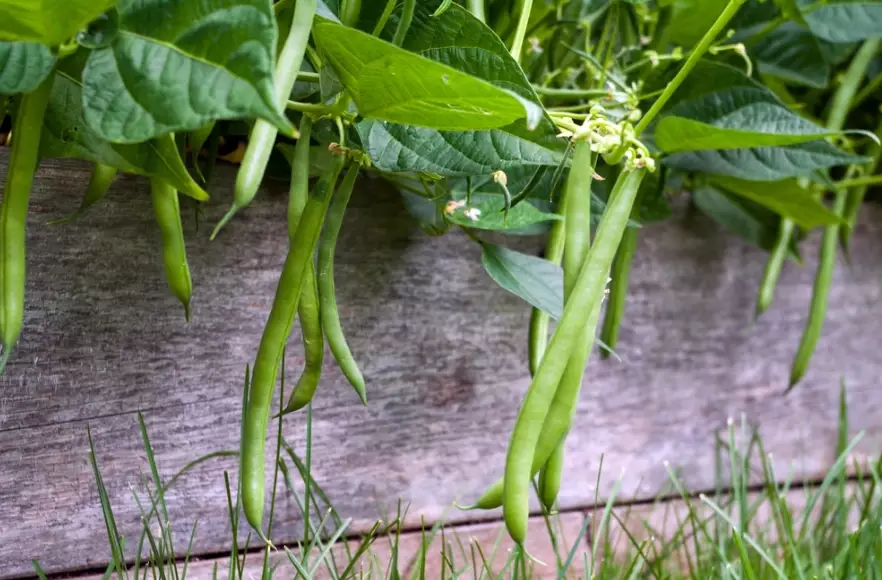
Setting Up Support for Pole Beans
Get your support in place before or right after planting. Don't wait until they're flopping over. Here are a few effective setups:
| Support Type | Best For | How-To & Notes |
|---|---|---|
| Simple Trellis | Garden beds, fences | Use metal or wooden stakes with garden netting or twine strung between them. Cheap and effective. |
| Teepee/Tripod | Decorative gardens, containers | Tie 3-6 long poles together at the top and splay the bottoms. Plant 2-3 seeds at the base of each pole. Kids love it. |
| Cattle Panel Arch | High yield, garden focal point | Bend a 16-foot cattle panel into an arch over a path. It's sturdy, lasts years, and creates a beautiful, productive tunnel. |
The vines will naturally twine clockwise. You can gently guide them when they're young, but they mostly figure it out.
Dealing with Pests and Diseases (The Inevitable Part)
You will have visitors. The key is early identification.
Mexican Bean Beetles: Look like yellow ladybugs with black spots. They and their spiky larvae skeletonize leaves. Hand-pick them early in the morning when they're sluggish. Neem oil can help with moderate infestations.
Aphids: Tiny green or black bugs clustered on new growth. A strong blast of water from the hose knocks most off. Encourage ladybugs and lacewings.
Diseases: Powdery mildew (white film on leaves) and rust (orange spots) are common, especially in humid weather. Prevention is your best weapon. Ensure good air circulation by not overcrowding plants, water at the base, and rotate your bean crop to a different spot each year. If you see it, remove affected leaves immediately.
My personal rule: if more than 1/3 of a plant is severely affected by disease, it's often better to pull it and protect the rest. It's a tough call, but it works.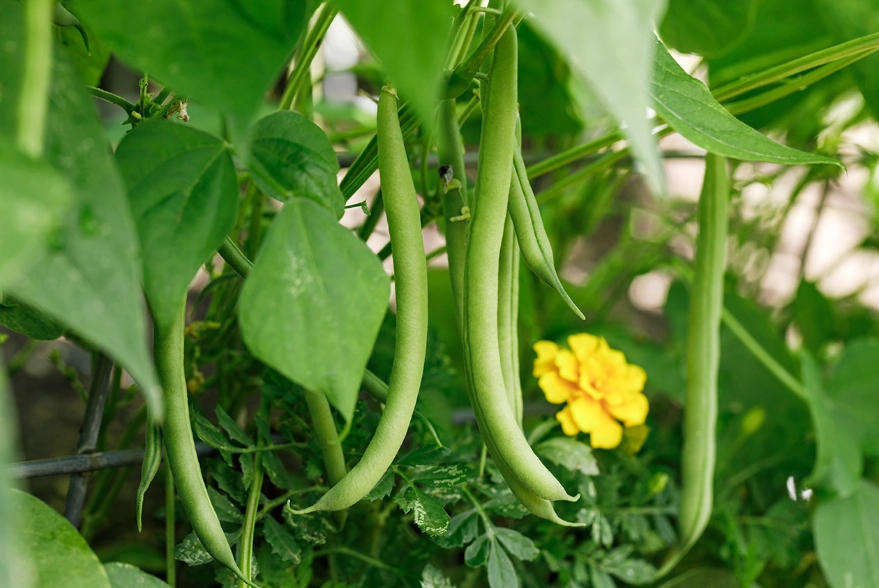
How and When to Harvest for Maximum Flavor and Yield
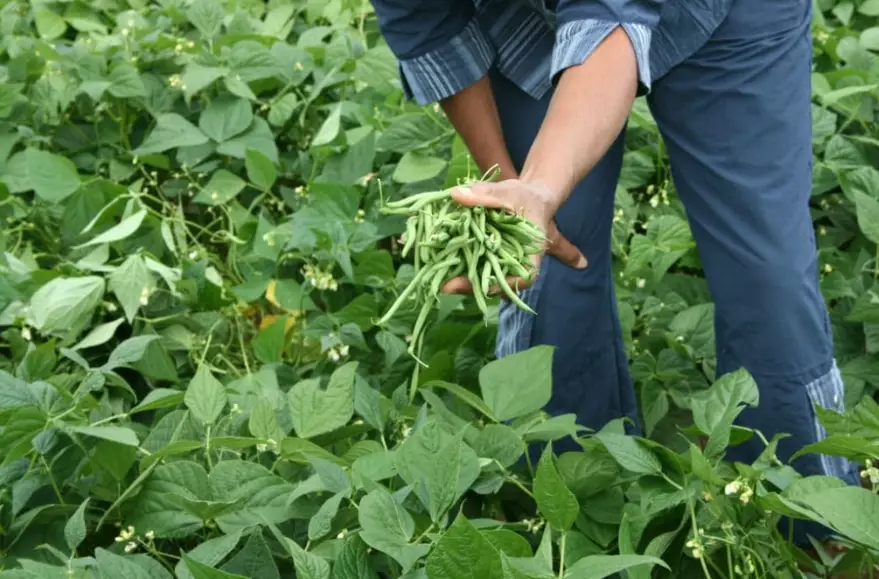
Harvesting is the best part. For most varieties, you're looking for pods that are firm, crisp, and about the thickness of a pencil, before the seeds inside bulge visibly. They should snap easily when bent.
Use two hands: one to hold the stem, the other to pinch or snip the pod off. Don't yank, or you might uproot the whole plant.
Here's the secret: the more you pick, the more they produce. If you let pods mature fully on the plant, it signals the plant to stop making new ones. Harvest bush beans every 2-3 days. Harvest pole beans every 3-5 days. It's a rhythm that pays off.
Fresh beans last about a week in the fridge in a breathable bag. For long-term storage, blanching and freezing is the way to go. They retain excellent texture and flavor.
Your String Bean Growing Questions, Answered
My bean leaves are curling and look distorted. What's wrong?
This is often a sign of aphids or, more seriously, a virus (like Bean Common Mosaic Virus). Check the undersides of leaves for tiny insects first. If it's aphids, hose them off. If there are no pests, and the plant is stunted, it's likely a virus. There's no cure. Remove and destroy the plant (don't compost it) to prevent spread. Always buy disease-resistant seeds from reputable sources to avoid this.
My beans are flowering but not producing any pods. Why?
This is frustrating. The top three culprits are: 1) Temperature: Extreme heat (above 90°F/32°C) can cause flowers to abort. They'll often set fruit when it cools down. 2) Over-fertilizing: Too much nitrogen gives you a beautiful, leafy bush with no fruit. 3) Lack of pollinators: While beans can self-pollinate, bees help. Plant some pollinator-friendly flowers nearby. Also, avoid overhead watering when in bloom, as it can wash away pollen.
 Should I soak my bean seeds before planting?
This is a hot debate. Soaking for 1-2 hours can speed up germination, especially if the soil is dry. Soaking for longer (like overnight) risks the seed splitting and rotting. I've done side-by-side tests, and the difference was minimal in warm, moist soil. I usually don't bother unless I'm trying to get a very late-season crop started quickly. The bigger priority is planting in warm soil.
Can I save seeds from my string beans for next year?
Absolutely, and it's very rewarding. Let a few of the healthiest pods on your best plant mature fully on the vine until they turn brown and dry. Pick them, shell the beans, and let the seeds dry completely indoors for another week or two. Store in a cool, dark, dry place in a paper envelope. Label them! Remember, if you're growing hybrid varieties (F1), saved seeds won't come true to type. Stick with heirloom or open-pollinated varieties for seed saving.
Reader Comments