I’ve been growing figs for over a decade, and let me tell you, it’s not as hard as people think. Most guides miss the subtle stuff—like why your fig tree might look healthy but never fruit. This article cuts through the noise. You’ll learn how to cultivate figs successfully, whether you’re in a warm climate or dealing with cooler winters. I’ll share mistakes I made early on, so you don’t have to.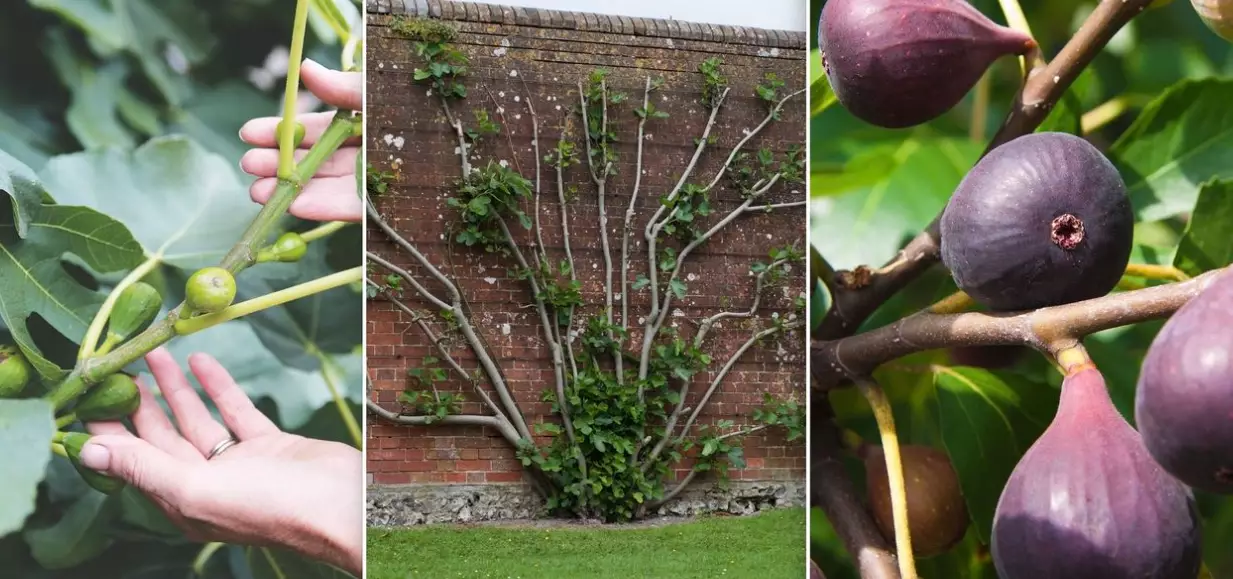
What You'll Learn in This Guide
Picking the Right Fig Variety for Your Garden
Start with the variety. This is where many beginners mess up—they grab any fig tree from the nursery without considering their local climate. Figs come in hundreds of types, but only a handful thrive in home gardens. I learned this the hard way when I planted a ‘Brown Turkey’ in a spot that got too much shade; it grew leaves but no fruit for two years.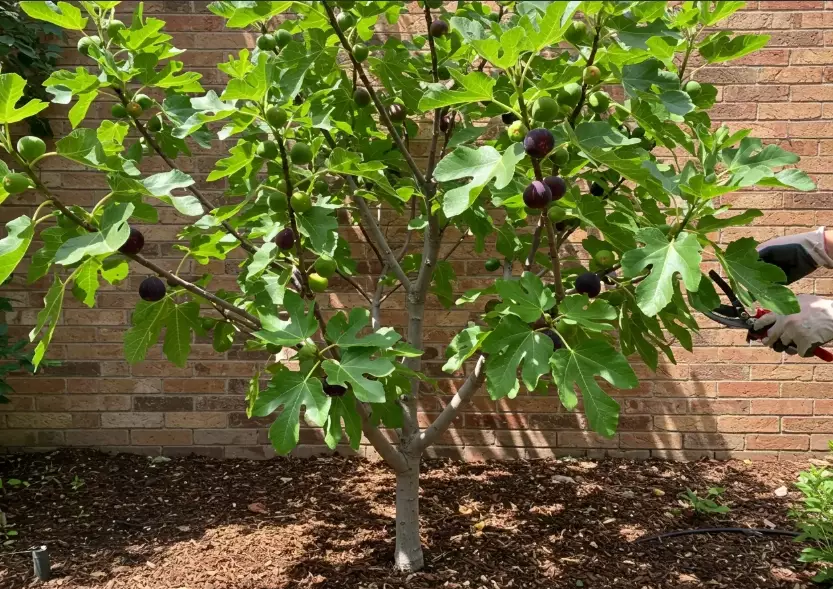
Here’s a quick breakdown of popular varieties based on my experience and reports from the University of California Agriculture and Natural Resources:
| Variety | Best For Climate | Fruit Characteristics | Notes from My Garden |
|---|---|---|---|
| Brown Turkey | Warm temperate zones (USDA zones 7-10) | Medium-sized, purple-brown skin, sweet flavor | Reliable but needs full sun; prone to splitting if overwatered. |
| Celeste | Colder regions (USDA zones 6-9) | Small, violet skin, very sweet and juicy | Great for containers; I’ve grown it in Ohio with winter protection. |
| Mission | Hot, dry areas (USDA zones 8-11) | Large, black skin, rich taste | Requires less water; my favorite for baking, but sensitive to frost. |
| Chicago Hardy | Cold climates (USDA zones 5-10) | Medium, purple skin, mild flavor | Survives freezing temps; I’ve seen it bounce back after -10°F winters. |
If you’re in a cooler area, go for ‘Chicago Hardy’ or ‘Celeste’. In warmer spots, ‘Brown Turkey’ or ‘Mission’ work well. Don’t just trust the label—ask local gardeners or check extension services for recommendations. I once ignored this and ended up with a tree that never ripened fruit because our season was too short.
Why Variety Matters More Than You Think
It’s not just about cold hardiness. Some figs need pollination by specific wasps, but most common varieties are self-pollinating. That’s a key detail often overlooked. For example, ‘Smyrna’ figs require pollination, while ‘Common Fig’ types don’t. Stick to self-pollinating ones unless you’re an expert.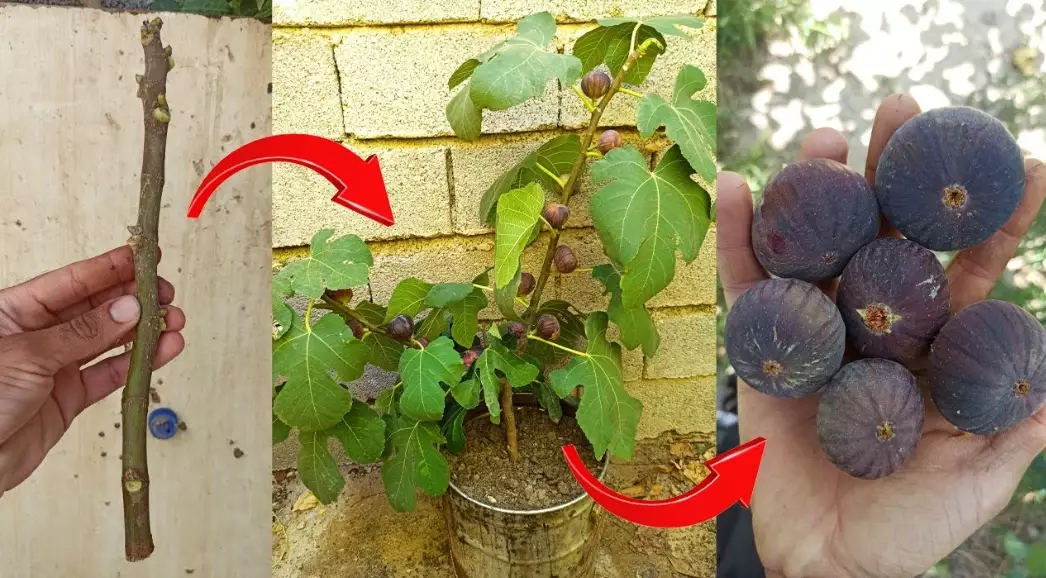
Finding the Perfect Spot and Preparing Soil
Location is everything. Figs love sun—at least 8 hours of direct sunlight daily. I’ve seen trees in partial shade survive but produce tiny, sour fruits. Soil matters too, but it’s forgiving. Figs tolerate various soils as long as drainage is good. Poor drainage kills more fig trees than anything else.
Here’s what to do:
- Sunlight: Pick a south-facing spot if possible. In my backyard, I moved a fig tree from the east side to the west, and fruit production doubled.
- Soil Type: Sandy loam is ideal, but clay works if you amend it. Add organic compost—I use about 2 parts soil to 1 part compost. Avoid heavy clay without improvement; roots can rot.
- Drainage: Test by digging a hole, filling it with water. If it drains in under an hour, you’re good. If not, raise the bed or add perlite.
- Space Figs can spread 10-15 feet wide. Plant at least 10 feet from structures or other trees. I made the mistake of crowding mine, and air circulation suffered, leading to mold.
For container growing, choose a pot at least 18 inches in diameter. Use a mix of potting soil and compost. I’ve kept a ‘Celeste’ in a container for 5 years—it fruits well but needs more frequent watering.
Step-by-Step Planting Process
Planting figs is straightforward, but timing and depth are critical. Spring is best, after the last frost. Fall works in mild climates. I’ll walk you through it based on my own trials.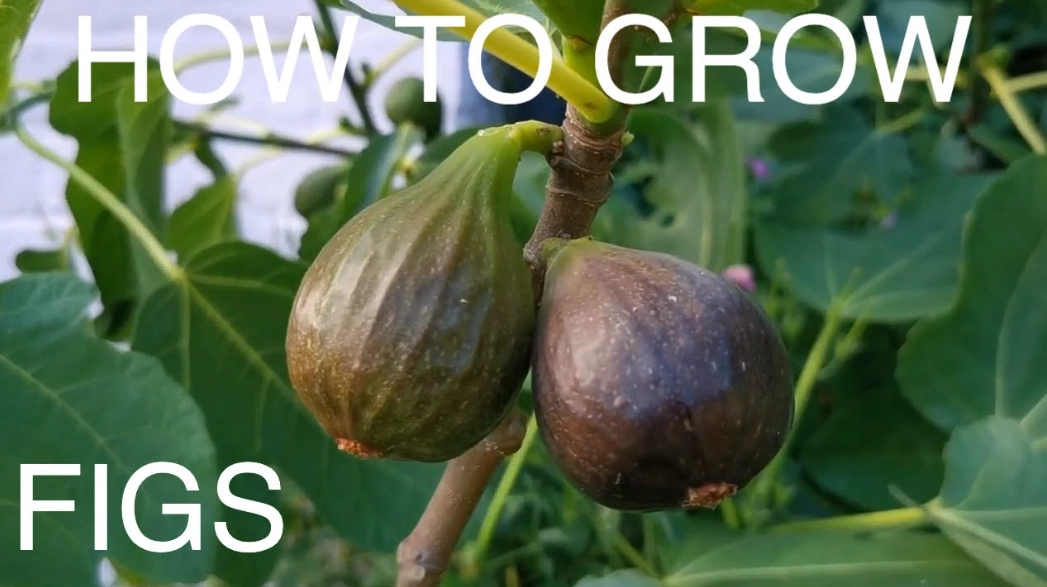
Step 1: Dig the Hole Make it twice as wide as the root ball, but no deeper. Figs have shallow roots, so planting too deep stresses the tree. I aim for a hole 2 feet wide and 1 foot deep for a young tree.
Step 2: Amend the Soil Mix the excavated soil with compost or aged manure—about a 50-50 ratio. If your soil is poor, add a handful of balanced fertilizer (like 10-10-10), but go light. Over-fertilizing at planting can burn roots.
Step 3: Position the Tree Place the fig tree so the root flare (where roots meet the trunk) is level with the soil surface. Backfill gently, firming the soil to remove air pockets. Water thoroughly—I use about 5 gallons per tree.
Step 4: Mulch and Protect Apply 3-4 inches of mulch (wood chips or straw) around the base, but keep it away from the trunk to prevent rot. In cold areas, consider wrapping the trunk with burlap in winter. I lost a young tree one year because I skipped this.
For container planting, use a similar process but ensure drainage holes are clear. Water until it runs out the bottom.
Ongoing Care: Watering, Feeding, and Pruning
Once planted, figs are low-maintenance, but neglect leads to problems. Here’s the routine I follow.
How to Water Fig Trees
Figs are drought-tolerant once established, but young trees need consistent moisture. Water deeply once a week during the growing season. In hot, dry spells, I water twice a week. Overwatering is a common error—it causes root rot and fruit splitting. Use a moisture meter or stick your finger 2 inches into the soil; if it’s dry, water.
For containers, check daily in summer. They dry out faster.
Feeding Your Fig Tree
Figs don’t need heavy feeding. I fertilize lightly in early spring with a balanced organic fertilizer. Too much nitrogen promotes leaf growth at the expense of fruit. Some years, I skip fertilizer altogether if the tree looks vigorous. A soil test every 2-3 years helps—I get mine done through the local extension office.
Pruning Fig Trees for Better Yield
Pruning is where most guides get vague. Figs fruit on new growth, so prune in late winter when dormant. Here’s my method:
- Remove dead or diseased branches first.
- Thin out crowded areas to improve air flow—I aim for an open center shape.
- Cut back long shoots by about one-third to encourage branching.
- For mature trees, remove up to 25% of old wood annually to stimulate new fruiting wood.
I once pruned too aggressively in spring, and it reduced that year’s harvest. Stick to late winter.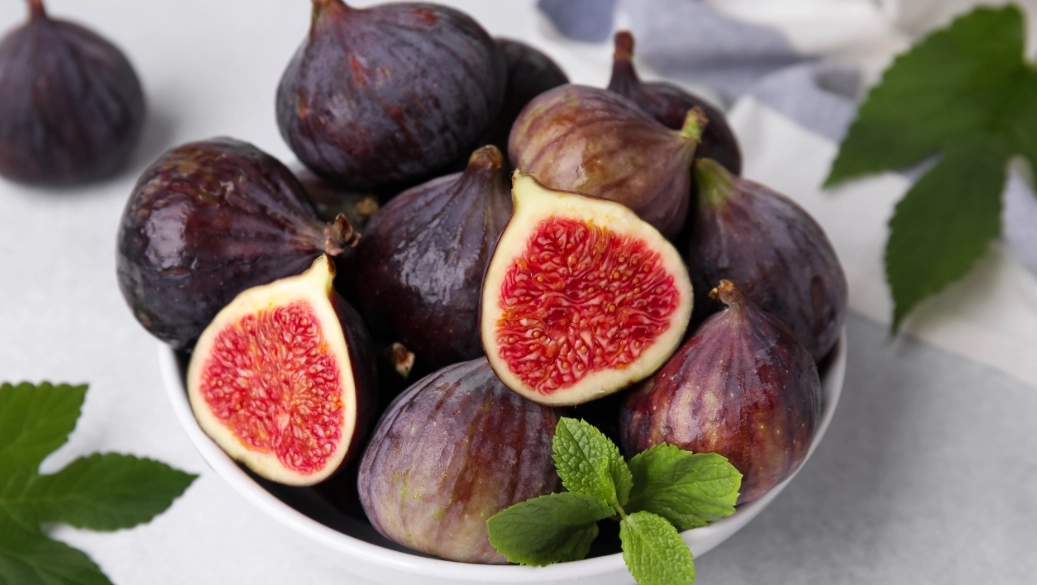
Dealing with Pests and Diseases
Figs are relatively pest-resistant, but issues pop up. Here are the main ones I’ve encountered.
Common Pests:
- Fig Beetles: These large insects eat ripe fruit. I use netting or pick fruits early. Pesticides aren’t effective for me.
- Scale Insects: Small bumps on stems. I scrub them off with a soft brush and soapy water.
- Birds: They love figs. Netting is the best solution—I drape it over the tree when fruits start coloring.
Diseases to Watch For:
- Fig Rust: Orange spots on leaves. It’s fungal, often from wet foliage. I improve air circulation and avoid overhead watering. In severe cases, I use a copper fungicide, but rarely.
- Root Rot: From overwatering. Symptoms include wilting leaves and stunted growth. Ensure good drainage—if it happens, reduce watering and consider replanting.
Prevention is key. Keep the area clean, remove fallen leaves, and don’t overwater. I’ve found that healthy trees resist pests better.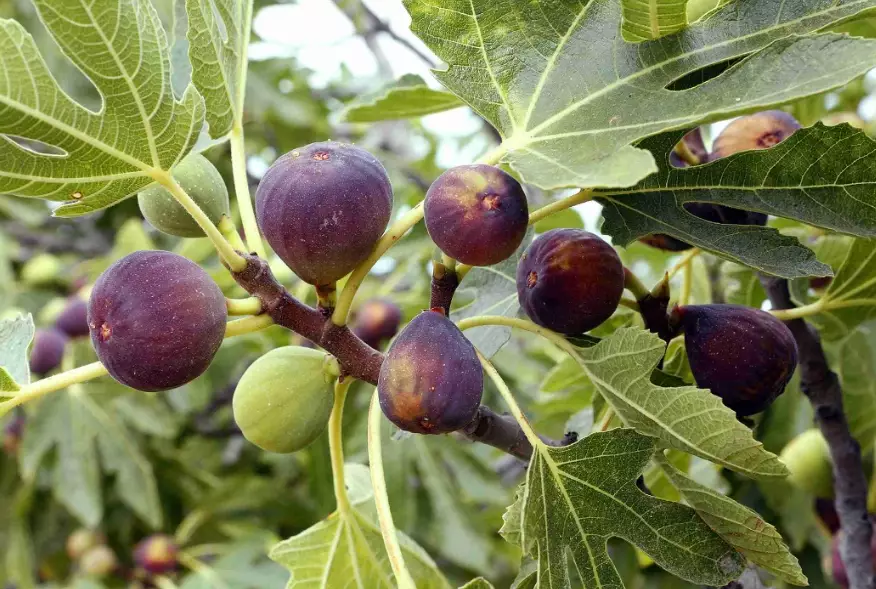
When and How to Harvest Figs
Harvesting is the reward. Figs don’t ripen off the tree, so timing is crucial. Here’s how to tell they’re ready:
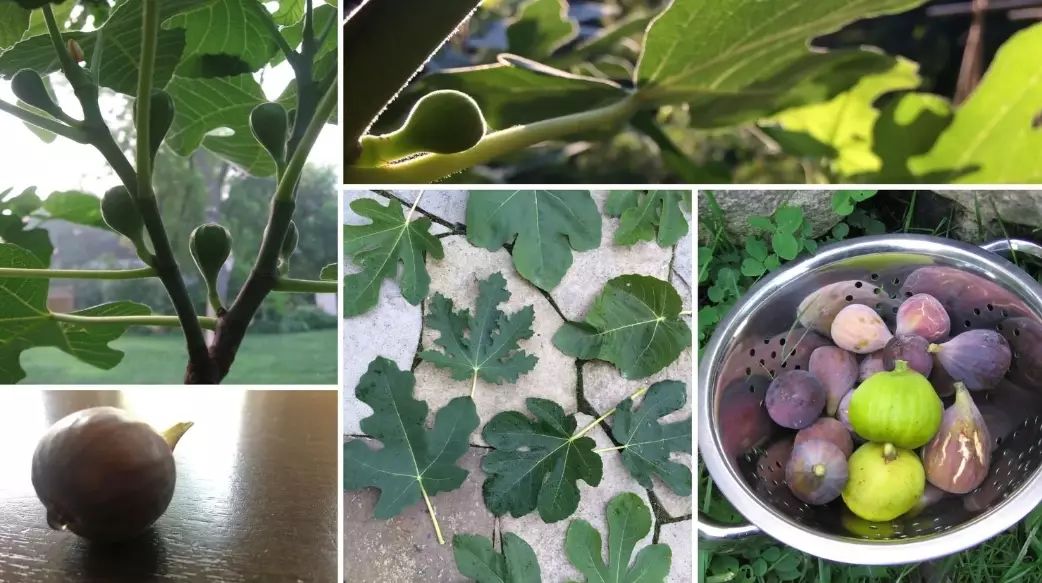
- The fruit softens and droops slightly on the stem. >Skin color deepens (varies by variety—e.g., ‘Brown Turkey’ turns purple-brown). >A drop of nectar may appear at the bottom.
Pick gently by twisting the fruit off. I harvest every 2-3 days in peak season. If birds are a problem, pick slightly early and let them ripen indoors for a day—they won’t be as sweet, but it works.
Storing Figs: Fresh figs last only a few days. I refrigerate them in a single layer, unwashed, for up to a week. For longer storage, dry them or make jam. Drying is simple: slice and use a dehydrator at 135°F for 12-18 hours. I’ve also frozen whole figs for baking.
Answers to Common Fig Growing Questions
 How do I prevent fig fruits from splitting open on the tree?
 Growing figs is a journey. Start with the right variety, give them sun and good drainage, and don’t overcomplicate the care. I’ve killed a tree or two along the way, but now I enjoy fresh figs every summer. If you hit a snag, reach out to local gardening groups—they’re full of practical advice you won’t find online.
Reader Comments