Starting spinach from seed isn't just cheaper than buying transplants—it's the secret to harvesting the crispiest, sweetest leaves you've ever tasted. Store-bought plants are often root-bound and stressed, leading to early bolting. When you control the process from day one, you get stronger plants, a longer harvest window, and varieties you'll never find at a garden center. I've grown spinach from seed for over a decade, and I still get a thrill seeing those first true leaves push through the soil. Let's get into the details so you can skip the common frustrations and go straight to success.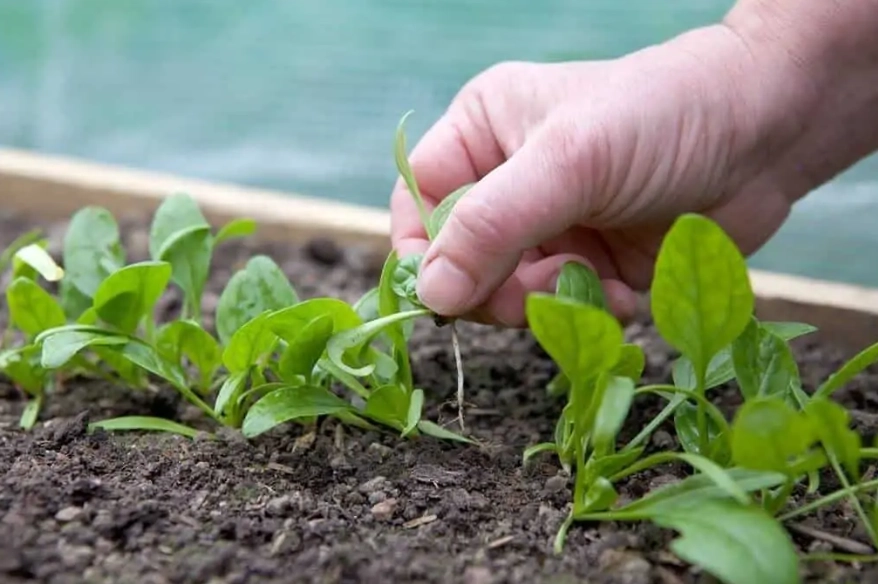
What’s Inside This Guide?
Why Start Spinach from Seed? (The Real Benefits)
Everyone talks about cost savings, but that's the least interesting reason. The real win is control and quality. Spinach has a taproot that hates being disturbed. Those six-packs of seedlings from the big-box store? Their roots are already circling the pot, causing transplant shock that triggers the plant to think, "I'm in trouble, time to flower and set seed!" This is bolting, and it ruins your harvest.
When you sow directly, the taproot grows straight down, anchoring the plant and accessing deeper water and nutrients. The result is a more resilient plant that focuses on leaf production, not survival. You also unlock heirloom and specialty varieties like 'Giant Winter' or 'Red Kitten' that have unique flavors and textures.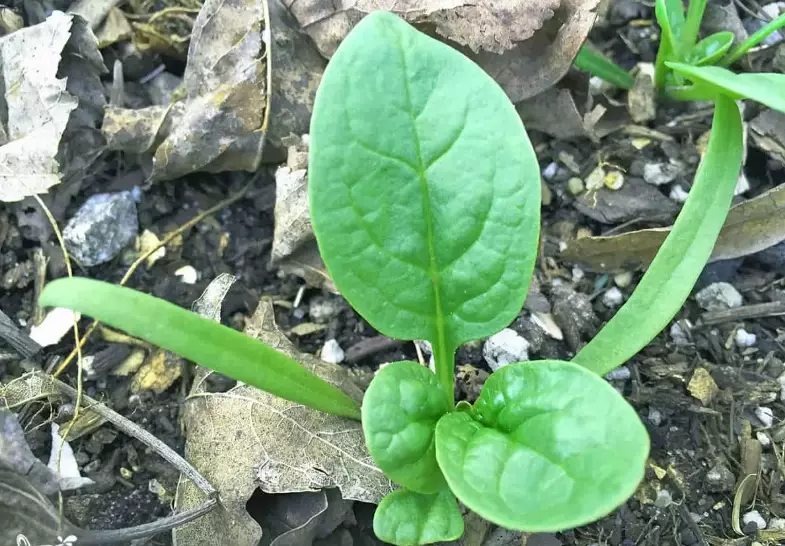
My first year, I bought transplants. They bolted in three weeks. The next season, I sowed seeds in cool soil. I harvested for two months. The difference wasn't just luck.
What You Must Know Before You Plant Your First Seed
Get this part wrong, and you're fighting an uphill battle. Spinach is a cool-season crop, period. It's not a suggestion; it's a requirement for tender leaves.
Timing is Everything: Your Planting Calendar
Forget the last frost date for tomatoes. Spinach needs cool soil to germinate and cool air to grow. The ideal soil temperature is between 45°F and 65°F (7°C - 18°C).
Here’s a simple schedule:
- Early Spring: Sow seeds 4-6 weeks BEFORE your last expected frost. As soon as the ground can be worked. Yes, that sometimes means sowing in mud. Spinach seeds don't mind.
- Late Summer/Fall: This is the secret for many gardeners. Sow seeds 6-8 weeks BEFORE your first expected fall frost. The soil is warm for quick germination, but the cooling days are perfect for growth. Fall spinach is often sweeter, as light frosts convert starches to sugars.
Location, Soil, and Choosing Your Variety
Spinach needs about 6 hours of sun, but in warmer climates, afternoon shade is a lifesaver. The soil should be rich, loose, and moisture-retentive but well-draining. Work in several inches of compost before planting. The pH should be neutral to slightly alkaline (6.5-7.5).
Choosing a variety isn't just about leaf shape. It's about matching the plant to your season.
| Variety | Leaf Type | Best For | Key Trait |
|---|---|---|---|
| Bloomsdale Long Standing | Savoyed (crinkly) | Spring & Fall | Classic heirloom, slow to bolt, excellent flavor. |
| Space | Smooth | Early Spring & Overwintering | Extremely cold-hardy, good for baby leaf production. |
| Tyee | Semi-Savoyed | Spring & Warm Climates | Hybrid with strong bolt resistance. |
| Red Kitten | Smooth with Red Stems | Fall & Container Gardening | Beautiful color, tender leaves, great for salads. |
I lean towards savoyed types for cooking—they hold up better—and smooth types for salads. 'Tyee' is my go-to if I'm pushing the season a little late in spring.
Step-by-Step: Planting Spinach Seeds for Success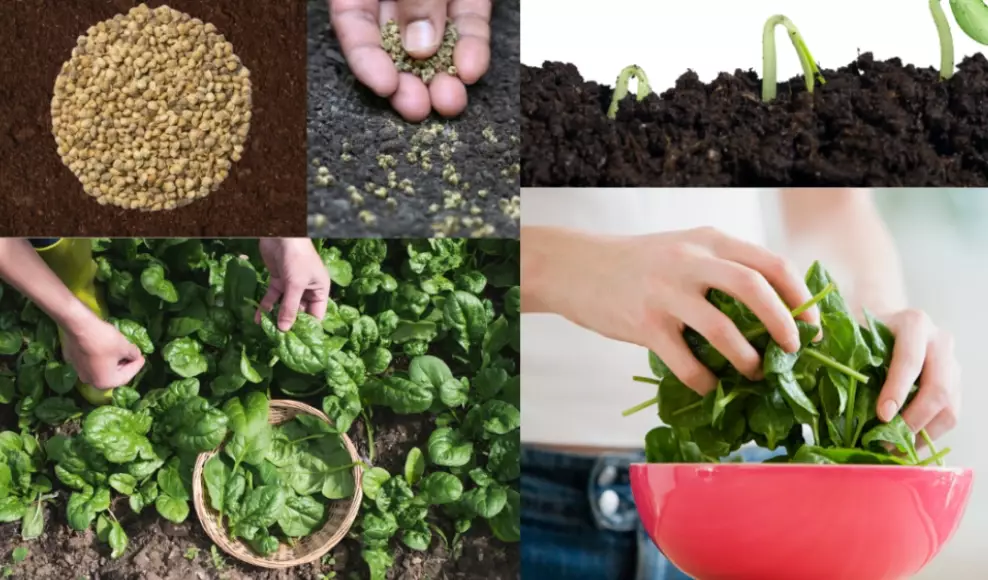
Let's walk through the actual planting. It's simple, but a few nuances matter.
Step 1: Prep the Bed. Rake the soil smooth, removing large clumps and stones. Water the bed lightly a day before sowing so the soil is moist but not soggy.
Step 2: Sow the Seeds. This is where most people mess up. Spinach seeds aren't tiny, but they don't need to be buried deep. Make shallow furrows about 1/2 inch (1.25 cm) deep. Space rows 12-18 inches apart. Drop seeds every inch or so along the furrow. You'll thin them later. Cover lightly with soil and pat down gently for good seed-to-soil contact.
Step 3: Water Gently. Use a fine mist or a watering can with a rose attachment. You don't want to wash the seeds away or create a hard crust on the soil.
Step 4: Germination Watch. Keep the soil consistently moist. This is critical. If the top 1/2 inch dries out, germination fails. In warm weather, I sometimes lay a damp burlap sack or a thin board over the row to retain moisture, checking daily for sprouts.
Step 5: The Crucial Thin. Once seedlings have 2-3 true leaves, thin them to stand 3-6 inches apart. This is painful but necessary. Crowded plants compete for light and nutrients, leading to weak, disease-prone growth. Snip the extras at soil level with scissors—don't pull and disturb the roots of the keepers. Those thinnings are your first, delicious microgreen harvest.
Spinach Troubleshooting: Fixing Bolting, Pests & Poor Growth
Things don't always go perfectly. Here's how to handle the big three issues.
Bolting: The #1 Spinach Killer
The plant sends up a central flower stalk, leaves turn bitter, and growth stops. It's triggered by long days (over 14 hours of daylight) and warm temperatures (over 75°F/24°C).
The Fix You Haven't Heard: Everyone says "plant early," but they miss the watering part. Consistent, deep watering keeps the plant's internal stress low. A drought-stressed plant in mild weather will still bolt. Mulch heavily with straw or shredded leaves to keep roots cool and soil moist. When you see a stalk forming, harvest the entire plant immediately—it's not going to get better.
Leaf Miners and Other Pests
Those squiggly white lines inside the leaves are leaf miner larvae. The adult is a small fly.
My method? Row covers. Immediately after sowing, I drape a lightweight floating row cover (like Agribon) over the bed, securing the edges with soil or pins. This physical barrier keeps the flies from laying eggs. It's 100% effective and also provides a little frost protection. For slugs, I use iron phosphate-based bait, which is safe for pets and wildlife.
Yellow Leaves and Slow Growth
Usually a nutrient issue. Spinach is a heavy feeder, especially for nitrogen. If leaves are pale, a side-dressing of a balanced organic fertilizer or blood meal can green them up quickly. Also check soil pH. Too acidic (below 6.5) locks up nutrients.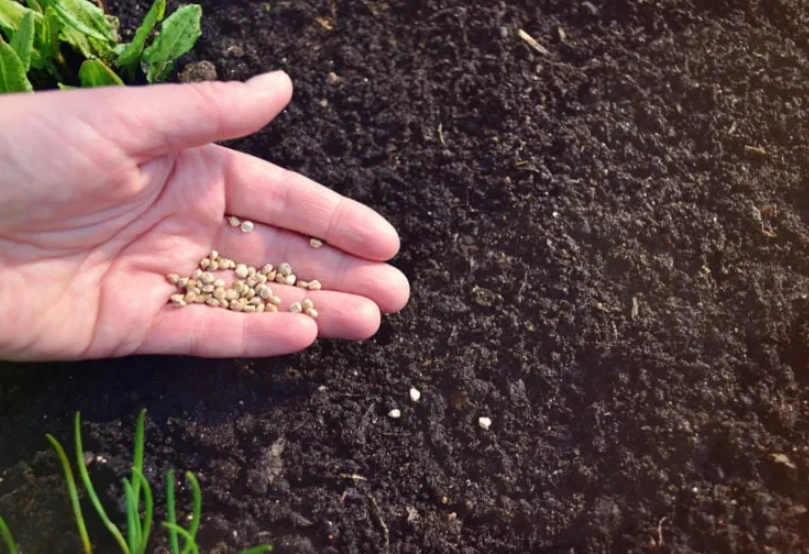
How and When to Harvest for Continuous Crops
You can start harvesting in about 40-50 days. Don't wait for a giant head like supermarket spinach.
The "Cut-and-Come-Again" Method: This is how you get months of harvest. When leaves are 3-6 inches long, use clean scissors to cut the larger outer leaves about an inch above the soil/base. Leave the small inner leaves and the growing point intact. The plant will produce a new flush of leaves. You can do this 3-4 times per plant.
Whole Plant Harvest: If the plant is starting to look crowded or you fear bolting, use a sharp knife to cut the entire plant just above the soil line. It won't regrow, but you get a full harvest.
Wash leaves in cold water, spin dry, and store in a plastic bag with a dry paper towel in the fridge. It keeps for a week. For longer storage, blanch and freeze—it's perfect for soups and stews later.
Your Spinach Questions, Answered
How deep do I REALLY need to plant spinach seeds?
Shallow is key. A half-inch is the maximum. In heavy clay soil, go even shallower—a quarter-inch. The seed has limited energy to push to the surface. If it's too deep, it exhausts itself and dies before ever seeing the sun. I simply press seeds into firm, moist soil and sprinkle a light sifting of compost over the top.
Can I grow spinach from seed in containers?
Absolutely, and it's a great option. Use a pot at least 8-10 inches deep for the taproot. Ensure it has excellent drainage. Use a high-quality potting mix, not garden soil. Sow seeds a little more densely and be extra vigilant about watering—containers dry out fast. A shallow window box is perfect for a continual baby leaf harvest.
 My spinach always bolts before I get a good harvest. What am I doing wrong?
You're likely planting too late in spring. The most common mistake is waiting for the soil to "warm up" like you would for beans. By the time the air is pleasant for you, it's already too warm for spinach. Try this: mark your calendar for a fall planting. Sow seeds in late summer. The decreasing daylight and cooler temperatures almost guarantee a sweet, bolt-free crop. It changed the game for me.
Why are my homegrown spinach leaves sometimes bitter?
Bitterness comes from stress—heat, drought, or the plant beginning to bolt. Harvest in the cool morning, not the heat of the afternoon. A light frost or even a chill in the fridge can reduce bitterness. If leaves are mature and taste strong, they're better suited for cooking (sautéing, adding to quiche) where the flavor mellows, rather than eating raw in a salad.
Is it worth trying to grow spinach from seed over the winter?
Yes, with the right variety and protection. In many climates, you can sow a cold-hardy variety like 'Space' or 'Giant Winter' in early fall. It will establish small plants before winter dormancy. Under a simple cold frame or tunnel, it will survive freezing temperatures. In early spring, while you're waiting to plant your new seeds, those overwintered plants will explode with the earliest, sweetest harvest imaginable. It requires some setup but is immensely rewarding.
Reader Comments