Let's be honest. Sowing seeds can feel like a gamble. You put these tiny, lifeless-looking specks into the dirt, add water, and hope. Sometimes it works. Often, especially when you're starting out, you get a row of bare soil and a sinking feeling. I've been there. I've sown carrot seeds so deep they're probably still trying to reach China. But after years of trial, error, and a lot of dead seedlings, I've learned that successful sowing isn't magic. It's a predictable process governed by a few simple, often overlooked rules. This guide will strip away the mystery and give you the exact steps, timing, and fixes you need to go from seed packet to thriving plants.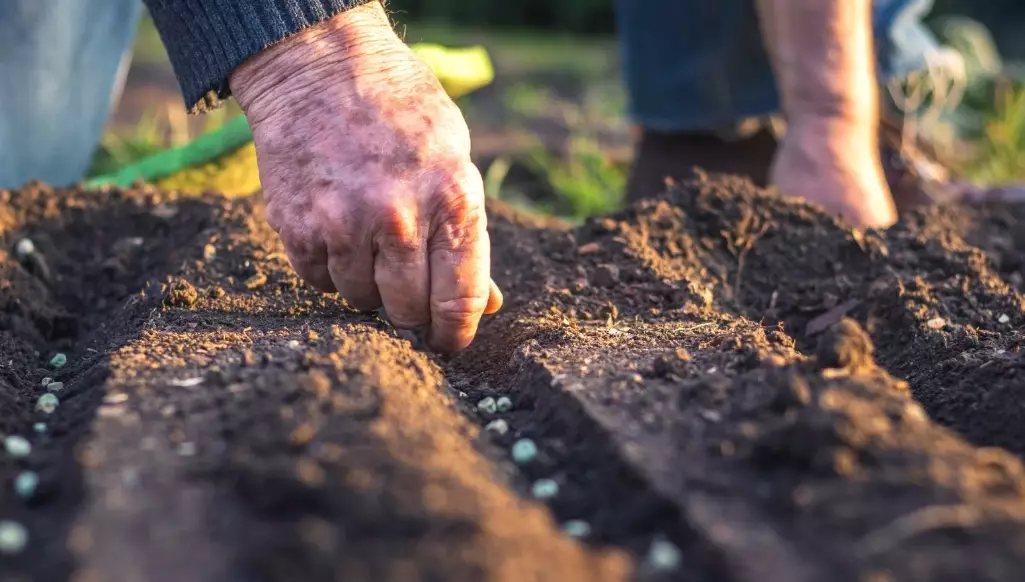
What You'll Learn
- Why Sowing Your Own Seeds is Worth the Effort
- Understanding Your Seeds: The First Critical Step
- The Two Main Sowing Methods: Direct vs. Indoor
- A Step-by-Step Guide to Sowing Seeds Indoors
- Direct Sowing: Getting Seeds Right into the Garden
- Troubleshooting Common Sowing Problems
- Your Sowing Calendar: A Seasonal Guide
Why Sowing Your Own Seeds is Worth the Effort
Buying seedlings from a nursery is easy. So why bother with seeds? The reasons go beyond cost. Sowing from seed opens up a world of varieties you'll never find on a garden center shelf. Want a purple tomato that tastes like smoke? A lettuce that withstands summer heat? Seed catalogs are your gateway. You control the entire lifecycle, ensuring your plants are organic and healthy from day one. There's a deep satisfaction in nurturing something from its very beginning. It makes you a better gardener because you understand the plant's needs from the seed up.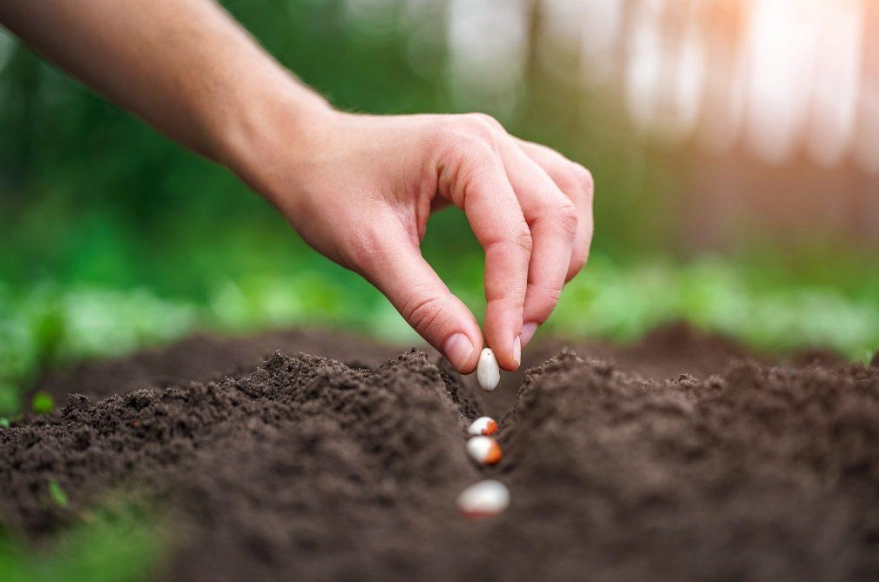
Understanding Your Seeds: The First Critical Step
Most sowing failures happen before the seed even touches soil. We ignore the instructions on the packet. That tiny envelope holds all the clues.
Seed Packet Decoder
"Days to Germination": This is your patience meter. Parsley might take 21 days. Don't give up on day 7.
"Planting Depth": This is the #1 mistake. A common rule is to plant a seed twice as deep as its thickness. For tiny seeds like lettuce or petunia, that means just a dusting of soil. Bury them and they're gone.
"Soil Temp": More critical than air temp. Beet seeds won't budge in cold soil, no matter how sunny it is. A simple soil thermometer is a game-changer.
"Sun Requirements": Full sun means 6+ hours of direct light. Don't kid yourself about that shady corner.
The Cold Stratification Secret
Here's a nuance most beginners miss. Some seeds, especially native perennials and many trees (like milkweed or apples), have built-in dormancy. They need a period of cold, moist conditions to simulate winter before they'll germinate. This is called cold stratification. If you sow these in spring, they'll just sit there. The trick? Mix seeds with slightly damp sand, seal them in a plastic bag, and leave them in the fridge for 4-12 weeks before sowing. It feels counterintuitive, but it's the key to unlocking germination for hundreds of species.
The Two Main Sowing Methods: Direct vs. Indoor
Choosing the wrong method sets you up for struggle. It's not about preference; it's about plant biology and your climate.
Start Indoors (in trays or pots): Essential for tender plants that need a long, warm growing season, or to get a head start in short-summer climates. Tomatoes, peppers, eggplants, broccoli, and most annual flowers fall here. You're giving them a 6-8 week jump on the season.
A Step-by-Step Guide to Sowing Seeds Indoors
Starting seeds indoors is where control freaks thrive. Let's break it down.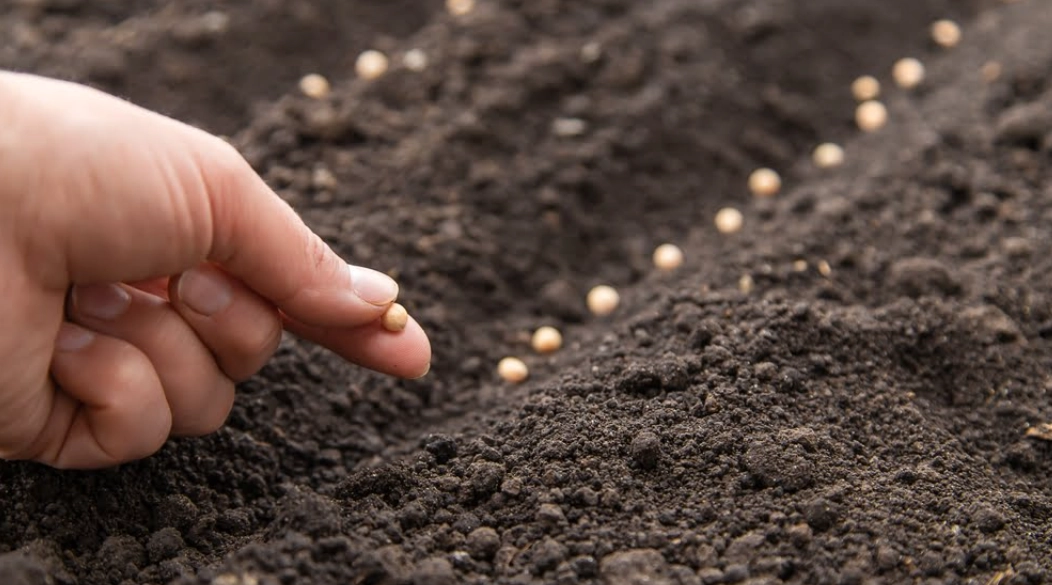
1. Timing is Everything: The biggest error is starting too early. Leggy, weak seedlings are worse than no seedlings. Count backwards from your last expected frost date (find yours via the USDA Plant Hardiness Zone Map). For tomatoes, start 6-8 weeks before that date. Peppers need 8-10 weeks.
2. The Container & Medium: Don't use garden soil. It's heavy and can harbor diseases. Use a sterile, soilless seed-starting mix. It's light and fluffy, perfect for delicate roots. Any clean container with drainage holes works—cell trays, yogurt cups, even egg cartons.
3. The Sowing Act: Moisten your mix before filling containers. Sow 2-3 seeds per cell (you'll thin later). Follow the depth rule religiously. For dust-like seeds, just press them gently onto the surface.
4. The Humidity Dome: Cover trays with a clear plastic lid or plastic wrap. This creates a mini-greenhouse, keeping humidity at 100%. Remove it the moment you see the first green speck.
5. Heat & Light: Bottom heat speeds germination immensely. A seedling heat mat is worth its weight in gold. Once they sprout, light is non-negotiable. A sunny windowsill is rarely enough. Seedlings stretch desperately toward light, becoming weak. Use LED grow lights placed just 2-3 inches above the seedlings for 14-16 hours a day.
6. Watering & Feeding: Water from the bottom by setting trays in a dish of water. This prevents disturbing seeds and damping-off disease. Don't fertilize until the first true leaves (not the initial seed leaves) appear. Then use a half-strength liquid fertilizer.
Direct Sowing: Getting Seeds Right into the Garden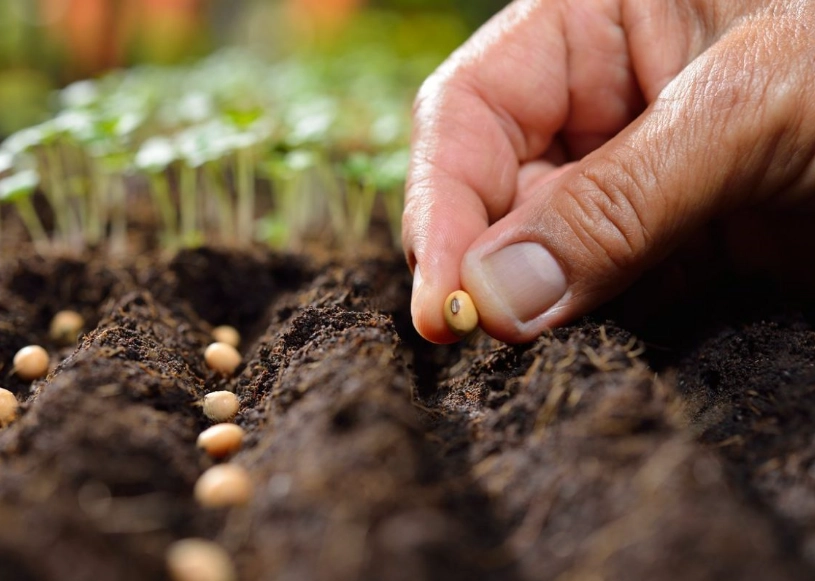
This seems simpler, but garden soil is a wilder environment.
Prepare the Bed: Soil should be loose, crumbly, and weed-free. If it forms a hard ball in your hand, it's too wet. Wait.
Make a Furrow: Use a stick, hoe handle, or your finger to create a shallow trench at the depth specified on the packet.
Sow Carefully: Try to space seeds as recommended. For tiny seeds, mix them with dry sand to help you see and spread them evenly.
Cover & Water Gently: Backfill the furrow and pat down gently for soil-seed contact. Water with a fine mist or shower setting to avoid washing seeds away. Keep the soil consistently moist, not soggy, until germination.
Here’s a quick reference for some common vegetables:
| Vegetable | Direct Sow or Start Indoors? | Planting Depth | Soil Temp to Germinate | Days to Germinate |
|---|---|---|---|---|
| Tomato | Start Indoors | 1/4 inch | 70-80°F (21-27°C) | 6-14 days |
| Carrot | Direct Sow | 1/4 inch | 55-75°F (13-24°C) | 14-21 days |
| Lettuce | Both | Surface (light needed) | 60-70°F (16-21°C) | 7-10 days |
| Beans (Bush) | Direct Sow | 1 inch | 70-85°F (21-29°C) | 7-14 days |
| Pepper | Start Indoors | 1/4 inch | 75-85°F (24-29°C) | 10-21 days |
| Radish | Direct Sow | 1/2 inch | 55-85°F (13-29°C) | 4-10 days |
Troubleshooting Common Sowing Problems
Things will go wrong. Here's how to diagnose and fix them.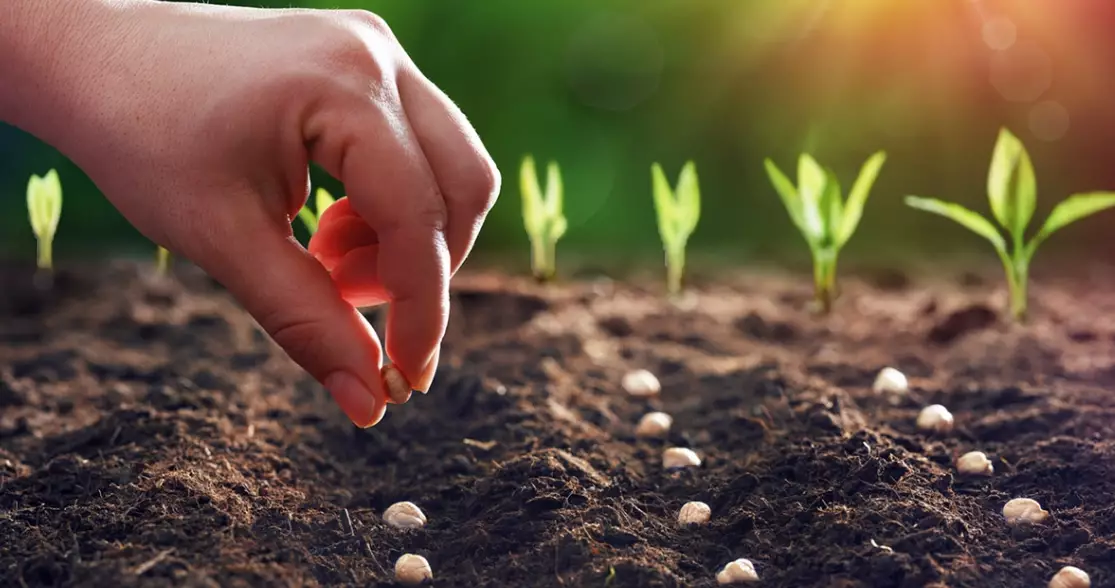
Seedlings are tall, spindly, and falling over ("leggy"): This is 99% insufficient light. They're reaching. Move lights closer or increase duration. Also, temperatures might be too warm.
Seedlings emerge then collapse at the soil line ("damping-off"): A fungal disease. Caused by overwatering, poor air circulation, and non-sterile soil. Use clean containers, fresh seed-starting mix, provide airflow with a small fan, and avoid overwatering.
Poor germination rate, patchy rows: Inconsistent soil moisture is the likely villain. The top layer dried out just after some seeds swelled with water. Use a light mulch (like vermiculite) or cover rows with burlap to retain moisture until sprouts appear.
Your Sowing Calendar: A Seasonal Guide
Sowing isn't a spring-only activity. To keep a garden productive, you need to think in seasons.
Late Winter / Early Spring (6-12 weeks before last frost): Start your long-season, heat-lovers indoors: peppers, tomatoes, eggplants, onions, leeks.
Early Spring (2-4 weeks before last frost): Direct sow the cold-hardy champions: peas, spinach, kale, lettuce, radish, carrot, beet. The soil can be cool.
After Last Frost: Direct sow tender crops: beans, corn, cucumber, squash. Transplant your indoor-started tomatoes and peppers.
Late Summer / Early Fall: This is a secret second sowing season. Direct sow cool-weather crops again for a fall harvest: lettuce, spinach, kale, radishes, carrots (for a late fall pull).
The goal is to always have something in the ground, moving from one crop to the next.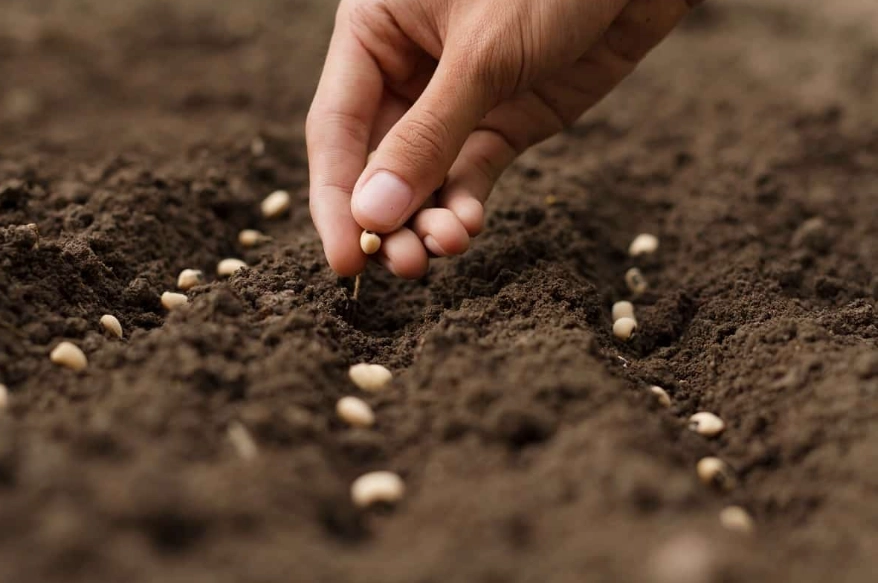
Frequently Asked Questions
Why did my carrot seeds never come up?
Do I really need grow lights for starting seeds indoors?
 I've heard some seeds need light to germinate. Which ones?
How do I know if my old seeds are still good?
My seedlings got leggy. Can I fix them or should I start over?
Ultimately, sowing seeds is a skill that sharpens with each season. Pay attention to what the seeds and seedlings are telling you. Keep notes. That row of perfect spinach or that first homegrown tomato started with a single seed and the knowledge of how to treat it right. Now you have that knowledge. Go get your hands dirty.
Reader Comments