You're inspecting your rose bushes, pleased that the aphid population seems down, when you see it. A weird, spiky, orange and black lump stuck to the underside of a leaf. It doesn't look like any bug you know. Your first instinct? Is it a pest? Should you scrape it off? Hold that thought. You've just found a lady beetle pupa, and removing it is one of the biggest mistakes a gardener can make. This alien-looking stage is where the magic happens, transforming a ravenous larvae into the beloved, spotted predator that keeps your garden clean. I know because I made that mistake years ago, wiping out what I thought were "pest eggs" only to realize I'd destroyed my own pest control army. Let's make sure you don't do the same.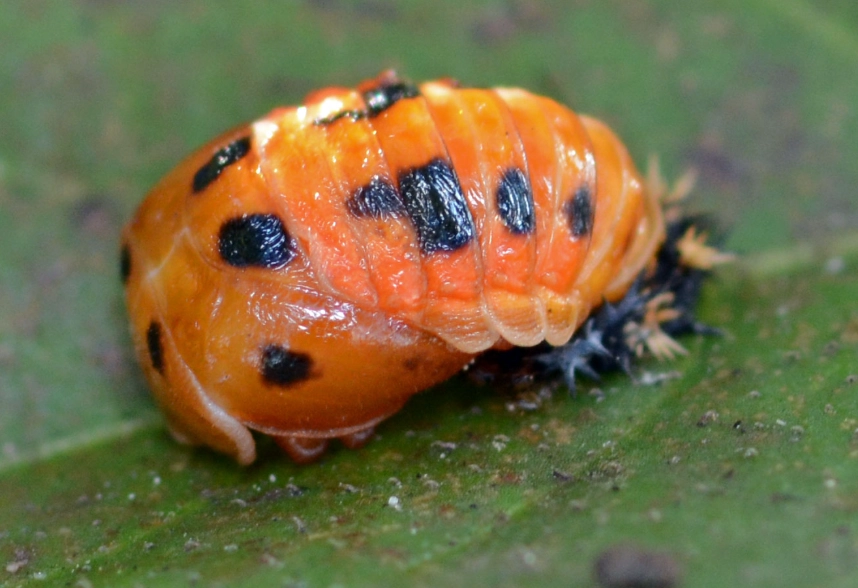
What's Inside?
What Does a Lady Beetle Pupa Look Like? Spotting the Difference
Identifying a lady beetle pupa is the first step to protecting it. It's not a caterpillar, it's not a weird fungus, and it's definitely not a pest egg mass (a common mix-up).
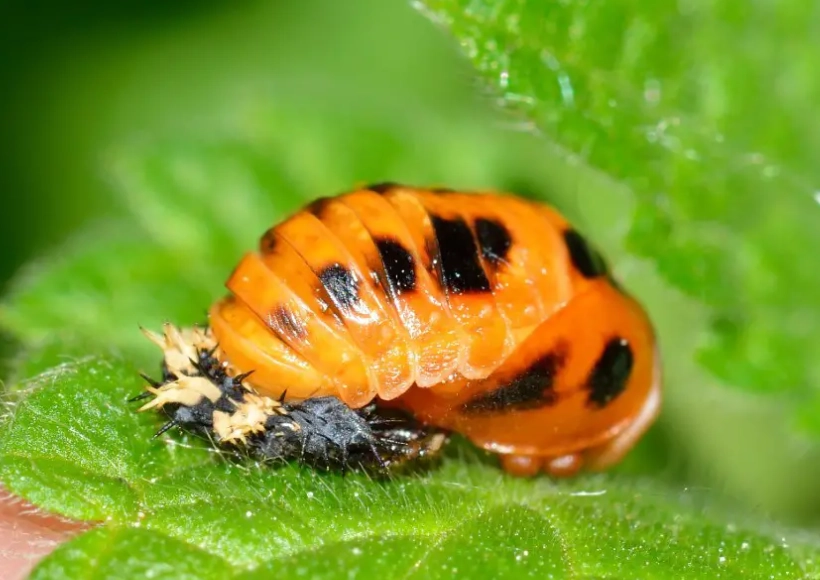
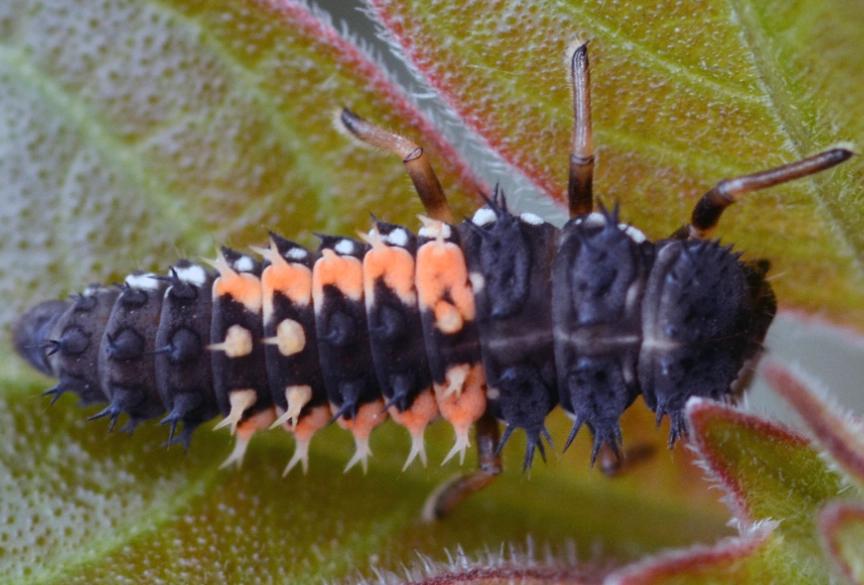
Think of it as a living, breathing biological capsule. The pupa is typically oval or dome-shaped, about 3-5mm long. The most common color is a striking orange or reddish-orange, often with bold black markings. These markings aren't random; they're actually the blueprint for the adult beetle's spots and patterns, visible through the pupal case. The surface is often described as spiky or bumpy, not smooth.
You'll usually find them attached by their rear end to a leaf, stem, or fence post. They don't move. At all. This stillness is why people think they're dead or just debris.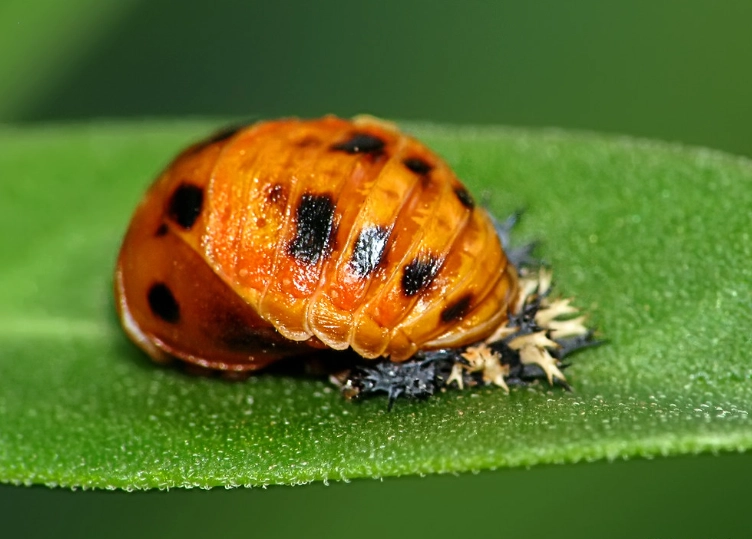
| What You See | Lady Beetle Pupa | Common Pest Look-Alike |
|---|---|---|
| Shape & Texture | Dome-shaped, spiky/bumpy surface. | Colorado potato beetle larvae are smooth, plump, and hump-backed. Scale insects are flat and waxy. |
| Color & Markings | Bright orange/red with distinct, symmetrical black patterns. | Mexican bean beetle larvae are yellow with black-tipped spines. Some moth pupae are plain brown and smooth. |
| Location & Attachment | Firmly attached to a surface, immobile. | Pest larvae crawl around. Aphids cluster but are soft-bodied and move slowly. |
| What to Do | LEAVE IT ALONE. It's a garden friend. | Research the specific pest for appropriate control. |
If you're unsure, just wait. Disturbing it risks killing a future aphid-eater. A few days of observation will usually reveal its true nature.
From Hungry Larvae to Spotted Beetle: The Pupation Timeline
To appreciate the pupa, you need to know the story. A female lady beetle lays clusters of tiny yellow eggs near an aphid colony. Those hatch into alligator-like larvae that are absolute eating machines. After gorging themselves for a few weeks, they get the urge to transform.
The larvae find a safe spot, often on the very plant they've been cleaning of pests. They attach themselves and their skin splits for the final time. Underneath is that soft, orange pupal case, which quickly hardens.
Inside, it's pure biological alchemy. The larval tissues are broken down and reorganized into the completely different body of an adult beetle. Wings, hardened wing covers (elytra), reproductive organs—all formed from scratch.
This process isn't instant. In warm summer weather (around 75°F/24°C), it takes about 5 to 7 days. In cooler weather, it can stretch to two weeks. You can sometimes see the adult coloration developing inside the transparent parts of the case near the end.
Then, one day, the case splits open. Out crawls a brand new adult lady beetle. Its wing covers are pale yellow and soft. Over the next few hours, they darken to their final color and the spots appear. It's now ready to fly off and continue the cycle, eating pests and laying eggs of its own.
How to Protect Lady Beetle Pupae in Your Garden (The Right Way)
Knowing what it is is half the battle. The other half is active protection. Most gardening advice is vague: "be careful." Let's get specific.
Actionable Steps to Take
1. Scout Before You Spray (Anything). This is non-negotiable. Whether it's an organic insecticidal soap or a hose spray, always inspect the undersides of leaves and stems where pupae are likely to be. A direct hit will kill them.
2. Rethink "Tidy." That compulsive urge to clean every leaf? Fight it. Pupae need undisturbed surfaces. Leaving some leaf litter and spent flower stems provides attachment sites and hiding spots from birds.
3. Provide an Alternative Food Source. A pupa doesn't eat, but the emerging adult is ravenous. If you've wiped out all the aphids, the new beetle will fly away. Plant companion flowers like dill, cilantro, yarrow, or marigolds. These attract alternative prey (like pollen) and give the beetles a reason to stick around. The University of California's Statewide Integrated Pest Management Program emphasizes this as a key strategy for conserving natural enemies.
4. Handle with Extreme Care (If You Must). If you absolutely need to move a plant or a leaf with a pupa on it, don't try to pick the pupa off. You'll damage it. Carefully cut the leaf or piece of stem it's on and pin or tape it to a similar plant in a safe location.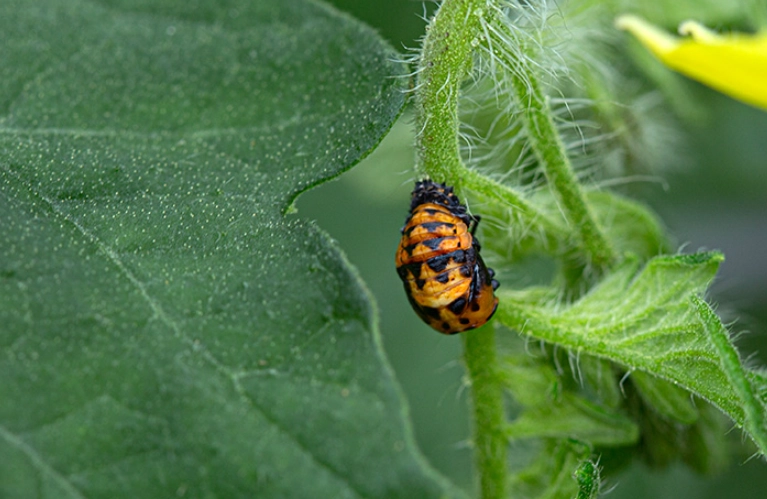
The Expert Mistake Most Beginners Make
Here's a subtle one that isn't talked about enough: over-watering foliage right where pupae are attached. A pupa needs to breathe through small pores. A constant film of water from overhead sprinklers can suffocate it or promote fungal growth on the case. Water at the base of plants, especially if you know you have these beneficial insects in residence.
Why Your Garden Needs These Pupae: The Numbers Don't Lie
Let's talk brass tacks. Why go through all this trouble? Because the return on investment is phenomenal.
A single lady beetle larva can eat 300-400 aphids before pupating. The adult that emerges continues the feast. Over its lifetime, one lady beetle may consume 5,000 aphids. Now multiply that by the dozens of pupae your garden could host.
We're not just talking aphids. Different lady beetle species (and their pupae) target a whole menu of soft-bodied pests: mealybugs, spider mite eggs, scale crawlers, even small caterpillars. They provide a 24/7, self-replicating pest control service that's completely free and has zero chemical residue.
Compare that to buying a packet of live adult lady beetles from a garden center. Studies, like those cited by entomologists at University of Kentucky Entomology, show most of those store-bought beetles immediately fly away, seeking their own established territory. The pupae already in your garden? They're natives. They emerged there. They're far more likely to stay, lay eggs, and establish a permanent population. Protecting pupae is about building a resident army, not hiring temporary mercenaries.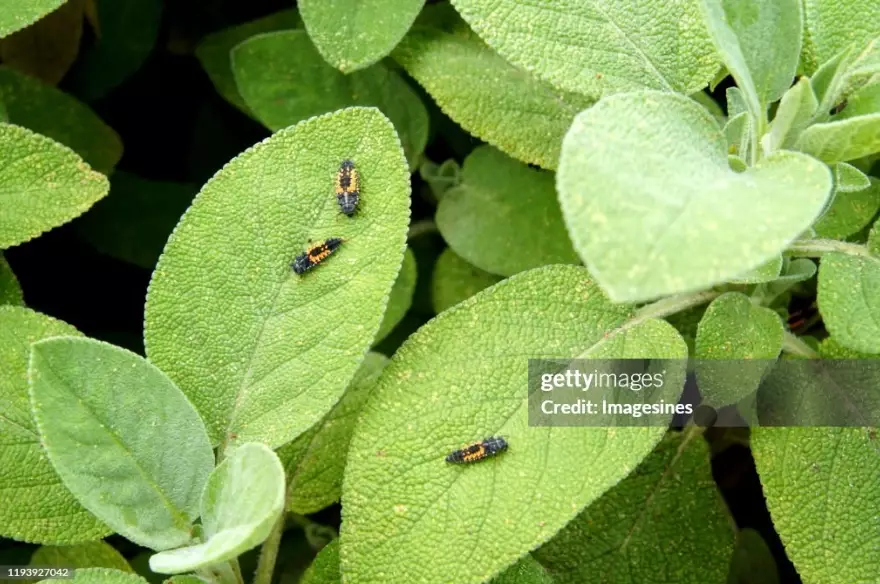
Your Lady Beetle Pupa Questions, Answered
 How long after the pupa stage does the beetle start eating pests again?
Reader Comments