You typed "what veg can i grow now" into Google, didn't you? I did that for years. The frustration is real. You're ready to get your hands dirty, but generic advice like "plant tomatoes in spring" is useless if you're reading this in July or November. The real answer isn't a single list—it's a system. It depends entirely on two things: your current season and your climate zone.
I've gardened for over a decade, and the biggest mistake I see beginners make is planting by the calendar date instead of by soil temperature and frost dates. That packet of spinach seeds will just sit there if the soil is too warm. This guide will cut through the noise. We'll match vegetables to your exact timing, from the crisp beginnings of spring to the fading light of fall, and even touch on winter possibilities.
What’s Inside This Guide
How to Use This Seasonal Planting Guide
First, figure out your average last spring frost date and first fall frost date. This is your gardening bible. A quick search for "[Your City] frost dates" or a visit to the USDA Plant Hardiness Zone Map will get you there. The seasons below are defined by temperature, not months.
Pro Tip: Your local independent garden center is a better source for "what to plant now" than any big-box store. They stock plants when it's actually time to plant them in your area.
Spring Planting: The Cool-Start Champions
This is for when soil temperatures reach around 45-65°F (7-18°C). Think early spring, right after the ground thaws and can be worked, up until a few weeks before your last frost date. These crops tolerate—and even taste better after—a light frost.
Top Vegetables to Plant in Early to Mid-Spring
- Leafy Greens (Lettuce, Spinach, Kale, Arugula): Sow seeds directly. The classic mistake is planting too thickly. Thin them ruthlessly to give each plant space, or you'll get spindly, weak leaves. I prefer cut-and-come-again varieties like 'Black Seeded Simpson' lettuce.
- Root Vegetables (Radishes, Carrots, Beets, Turnips): Direct sow. Radishes are the ultimate beginner's crop—ready in 25 days. For carrots, ensure loose, stone-free soil. If your soil is heavy clay, try shorter varieties like 'Parisian Market'.
- Peas (Snap, Snow, Shelling): Direct sow as soon as soil is workable. They need a trellis. Soak seeds overnight for faster germination. The flavor of a home-grown pea is nothing like store-bought.
- Onion Sets & Potatoes: Plant small onion bulbs or seed potatoes. Potatoes can be planted in trenches or containers. I've had great luck with fabric grow bags for potatoes—fewer pests, easier harvest.
Summer Planting: Heat Lovers & Succession Sowing
This window starts after your last frost date, when soil and nights are consistently warm (above 60°F/15°C). It's also the time for "succession planting"—replacing harvested spring crops with new ones.
| Vegetable | How to Start | Key Tip & Recommended Variety | Days to Harvest |
|---|---|---|---|
| Tomatoes | Transplants | Plant deep, burying part of the stem. Cage or stake early. Try 'Sun Gold' (cherry) for unbelievable sweetness or 'Celebrity' (slicer) for disease resistance. | 60-80+ |
| Peppers | Transplants | They love heat and consistent water. A common error is over-fertilizing, which gives you leaves, not fruit. 'Shishito' is great for quick grilling. | 60-90 |
| Cucumbers | Direct Sow or Transplants | Give them a sturdy trellis. Saves space and yields straighter, cleaner fruit. 'Diva' is a reliable, burpless variety. | 50-70 |
| Beans (Bush & Pole) | Direct Sow | Don't sow until soil is warm, or seeds may rot. For a continuous harvest, sow bush beans every 2-3 weeks. 'Provider' is a tough, early bush bean. | 50-65 |
| Zucchini/Summer Squash | Direct Sow or Transplants | One plant is enough for a family. Check daily when fruiting—they turn into marrows overnight. 'Raven' is productive and attractive. | 45-55 |
Succession Planting in Summer: As you pull up spent lettuce or radishes, replant that space with fast-growing heat-tolerant crops like bush beans, Swiss chard, or even a second sowing of carrots for a fall harvest.
Fall & Winter Planting: The Overlooked Sweet Spot
This is the secret season many gardeners miss. Planting in mid-to-late summer for a fall harvest yields the sweetest, most tender vegetables. The cooling temperatures improve flavor (especially in greens and roots), and pests are less problematic.
Critical Timing: The trick is to work backwards. Find your first fall frost date. For crops that can survive frost (kale, carrots), count back from that date. For crops that need to mature before frost (bush beans), count back their "Days to Maturity" plus about 2 weeks (growth slows in fall).
What to Plant 8-12 Weeks Before First Fall Frost:
- Kale, Collards, Swiss Chard: These are champions. Frost makes kale sweeter. You can often harvest them right through winter under a layer of snow.
- Beets & Carrots: They store well right in the ground. Mulch heavily with straw, and you can dig them up all winter long in many zones.
- Spinach & Lettuce: Look for cold-hardy varieties like 'Winter Bloomsdale' spinach. Use a cold frame or row cover to extend the harvest for months.
- Radishes & Turnips: Incredibly fast. Perfect for filling gaps.
- Garlic: Plant individual cloves in the fall for a massive harvest next July. It's the ultimate "plant and forget" crop.
Your Climate Zone: The Final Decider
The seasons above are a template. Your USDA Hardiness Zone (or AHS Heat Zone) fine-tunes it. A gardener in Seattle (Zone 8b) can grow kale all winter. A gardener in Phoenix (Zone 9b/10a) has a completely different calendar, with a prime growing season in the fall, winter, and early spring, while summer is for heat-loving okra and sweet potatoes.
My friend in Florida laughs at my spring pea schedule—she plants hers in the fall. Check your zone and talk to local gardeners. What are they planting at the nursery this weekend? That's your best clue for "what veg can i grow now."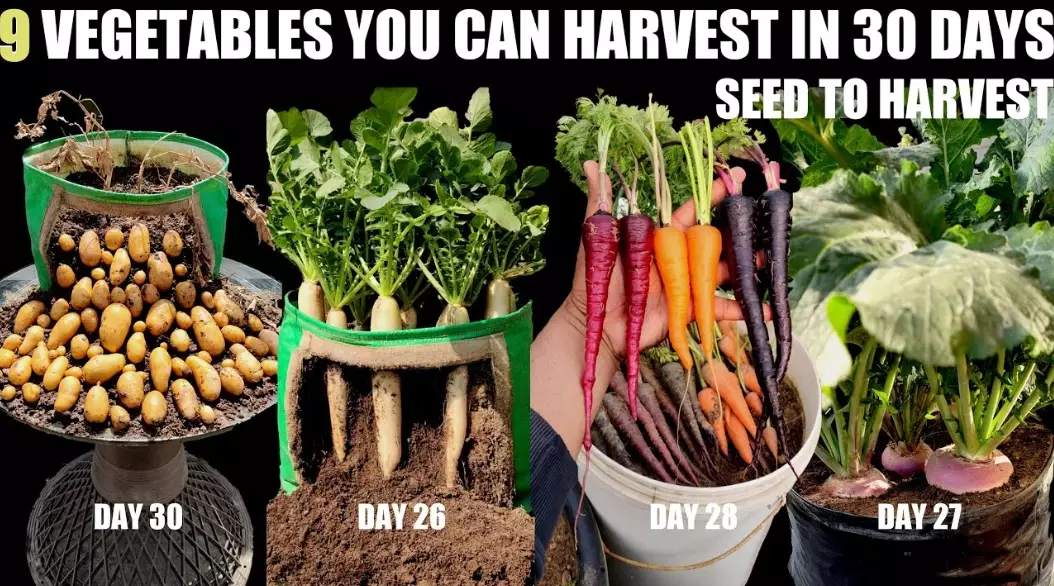
Your Planting Questions, Answered
 How can I know exactly when to plant if the weather is unusually warm or cold this year?
 The core question of "what veg can i grow now" transforms from a source of confusion into a simple checklist once you sync with your seasons and soil. Start with a couple of things that match your current window—maybe some lettuce and radishes if it's spring, or a tomato plant and some beans if it's summer. Observe, learn, and next season, you'll just know.
Reader Comments