You just pulled a bunch of carrots from your garden or brought them home from the market. Your instinct is to twist off those lush green tops and drop them straight into the compost or trash. Stop right there. For over a decade of growing and cooking from my garden, I've seen this happen countless times. It's the single biggest edible garden mistake I witness. Carrot foliage is not waste; it's a versatile, flavorful, and nutritious bonus crop sitting right under your nose. This guide will change how you see those leafy tops forever, turning them from an afterthought into a garden and kitchen staple.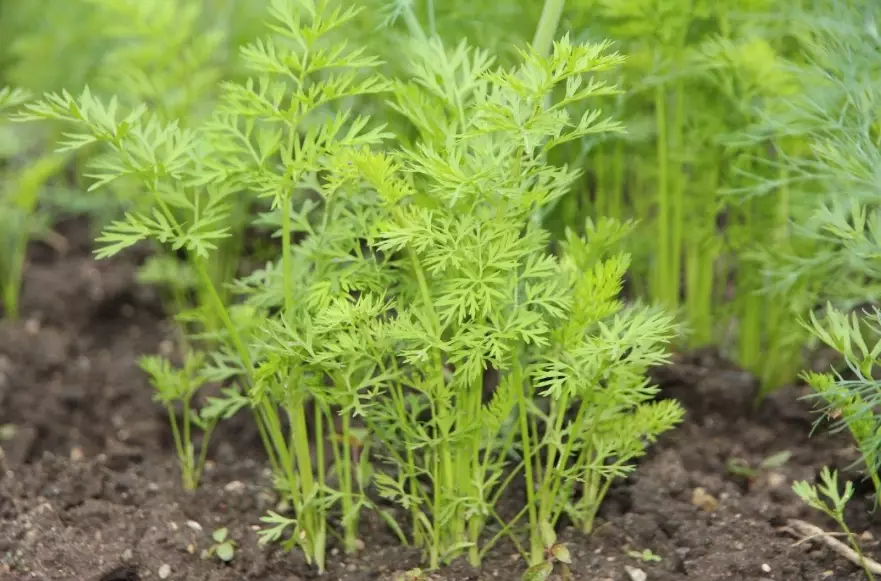
What You'll Discover in This Guide
How to Identify and Harvest Carrot Foliage Safely
First, let's be clear about what we're talking about. Carrot foliage, often called carrot tops or carrot greens, refers to the feathery, fern-like leaves that grow above the soil from the carrot root (Daucus carota). They look similar to parsley or cilantro but have a distinct, slightly bitter, earthy-carroty aroma when crushed.
Harvesting is simple, but technique matters.
The Right Way to Harvest (And One Method to Avoid)
For carrots you're pulling to eat, grasp the foliage close to the base where it meets the root. Give it a firm twist and pull. The leaves should separate cleanly. If you're just thinning seedlings and want to use the tiny leaves, you can pinch them off with your fingers.
Here's the mistake I see: people using scissors or a knife to chop the tops off an inch above the root. Don't do this. You leave a stump that wilts quickly, looks messy, and can sometimes promote rot if you're storing the roots. Twisting is cleaner and preserves the root better.
Once harvested, treat them like fresh herbs. Rinse gently in cool water to remove any soil, spin or pat dry, and use immediately. To store, wrap the stems in a damp paper towel and place them in a loosely sealed bag in the fridge's crisper. They'll last 3-4 days this way.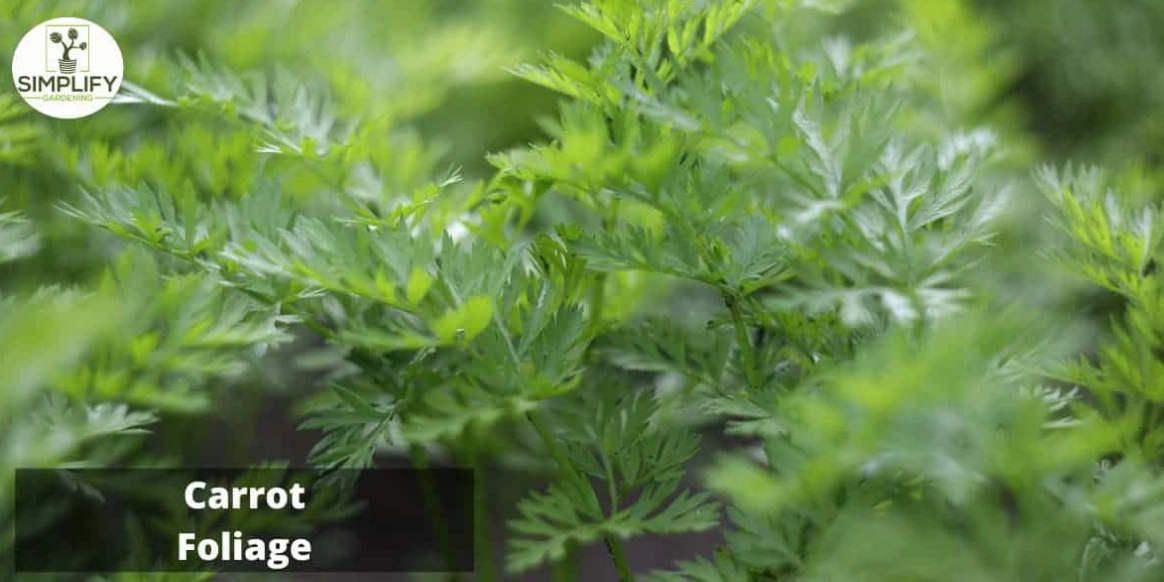
Carrot Greens in the Kitchen: From Pestos to Soups
This is where the magic happens. The flavor profile is unique—herbaceous, slightly bitter, with a carrot-like undertone. It's more robust than parsley but less pungent than mature cilantro. Think of it as a free herb that can replace or complement pricey store-bought ones.
Let's walk through a real scenario. You have one bunch of carrots with a good fistful of greens. Here’s your action plan:
Step 1: The Instant Garnish. Finely chop a tablespoon of the most tender leaves. Sprinkle it over a finished carrot soup, a roasted carrot dish, or a garden salad. It adds a fresh, green contrast and a flavor hint that screams "fresh from the garden."
Step 2: The Main Event - Carrot Top Pesto. This is the flagship recipe. It uses up a large volume and freezes beautifully.
Roughly chop 2 packed cups of carrot greens (stems included if tender).
Blend with 1/2 cup toasted nuts (walnuts or almonds work great), 1/2 cup grated Parmesan, 1 small garlic clove, the juice of half a lemon, and about 1/2 cup extra virgin olive oil. Blend, scraping down sides, until smooth. Season with salt. The result is a vibrant, complex pesto that's fantastic on pasta, as a sandwich spread, or swirled into yogurt as a dip.
Step 3: The Flavor Booster. Add a handful of whole tops to your next vegetable or chicken stock pot. They impart a subtle, savory depth. Just remember to remove them before using the stock, as they can become overly bitter with prolonged cooking.
Step 4: The Saute. Treat them like sturdy greens. Heat olive oil in a pan, add a chopped garlic clove, then toss in chopped carrot greens. Saute for 3-4 minutes until wilted. Finish with a squeeze of lemon, salt, and pepper. Serve as a side or mix into scrambled eggs or grains.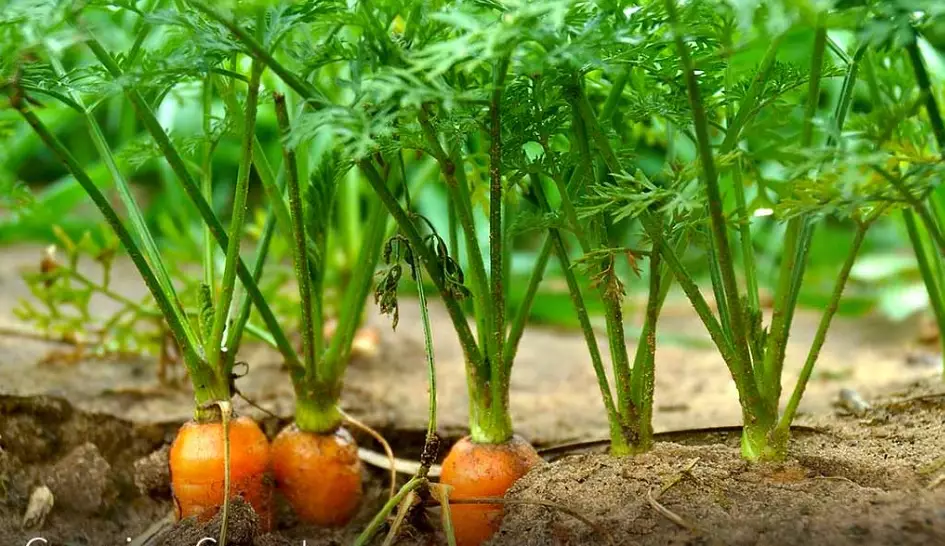
Using Carrot Tops to Boost Your Garden's Health
If you're not going to eat them, your garden can still benefit. Throwing nutrient-rich foliage straight into the landfill is a loss. Here are two superior methods.
1. The Instant Compost Tonic
Chop the foliage roughly with shears. Don't just toss whole tops onto your compost pile. They form a slimy, matted layer that decomposes slowly. Chopping increases surface area. Scatter the chopped greens directly onto your garden bed as a light surface mulch, or dig them lightly into the top few inches of soil in a fallow area. They'll break down quickly, returning minerals like potassium to the earth.
2. The Regrowth Experiment (It's Not What You Think)
You've probably seen the viral trick: place a carrot top in water to grow new leaves. It works, but let's be real. It's a fun science project for kids, not a viable way to grow new carrots. The regrown foliage is often spindly and the root doesn't regrow into an edible taproot. The energy comes from the stored sugars in the cut top, not from photosynthesis alone.
I tried this method side-by-side with sowing seeds. After four weeks, the water-grown top had a small tuft of leaves. The seed-grown seedling was nearly as large and had a developing root. Your time is better spent sowing seeds if you want a real harvest.
How to Grow Carrots for Abundant, Healthy Foliage
Want the lushest, most usable carrot tops? It starts with how you grow them. The health of the foliage is a direct indicator of the root's health and your soil's condition.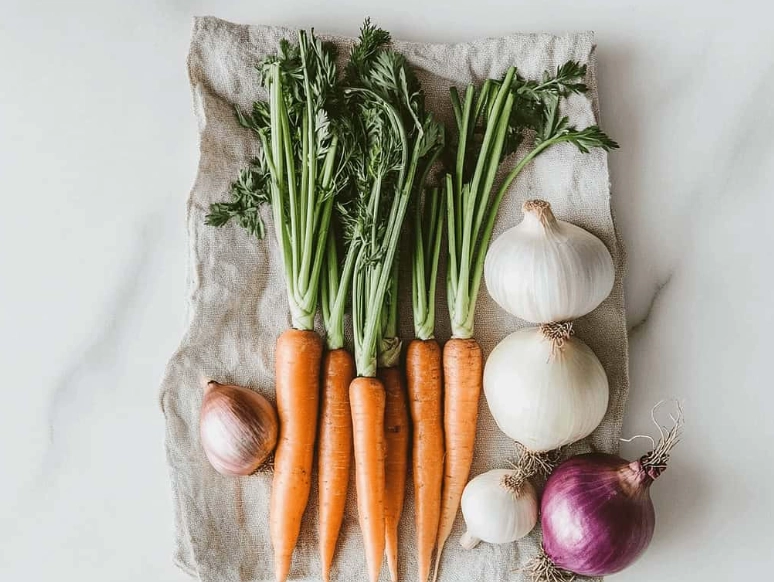
Most guides obsess over root shape and ignore the leaves. Here’s what I've learned focusing on the whole plant.
| Factor | Effect on Foliage | Expert Tip (The Non-Consensus Bit) |
|---|---|---|
| Soil | Loose, sandy loam prevents stunted, yellowed leaves. | Don't just add sand. Mix in well-rotted leaf mold instead of just compost. It creates a fluffier, more moisture-retentive structure that young roots love, leading to vigorous top growth. |
| Thinning | Crowded seedlings = weak, spindly foliage. | Thin ruthlessly to 2-3 inches apart. Use the thinnings! Those microgreens are the most tender carrot foliage you'll ever eat. Toss them in salads. |
| Watering | Inconsistent water causes leafy tops to wilt, then bolt (flower) prematurely. | Use a soaker hose or drip line. Overhead watering can promote fungal issues on the leaves like leaf blight. Healthy leaves mean the plant can photosynthesize efficiently to grow a sweet root. |
| Fertilizer | Too much nitrogen = huge, lush tops with tiny, hairy roots. | Go easy on nitrogen-heavy feeds. Use a balanced organic fertilizer at planting, then a light side-dressing of compost mid-season. You want steady growth, not a leaf explosion. |
Choosing varieties matters too. Some heirloom carrots are grown as much for their ornamental foliage as their roots. 'Dragon' and 'Cosmic Purple' carrots often have particularly vibrant, purple-tinged foliage that looks stunning in the garden and on the plate.
Pest watch: The main foe of carrot foliage is the carrot rust fly. Its larvae tunnel into the roots, but the first sign is often bronzed or reddish leaves that wilt. The best defense is fine insect mesh (row cover) placed over the crop immediately after sowing. It's a physical barrier that's 100% effective if sealed at the edges.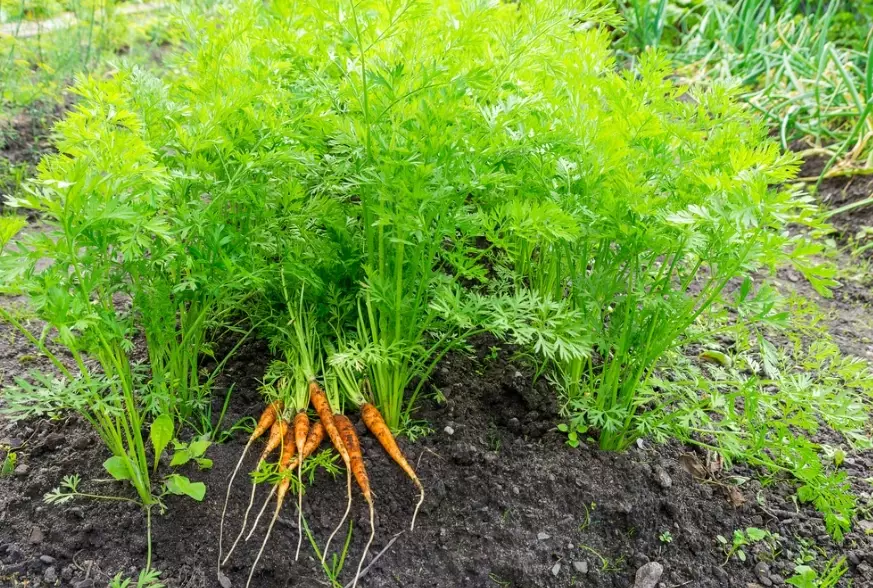
Your Carrot Foliage Questions Answered
Frequently Asked Questions
Can I eat carrot leaves from store-bought carrots?
My carrot tops are flowering. Are they still usable?
 Are carrot greens more nutritious than the root?
Why are my carrot tops turning yellow or brown?
What's the best way to preserve carrot tops for later use?
Carrot foliage is the garden's ultimate two-for-one deal. It transforms what was once considered waste into a resource, closing the loop in your kitchen and garden. It saves money, reduces food waste, and adds a unique flavor to your cooking. The next time you see those green tops, see them for what they truly are: a bonus harvest waiting to be claimed. Start with a simple garnish or a batch of pesto. You might just find yourself selecting carrots at the store based on the quality of their leaves—I know I do.
Reader Comments