You plant the seeds, water the bed, and wait. The big question hanging over every new gardener's head is simple: how long until I can harvest? For beets, the standard answer is 50 to 70 days from sowing. But that's just the headline. In my decade of growing root vegetables, I've pulled beets in 45 days and waited over 80 for others. The real timeline depends on a cocktail of factors most guides gloss over. Let's break down exactly what influences beet growing time, week by week, so you know precisely when to expect dinner on your plate.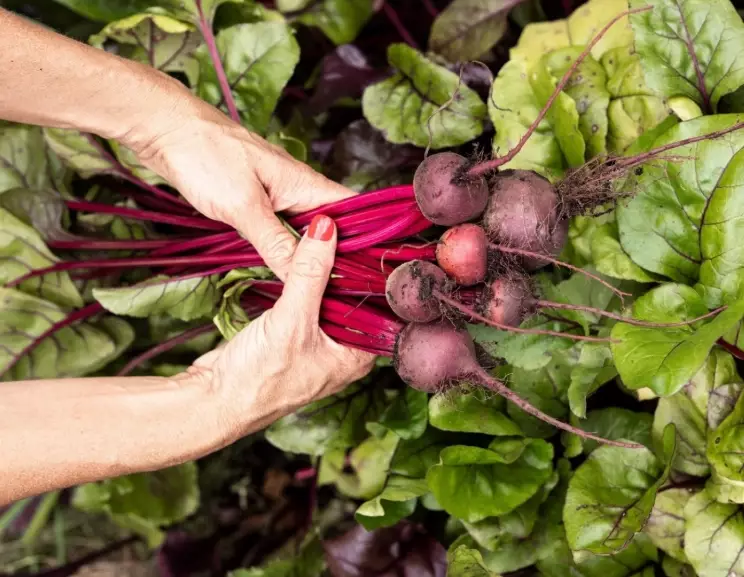
What You'll Learn in This Guide
What Factors Affect Beet Growing Time?
Throw out the idea of a fixed schedule. Growing beets is more like managing a project with variable deadlines. Here’s what really sets the pace.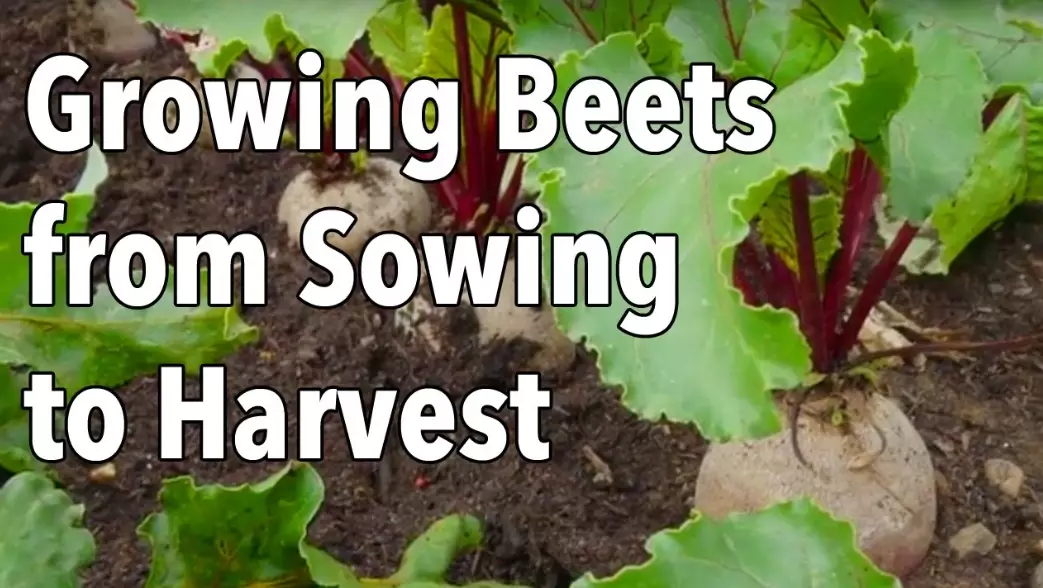
1. Variety Choice: The Genetic Blueprint
This is the biggest lever you pull. Seed catalogs list "days to maturity" for a reason. Some beets are bred for speed, others for size or storage. Picking a 50-day variety over a 70-day one shaves nearly three weeks off your wait.
2. Soil Temperature: The Unsung Hero (or Villain)
Beet seeds germinate best in soil between 50°F and 85°F (10°C-29°C). Below 50°F, they sulk. I've seen seeds sit for over two weeks in cold, wet spring soil, doing nothing. The University of Minnesota Extension notes germination can happen in as few as 5 days in ideal warmth, but drag to 15+ days if it's chilly. Planting too early doesn't save time—it wastes it.
3. Soil Quality & Compaction: The Root's Highway
Beets need loose, deep, stone-free soil to form those perfect globes. Hard, compacted, or rocky soil forces the root to struggle and deform, which absolutely slows down growth. A common mistake is tilling when the soil is too wet, creating clods that later harden like concrete.
4. Thinning: The Crucial, Painful Step
Each beet "seed" is actually a dried fruit cluster containing multiple embryos. You will get multiple seedlings per spot. If you don't thin them to 3-4 inches apart, the plants compete fiercely for water and nutrients, and all of them grow slower. No amount of fertilizer fixes overcrowding.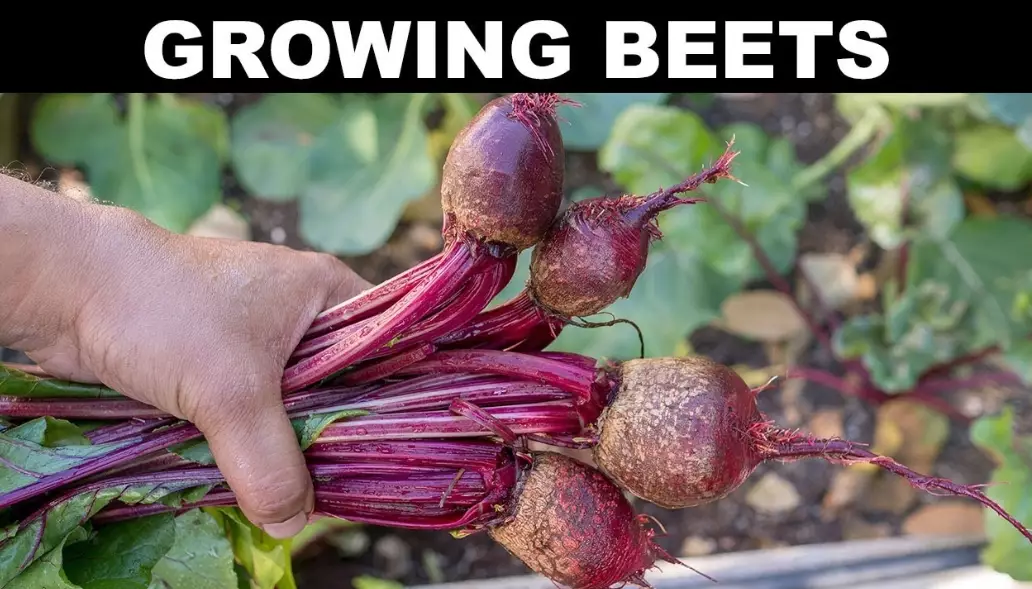
5. Water Consistency: Avoiding Stress Cycles
Inconsistent watering—flooding then drought—stresses the plant. Stressed plants prioritize survival over bulking up. Steady, even moisture, about 1 inch per week, is non-negotiable for steady growth.
Beet Growth Stages: A Week-by-Week Breakdown
Here’s what you can typically expect, assuming decent conditions. Think of this as a general map, not a GPS route.
Weeks 1-2: Germination & Seedling Emergence. This is the quiet period. The seed absorbs water and sends out a radicle (first root). Tiny seedling leaves (cotyledons) push through the soil. Keep the soil surface moist but not soggy. This stage feels slow, but everything is happening underground.
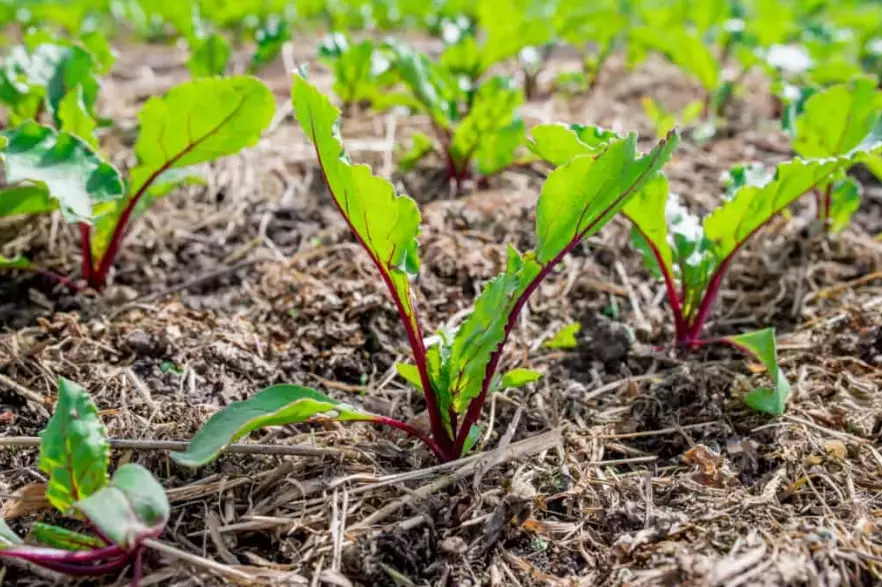
Weeks 3-5: True Leaf Development & Early Growth. The first true leaves appear, looking more like classic beet leaves. The plant focuses on building its photosynthetic engine. This is the prime time for thinning. By the end of week 5, you should have small but healthy plants.
Weeks 6-8: Root Bulking Begins. Now the magic happens. The top growth looks good, but the real action shifts below. The storage root starts to swell noticeably. You might see the very top of the beet (the shoulder) peeking above the soil line. This is when consistent water pays dividends.
Weeks 8+: Maturation & Harvest Window. The beet reaches its genetic size potential. Flavor and sugar content peak. This is your harvest window, which can last 1-3 weeks for many varieties before quality declines. Don't let them get woody.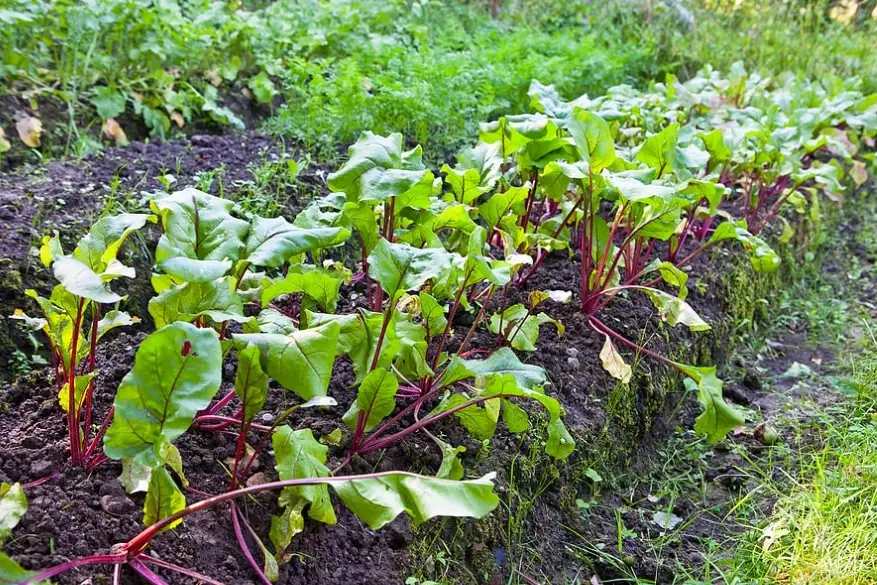
How Can You Speed Up Beet Growth?
Want to shave days off the timeline? It's about optimizing, not rushing.
- Pre-warm your soil. Use black plastic mulch or cloches for 1-2 weeks before planting in early spring. It can boost soil temp by 5-10°F.
- Soak seeds overnight. Before planting, soak beet seeds in room-temperature water for 8-12 hours. It softens the tough seed coat and can kickstart germination by a day or two.
- Amend with well-rotted compost. Not raw manure—it can cause forked roots. Compost improves soil structure and provides gentle, balanced nutrition right where roots need it.
- Thin early and decisively. Do it when seedlings are about 2 inches tall. Use scissors to snip extras at the soil line. Pulling can disturb the roots of the keeper plant.
- Side-dress with a nitrogen boost. When plants are 4-6 inches tall, sprinkle a light application of a nitrogen-rich fertilizer (like blood meal) alongside the row and water it in. This gives leafy growth a boost, which fuels root development.
Growing Time for Popular Beet Varieties
Your choice here dictates your schedule. This table compares some of the most common types.
| Beet Variety | Typical Days to Maturity | Best For | Notes from Experience |
|---|---|---|---|
| Early Wonder Tall Top | 48-55 days | Fastest harvest, early spring crops | Reliable and quick, but roots can get fibrous if left too long past maturity. |
| Detroit Dark Red | 55-60 days | All-purpose, classic flavor, canning | The workhorse. Consistent performer, good for beginners. Tolerates some heat. |
| Chioggia (Candy Stripe) | 55-65 days | Salads, visual appeal | Beautiful rings, milder flavor. Tends to be a bit smaller than Detroit types. |
| Golden Beet | 55-60 days | Roasting, doesn't stain | Sweet, mild flavor. The tops are excellent greens. Doesn't bleed color. |
| Cylindra (Formanova) | 60-70 days | Slicing, pickling, small spaces | Grows long and cylindrical, not round. Yields more slices per beet. |
| Lutz Green Leaf (Winter Keeper) | 70-80 days | Fall planting, long storage | Grows very large without becoming woody. Excellent for cellar storage over winter. |
My personal go-to for a reliable, quick crop is 'Detroit Dark Red.' It's never let me down. But for a fall garden where I want beets to store into winter, 'Lutz Green Leaf' is worth the extra wait.
How to Know Exactly When Your Beets Are Ready
The calendar is a guide, but your eyes and hands are the judges.
Check the shoulders. The top of the beet root (the shoulder) will begin to push up and become visible at the soil surface. When it's about 1 to 2 inches in diameter (golf ball to baseball size), it's likely ready.
Do a test pull. Gently brush away soil from the shoulder of one or two beets. If the root looks a good size, carefully pull one. It's better to harvest a few slightly early than let the whole crop become overgrown and tough.
Taste is the final test. A mature beet should be tender and sweet, not hard or fibrous. If your test beet is woody, check your watering and harvest the rest a bit sooner next time.
Remember, you can harvest beets at any size you like. "Baby beets" are simply harvested early, around 1-2 inches in diameter, and are incredibly tender.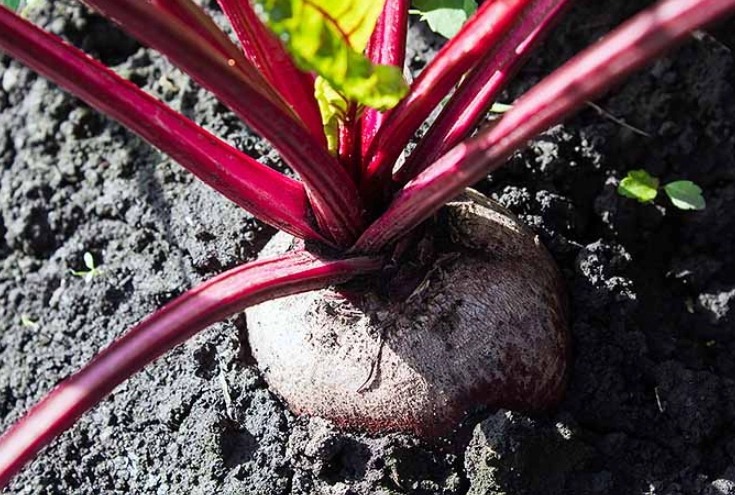
Your Beet Growing Questions, Answered
 My beet greens are huge but the roots are tiny. What went wrong?
Reader Comments