Let's cut to the chase. Raised bed gardening is fantastic. Better drainage, less weeding, warmer soil, and no more backaches from bending over. But here's the thing most beginner guides gloss over: the success of your entire growing season is locked in during the design and building phase. A great raised bed garden design isn't just about picking wood or a spot in the sun. It's a system. Get the design wrong, and you'll fight it for years. Get it right, and it becomes the most productive, low-maintenance part of your yard.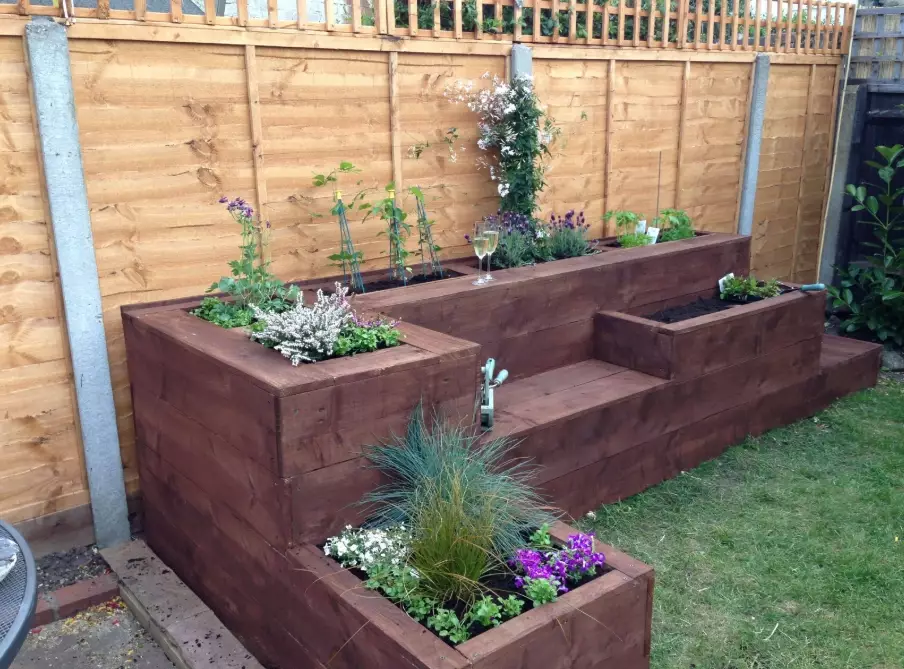
What's Inside This Guide
- Why Choose Raised Beds? (Beyond the Obvious)
- Planning Your Raised Bed Garden Design
- How to Build a Raised Garden Bed: A Real-World Walkthrough
- The "Secret Sauce": Your Raised Bed Soil Mix
- Planting and Maintaining Your Raised Bed
- 3 Common Raised Bed Design Mistakes (And How to Avoid Them)
- Your Raised Bed Questions, Answered
Why Choose Raised Beds? (Beyond the Obvious)
Sure, you know about the back-saving height. But the real magic is control. You're creating a brand new ecosystem from scratch. Got terrible, compacted clay or rocky soil? Irrelevant. Your raised bed sits on top of it. You fill it with a perfect, fluffy, nutrient-rich soil mix. This control extends to watering (less waste), warming (earlier planting), and even keeping out some pests.
I converted to raised beds after a season of fighting crabgrass in a traditional plot. The difference wasn't just less weeding; it was a mindset shift. The garden became a defined, manageable project, not a wild patch I was trying to tame.
Planning Your Raised Bed Garden Design
This is where you need to slow down. Grab a notebook, not your credit card.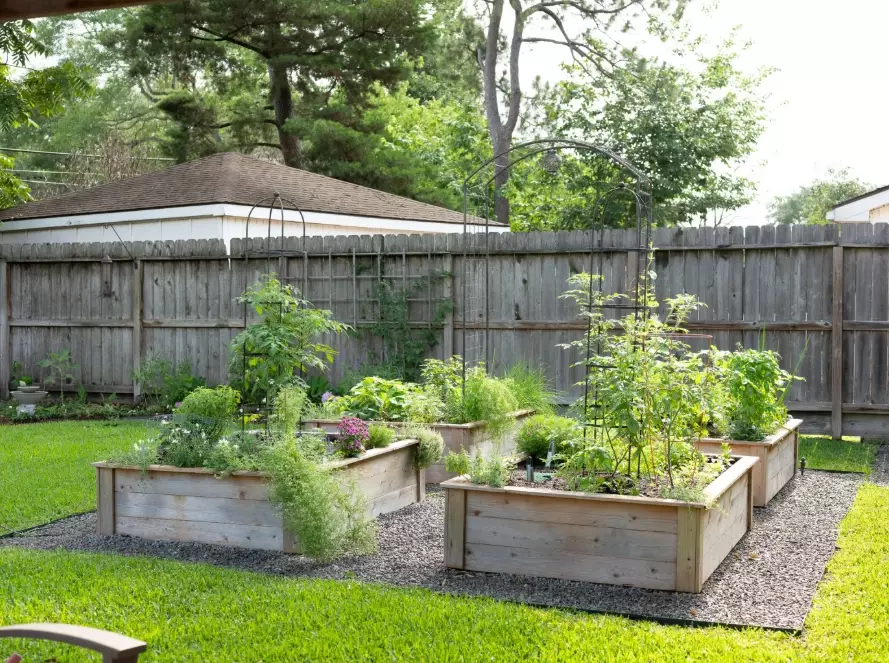
Location, Location, Location
At least 6-8 hours of direct sun. No compromise on this for vegetables. Watch your yard for a full day. That sunny morning spot might be shaded by the house by 2 PM. Also, think about water access. Dragging a hose 100 feet gets old fast.
Size and Shape: The Goldilocks Zone
The classic mistake? Building beds too wide. If you can't comfortably reach the center from either side, you'll compact the soil trying. Keep beds 4 feet wide maximum. Length is flexible, but very long beds can sag.
Height is personal. 11-12 inches is standard and lifts soil away from most ground weeds. For root crops (carrots, parsnips) or if you have mobility issues, go for 18-24 inches. It costs more in soil, but the payoff is huge.
Material Showdown: What to Build Your Raised Bed From
This table breaks down the real-world pros, cons, and costs. It's not just about looks.
| Material | Pros | Cons | Lifespan & Cost Estimate (4'x8' bed) |
|---|---|---|---|
| Untreated Wood (Cedar, Redwood) | Natural rot-resistance, safe, classic look. | Expensive. Still decays eventually (5-10 years). | 7-15 years. $120-$250+ |
| Pressure-Treated Wood (Modern) | Very long-lasting, affordable, readily available. | Old concerns linger, though modern treatments (ACQ) are considered garden-safe by the EPA. Some still avoid it for edibles. | 15-20+ years. $60-$100 |
| Composite Lumber | No rot, no splinters, often made from recycled plastic. | Can be very expensive. May heat up more in sun. Less structural rigidity. | 20+ years. $150-$400 |
| Corrugated Metal (Galvanized) | Modern, industrial look, very durable. | Edges can be sharp. Soil can get very hot on sunny sides. Requires a sturdy wood frame. | 20+ years. $100-$200 (with frame) |
| Cinder Blocks or Bricks | Permanent, inexpensive, heavy (no bowing). | Can leach lime into soil initially. Takes up more space. Installation is labor-intensive. | Permanent. $40-$80 (blocks only) |
My go-to? Modern pressure-treated pine for the frame. It's the practical choice for longevity and cost. For peace of mind, I line the inside walls with heavy-duty landscape fabric as a barrier between the wood and soil.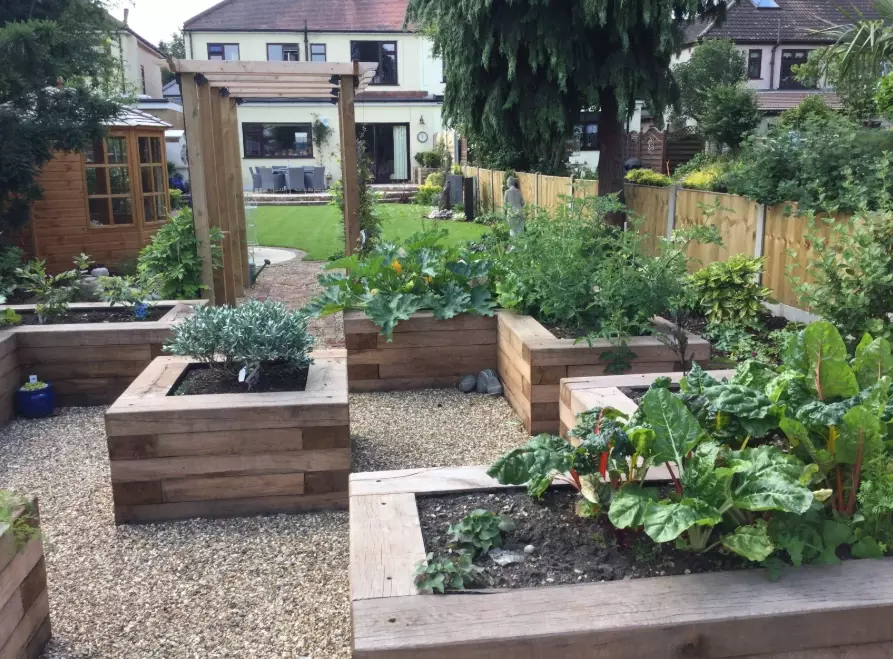
Design Tip: Leave at least 2-3 feet of walking space between beds. This seems excessive until you're trying to maneuver a wheelbarrow or kneel down with a basket. Trust me on this.
How to Build a Raised Garden Bed: A Real-World Walkthrough
Let's build a simple 4'x8'x1' bed from wood. You need: 3 pieces of 2"x12"x8' lumber (cut one in half for the ends), 6 pieces of 2"x4"x1' for corner stakes, exterior wood screws, a level, a shovel, and a drill.
- Clear & Level: Mark your area. Remove grass/sod. Don't just build on top of it—you'll create a weed haven. Tamp the ground roughly level.
- Assemble the Frame: Screw the boards together at the corners to form a rectangle. Pre-drill holes to prevent splitting.
- Anchor It: Place the frame. Drive your 2x4 stakes into the ground at each corner (and one in the middle of each long side if needed), then screw the frame securely to the stakes from the inside. This prevents bowing over time. Check for level.
- Prep the Base (The Often-Forgotten Step): Loosen the native soil underneath the bed with a garden fork, even just 6-8 inches deep. This breaks the hardpan and allows roots and water to move freely between your great soil and the ground below.
That's it. The structure is done. Now for the most important part.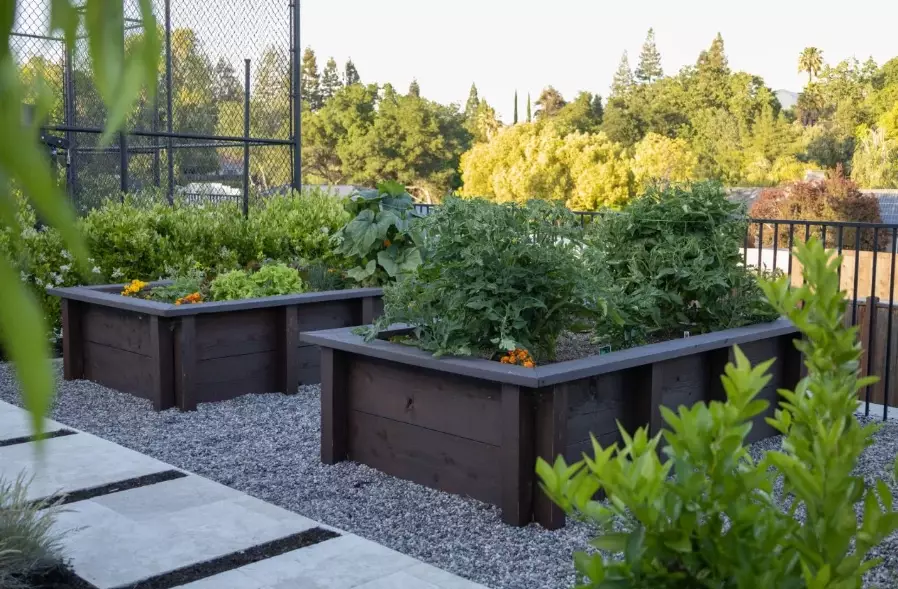
The "Secret Sauce": Your Raised Bed Soil Mix
Buying bags of "garden soil" from the big box store is the #1 reason new raised beds fail. That stuff is often too dense, like poorly made cake. You need a custom blend.
The classic, proven recipe is called "Mel's Mix", popularized by Square Foot Gardening. It's equal parts:
- Compost: Provides nutrients and biology. Use 2-3 different kinds if possible (mushroom, worm, plant-based).
- Peat Moss or Coco Coir: Holds moisture and keeps the mix light.
- Coarse Vermiculite or Perlite: Creates air pockets for root respiration and improves drainage.
Mixing this yourself is a workout. For my first 4'x8'x1' bed, I ordered a bulk "raised bed mix" from a local landscape supply company that followed this general philosophy. It was delivered by the cubic yard and was far cheaper and better than bagged stuff.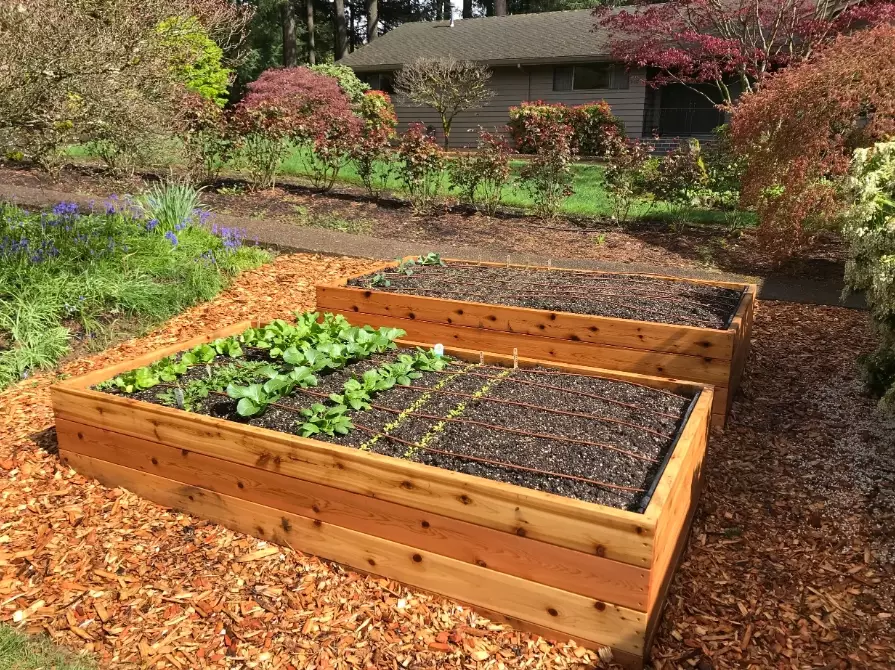
Avoid This Mistake: Don't just fill the bed to the brim on day one. Fill it about 80% full with your soil mix. Over the first few weeks, it will settle significantly. You'll then top it off with more compost or mix. Starting too full leads to soil spilling over the sides with every rain.
Planting and Maintaining Your Raised Bed
With your perfect soil, you can plant more intensively. Think squares, not rows. A 4'x8' bed can be mentally divided into thirty-two 1-foot squares, each growing a different crop (16 carrots, 1 broccoli, 9 bush beans, etc.). This maximizes yield and minimizes weeds.
Companion Planting & Rotation
This is where design meets season-long strategy. Plant basil near tomatoes (said to improve flavor). Keep onions away from peas. And each season, move plant families around the bed to prevent soil-borne diseases and nutrient depletion. The National Gardening Association has great charts on plant families for crop rotation.
Watering and Feeding
Raised beds drain fast. In summer, they might need water daily. Soaker hoses or drip irrigation on a timer are worth their weight in gold. They save water and time. For feeding, top-dress with an inch of fresh compost each spring. It's like a yearly vitamin boost.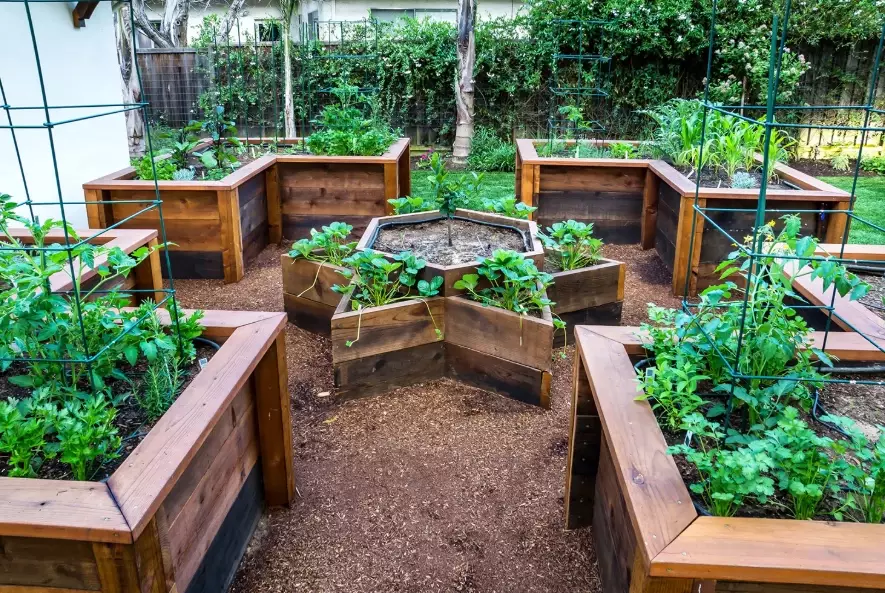
3 Common Raised Bed Design Mistakes (And How to Avoid Them)
After helping dozens of friends set up beds, I see the same patterns.
- Ignoring the "Underworld": Not loosening the subsoil. This creates a bathtub effect where water pools at the interface between your great soil and the hardpan below, leading to rotten roots.
- Overfilling with Inferior Soil: We covered this. Bad soil equals bad results. It's the foundation of the whole project. Don't skimp.
- Forgetting the Paths: Bare dirt between beds turns to mud. Plan for pathways. I use a thick layer of arborist wood chips (often free from tree services). They suppress weeds, feel great underfoot, and break down slowly to feed the soil.
Your Raised Bed Questions, Answered
 Can I put a raised bed directly on concrete or asphalt?
Reader Comments