You wake up, coffee in hand, ready to admire your garden. Instead, you're greeted by trampled flowers, nibbled shrubs, and the heartbreaking sight of your hostas looking like someone took a pair of scissors to them. Again. If you've ever felt that surge of frustration, you're not alone. Creating a truly deer proof garden feels like a constant battle, and most of the advice out there is either too simplistic or just plain wrong. I've spent over a decade landscaping in deer-dense areas, and I've seen every trick fail—until you understand the deer's mind. This isn't about declaring war; it's about smart, layered defense. Let's talk about what really works.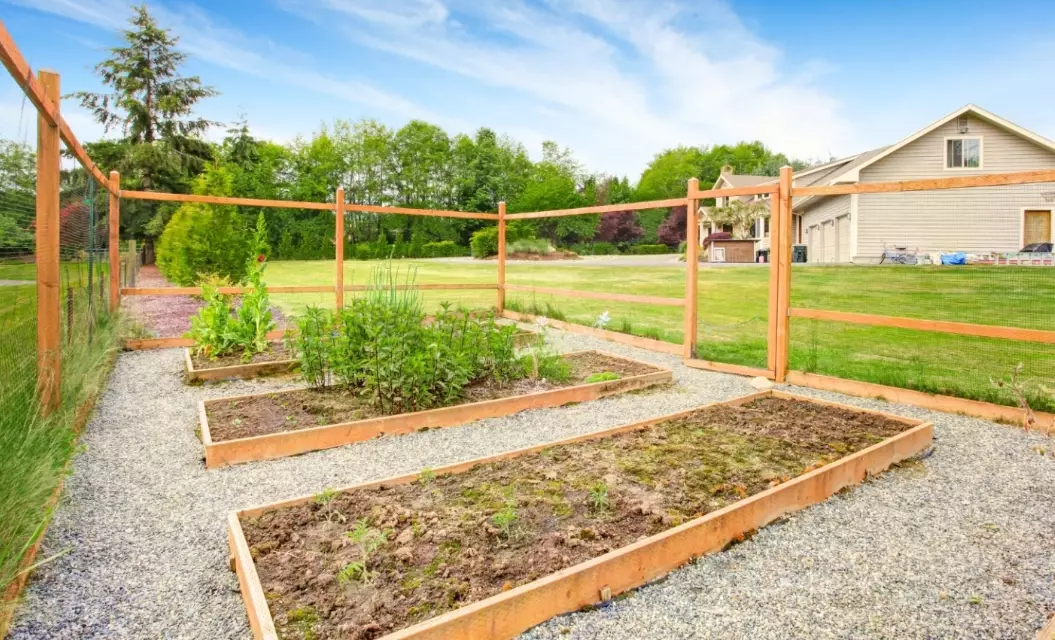
What's Inside This Guide
Understanding the Deer You're Dealing With
Most people start by buying a spray or planting some lavender. That's putting the cart before the horse. You need to know your opponent. Deer aren't just random browsers; they're creatures of habit with specific pressures.
Food scarcity in their natural habitat pushes them into our yards. A mother deer teaching her fawns where to eat creates generational patterns—your garden might be on the "family menu." They're also neophobic (wary of new things) but can become habituated if a deterrent proves harmless. The biggest mistake? Thinking a single solution is enough. A hungry deer, especially in late winter or during a drought, will overcome a fear of one smell or jump a fence they normally wouldn't.
Pressure matters. A suburban garden with a few passing deer needs a different plan than a rural property bordering woods. Observe. Are they just passing through or bedding down nearby? Look for tracks and droppings. This intel dictates your strategy's intensity.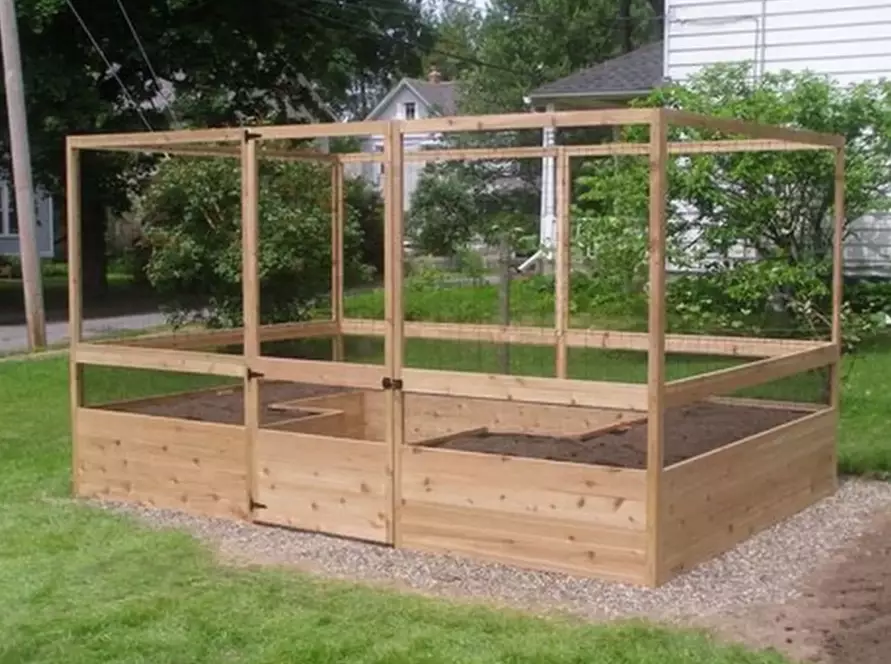
Your First Line of Defense: Smart Plant Selection
Planting deer resistant plants is the cornerstone, but the term "deer proof" is a myth. Rutgers University's Cooperative Extension has a fantastic rating system, which I've found to be mostly accurate in the field. They rate plants from A (rarely damaged) to D (frequently severely damaged). Stick mostly with A and B-rated plants for your foundation.
The common advice is to plant fragrant herbs and fuzzy-leaved plants. That's a good start, but here's the nuance everyone misses: deer tastes change with the season and location. A plant left alone in spring might be devoured in fall when other food sources dry up. I've seen Japanese maples (often listed as "moderately resistant") stripped bare in a harsh winter.
Here’s a practical list of workhorses I've relied on. These have survived in high-pressure zones with minimal protection.
| Plant Name | Type | Key Feature & Why It Works | Rutgers Rating* |
|---|---|---|---|
| Boxwood (Buxus) | Shrub | Contains alkaloids deer find distasteful; dense foliage. | A |
| Russian Sage (Perovskia) | Perennial | Strong aromatic foliage and fuzzy texture are huge turn-offs. | A |
| Lamb's Ear (Stachys) | Perennial | Extremely fuzzy, almost woolly leaves—deer hate the mouthfeel. | A |
| Daffodils (Narcissus) | Bulb | Toxic alkaloids (lycorine) throughout the plant, especially the bulb. | A |
| Butterfly Bush (Buddleia) | Shrub | Fragrant, but the leaves have a slight bitterness deer avoid. | B |
| Japanese Pieris | Shrub | Contains grayanotoxins, which are poisonous to many animals. | A |
| Catmint (Nepeta) | Perennial | Strong minty scent; a prolific and tough alternative to lavender. | A |
*Based on Rutgers University ratings. Your local experience may vary.
Protect your "deer candy"—hostas, tulips, roses, daylilies—by placing them closest to your house, inside physical barriers, or in raised containers on patios.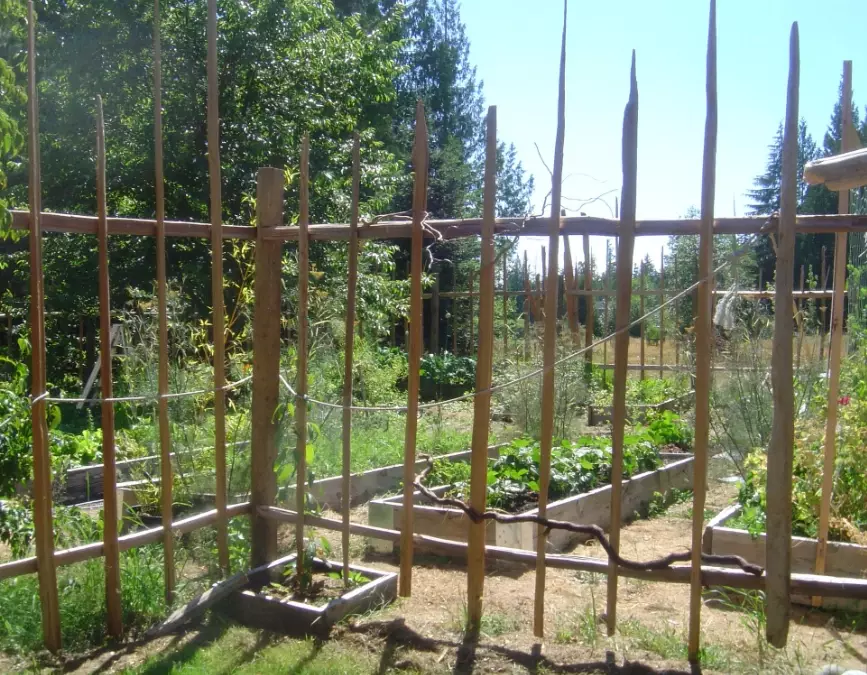
Building Fortresses: Physical Barriers That Don't Look Terrible
Fencing is the most reliable method, but it's also the most expensive and visually impactful. The key is knowing the right height. A deer can jump high, but not both high and wide.
The 8-Foot Rule: A standard vertical fence needs to be at least 8 feet tall to deter most deer. This can feel imposing.
Better, More Aesthetic Options:
- Slanted or Angled Fencing: A fence that slopes outward (away from the garden) confuses a deer's perception. They're less willing to jump something where the landing zone is unclear. A 6-foot slanted fence can be as effective as an 8-foot vertical one.
- Double Fencing: Two parallel fences, 4-5 feet tall and 4-5 feet apart. Deer won't jump into a narrow space where they can't land and push off. This is great for vegetable gardens and looks less monolithic.
- Individual Plant Cages: For prized shrubs or small trees, use cylindrical cages made of sturdy wire mesh (like hardware cloth). Make them tall enough (5+ feet) and secure them well. Ugly? Yes. Effective? Absolutely.
- Netting & Mesh: Bird netting draped over plants is a temporary fix deer can tear. Heavy-duty polypropylene deer netting (7.5 ft or taller) attached to sturdy posts is a more permanent, though still visible, solution for larger areas.
I once helped a client install a beautiful, black powder-coated steel mesh fence. It was 7 feet tall but had horizontal lines. The deer never jumped it. Why? The horizontal lines broke up their visual assessment of the height. A small detail with a big impact.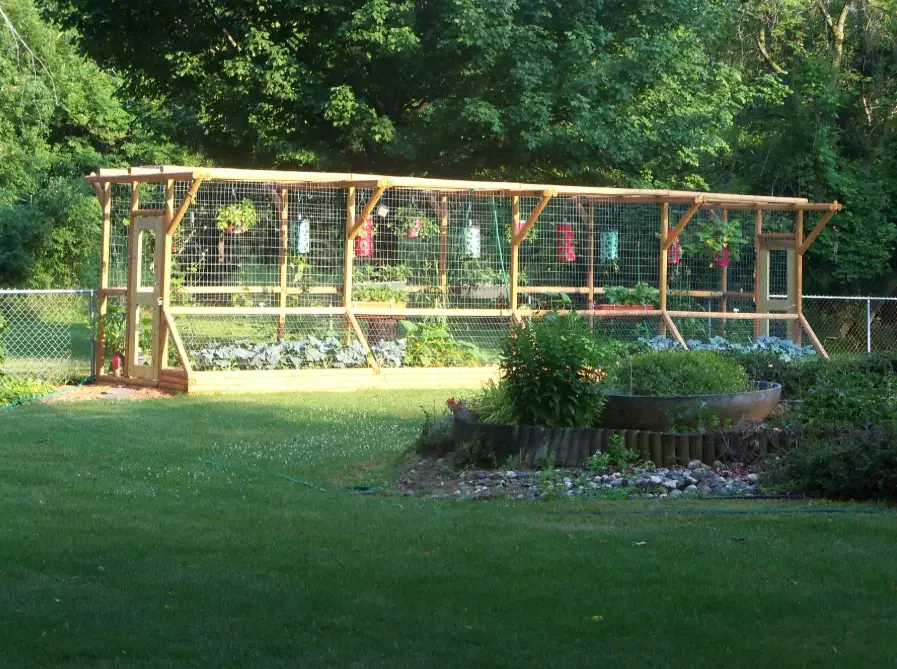
The Nose & Tongue War: Repellents and Deterrents
This is where most gardens fail. People spray once and expect miracles. Repellents work on memory and irritation, not magic.
Two Main Types:
1. Contact & Taste Repellents
These make the plant taste bad. Ingredients like putrescent egg solids, capsaicin (hot pepper), or bittering agents. They need to be applied directly to the plants you want to protect. Major drawback: They wash off in rain and need reapplication every 2-4 weeks (or after heavy rain). Brands like Bobbex or Deer Out are reliable. I find egg-based ones slightly more effective but smellier.
2. Area & Smell Repellents
These create a stinky zone. Think predator urine (coyote, wolf), blood meal, or strong soap bars. They're placed around the perimeter. The problem? Deer may eventually realize the "predator" never shows up and ignore it. Rotating between different scent types helps. Hanging bars of Irish Spring soap in mesh bags is an old-school trick with mixed results—it works for some, not for others.
My non-consensus tip: Don't waste money on ultrasonic devices or flashing lights alone. Deer habituate to them incredibly fast. They might work for a week as part of a scare tactic rotation, but never as a standalone.
The most effective smell strategy I've used is a homemade garlic and egg concentrate. Blend two raw eggs, a whole bulb of garlic, and a gallon of water. Let it sit for a day, strain, and spray. The smell is potent for about a week. It's cheap, so you can reapply frequently.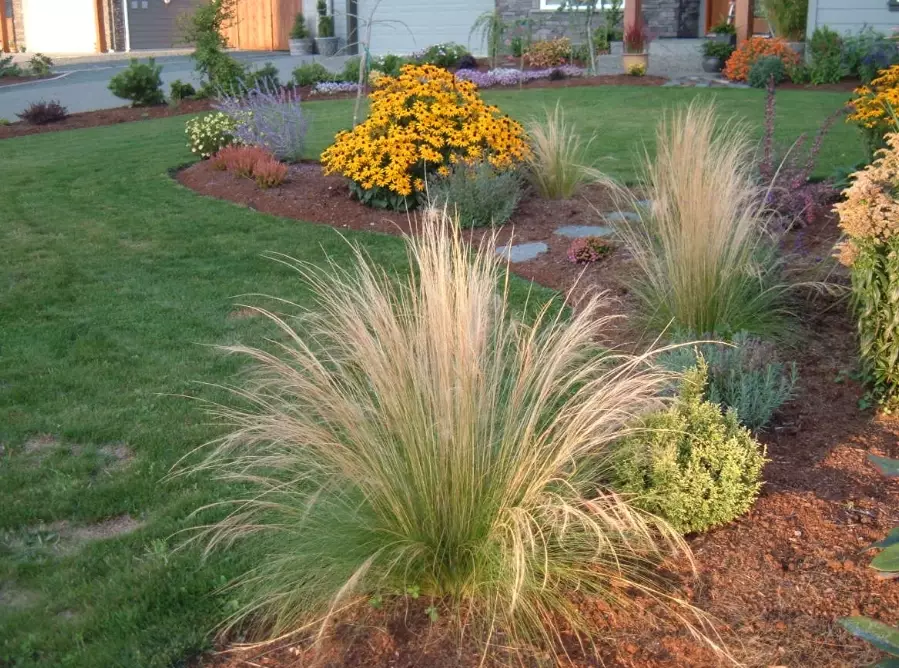
The Only Strategy That Works: A Layered Approach
Here's the truth no single product ad will tell you: A deer proof garden is built on layers, not a single silver bullet. Think like a security system.
Outer Layer (Perimeter): Use scent deterrents (rotated), perhaps a low double fence or a line of extremely thorny shrubs like Barberry (check if it's invasive in your area). This creates an unwelcoming zone.
Middle Layer (Garden Beds): Plant your foundation with highly deer-resistant plants (A-rated). Interplant them with your more desirable plants to confuse and discourage browsing.
Inner Layer (Prized Plants): Use physical barriers—cages, netting, or a single tall fence around your vegetable plot or rose garden. This is your last, strongest line of defense.
The Human Element: Be unpredictable. Move scarecrows or flags. Change your repellent spray brand seasonally. A deer that can't get comfortable will move on to easier territory.
It's work. But it's less work than replanting your entire garden every spring.
Your Deer Proofing Questions, Answered
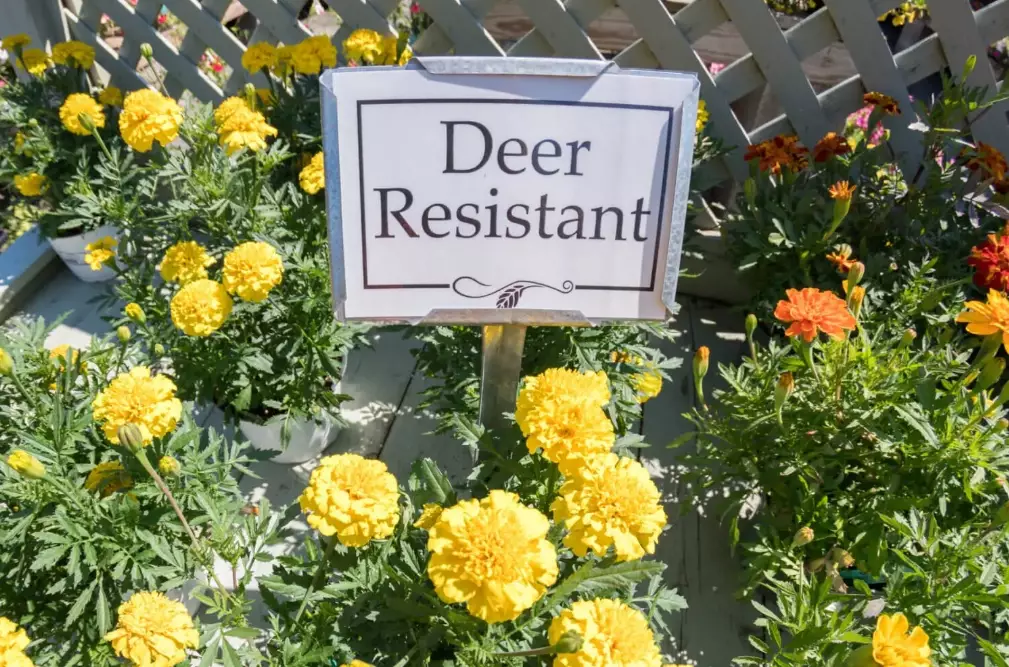
Are marigolds deer resistant?
What's the most common mistake people make with deer fencing?
 Do coffee grounds keep deer away?
Will a dog keep deer out of my garden?
Is it worth using mothballs to repel deer?
Reader Comments