Let's be honest. Starting beet seedlings can feel like a gamble. You plant these tiny, weird-looking seed clusters, wait, and hope. Sometimes you get a forest of sturdy little seedlings. Other times, you get a few spindly, pathetic strands that give up before they even start. I've been there. After more than a decade of growing beets (and making every mistake in the book), I've realized success isn't about luck. It's about understanding what those seedlings actually need, not just what the generic seed packet says. This guide cuts through the fluff and gives you the exact, actionable steps to grow beet seedlings so healthy and vigorous, your harvest will be the envy of the neighborhood.
What You’ll Learn in This Guide
- Why Starting with Strong Seedlings is Non-Negotiable
- How to Grow Beet Seedlings from Seed: A Step-by-Step Guide
- Common Beet Seedling Problems and How to Fix Them
- The Right Way to Transplant Beet Seedlings (Yes, You Can!)
- From Seedling to Harvest: Your Timeline and Expectations
- Your Top Beet Seedling Questions, Answered
Why Starting with Strong Seedlings is Non-Negotiable
Most gardening advice treats beets as a simple "direct sow" crop. Just toss seeds in the ground and walk away. That's fine if you have perfect, stone-free soil and endless patience for thinning. But for the rest of us, starting beet seedlings indoors gives you a massive head start. You're essentially controlling the first, most vulnerable 3-4 weeks of their life. You protect them from pests, erratic weather, and weeds. The result? Plants that hit the ground running, leading to an earlier, thicker, and more reliable harvest. It's the difference between hoping for beets and planning for them.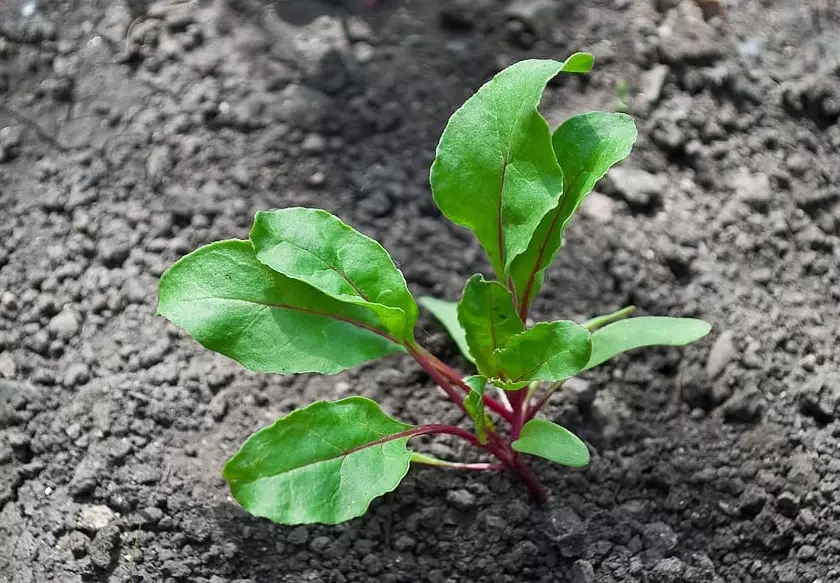
How to Grow Beet Seedlings from Seed: A Step-by-Step Guide
Forget the vague instructions. Here's the precise method I use every spring.
Gear You Actually Need
You don't need a fancy setup. A simple seed tray with a dome, a good light source (a sunny south window might work, but a basic LED grow light is a game-changer), and a quality seed-starting mix. Don't use garden soil or heavy potting mix—it compacts and suffocates delicate roots.
The Planting Process: Timing and Technique
Start seeds indoors about 4 to 6 weeks before your last expected spring frost. Beet seeds are actually dried fruit clusters containing multiple embryos. That's why you always get a clump of seedlings. Don't try to separate them before planting.
- Fill & Moisten: Fill your cells with pre-moistened seed starting mix. Not soggy, just evenly damp.
- Plant: Place 2-3 seed clusters per cell, about 1/2 inch (1.25 cm) deep. Cover lightly.
- Warmth is Key: Beets germinate best in soil temps of 60-85°F (15-29°C). A heat mat set to 70°F (21°C) makes germination fast and uniform. Without one, it's slow and spotty.
- Light & Water: Once you see green hooks (in 5-10 days), remove the dome and get them under bright light immediately. Keep the soil consistently moist, but never waterlogged. Bottom watering is best to avoid damping off disease.
The Critical First Weeks: Light, Food, and Air
This is where most people fail. Beet seedlings need intense light, close to the source, for 14-16 hours a day. If they stretch and get leggy, they're weak for life. A common, subtle mistake is waiting too long to give them nutrients. Seed-starting mix has no food. Once the first true leaves (the second set that appears) are fully developed, start feeding with a half-strength, balanced liquid fertilizer every 10-14 days. Also, run a gentle fan nearby for a few hours a day. It strengthens their stems dramatically.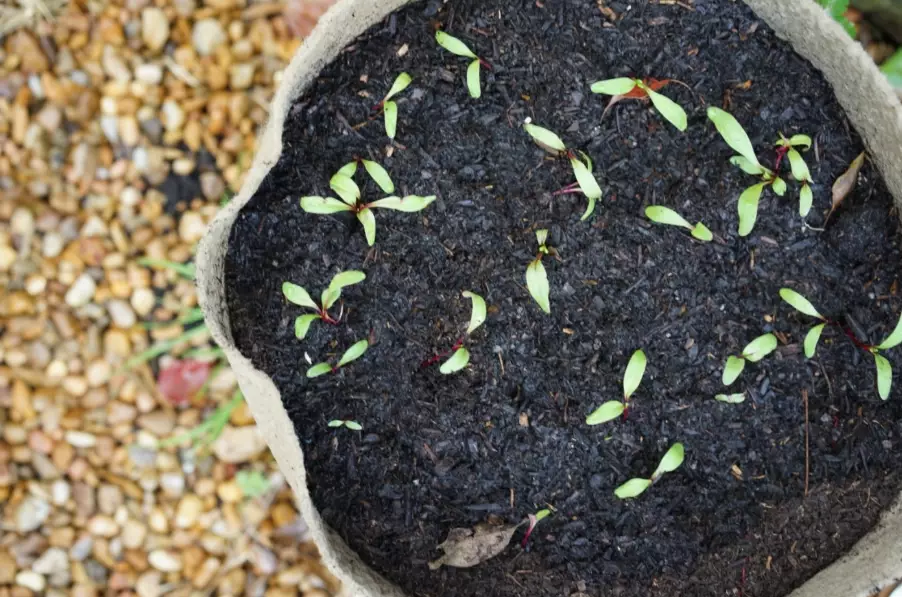
Common Beet Seedling Problems and How to Fix Them
Here’s a quick-reference table for diagnosing issues. I've dealt with all of these.
| Problem | What It Looks Like | Likely Cause | Immediate Fix |
|---|---|---|---|
| Leggy/Spindly Seedlings | Tall, thin, weak stems; pale color. | Insufficient light (most common). | Move light source to 2-4 inches above seedlings. Increase duration to 16 hrs. A fan can help strengthen existing stems. |
| Damping Off | Seedlings collapse at soil line; stems look water-soaked and thin. | Fungal disease from overwatering, poor air circulation, contaminated soil. | Remove affected seedlings immediately. Improve air flow (fan). Let soil surface dry slightly between waterings. Water from below. |
| Yellowing Leaves (Lower) | Older leaves turn yellow while veins may stay green. | Nitrogen deficiency or overwatering. | Apply half-strength balanced fertilizer. Check that pots drain properly. |
| Stunted Growth | Seedlings stay tiny for weeks; no new leaves. | Soil too cold, compacted soil, or lack of nutrients. | Ensure room temp >60°F. Gently aerate soil surface. Begin fertilizing schedule. |
| Pests (Fungus Gnats) | Tiny black flies around soil; larvae in mix. | Overly moist organic matter in soil. | Use yellow sticky traps. Let top inch of soil dry out between waterings. Consider a BTI (Bacillus thuringiensis israelensis) drench for severe cases. |
The Right Way to Transplant Beet Seedlings (Yes, You Can!)
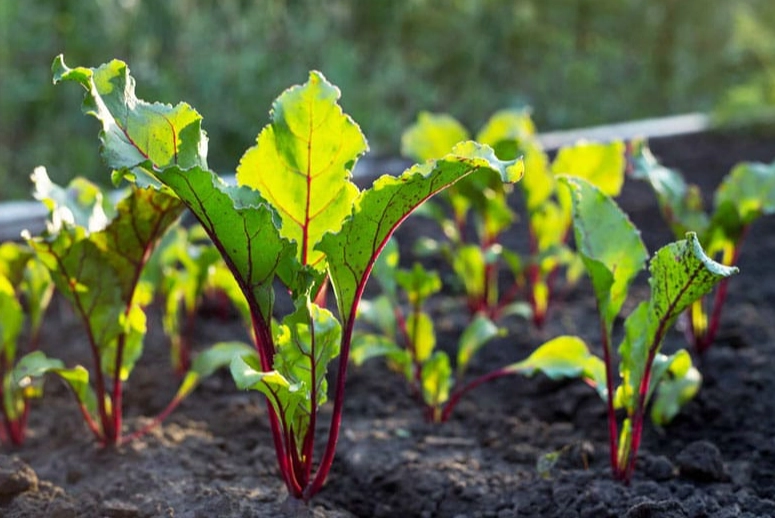
The fear of transplanting beets is overblown. The key is timing and technique. Transplant when seedlings have 2-4 true leaves, but before the taproot gets too long and confined. Harden them off for 7-10 days—this is non-negotiable. Start with an hour of dappled shade, gradually increasing sun exposure.
The Actual Transplant Day:
- Water seedlings deeply a few hours before.
- Prepare garden beds with loose, well-draining soil. Work in some compost.
- Gently pop the entire root ball out of the cell. If roots are circling, gently loosen the outer edges.
- Plant at the same depth they were growing. Space them 3-4 inches apart for roots to size up properly.
- Water immediately with a gentle shower to settle soil around roots.
- Provide light shade (like a row cover) for 1-2 days if it's very sunny to reduce transplant shock.
The biggest mistake is rough handling that breaks the delicate taproot. Be gentle, and they'll hardly notice the move.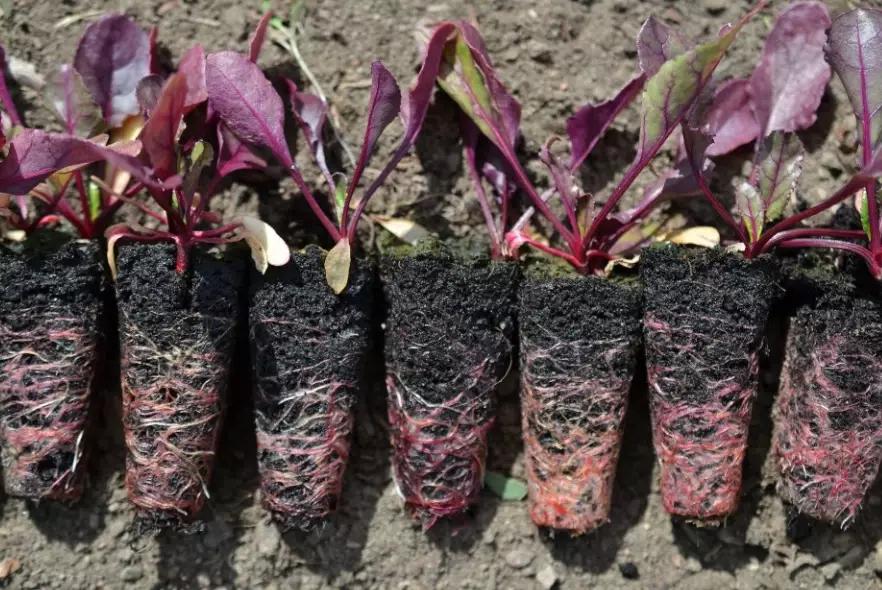
From Seedling to Harvest: Your Timeline and Expectations
Let's set realistic expectations so you're not digging around disappointed.
- Weeks 1-4 (Indoors): Germination and seedling establishment under lights.
- Week 5-6: Hardening off and transplanting outdoors after frost danger passes.
- Weeks 7-9: The seedlings will seem to just sit there for a bit. This is normal—they're establishing their root systems underground. Then, leaf growth explodes.
- Weeks 10-12: You can start harvesting beet greens sparingly. Take one or two outer leaves per plant.
- Weeks 12-16: Baby beets! You can harvest when roots are golf-ball sized (about 1.5 inches). For full-sized beets, wait until they're 3+ inches, typically 55-70 days from transplant. Don't leave them in the ground too long or they can become woody.
Soil consistency matters more than you think. A rock or hardpan layer will force your beautiful seedlings into forked, misshapen roots. If your soil is heavy clay, consider raised beds.
Your Top Beet Seedling Questions, Answered
 How cold can beet seedlings tolerate after transplanting?
Growing beet seedlings successfully isn't about having a green thumb. It's about controlling the variables that matter most in those first few weeks: warmth for germination, intense light for strong stems, gentle handling for transplanting. Get those right, and you're not just growing seedlings—you're growing the foundation for a harvest of sweet, earthy, homegrown beets that store well and taste nothing like the canned stuff. Give it a try this season. You might just find it becomes your favorite gardening ritual.
Reader Comments