Let's cut to the chase. If you're spending your weekends pulling weeds and watering constantly, you're working too hard. Mulch gardening isn't just a tip; it's a complete system that mimics nature to build a resilient, low-maintenance garden. I learned this the hard way after a decade of trial and error, watching plants struggle in bare, compacted soil. The moment I started treating mulch as the foundation, not an afterthought, everything changed. This guide will show you exactly how to make that shift.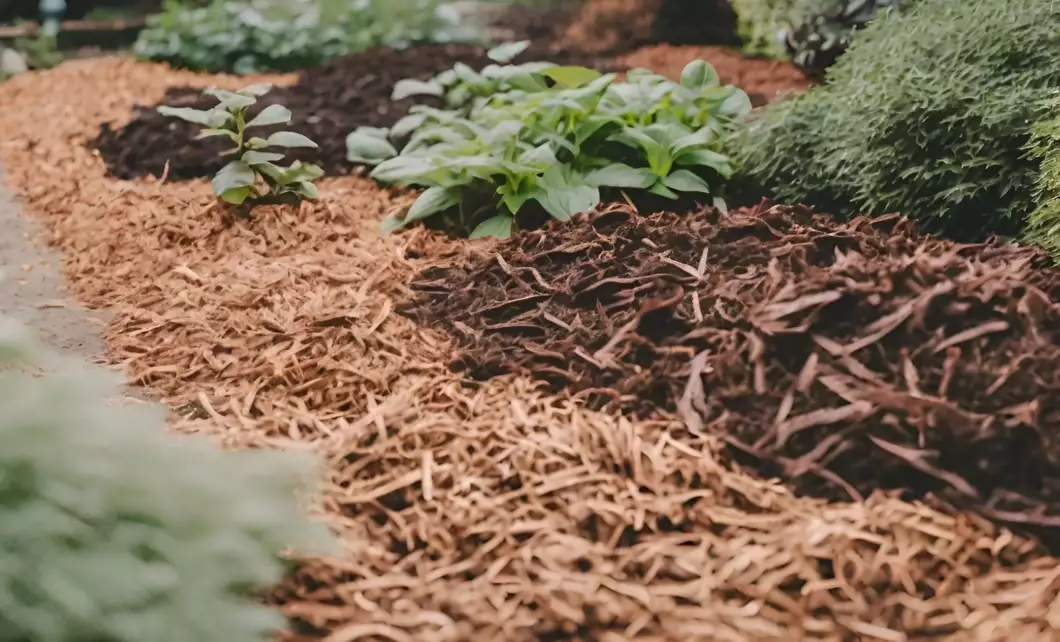
What You'll Learn
What is Mulch Gardening, Really?
Mulch gardening means maintaining a permanent, living layer of organic material on your soil surface. It's not about dumping a bag of bark chips once a year. Think of it as a protective blanket that's constantly working. The core principle is simple: bare soil is stressed soil. It bakes in the sun, erodes in the rain, and gets invaded by weeds. A mulch layer creates a stable, beneficial environment where soil life thrives.
The magic happens underneath. Earthworms and microorganisms break down the organic matter, slowly releasing nutrients in a form plants can easily absorb. This process builds what gardeners call "humus"—the dark, crumbly, sweet-smelling gold of the garden. According to research from institutions like the USDA, maintaining soil cover is one of the most effective practices for improving soil health and water retention.
My vegetable garden transformed when I stopped tilling and started mulching heavily. The soil went from hard and grey to soft, dark, and full of worms in about two seasons. The difference in plant vigor and my workload was staggering.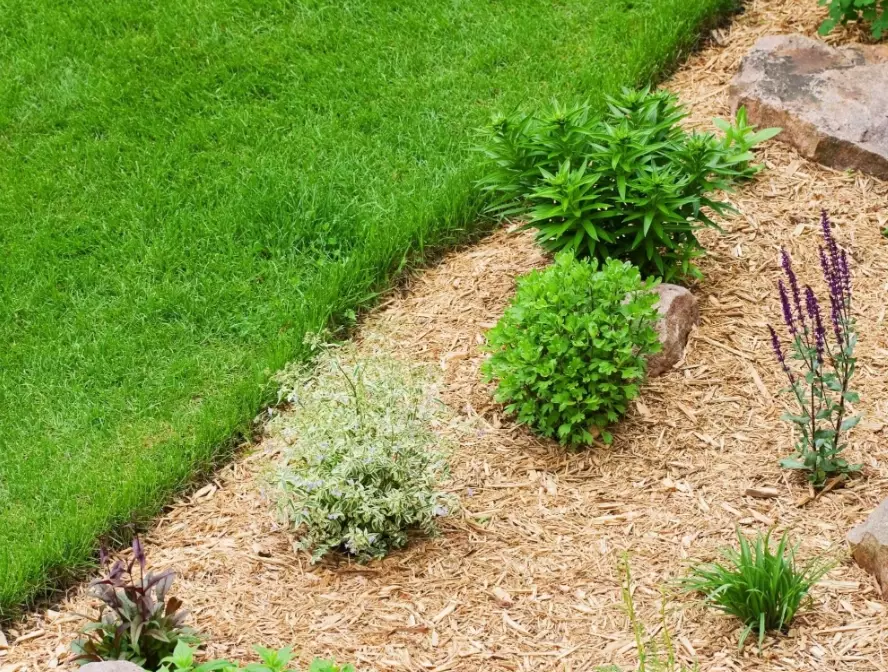
Mulch Types: Pros, Cons & Best Uses
Not all mulch is created equal. Picking the wrong type can lock up nitrogen, introduce diseases, or even harm your plants. Here’s a breakdown of the most common options, based on what actually works in the garden.
| Mulch Type | Best For | Pros | Cons & Watch-Outs | Approx. Depth |
|---|---|---|---|---|
| Shredded Hardwood Bark | Ornamental beds, pathways, around trees & shrubs. | Weed suppression is excellent, decomposes slowly, looks neat. | Can be expensive. Fresh bark can temporarily tie up soil nitrogen. Avoid dyed varieties. | 2-3 inches |
| Straw (Not Hay!) | Vegetable gardens, strawberry beds, new lawns. | Inexpensive, light, allows water through easily, great for seedlings. | Hay contains weed seeds. Can blow away if not lightly watered down. May shelter slugs. | 3-4 inches |
| Compost or Well-Rotted Manure | Top-dressing vegetable gardens, around heavy feeders (tomatoes, squash). | Feeds the soil immediately, improves texture, warm dark color absorbs sun. | Not a great weed barrier on its own. Best used under another mulch layer. | 1-2 inches |
| Leaf Mold/Shredded Leaves | Woodland gardens, under shrubs, perennial beds. | Free if you have trees, fantastic for soil structure, worms love it. | Whole leaves can mat into a soggy, impermeable layer. Must shred them first. | |
| Grass Clippings (Dried) | Pathways between garden rows, thin layers in veggie beds. | Free, high in nitrogen, decomposes quickly. | Must be dried first to avoid slimy, smelly mats. Don't use from treated lawns. | 1 inch max, layered |
| Pine Needles (Pine Straw) | Acid-loving plants (blueberries, azaleas, rhododendrons). | Long-lasting, allows air/water flow, doesn't compact, slightly acidic. | Not ideal for plants that prefer neutral or alkaline soil. Can be slippery. | 2-3 inches |
| Wood Chips (Arborist Chips) | Orchard floors, perennial pathways, around established trees. | Often free from tree services, lasts years, fosters fungal networks. | High carbon content can tie up nitrogen if mixed into soil. Best for surface application. | 3-4 inches |
A quick note on rubber mulch or landscape fabric: I don't use them in my planting beds. They don't improve soil health, can leach chemicals, and often create more problems than they solve by preventing water and air exchange. They have a place in playgrounds, not in a living garden ecosystem.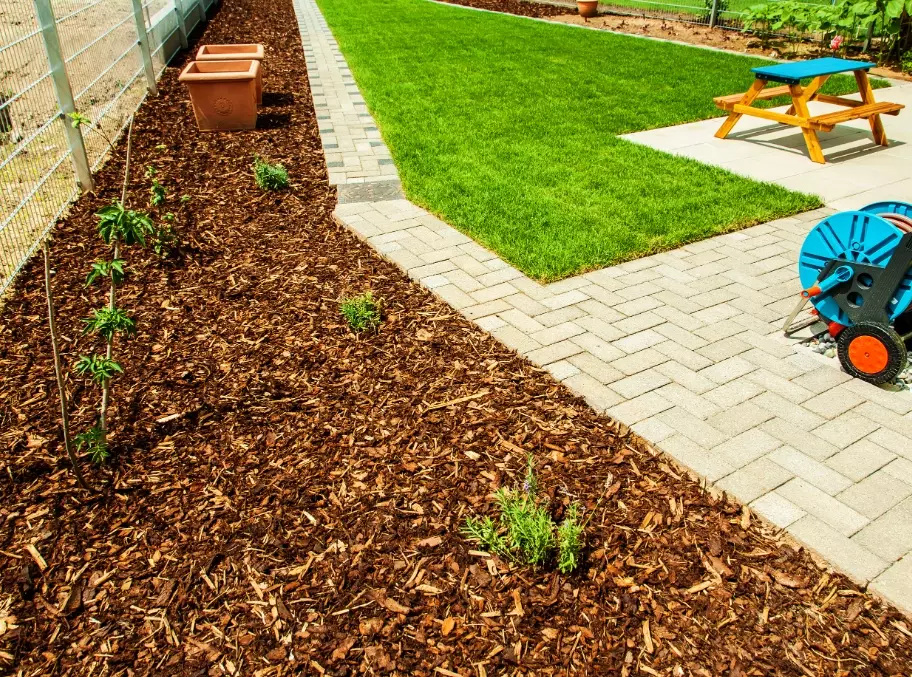
How to Choose the Right Mulch for Your Garden
Stop thinking about just aesthetics. Ask these three questions first:
What are you growing? Vegetable gardens need nutrient-rich, fast-to-warm mulches like straw or compost. A blueberry patch screams for pine needles. A formal flower bed might look best with shredded bark.
What's your primary goal? Is it beating back relentless weeds? Go thick with wood chips or bark. Is it conserving water in a dry climate? A light-colored straw or compost layer reflects sun and holds moisture incredibly well. I live in a drought-prone area, and a 3-inch straw layer cut my watering by at least 60%.
What's locally available and affordable? Sustainability matters. Using shredded leaves from your yard or wood chips from a local tree service is cheaper and has a lower carbon footprint than bagged mulch shipped across the country.
Pro Tip: Don't be afraid to layer mulches. I often put down a half-inch of compost first (to feed), then top it with 3 inches of straw (to suppress weeds and retain moisture). This "lasagna" approach gives you the benefits of both.
How to Mulch Properly: A Step-by-Step Guide
Doing it wrong can suffocate plants. Here's the right way, broken down.
1. Prep the Area
Water the soil deeply if it's dry. Pull any existing weeds, especially perennial ones with deep roots. If you're mulching a new bed, you can lay down a single layer of plain cardboard or several layers of newspaper over grass/weeds to smother them. Wet it down so it stays in place. This is a great no-till method.
2. The Critical "Mulch-Free" Zone
This is the mistake I see most. Never pile mulch against the stems of plants or the trunk of a tree. This creates a moist environment perfect for rot, rodents, and disease. Leave a clear, bare circle of 2-3 inches around annuals and perennials, and 6-12 inches around tree trunks. The mulch should look like a donut, not a volcano.
3. Apply the Right Amount
More is not always better. For weed suppression and moisture retention, a 2-4 inch layer is the sweet spot. Use the lower end for finer mulches like compost or grass clippings, and the higher end for coarse mulches like straw or wood chips. Too thin, and weeds will push through. Too thick (over 4 inches), and you can block water and air from reaching the soil.
4. Spread Evenly
Use a rake or your hands to create an even layer. Avoid creating thick mounds. The goal is uniform coverage.
That's it. The whole process for a prepped bed should take minutes, not hours.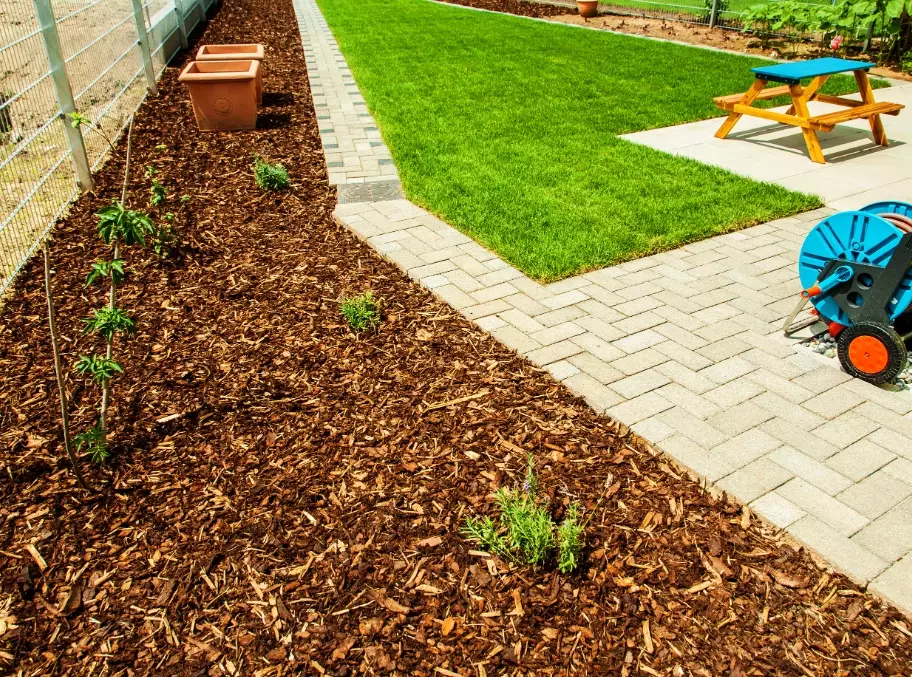
5 Common Mulching Mistakes That Hurt Your Plants
After helping dozens of neighbors with their gardens, I see the same errors repeatedly.
1. The Mulch Volcano: Already mentioned, but it's the #1 killer of landscape trees. Piling mulch against the trunk keeps it constantly wet, leading to rot and inviting insects. It also can cause roots to grow up into the mulch instead of down into the soil.
2. Using Fresh, Uncomposted Wood Chips as "Soil Amendment": If you till fresh wood chips into your soil, the microbes will use all available nitrogen to break down that carbon, robbing your plants. Fresh chips are for surface mulch only. Let them decompose on top.
3. Applying Mulch on Soggy, Cold Soil in Early Spring: This will keep the soil cold and wet, delaying planting and potentially rotting seeds or seedlings. Let the sun warm the soil first, then apply mulch to retain that warmth.
4. Assuming "No-Dig" Means "No-Feed": Mulch breaks down and feeds the soil slowly. For heavy-feeding plants like tomatoes or corn, you still need to add a layer of compost or an organic fertilizer under your straw mulch at planting time.
5. Ignoring the Mulch as It Breaks Down: That layer will shrink. If you don't refresh it, you're back to square one with weeds and evaporation. Plan to top it up once a year, usually in late spring or early fall.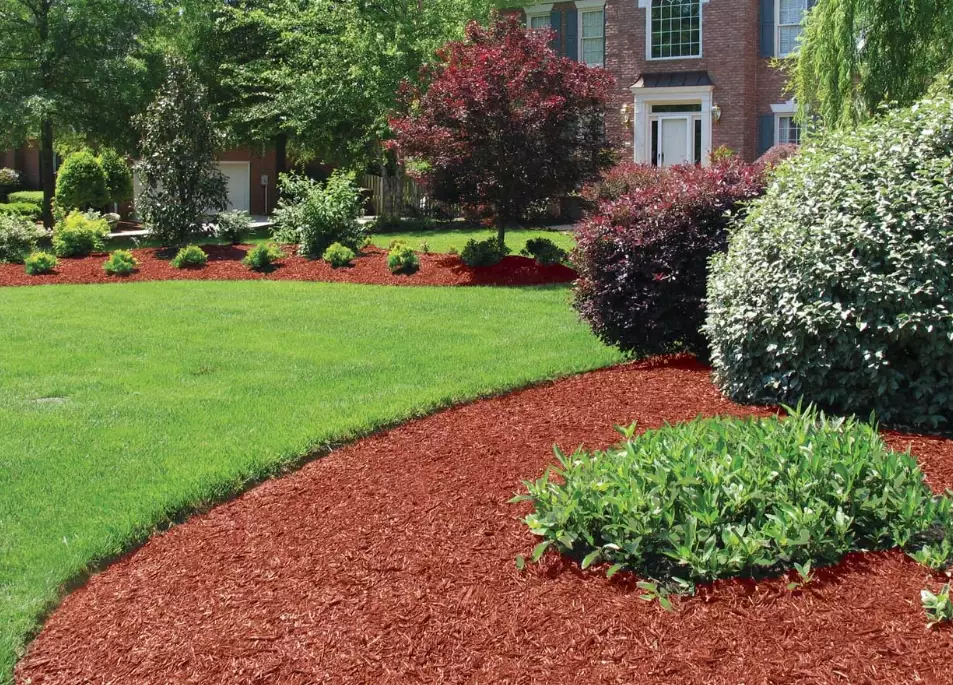
Watch Out: Sour or slimy mulch happens when large piles of organic mulch (especially bark or wood chips) decompose without oxygen, creating acidic, toxic byproducts. It smells like vinegar or ammonia. Never use this on your plants. Always source mulch that's been stored loosely, and avoid gigantic, steaming piles.
Maintaining and Refreshing Your Mulch Layer
Mulch gardening is low-maintenance, not no-maintenance. Once a year, take a walk through your garden. Has the layer thinned to less than 2 inches? Are weeds starting to peek through? Gently rake the existing mulch to fluff it up and break any crust, then add a fresh inch or two on top. In vegetable gardens, at the end of the season, you can till the old, broken-down mulch into the soil (it's now compost) and lay a fresh layer, or simply add the new on top of the old.
For perennial beds, I prefer the "add on top" method. Over years, this builds incredible soil depth without disturbing plant roots.
Your Mulch Gardening Questions Answered
My mulch has developed a white, fuzzy mold. Is this bad?
Not usually. That's likely a harmless saprophytic fungus, just breaking down the organic matter. It's a sign your mulch is doing its job and the soil life is active. You can lightly stir it into the mulch layer if the look bothers you. Only be concerned if the mulch smells foul or slimy—that's anaerobic decomposition, and you should remove it.
Can I use mulch in my container gardens and raised beds?
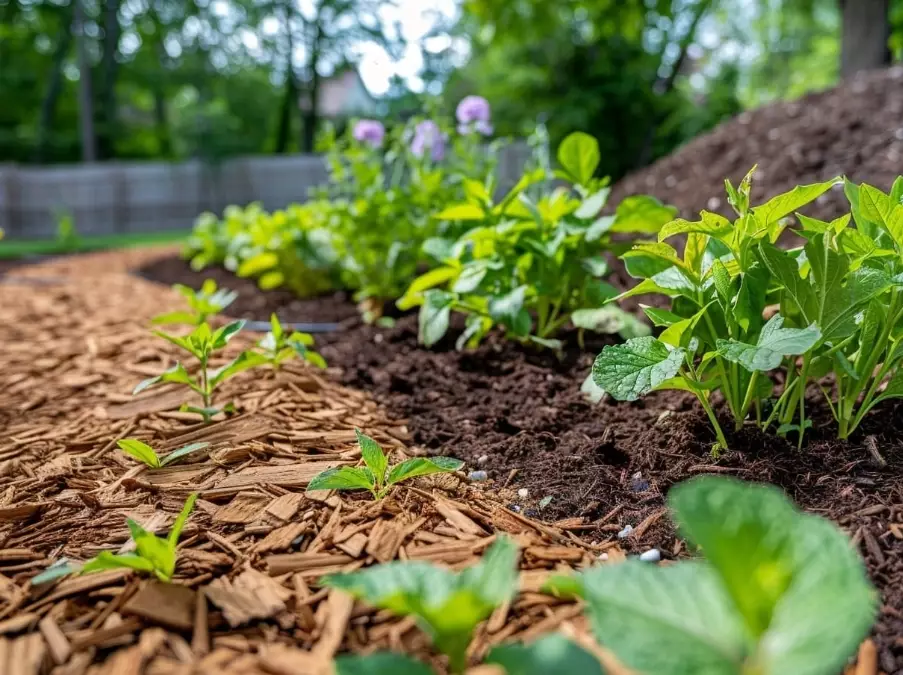
Absolutely, and you should. A 1-2 inch layer of a light mulch like straw, cocoa hulls, or shredded bark on top of your container soil dramatically reduces surface evaporation in the hot sun. Just remember the mulch-free zone around the stems. In raised beds, it works exactly like in-ground gardens.
 I have a major slug problem. Will mulch make it worse?
It can, depending on the mulch. Slugs love to hide under thick, moist layers of mulch, especially fine-textured ones. If slugs are your nemesis, opt for a drier, coarser mulch like bark chips or gravel around susceptible plants (hostas, lettuce). Keep the layer thinner and further from plant stems. Also, avoid evening watering, which creates a slug highway.
How do I mulch over existing weeds?
For annual weeds, a thick enough layer (3-4 inches) will smother them. For persistent perennial weeds like bindweed or Bermuda grass, you need to starve them of light first. Smother them with cardboard or several layers of newspaper, wet it, THEN pile your mulch on top of that barrier. The cardboard will decompose in a season, but by then the weeds underneath should be dead.
Is it true that cedar mulch repels insects?
There's some anecdotal evidence and limited study suggesting cedar oils can repel certain insects like ants, moths, and cockroaches. However, don't rely on it as your sole pest control. Its effectiveness is mild and temporary, as the oils fade. Its primary benefit is still as a long-lasting, attractive organic mulch that suppresses weeds.
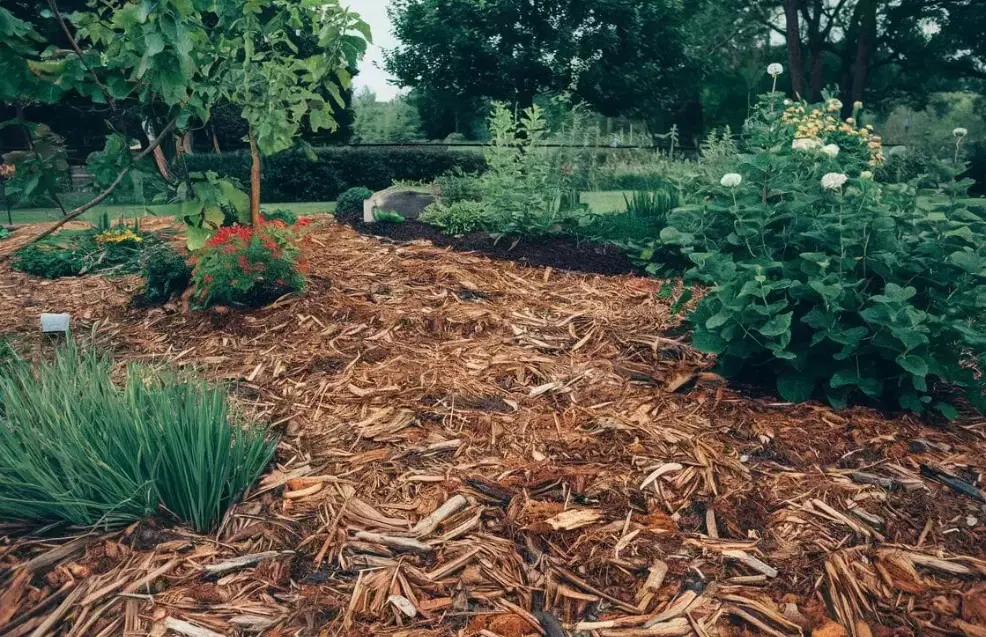 The bottom line is this: start viewing mulch as an essential component, not decoration. Get the right type, put it down correctly, and maintain it. Your plants will be healthier, your soil will come alive, and you'll get to spend more time enjoying your garden and less time working in it. That's the real payoff of mulch gardening.
Reader Comments