Most gardeners pack it in when summer ends, but that's a huge mistake. Fall planting is the smartest move you can make. It's not about a last-ditch effort; it's about getting a massive head start. While everyone else is starting from scratch next spring, your garden will already be waking up, roots established, ready to explode with growth. This guide cuts through the noise and tells you exactly what to plant in the fall, why it works, and how to avoid the common pitfalls that trip up even experienced growers.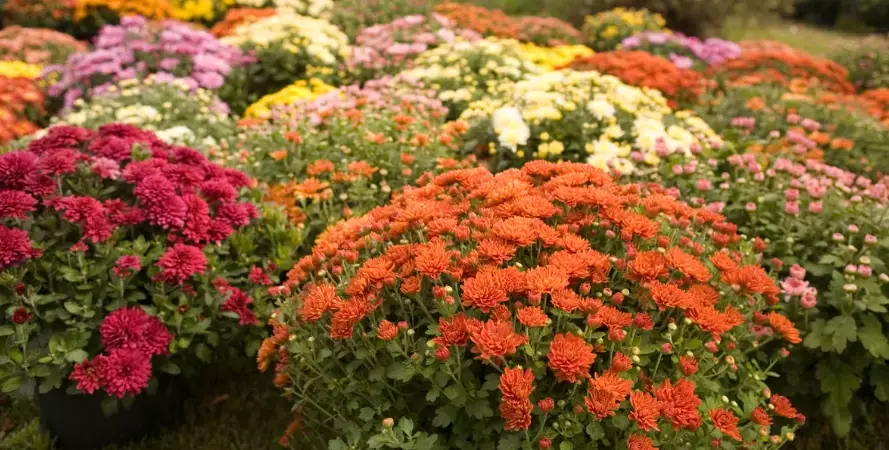
What’s Inside This Guide
Why Fall Planting is a Secret Weapon
Think about it. The soil is still warm from summer, which encourages root growth. The air is cooler, so plants aren't stressed by scorching heat. There's usually more consistent rainfall. Pests and diseases start to fade away. It's perfect. Vegetables you plant now focus all their energy on building a strong root system underground. Then, they sit dormant over winter (or grow slowly in milder climates), and are primed to rocket upwards as soon as days lengthen in late winter and early spring. You'll be harvesting peas and lettuce weeks before your neighbors even think to sow seeds.
The Big Mistake I See: People wait until the first frost warning to start planting. By then, it's way too late for most crops to establish. The key is working backwards from your first average frost date. You need to get seeds and seedlings in the ground while the soil is still genuinely warm, usually 6-8 weeks before that first frost hits. This gives roots time to settle.
Your Fall Planting Timing Map
Timing is everything. It's not a single date; it's a window. If you don't know your first frost date, a quick search for "[Your City] first frost date" or checking your local agricultural extension office website (like the USDA Plant Hardiness Zone Map) will give you the ballpark. Here’s how to break it down:
- 10-12 Weeks Before First Frost: This is your prime window for slow-growing, cold-hardy brassicas like kale, Brussels sprouts, and collards. Also time for your last sowing of bush beans and fast-maturing summer squash.
- 8-10 Weeks Before First Frost: The main event. Plant spinach, Swiss chard, turnips, beets, and direct-sow carrots and parsnips. Transplant your broccoli and cabbage seedlings.
- 6-8 Weeks Before First Frost: Get your leafy greens in: lettuce, arugula, mustard greens, and Asian greens like bok choy. Also plant garlic and shallots (they'll overwinter for a summer harvest).
- 4-6 Weeks Before First Frost & After: This is for overwintering crops. Plant onion sets, garlic (in colder zones), and hardy perennial flowers or shrubs. The soil is still workable, and roots will grow until it freezes solid.
Top Vegetables to Plant in Autumn
Forget delicate tomatoes. Fall is for the tough guys. These plants laugh at a light frost; some even taste sweeter after a chill.
| Vegetable | Key Fall Varieties to Try | Days to Maturity | Pro Tip |
|---|---|---|---|
| Kale | Winterbor, Red Russian, Lacinato (Dinosaur) | 55-70 | Don't harvest the central growing tip; pick outer leaves for a "cut-and-come-again" harvest all winter. |
| Spinach | Bloomsdale Long Standing, Giant Winter | 40-50 | Sow thickly. Germination can be spotty in cooler soil. Use a cold frame for harvests into deep winter. |
| Garlic | Music (Hardneck), Inchelium Red (Softneck) | Harvest next summer | Plant cloves pointy-side up, 2 inches deep, 6 inches apart. Mulch heavily with straw after planting. |
| Carrots | Napoli, Mokum, Autumn King | 60-80 | They'll sweeten up in the cold ground. You can leave them in the soil under mulch and harvest all winter in many zones. |
| Lettuce & Salad Mix | Winter Density, Rouge d'Hiver, Mesclun Mix | 45-60 | Succession sow every two weeks for a continuous supply. The outer leaves may get frost-bitten, but the heart often survives. |
I'm personally skeptical of the hype around fall-planted potatoes in very cold zones. It can work in mild climates (Zone 8+), but in most places, you risk the tubers rotting in cold, wet soil. Stick with spring for spuds.
How to Plant Fall Garlic for Maximum Bulbs
Garlic is the poster child for fall planting. Break a head into individual cloves. Choose the largest, healthiest ones—small cloves yield small bulbs. Plant them in a sunny spot with well-drained soil. The classic mistake is planting too shallow. Go at least 2 inches deep, maybe 3 in colder areas. That extra depth protects them from winter heaving. Water them in, then forget them until you see green shoots in early spring. It's the easiest crop you'll ever grow.
Planting Bulbs for a Spectacular Spring
This is non-negotiable. Tulips, daffodils, crocus, hyacinths, and alliums must be planted in autumn. They need weeks of cold temperatures to trigger flowering. If you wait until spring to buy them, you're buying forced bulbs that are already spent.
Here's a trick most planting guides don't mention: depth matters, but so does orientation. Plant bulbs pointy-end up, obviously. But if you can't tell (like with anemones or ranunculus), plant them on their side. The stem will find its way up. For a natural look, toss handfuls of bulbs and plant them where they land. Don't line them up like soldiers.
Expert Soil Prep: The Step Everyone Skips
You're planting after a full season of growth. Your soil is tired. Don't just stick new plants in exhausted dirt.
First, pull out spent summer plants. Then, add a generous 2-3 inch layer of compost or well-rotted manure. Don't use fresh manure—it can burn plants. A light sprinkle of a balanced, organic fertilizer (something like a 5-5-5) can help give fall crops a gentle boost, as microbial activity slows down in cooler soil. Work it all in lightly with a garden fork. You're not tilling deeply, just incorporating the goodness into the top few inches. This feeds the soil life and gives your fall seeds a rich, fluffy bed to germinate in.
Protecting Your Fall Crops from Frost
A light frost (28-32°F) is actually beneficial for many greens. A hard freeze (below 28°F) is the killer. To extend your season by weeks or even months, you need protection.
- Floating Row Covers (Agribon): This is your best friend. This lightweight fabric lets in light and water but holds in warmth, offering 2-4°F of protection. Drape it directly over plants or support it with hoops.
- Cold Frames: Basically a mini-greenhouse. You can buy one or build a simple box with an old window on top. It creates a microclimate that can be 10-20°F warmer than outside.
- Heavy Mulch: For root crops (carrots, parsnips) and garlic, a thick 6-inch layer of straw or shredded leaves acts like a blanket, preventing the ground from freezing solid so you can harvest all winter.
I see people use clear plastic sheeting. It's tempting, but on sunny days, it can cook your plants underneath. Use it with extreme caution and plenty of ventilation.
Your Fall Planting Questions Answered
Can I still plant in late fall if I missed the window?
What's the one vegetable that absolutely fails when planted in fall?
 How do I water my fall garden differently?
Is it worth starting seeds indoors for fall transplanting?
My fall-planted spinach always bolts. What am I doing wrong?
Reader Comments