Let's cut to the chase. If you're asking "how long does asparagus take to grow," you're probably hoping for a quick answer. The honest truth? Asparagus is a long-term relationship, not a summer fling. From planting to your first proper harvest, you're looking at a minimum of two to three years. I know, it sounds like a lifetime when you're eager for fresh, homegrown spears. But stick with me. That initial wait is an investment that pays off for 15, 20, even 25 years with minimal effort. I've made the mistakes so you don't have to, and understanding this timeline is the first step to asparagus success.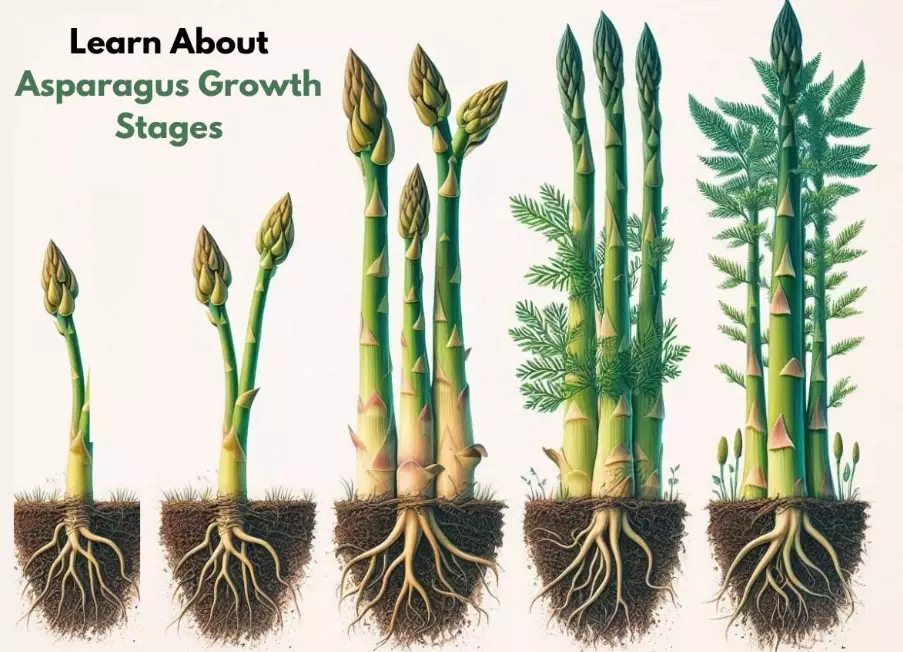
What You'll Learn Inside
The Asparagus Growth Timeline: A Patient Gardener's Guide
Think of asparagus as building a deep, strong foundation. The plant spends its first few years developing a massive, energy-storing root system called the crown. Only when that's robust enough does it channel energy into producing the thick, tasty spears we want. Here's the year-by-year breakdown.
Year 1: The Establishment Phase (All Roots, No Fruits)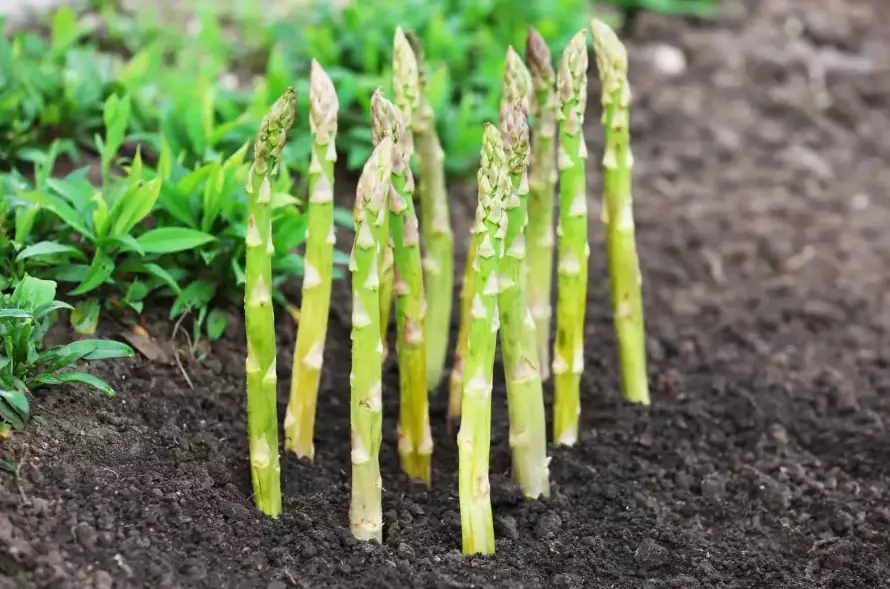
This is the quiet year. Whether you start with seeds or purchased crowns, the goal is survival and root growth. You'll see ferny foliage, not edible spears. The biggest mistake here is even thinking about harvesting. Don't. Not a single spear. I know it's tempting when a few fat ones pop up, but cutting them starves the young crown. The Royal Horticultural Society (RHS) stresses this point: allowing the ferns to grow fully is non-negotiable for future yields.
Year 2: The Tease (Maybe a Tiny Taste)
Your patience is tested. The plants are stronger, and you'll see more, thicker spears. The official advice? Resist a full harvest. Some guides say you can take a few spears over a 2-3 week period if the plants look vigorous. Personally, I advise against it unless you started with thick, healthy 2-year-old crowns. Even then, be stingy. This year is still primarily about building reserves.
Year 3 and Beyond: The Payoff Begins
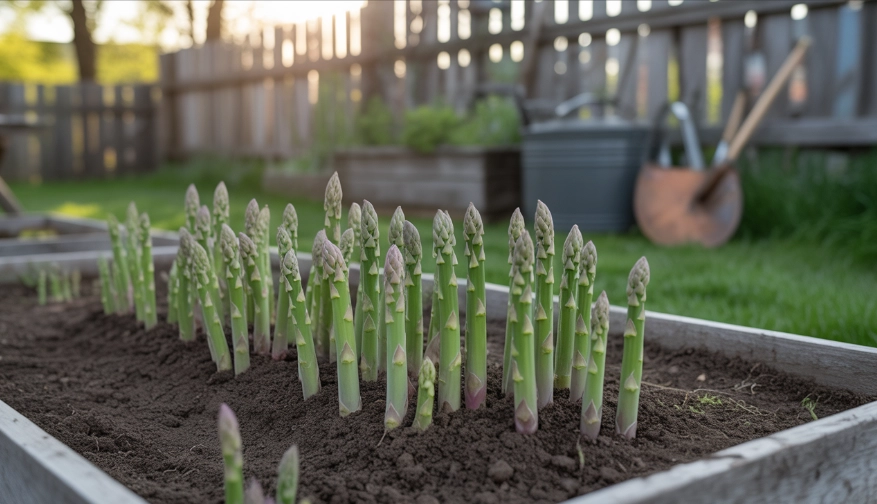
Congratulations, you've made it! Now you can harvest properly. The general rule is to harvest for 6 to 8 weeks in spring, then stop and let the ferns grow. This replenishes the crown for next year. From here on, your asparagus bed is a perennial producer. A well-established bed (5+ years old) can yield spears for 4-10 weeks, depending on climate and variety.
Key Takeaway: The "how long" question has two answers. Time to first harvest: 2-3 years. Productive lifespan of the bed: 15+ years. The second number is why the first is worth it.
How to Plant Asparagus for Success? Seeds vs. Crowns
Your starting point drastically changes your initial wait time. Most beginners don't realize how big this difference is.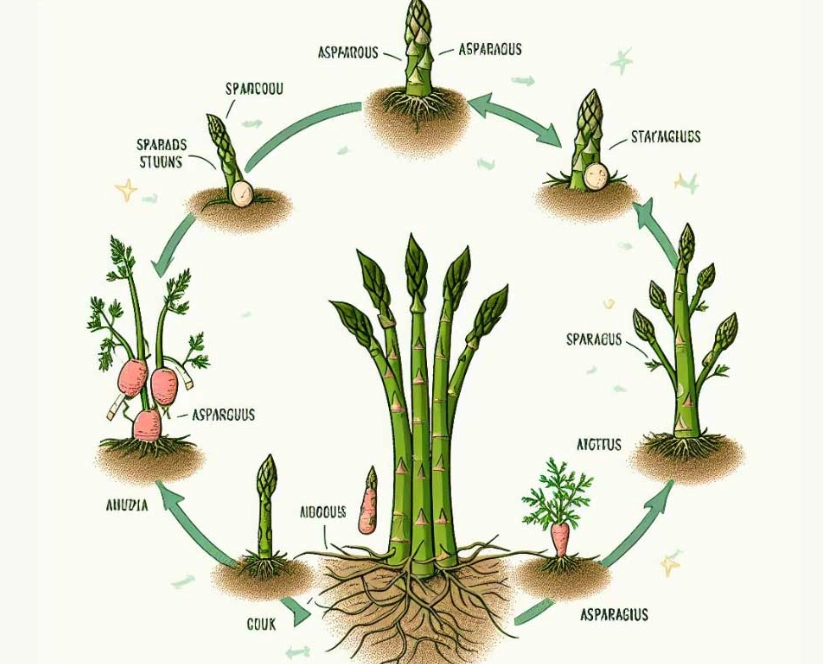
| Method | Time to Planting Out | Time to First *Real* Harvest | Pros & Cons |
|---|---|---|---|
| Starting from Seeds | Start indoors 12-14 weeks before last frost. Transplant after danger of frost has passed. | 3 full years from transplanting. (Year 1 seedling + 2 establishment years). | Pros: Vastly cheaper, much wider variety choice (like purple asparagus). Cons: Adds a full extra year of waiting, requires more initial care. |
| Planting 1-Year-Old Crowns | Plant directly in garden in early spring. | 2-3 years after planting. (Treat the planting year as Year 1 of establishment). | Pros: Faster than seed. Good balance of cost and time. Cons: Less variety than seeds, crowns can dry out if not handled carefully. |
| Planting 2-Year-Old Crowns | Plant directly in garden in early spring. | 1-2 years after planting. (You're starting ahead). | Pros: Quickest path to harvest. Often more robust. Cons: Most expensive option, can be harder to find. |
My personal go-to? I start with 1-year-old crowns of a reliable variety like 'Jersey Knight' or 'Millennium'. It shaves a year off seeds without the premium price of 2-year-old crowns. The variety selection is still decent from reputable crown suppliers.
What Factors Influence Asparagus Growth Rate?
Not all asparagus beds mature at the same speed. These are the levers you can pull to potentially shave a little time off your wait or, more importantly, ensure a heavier harvest when the time comes.
Soil is Everything. This is the most overlooked factor. Asparagus craves light, well-draining soil. Heavy, soggy clay will stunt growth and cause rot. Before planting, dig in a huge amount of compost or well-rotted manure—I'm talking a wheelbarrow load per 10-foot row. The goal is a rich, fluffy bed. Soil pH matters too; aim for slightly alkaline, between 6.5 and 7.5. A simple test from your local extension service can tell you if you need to add lime.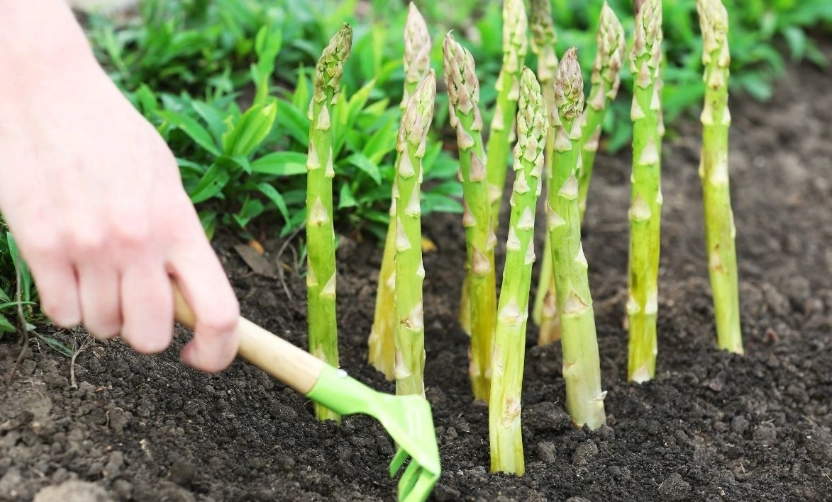
Sunlight = Sugar = Spears. Full sun, at least 8 hours a day. Less sun means weaker plants that take longer to establish.
Weed Competition is a Silent Killer. Asparagus seedlings and young crowns are terrible competitors. Weeds steal water, nutrients, and light, adding years to your establishment phase. Mulch heavily with straw or shredded leaves to suppress weeds and retain moisture.
Climate and Variety. All-male hybrid varieties (like the Jersey series) mature faster and produce more heavily than older, female-seeding varieties because they don't waste energy on seeds. Warmer climates may see slightly faster establishment but also a shorter annual harvest window.
The Patience-Testing Mistakes That Slow You Down
I've seen these delay harvests by a year or more.
- Harvesting Too Soon: I've said it, but it's the #1 error. It's like taking money out of a savings account before you've made your first deposit.
- Poor Site Preparation: Skimping on soil amendment. You get one chance to prepare the bed for a 20-year crop. Do it deeply and richly.
- Cutting Ferns Too Early in Fall: Wait until they are completely yellow/brown. Those dying ferns are sending the last bits of energy down to the crown.
- Overcrowding: Planting crowns too close together. They need space—18 inches apart in rows 4-5 feet apart—to develop those massive root systems.
Here's a non-consensus tip: Don't fertilize heavily with high-nitrogen fertilizer in the first year. It encourages weak, leafy growth at the expense of strong roots. A balanced, slow-release organic fertilizer or more compost is a better choice.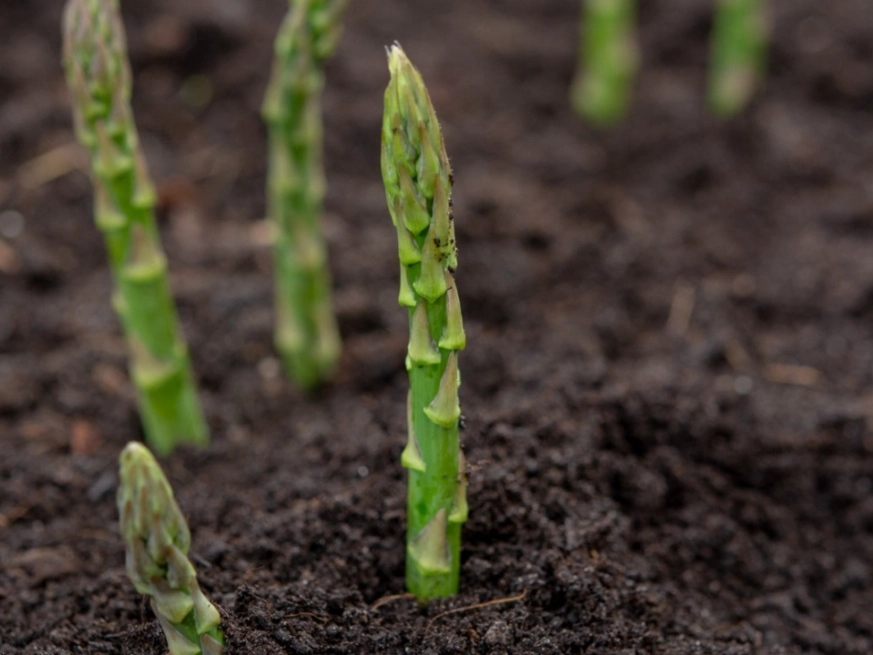
Your Asparagus Timeline Questions, Answered
You can, but you shouldn't. Think of it this way: every spear you cut is a solar panel the plant can't use to store energy. That energy is what creates next year's spears. Cutting first-year spears is the surest way to end up with a spindly, underperforming bed that takes an extra year or two to recover. The discipline pays off exponentially.
Even with 2-year-old crowns, treat the planting year as an establishment year. The trauma of being dug up, shipped, and replanted means they need a season to re-establish their root system in your specific soil. You might get a light, 2-3 week harvest in the spring following planting (which would be their third growing season), but a full 6-8 week harvest should wait until the year after that.
It starts when soil temperatures hit about 50°F (10°C). You harvest every day or every other day for 6 to 8 weeks. Then, you must stop—even if spears are still coming. The signal to stop is when the spear diameter starts to consistently get thinner than a pencil. At that point, let all remaining spears grow into ferns.
Skinny spears are a classic sign of an under-strength crown. The most likely culprits are: 1) You harvested too early in years 1 or 2. 2) The site is too shady. 3) The soil is poor, compacted, or lacks nutrients. 4) Weed competition was severe. The fix isn't quick. Stop harvesting entirely this year. Focus on soil health (top-dress with compost), ensure full sun, and eliminate weeds. It may take another full year of fern growth to build up the crown's strength.
You can't cheat biology, but you can optimize conditions to avoid delays. Start with healthy crowns (not seeds), plant in perfectly prepared soil in full sun, mulch relentlessly to prevent weeds and retain moisture, and protect young ferns from pests. The single biggest "speed-up" is simply not slowing it down by making the common mistakes. There are no shortcuts to a 20-year asparagus patch.
 So, how long does asparagus take to grow? The journey from planting to your first plate is a multi-year commitment. But framing it as an investment reframes the wait. You're not just growing a vegetable; you're installing a low-maintenance, perennial food factory in your garden. The initial timeline of 2-3 years is the price of admission for decades of the sweetest, freshest spears you'll ever taste. Choose your starting method wisely, prepare the bed like it's the foundation of a house, and practice the hardest skill in gardening: patience. Your future self, harvesting asparagus in year five and beyond, will thank you.
Reader Comments