Planting asparagus is a commitment, but it's one of the smartest investments you can make in your garden. Get it right, and a single bed can feed you for 15, even 20 years. Get it wrong, and you'll be looking at a weedy, unproductive patch for a long time. I learned this the hard way with my first bed, which I rushed into without proper soil prep. This guide is the one I wish I had—it skips the fluff and gives you the exact steps, based on years of trial and error, to plant asparagus crowns successfully.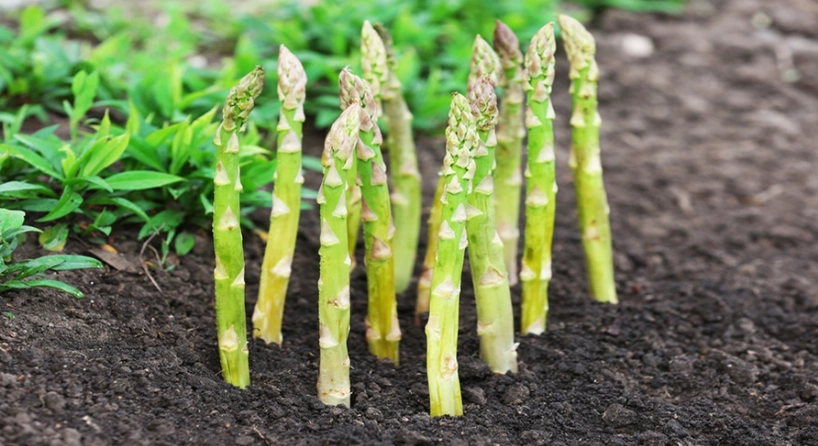
Your Quick Start Guide
- Why Asparagus is Worth the Wait
- Choosing the Right Asparagus Variety
- The Critical First Step: Site Selection and Soil Prep
- How to Plant Asparagus Crowns: The Detailed Process
- Caring for Your Asparagus Bed: The First Two Years
- Harvesting Your Asparagus: Patience Pays Off
- Troubleshooting Common Asparagus Problems
- Your Asparagus Planting Questions Answered
Why Asparagus is Worth the Wait
Let's be honest. You don't plant asparagus for instant gratification. You plant it because you want the unbeatable taste of homegrown spears, because you're tired of paying a premium at the store, and because you appreciate a plant that gets better with age. Unlike tomatoes or lettuce, asparagus is a perennial. You plant it once. It comes back bigger and stronger every spring. After the initial establishment period (about 2-3 years), the maintenance is minimal. It's the ultimate set-it-and-forget-it vegetable, provided you set it up correctly from day one.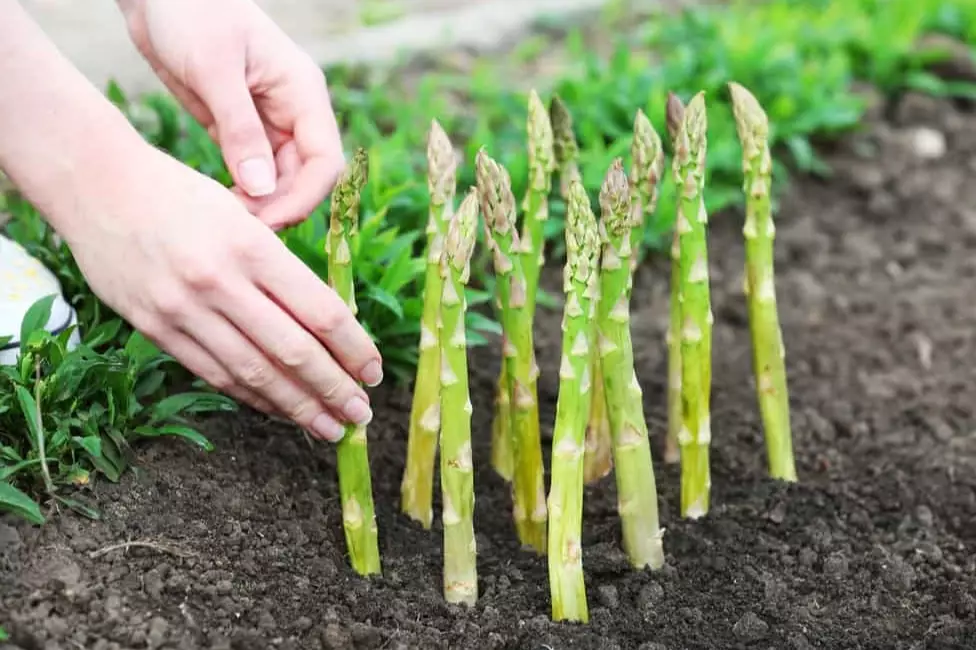
Choosing the Right Asparagus Variety
This is your first major decision. Most gardeners plant asparagus crowns, which are the dormant, one-year-old root systems of the plant. You'll find them at garden centers or online in early spring. Don't bother with seeds for your main bed—they add two extra years of waiting.
The big choice is between all-male hybrids and traditional open-pollinated varieties.
My Take: For most home gardeners, all-male hybrids like the 'Jersey' series are the clear winner. They put all their energy into producing spears, not seeds, which means heavier yields and less self-seeding (which leads to weedy, crowded beds). Traditional varieties like 'Mary Washington' are reliable and less expensive, but you'll spend more time thinning out seedlings.
| Variety | Type | Key Characteristics | Best For |
|---|---|---|---|
| Jersey Knight | All-male hybrid | Excellent cold tolerance, high yield, good disease resistance. | Cold climates, heavy soil. |
| Jersey Supreme | All-male hybrid | Early producer, very uniform spears, high yield from the start. | Gardeners wanting earlier harvests. |
| Mary Washington | Open-pollinated | Classic, rust-resistant, widely available, affordable. | Budget-conscious gardeners, heirloom fans. |
| Purple Passion | Open-pollinated | Beautiful purple spears, sweeter and more tender when raw. | Adding color to the plate, eating fresh. |
The Critical First Step: Site Selection and Soil Prep
This is where 90% of failures happen. Asparagus needs full sun—at least 8 hours. It also needs excellent drainage. Soggy roots will rot over winter. If your soil is heavy clay, you must amend it or consider a raised bed.
Soil preparation is non-negotiable. You're feeding a plant for decades, so start with a rich foundation. Do this a few weeks before planting.
- Dig deep, not just wide. Till or dig the area to a depth of at least 12 inches.
- Incorporate organic matter. Work in a generous amount of compost or well-rotted manure. I aim for a 3- to 4-inch layer mixed into the native soil. The University of Maryland Extension recommends up to 4 inches of compost for new beds.
- Check the pH. Asparagus prefers slightly sweet soil, with a pH between 6.5 and 7.5. A simple test kit can tell you. If it's too acidic (below 6.5), add garden lime according to package directions.
- Clear all perennial weeds. Grasses like quackgrass are the nemesis of an asparagus bed. Get them out now, roots and all.
How to Plant Asparagus Crowns: The Detailed Process
Timing is early spring, as soon as the soil is workable and no longer frozen. Here's the step-by-step method that works.
Step 1: Soak and Inspect the Crowns
When your crowns arrive, they'll look like a tangled, dry octopus. Soak them in lukewarm water for 15-30 minutes before planting. This rehydrates them. Inspect them—healthy crowns are firm and grayish-tan, not mushy or black.
Step 2: Dig the Trenches
Don't just poke holes. You'll plant in a trench. For most soils, dig a trench 6 to 8 inches deep and about 12 inches wide. If you have very sandy, fast-draining soil, go a bit deeper (8-10 inches). Space trenches 3 to 4 feet apart.
Step 3: Create a Mound and Position the Crowns
This is the trick most guides gloss over. Along the bottom of the trench, create a small mound of loose soil every 18 inches. Drape the asparagus crown over the mound, letting its long, spider-like roots hang down the sides. The bud (or "eye") should be pointing up. The top of the crown should be about 6 inches below the eventual soil surface.
Step 4: Backfill Gradually
Cover the crowns with just 2-3 inches of the excavated soil. Water well. As the spears grow through the season, gradually fill in the trench with more soil, taking care not to bury the growing tips. By the end of summer, the trench should be filled level with the surrounding soil.
Why this gradual method? It protects the emerging spears from late frosts and supports the young plants as they establish.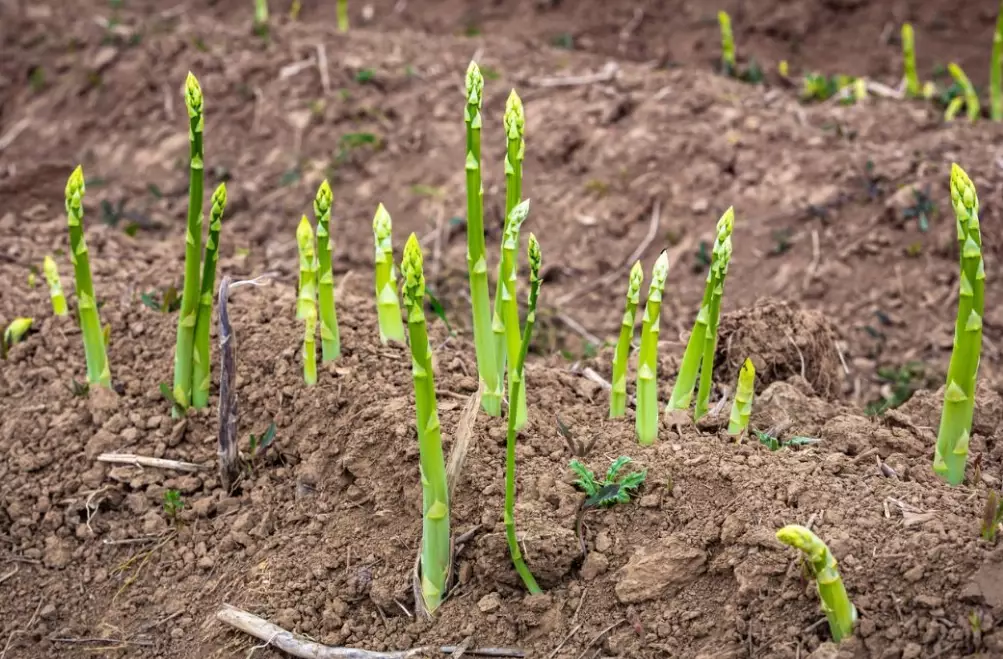
Caring for Your Asparagus Bed: The First Two Years
The first two seasons are about building the plant's energy reserves, not harvesting.
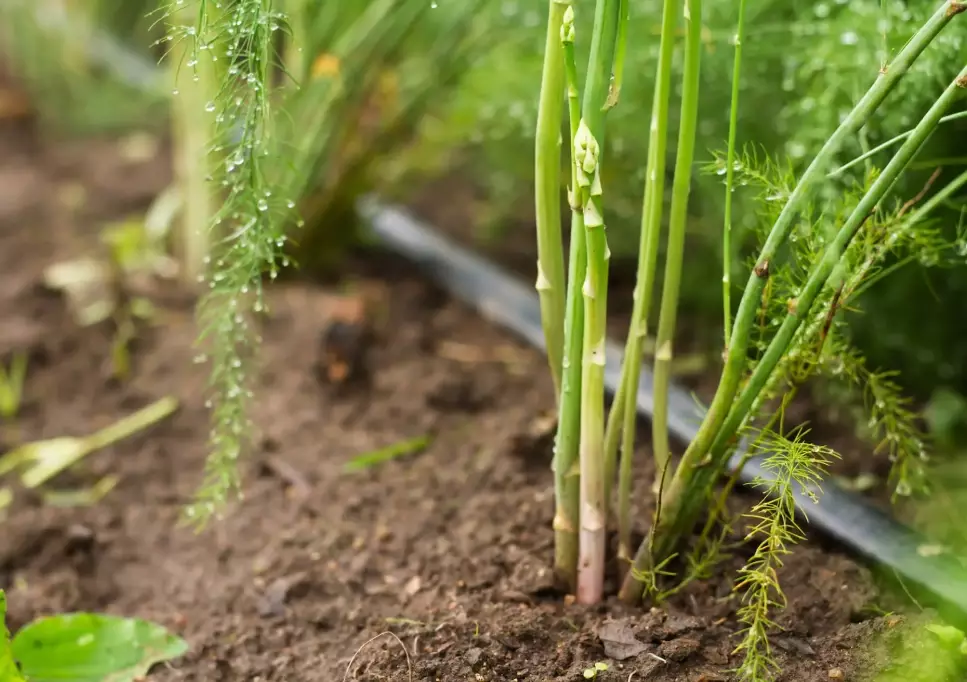
Year 1: Let everything grow. The spears will fern out into tall, feathery foliage. This is the plant's solar panel. Keep the bed consistently watered (about 1 inch per week) and mulch heavily with straw or shredded leaves to suppress weeds and retain moisture. In fall, after the foliage has turned yellow/brown, cut it down to the ground.
Year 2: Same drill. You might see a few more, thicker spears. Resist the temptation to harvest. Continue watering, weeding, and mulching. Cut down foliage in late fall.
Weed management is critical. Hand-pull weeds carefully to avoid disturbing the shallow roots. A thick organic mulch is your best friend here.
Harvesting Your Asparagus: Patience Pays Off
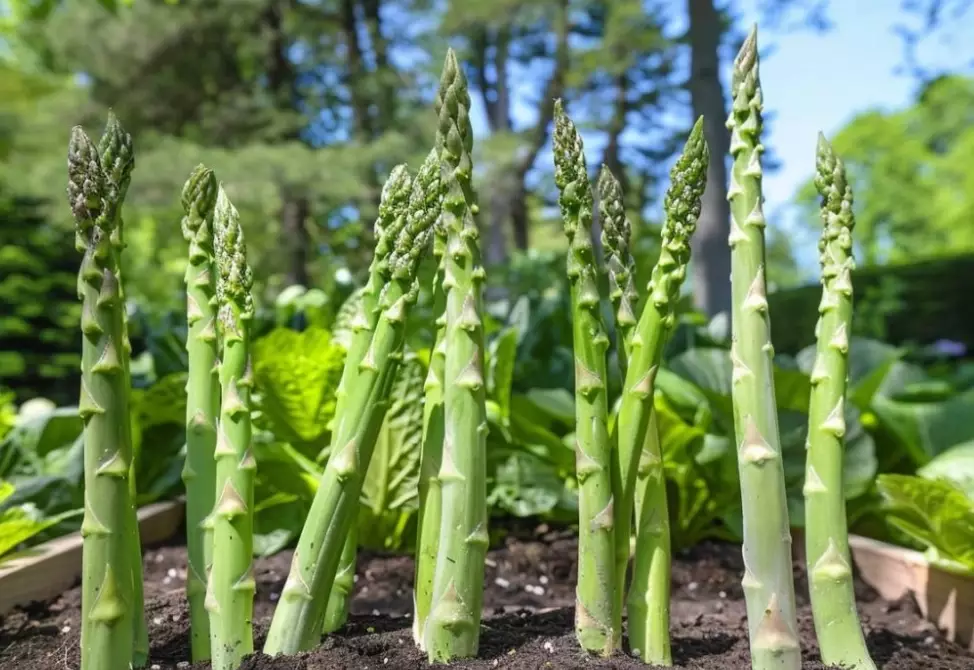
Year 3 is the magic year. Now you can harvest, but be gentle. When spears are 6-8 inches tall and about as thick as your finger, snap or cut them off at soil level.
The golden rule: Stop harvesting after 6-8 weeks. Around early to mid-June in most areas, let the remaining spears grow out into ferns. This allows the plant to recharge for next year. Over-harvesting is the fastest way to weaken and kill your bed.
Troubleshooting Common Asparagus Problems
- Thin, spindly spears: Usually a sign of young plants, nutrient deficiency, or over-harvesting. Ensure proper fertility and follow the harvest window.
- No spears emerging: Crowns may have been planted too deep, rotted from poor drainage, or damaged by voles. Check your site's drainage.
- Rust or Fusarium wilt: These fungal diseases show as orange spots or wilting, stunted plants. Prevention is key: plant resistant varieties (like 'Jersey' types), ensure good air circulation, and avoid overhead watering. Remove and destroy infected foliage.
Your Asparagus Planting Questions Answered
 Can I transplant an established asparagus crown to a new location?
Reader Comments