If you think you need a backyard to grow vegetables, think again. Growing in grow bags has changed everything for me—a city dweller with just a balcony. These fabric containers are not just a trend; they're a practical solution for limited spaces, poor soil, or anyone wanting more control over their garden. I've used them for over five years, and in this guide, I'll share everything from picking the right bag to harvesting your first tomatoes, plus some mistakes I made so you don't have to.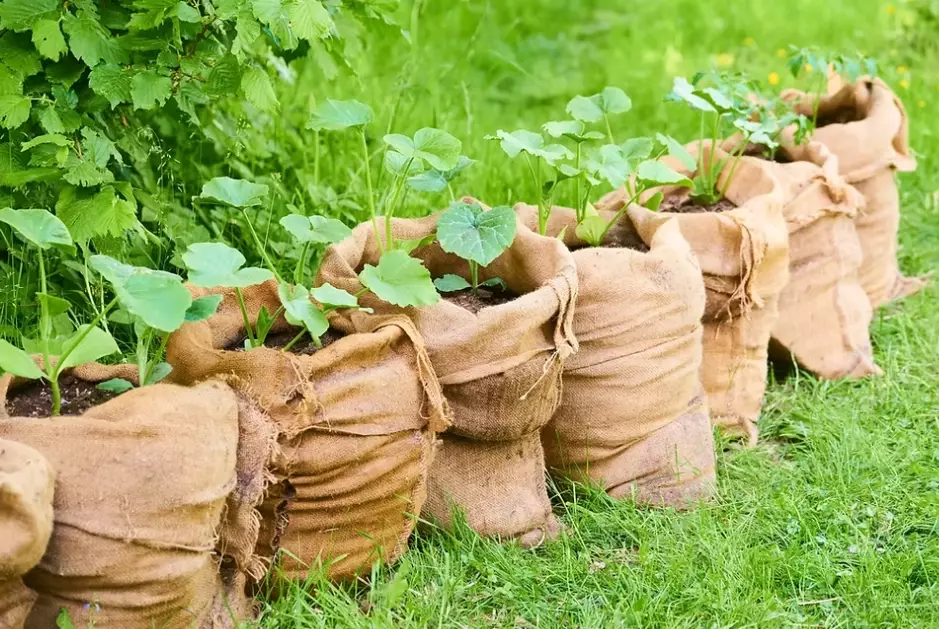
What You'll Learn in This Guide
- What Are Grow Bags and Why Should You Care?
- Choosing the Right Grow Bags: A No-Nonsense Buyer's Guide
- Step-by-Step Guide to Planting in Grow Bags
- Best Plants for Grow Bags: Top Picks for Guaranteed Success
- Common Mistakes and How to Avoid Them (From My Experience)
- Advanced Tips for Seasoned Gardeners
- Your Burning Questions Answered
What Are Grow Bags and Why Should You Care?
Grow bags are fabric pots, usually made from breathable materials like polypropylene or felt. Unlike rigid plastic pots, they allow air to reach the roots, preventing overwatering and promoting healthier plants. I started using them when I moved to an apartment—my old clay pots were too heavy and cracked in the winter. Grow bags solved that: lightweight, foldable for storage, and surprisingly durable.
The benefits go beyond convenience. According to the Royal Horticultural Society, container gardening with breathable fabrics can improve root structure and reduce disease risk. But here's something most guides miss: grow bags heat up faster in the sun, which is great for heat-loving plants like peppers, but can dry out quickly. You'll need to water more often, especially in summer. It's a trade-off I learned the hard way when my basil wilted in a heatwave.
Key Takeaway: Grow bags offer better aeration and portability than traditional pots, but they demand closer attention to watering. Perfect for balconies, patios, or small yards.
Choosing the Right Grow Bags: A No-Nonsense Buyer's Guide
Not all grow bags are created equal. I've tried cheap ones that fell apart in one season and premium brands that lasted years. Let's break it down.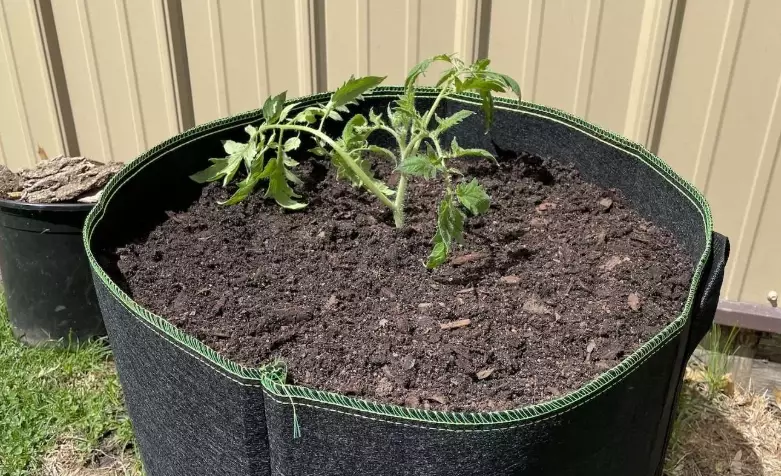
Material Matters: Fabric vs. Non-Woven
Most grow bags are made from non-woven fabric, which is porous and sturdy. Avoid plastic-lined bags—they defeat the purpose of breathability. I prefer double-layered felt bags; they retain shape better and resist UV damage. A study by the University of California Cooperative Extension notes that fabric containers can enhance root pruning naturally, leading to bushier plants.
Size and Depth: What Works for Your Plants
This is where beginners mess up. Too small, and roots get cramped; too large, and soil stays soggy. Use this table as a cheat sheet:
| Plant Type | Recommended Grow Bag Size | Depth Needed | My Personal Pick |
|---|---|---|---|
| Lettuce & Herbs | 3-5 gallons | 8-10 inches | 5-gallon bag for mixed planting |
| Tomatoes & Peppers | 7-10 gallons | 12-14 inches | 10-gallon bag for indeterminate tomatoes |
| Potatoes & Root Vegetables | 10-15 gallons | 16-18 inches | 15-gallon bag for a decent yield |
| Small Fruit Bushes | 15-20 gallons | 18-20 inches | 20-gallon bag for blueberries |
For urban spaces, I stick to 5-10 gallon bags—they fit on railings and are easy to move. A pro tip: buy bags with handles. Trust me, dragging a full 15-gallon bag without handles is a backache waiting to happen.
Step-by-Step Guide to Planting in Grow Bags
Let's get practical. Here's how I plant my grow bags each spring, refined through trial and error.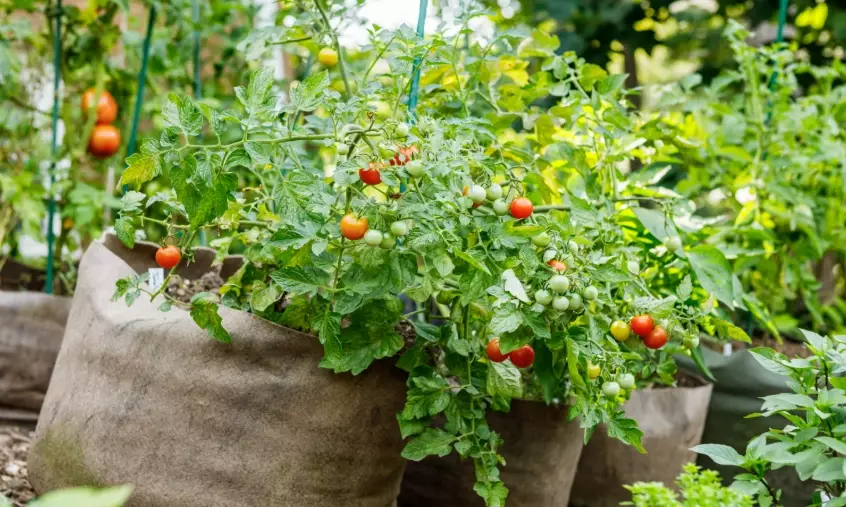
Step 1: Select the Right Soil Mix
Don't use garden soil. It compacts in bags, suffocating roots. I mix 60% high-quality potting soil (like FoxFarm or a local organic brand), 30% compost (homemade or store-bought), and 10% perlite for drainage. This mimics the loose, nutrient-rich environment roots love. A common oversight: skipping compost. Your plants will starve without it.
Step 2: Fill and Position the Bag
Place the bag where it'll get at least 6 hours of sun. Fill it halfway, then water lightly to settle the soil. Add more soil until it's about 2 inches from the top. This prevents overflow when watering. I learned this after a muddy balcony incident.
Step 3: Plant Your Seeds or Seedlings
For seeds, follow packet depth instructions. For seedlings, dig a hole slightly larger than the root ball. Gently firm the soil around it. Space plants appropriately—overcrowding is a rookie mistake. In a 10-gallon bag, I plant one tomato or three pepper plants max.
Step 4: Water and Mulch
Water thoroughly until it drains from the bottom. Then, add a 1-2 inch layer of mulch (straw or wood chips) on top. Mulch is non-negotiable; it conserves moisture and keeps soil temperature stable. In my first year, I skipped mulch and watered twice daily in July. Never again.
Step 5: Ongoing Care
Check soil moisture daily by sticking a finger in. If it's dry an inch down, water. Fertilize every 2-3 weeks with a balanced liquid fertilizer. Rotate bags occasionally for even sun exposure.
Best Plants for Grow Bags: Top Picks for Guaranteed Success
Some plants thrive in containers; others struggle. Based on my experiments, here are the top performers.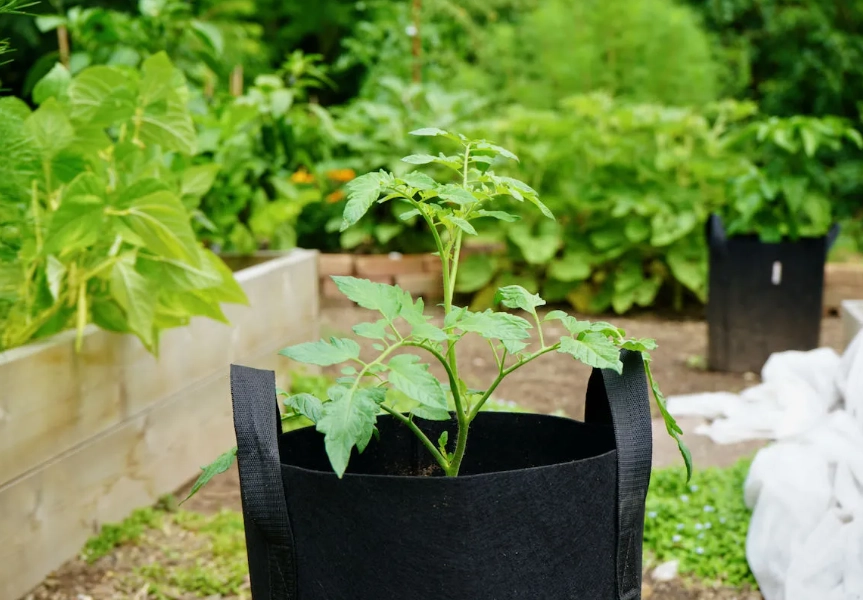
- Tomatoes: Cherry varieties like 'Sun Gold' are unbeatable. They produce heavily and resist diseases. Use a 10-gallon bag and a sturdy cage.
- Peppers: Bell peppers and chilies love the heat retention of grow bags. A 7-gallon bag per plant works well.
- Leafy Greens: Lettuce, kale, and spinach grow fast and don't need deep soil. Perfect for 3-5 gallon bags in partial shade.
- Herbs: Basil, cilantro, and mint are low-maintenance. Plant multiple herbs in one 5-gallon bag for a kitchen garden.
- Root Vegetables: Carrots and radishes do okay, but potatoes are the stars. Use a 15-gallon bag and harvest by tipping it over—no digging required.
Avoid large plants like corn or pumpkins; they'll topple the bag. Also, perennial berries need extra winter protection in bags.
Common Mistakes and How to Avoid Them (From My Experience)
I've made every mistake in the book. Here's what to watch for.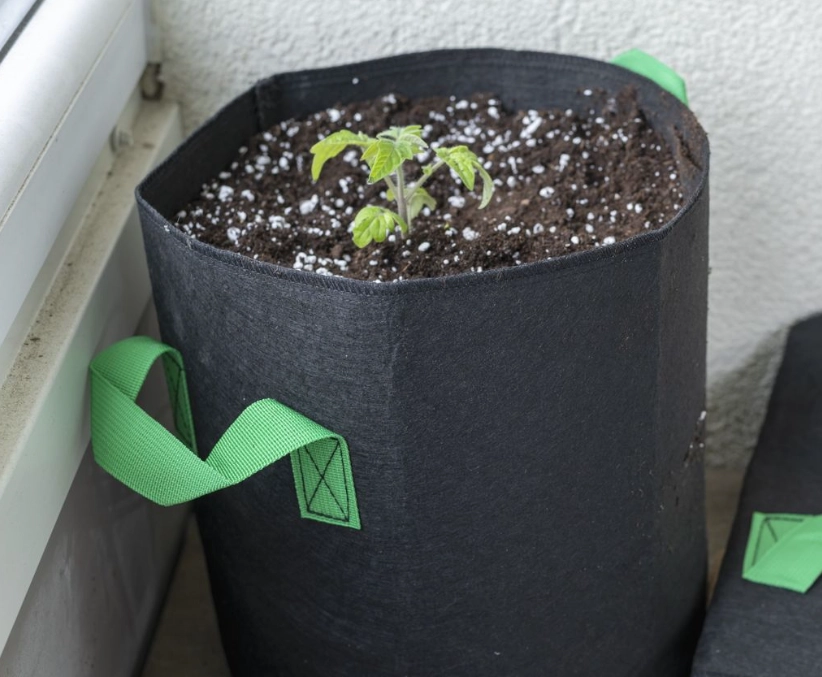
Overwatering: It's tempting to water daily, but grow bags drain fast. Wait until the top inch is dry. I killed a rosemary plant by keeping it soggy.
Using Poor Soil: Cheap soil leads to poor growth. Invest in a good mix—it pays off in yield.
Ignoring Fertilizer: Soil nutrients deplete quickly in containers. Use a slow-release fertilizer at planting and supplement with liquid feeds.
Not Securing the Bag: Wind can knock over lightweight bags. Place them against a wall or use bricks around the base.
Reusing Bags Without Cleaning: Pathogens can linger. At season end, empty the bag, wash it with mild soap, and let it dry. I lost a tomato crop to blight from a dirty bag.
Advanced Tips for Seasoned Gardeners
If you're comfortable with basics, try these to boost productivity.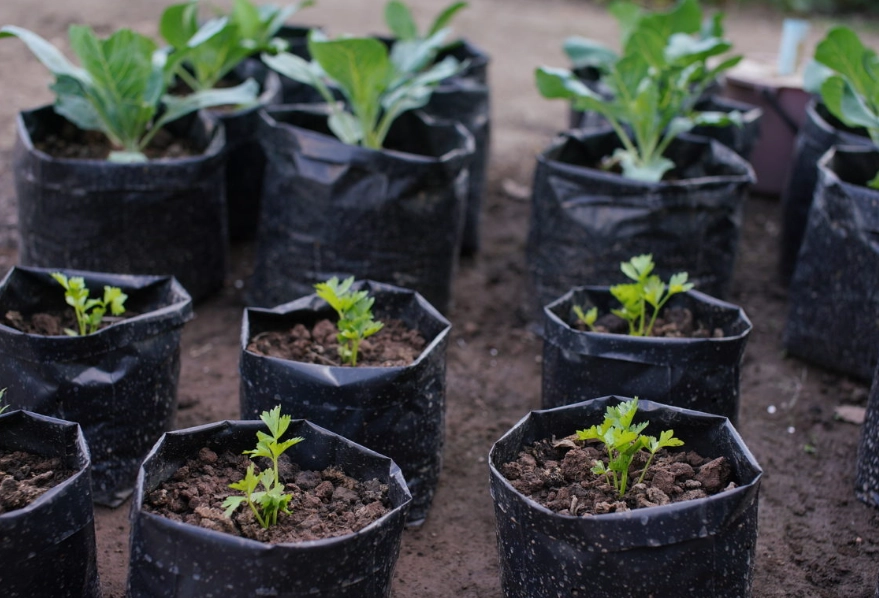
Companion Planting: In a large bag, pair tomatoes with basil (improves flavor) or marigolds (deters pests). I do this every year and see fewer aphids.
Season Extension: Use grow bags to start plants early indoors, then move them outside. In fall, bring frost-sensitive plants like peppers inside for a longer harvest.
Vertical Gardening: Stack smaller bags on shelves or use trellises for climbers like beans. Maximizes space on a tiny balcony.
Soil Testing: Every few months, test soil pH with a kit. Most vegetables prefer 6.0-7.0. Adjust with lime or sulfur if needed.
These tricks come from chatting with local gardening clubs and reading resources like the National Gardening Association's container guides.
Your Burning Questions Answered
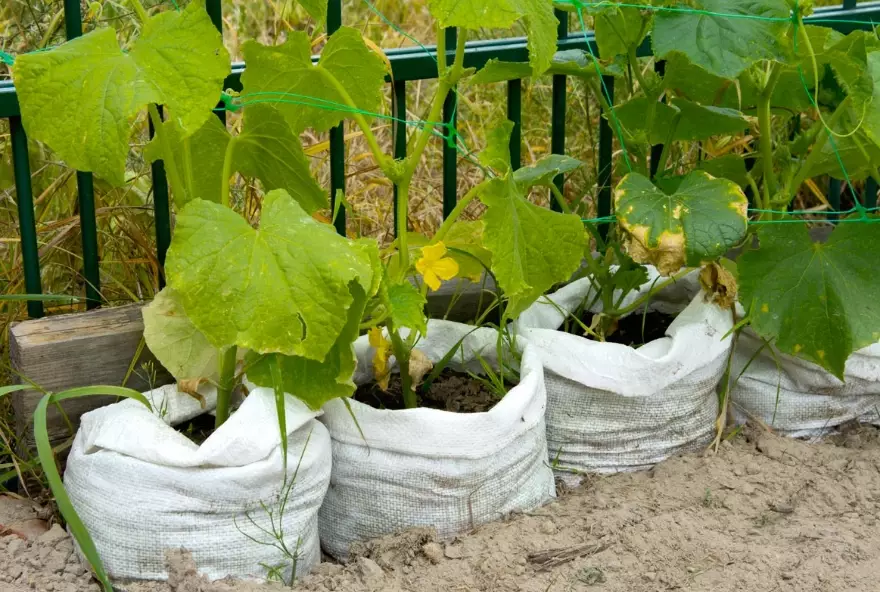 What's the biggest mistake beginners make with grow bags?
Growing in grow bags isn't just a hack; it's a sustainable way to garden anywhere. Start small, learn from errors, and enjoy the harvest. If you have more questions, drop a comment—I'm always tweaking my methods.
Reader Comments