Get the timing right for planting asparagus, and you're not just planting a vegetable—you're installing a perennial food factory in your garden. The short answer is early spring, as soon as the soil is workable. But that simple answer misses the nuance that separates a struggling patch from a bed that produces fat, tender spears for twenty years or more. I've seen too many gardeners get this wrong in the first season, setting their harvest back by years. Let's get into the details so you can do it right the first time.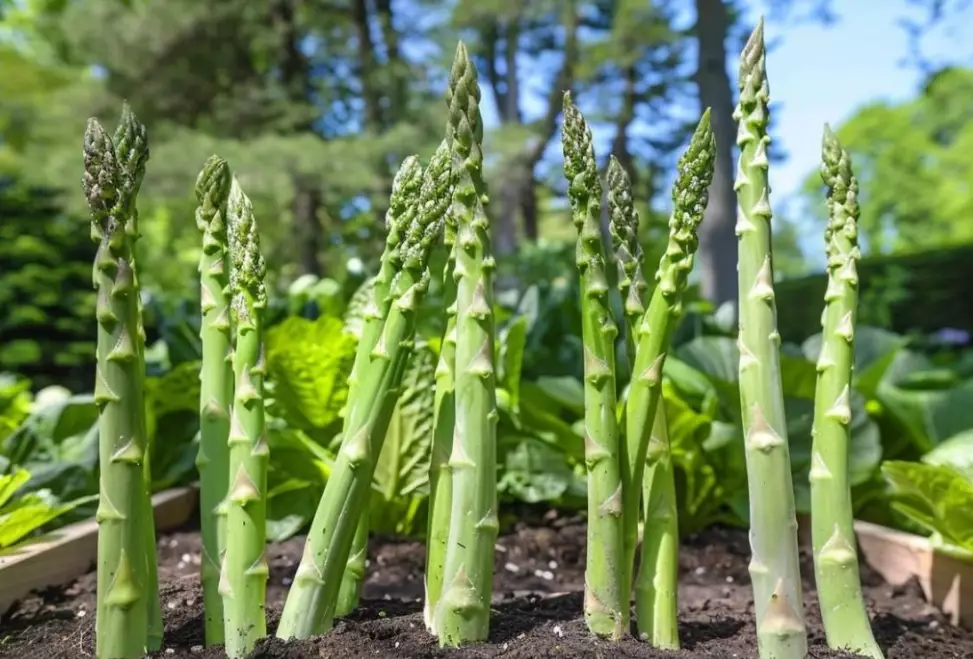
What You'll Learn in This Guide
The Best Time to Plant Asparagus Crowns
Timing is everything with asparagus. Plant too early in cold, wet soil and the crowns rot. Plant too late and they struggle to establish before summer heat hits. The ideal window is a 4-6 week period in early spring.
For most temperate climates, this means when the soil temperature consistently reaches about 50°F (10°C). A good rule of thumb is to plant asparagus around the same time you'd plant peas or potatoes. In my garden in Zone 6, that's usually early to mid-April. If you're in a warmer zone (7-8), you might be looking at late February to March. In cooler zones (3-5), aim for late April to May.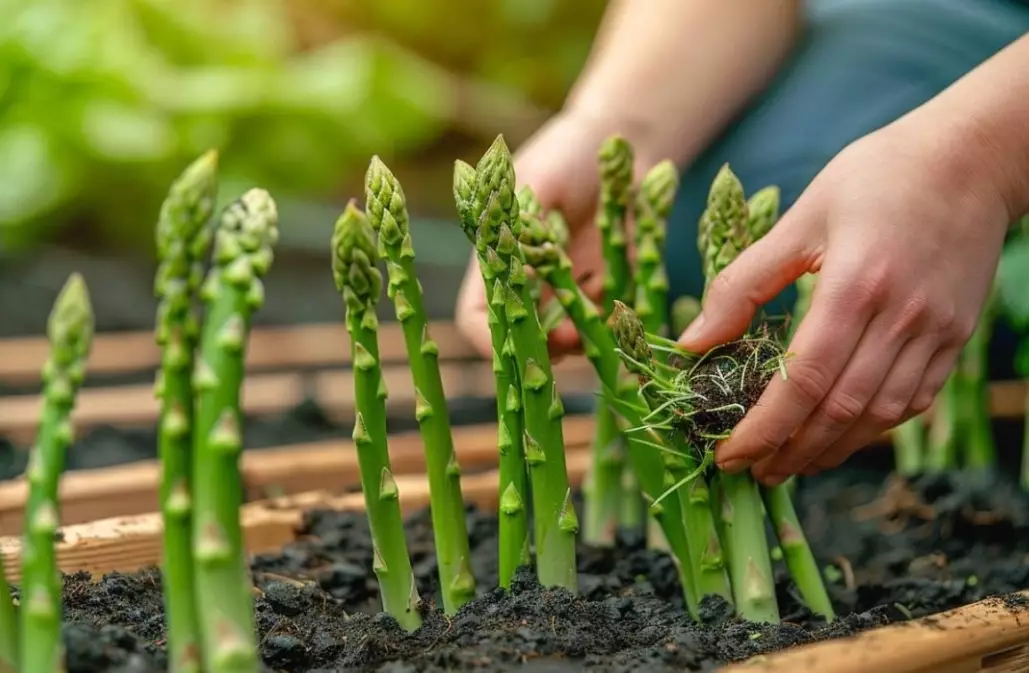
Here’s a quick breakdown of the two main planting seasons and their pros and cons:
| Planting Time | Pros | Cons & Considerations |
|---|---|---|
| Early Spring (Dormant Crowns) | • Crowns are dormant and handle shipping/storage best. • Gives plants a full season to establish roots. • Soil is moist and easy to work. • Most recommended and reliable method. |
• Short window of opportunity. • Must wait until soil is workable, not frozen or soggy. |
| Late Fall (In Mild Climates Only) | • Can get a head start on root growth over winter. • Less spring workload. |
• Risky in areas with harsh winters (crowns can heave or rot). • Only advisable in USDA zones 7 and warmer. • Requires excellent winter mulch. |
I almost never recommend fall planting for beginners. The risk isn't worth the small potential reward. Stick with spring.
My Personal Rule: I plant my asparagus crowns when the forsythia bushes in my neighborhood are just finishing their bloom. It's a reliable, natural indicator that the soil is warming up but the intense heat is still weeks away.
How to Prepare Your Soil (The Step Most People Rush)
This is where most first-timers fail. Asparagus is a heavy feeder and a deep-rooted perennial. You can't just scratch the surface and drop a crown in. Think of it as building a foundation for a house.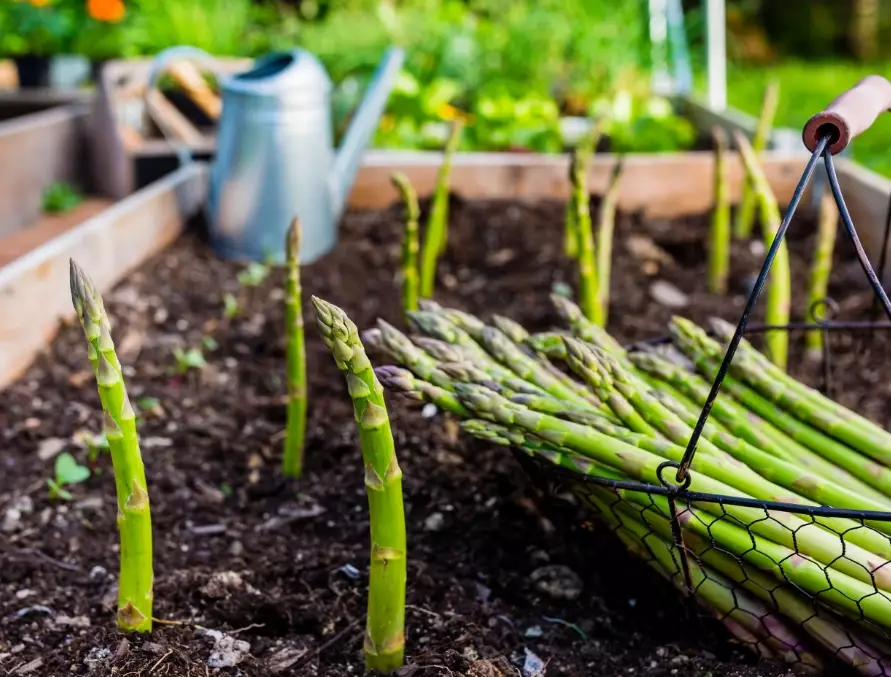
Location is Non-Negotiable
Pick a spot with full sun—at least 8 hours a day. This is non-negotiable for good spear production. The site should have excellent drainage. If you have puddles that sit for hours after rain, choose another spot or build a raised bed.
The Deep Trench Method: Why It Matters
You'll read about digging a trench. Don't skimp on this. A shallow trench leads to weak, spindly plants.
- Dig deep: Aim for a trench 12-18 inches wide and a full 12 inches deep. I know, it's work. But this depth allows you to gradually fill it in as the plant grows, which encourages a stronger, deeper root system.
- Amend the soil: This is your one and only chance to get nutrients deep down where the roots will live. In the bottom 6 inches of your trench, mix in a generous amount of compost or well-rotted manure. I also add a balanced, slow-release organic fertilizer at this stage, following package rates. The University of Minnesota Extension recommends a soil pH between 6.5 and 7.5, so get a test kit and adjust with lime if needed.
I made the mistake with my first bed of just adding compost to the topsoil. The plants never reached their potential and were more susceptible to drought. The deep-trench plants? They're monsters.
A Step-by-Step Planting Guide
You've got your timing and your perfectly prepared trench. Now for the main event.
- Soak the Crowns: When your crowns arrive, soak the roots in lukewarm water for 15-30 minutes before planting. It rehydrates them and gives them a kick-start.
- Create a Mound: In the bottom of your trench, shape the amended soil into a series of small mounds, about 18 inches apart. You'll drape the crown over this mound.
- Position the Crown: Place one crown on top of each mound, letting the spider-like roots drape down the sides. The buds (eyes) should be pointing up. This seems obvious, but I've seen people plant them sideways.
- Initial Cover: Gently cover the crowns with just 2-3 inches of the native soil you removed. Do not fill the trench all the way! This is critical. Water thoroughly.
- The Gradual Fill: As the spears grow over the next few weeks, gradually add more soil to the trench, an inch or two at a time, until the trench is level with the surrounding soil by the end of the season.
Spacing is key. If you're planting multiple rows, keep the rows at least 3 feet apart. Crowding leads to competition and disease.
First-Year Care: The Patience Game
Here's the hardest part: do not harvest any spears in the first year. I know it's tempting when you see those first few pop up. Don't do it.
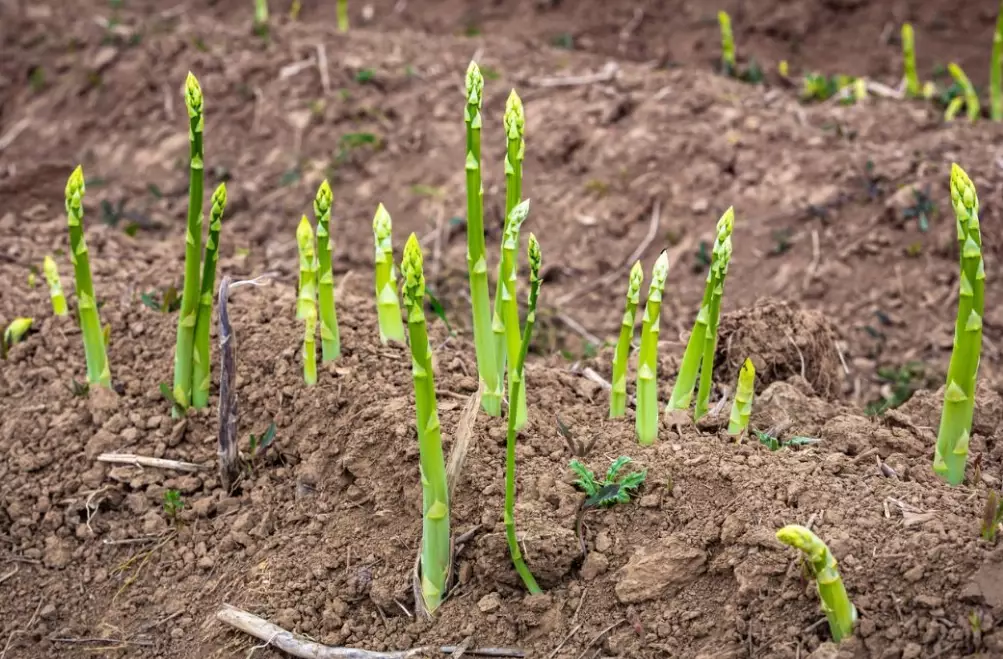
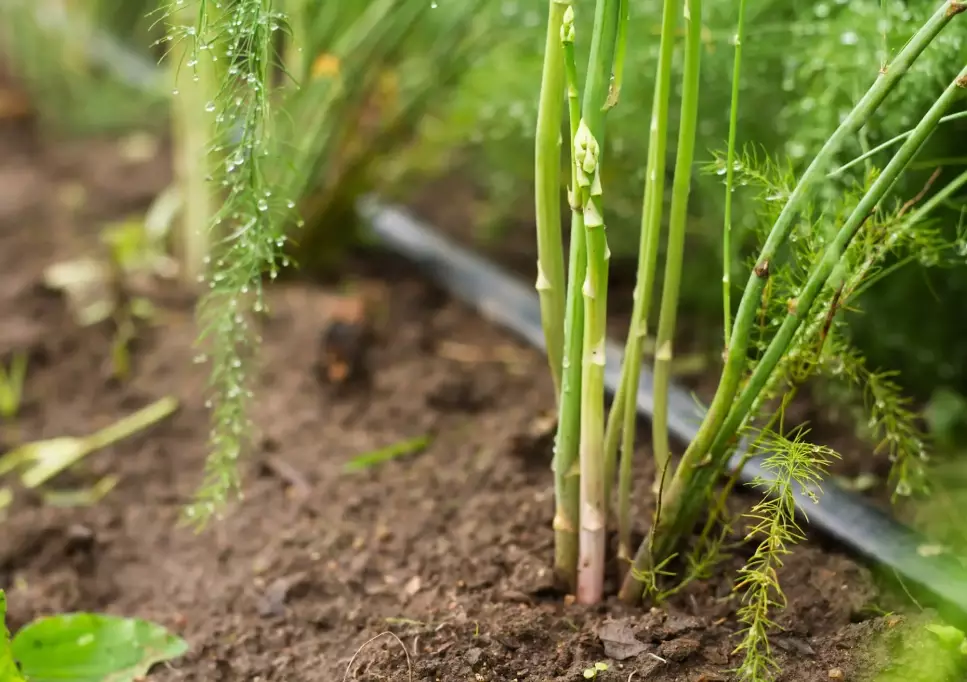
Your job in year one is to be a leaf farmer, not an asparagus farmer. Let every spear grow into a tall, fern-like stalk (up to 6 feet!). These ferns are the solar panels that photosynthesize and send energy down to the crown to build reserves for next year's harvest.
Water consistently, about 1-2 inches per week, especially during dry spells. A 2-3 inch layer of organic mulch (straw, shredded leaves) will keep weeds down and moisture in.
In the late fall, after the ferns have turned completely yellow or brown, you can cut them down to the ground. I usually wait until after a few hard frosts.
Common Asparagus Planting Questions Answered
 Is it possible to plant asparagus in a container or raised bed?
 Planting asparagus is an act of faith in your future self. You put in the work now—choosing the right time, preparing the soil deeply, and practicing restraint—for a reward that keeps coming back, bigger and better, for decades. Get the timing right this spring, and you'll be thanking yourself for years to come.
Reader Comments