Let's be honest about growing asparagus. The first year, you plant it. The second year, you mostly look at it and resist the urge to harvest. It feels like a test of patience. But then year three arrives, and those first tender spears push through the soil. That's when you get it. You understand why people dedicate a permanent spot in their garden to this perennial vegetable. A well-tended asparagus bed can produce for 15, 20, even 30 years. It's not just a crop; it's a legacy. This guide cuts through the fluff and gives you the straight talk on how to establish a thriving asparagus patch that will feed you for decades.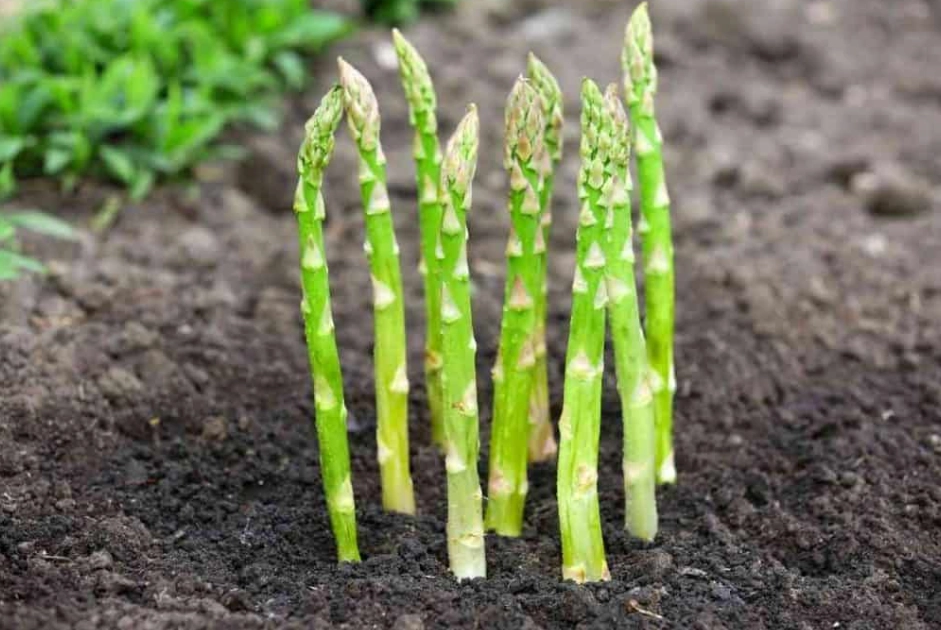
What You'll Learn
- Why Bother with Asparagus? The Long-Game Perk
- Picking Your Asparagus: Crowns vs. Seeds & Popular Varieties
- The Non-Negotiables: Site and Soil Preparation
- The Right Way to Plant Asparagus Crowns (Step-by-Step)
- Season-by-Season Care: Feeding, Weeding, and Mulching
- When and How to Harvest Asparagus Without Hurting the Plant
- Solving Common Asparagus Problems: Beetles, Rust, and More
- Your Asparagus Growing Questions, Answered
Why Bother with Asparagus? The Long-Game Perk
If you're a quick-harvest gardener (lettuce, radishes), asparagus will change your perspective. The initial wait is an investment. After establishment, it's one of the first vegetables ready in spring, often poking up when there's still frost on the ground. You get a gourmet, super-fresh product for weeks. Once the bed is set, maintenance is relatively low compared to annual vegetables. You're not tilling and replanting every year. You're fostering a deep-rooted, permanent ecosystem in your garden.
Financially, it makes sense too. A bundle of organic asparagus at the store? Pricey. Your homegrown supply? Priceless after the first few seasons.
Picking Your Asparagus: Crowns vs. Seeds & Popular Varieties
Here's the first major fork in the road. You can grow asparagus from seed or from crowns (dormant, one-year-old root systems).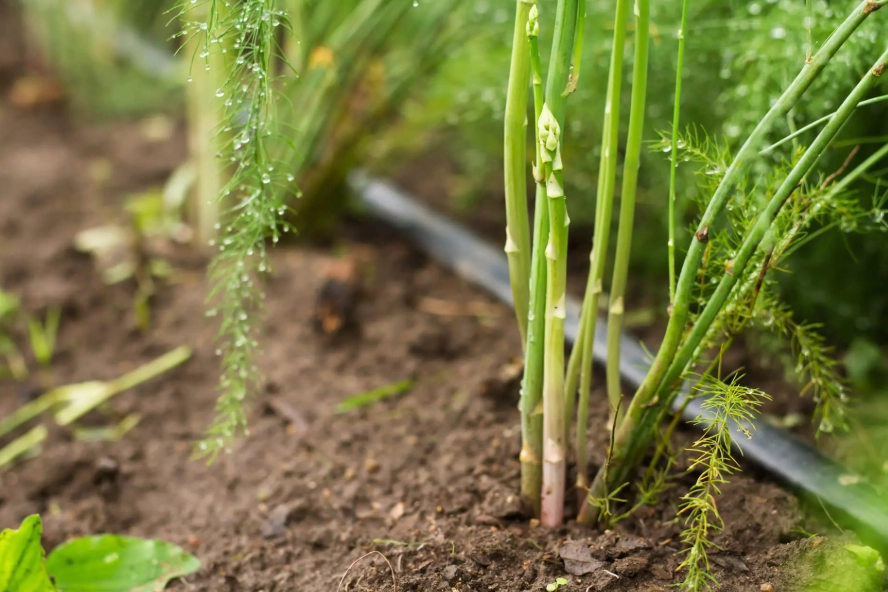
When you buy crowns, you're buying time. Now, which variety? It's not just about green vs. purple. The choice impacts disease resistance, spear thickness, and flavor.
| Variety | Key Characteristics | Best For | Notes |
|---|---|---|---|
| Jersey Knight | All-male hybrid, high yield, excellent disease resistance (especially to Fusarium). | Most home gardeners, areas with soil-borne disease history. | My personal workhorse. Reliable, produces thick spears. The all-male trait means no energy wasted on seeds, so all growth goes into spears. |
| Purple Passion | Stunning purple spears, slightly sweeter and more tender. Turns green when cooked. | Gardeners wanting visual appeal and unique flavor, eating raw in salads. | Yield can be a bit lower than green hybrids. The novelty is worth it for many. |
| Mary Washington | Classic heirloom, reliable, good rust resistance. | Traditionalists, seed savers (it produces female plants with seeds). | A solid choice, but modern hybrids often outperform it in yield and disease resistance. |
| Jersey Giant | Another all-male hybrid, early producer, good cold tolerance. | Northern climates with shorter seasons. | Tends to produce slightly thinner spears than Jersey Knight but comes in earlier. |
Order crowns from reputable nurseries in late winter for spring delivery. They should be firm, grayish-brown, and have numerous thick roots. Avoid anything mushy or bone-dry.
The Non-Negotiables: Site and Soil Preparation
This is the most critical step, and where most beginners cut corners. Asparagus roots go deep and stay put. You get one shot to prepare the ground properly.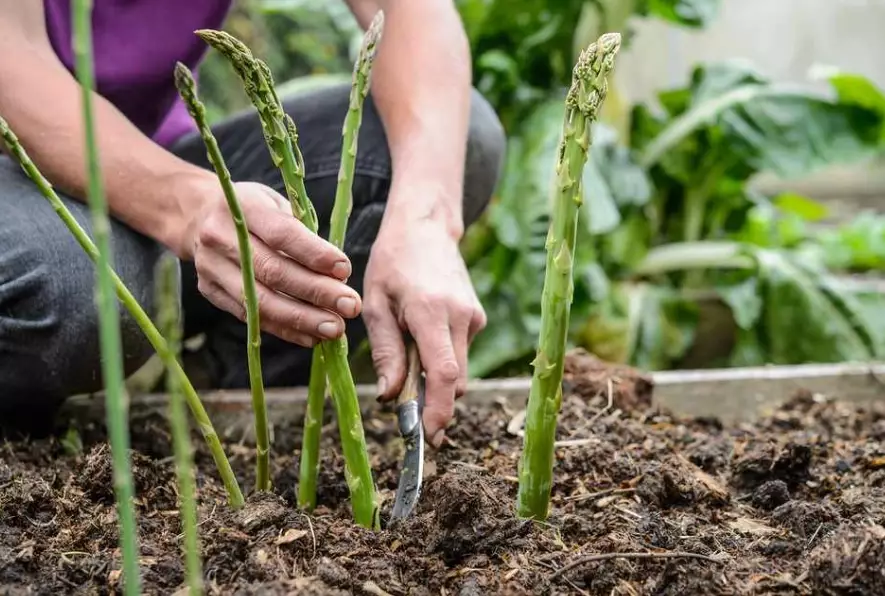
Sun and Space
Full sun. Non-negotiable. At least 8 hours. More sun equals more sugar, better spear production. Choose a permanent spot at the edge of your garden where it won't be disturbed by annual tilling.
The Soil Foundation
Asparagus thrives in loose, deeply worked, well-draining soil. Heavy clay is a death sentence unless you amend it heavily. The goal is a raised bed of sorts, even if it's not framed.
Here's my pre-planting ritual, done a few weeks before the crowns arrive:
- Dig a trench 12-15 inches deep and about 12 inches wide. The length depends on how many crowns you have (space them 18 inches apart).
- Pile the excavated soil next to the trench. You'll amend this pile heavily.
- Loosen the soil at the bottom of the trench another 6 inches with a garden fork. Don't bring subsoil up, just break it up for drainage.
- Mix your amendments into the soil pile. Per 10-foot trench section, I add: 3-4 inches of compost, a generous 2-3 cups of rock phosphate or bone meal (for root development), and 1-2 cups of a balanced organic fertilizer. If your soil is acidic (below 6.5), add garden lime according to package directions. Asparagus likes a near-neutral pH of 6.5-7.5.
- Let this amended soil mixture sit and mellow until planting day.
This work is brutal but think of it as digging a foundation for a house that will stand for 30 years. Resources like the University of Minnesota Extension service have great guides on soil prep for perennial vegetables that reinforce this approach.
The Right Way to Plant Asparagus Crowns (Step-by-Step)
Plant in early spring, as soon as the soil is workable. Have your prepared trench ready.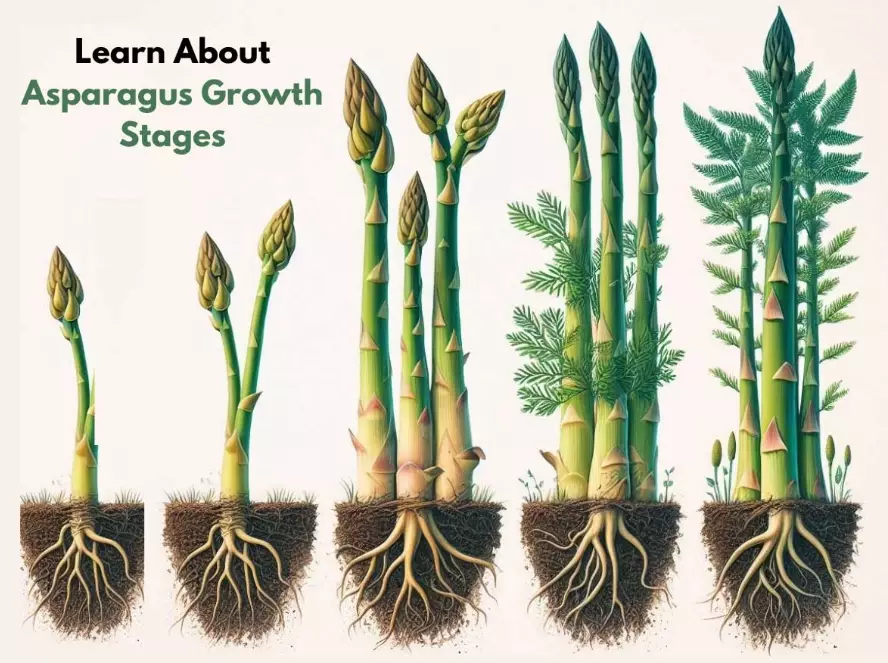
- Soak the crowns in lukewarm water for 15-30 minutes before planting. Just rehydrate them, don't drown them.
- Create a small mound in the bottom of your trench every 18 inches. The mound should be about 4-6 inches high from the trench bottom.
- Drape the crown over the mound like an octopus sitting on a hill. Spread the roots down the sides of the mound.
- Cover initially with just 2-3 inches of your amended soil. Water it in well.
Here's the trick: Don't fill the trench all the way yet. As the shoots grow through the initial soil cover, you gradually add more of the amended soil, an inch or two at a time, until the trench is filled level with the surrounding ground. This usually takes the whole first growing season. This gradual filling supports the emerging shoots and doesn't bury the crown too deeply all at once.
Season-by-Season Care: Feeding, Weeding, and Mulching
Year one and two are all about building the plant's energy reserves (the crown), not harvesting.
Spring/Year 1 & 2: Let all the spears grow unfettered into tall, fern-like foliage (this is called "ferning out"). This foliage is the solar panel that feeds the crown for next year's crop. Keep the bed meticulously weeded—asparagus hates competition. A thick mulch of straw or shredded leaves after the soil warms helps immensely.
Late Fall/Winter: After the ferns have turned yellow or brown from frost, cut them down to about 2 inches above the ground. Remove and compost the debris (away from the garden if you had disease issues) to eliminate overwintering sites for pests like the asparagus beetle.
Early Spring (Every Year): Before the spears emerge, top-dress the bed with a 1-inch layer of finished compost and a light application of a balanced organic fertilizer. This spring feeding is crucial for sustained production.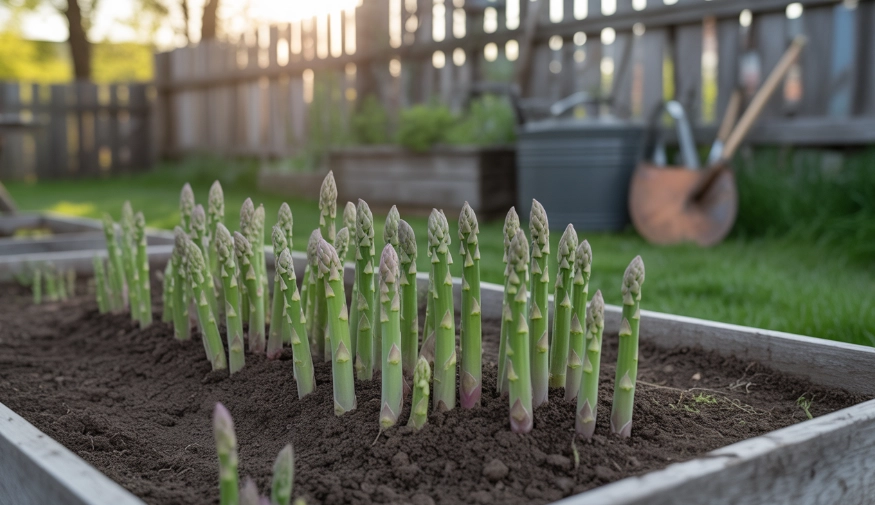
When and How to Harvest Asparagus Without Hurting the Plant
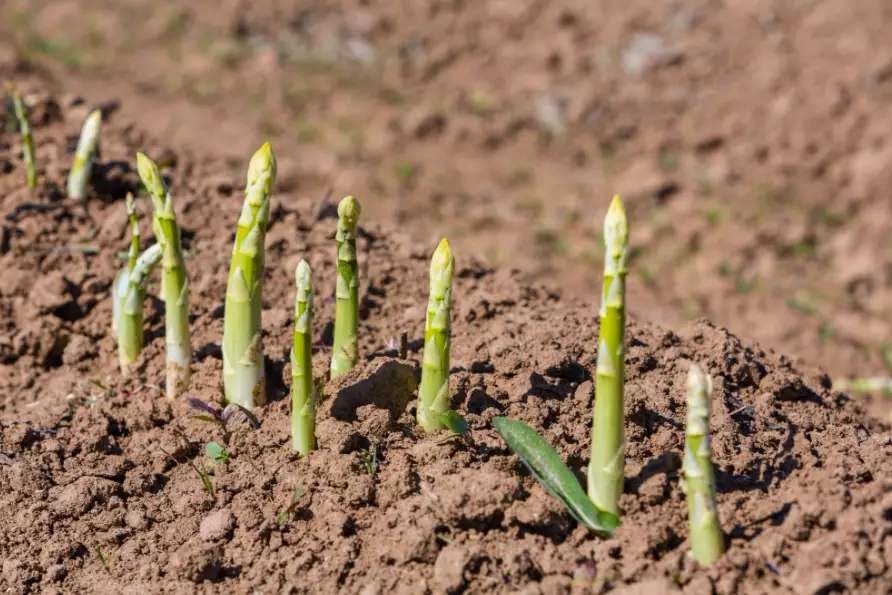
The golden rule: No harvesting in the first two years. I know it's hard. In year three, you can harvest for a short period, about 2-4 weeks. From year four onward, you can extend the harvest to 6-8 weeks.
How do you know when to stop? Stop when the emerging spears are consistently thinner than a pencil. That's the plant saying its energy reserves are getting low, and it's time to let it fern out again.
The Harvest Technique Everyone Gets Wrong: Don't cut the spear with a knife at soil level. You might damage emerging neighboring spears or the crown itself. Instead, grasp the spear firmly near the base and bend it. It will snap cleanly at the naturally tender point, which is exactly where you want it to break. This is a subtle but important detail I learned the hard way after slicing into a fat, hidden spear next to the one I was targeting.
Solving Common Asparagus Problems: Beetles, Rust, and More
A healthy, well-sited bed has few problems. But here's what to watch for: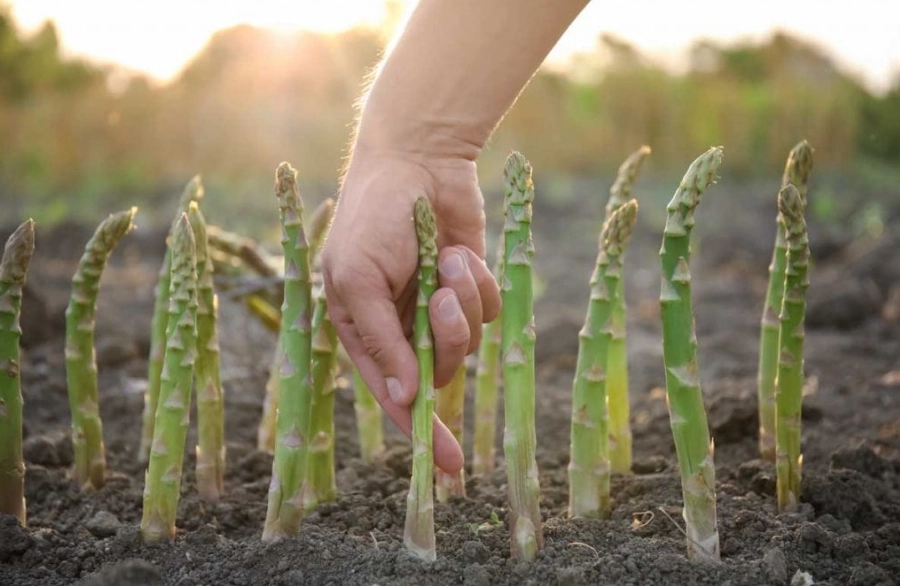
Asparagus Beetle: The most common pest. They're black with cream spots or orange with black spots. They and their ugly black larvae chew on ferns and spears. Hand-pick them early in the morning when they're sluggish. For severe infestations, neem oil or spinosad (an organic bacterial insecticide) works. Keeping the bed clean in fall is the best prevention.
Fusarium Wilt/Yellowing: This is a soil-borne fungus. Plants stunt, ferns yellow and die back. Prevention is the only cure. This is why choosing resistant varieties like 'Jersey Knight' and planting in well-drained soil is non-negotiable. Never plant a new asparagus bed where an old one failed.
Poor Production/Thin Spears:
Usually caused by one of three things: harvesting for too long (exhausting the plant), inadequate sunlight, or underfeeding. Go back to the basics—sun, soil, and a disciplined harvest window.
Your Asparagus Growing Questions, Answered
I planted crowns last spring. This spring, only a few skinny spears came up. Did I do something wrong?
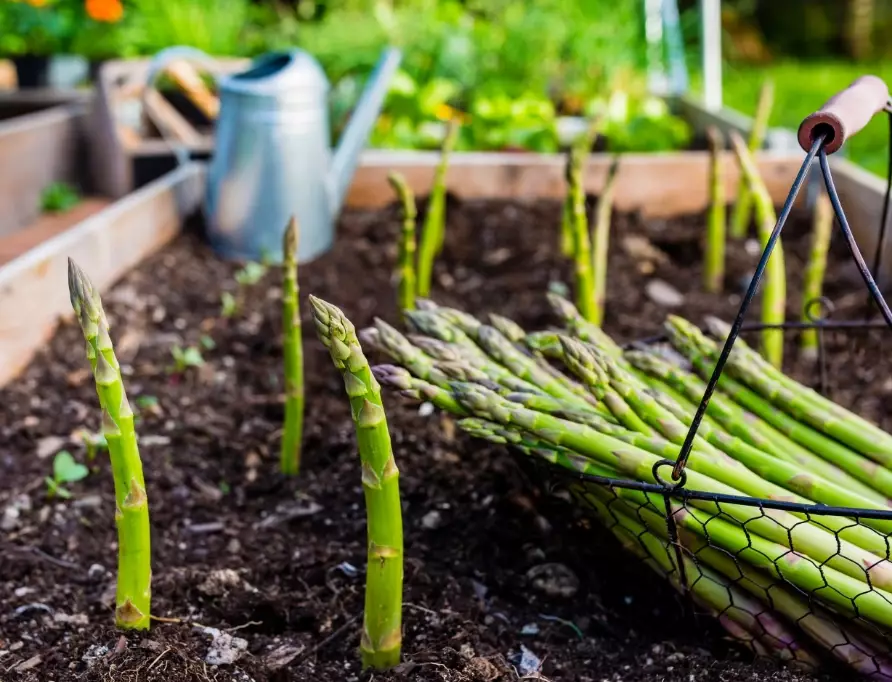
Can I grow asparagus in a raised bed or a large container?
 My asparagus bed is 10 years old and production has really dropped. Can I revive it?
Is it true you shouldn't plant tomatoes near asparagus?
How do I deal with all the asparagus fern foliage in the summer? It gets huge and floppy.
 Starting an asparagus bed is a commitment. It's a handshake with your future self and maybe even the next gardener to tend your plot. You're planting for springs you haven't yet seen. Skip the shortcuts on soil prep, choose resistant crowns, and exercise that harvest discipline. In a few years, you'll be the one giving away bundles of spears to amazed neighbors, wondering how you grew something so perfect. That's the real harvest.
Reader Comments