Let's cut to the chase. Chicken gardening isn't just about having fresh eggs and a nice tomato patch in the same space. It's a complete system where your chickens and plants work together, solving each other's problems. The chickens eat pests and weeds, their manure feeds the soil, and the garden provides them with forage and shade. You get better food with less work. But most guides gloss over the real, messy details that make or break this setup. I've spent over a decade integrating flocks with gardens, and I've made every mistake so you don't have to.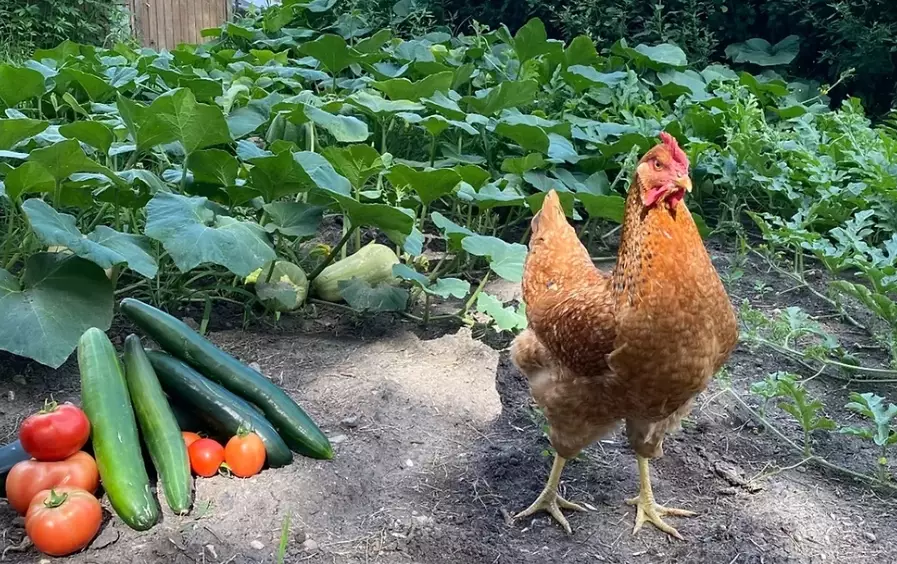
What You'll Find Inside
Why Bother Combining Chickens and a Garden?
The benefits sound almost too good to be true. They're not, but you have to manage the system correctly. The biggest payoff isn't just eggs; it's soil transformation.
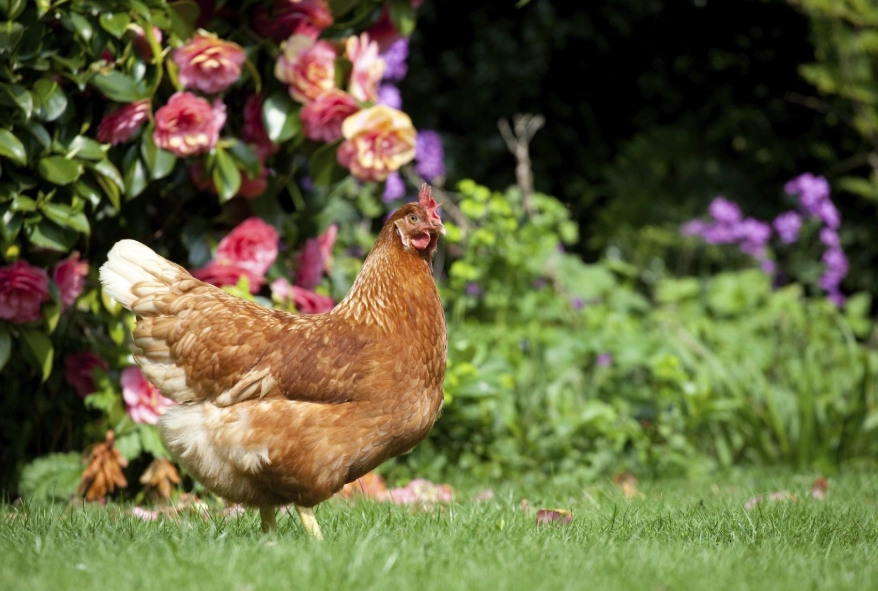
Chicken manure is a "hot" fertilizer, meaning it's high in nitrogen and can burn plants if applied fresh. In a chicken garden, the birds process it for you. They scratch and peck, incorporating their droppings into the soil where microbes break it down. Over a single season, I've watched heavy clay soil become soft, dark, and crumbly just from having chickens run in a garden area during the off-season.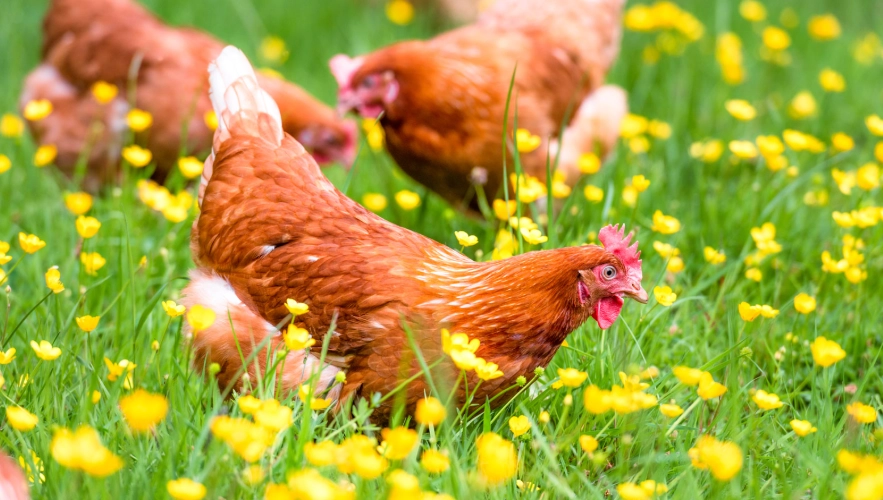
Here's the comparison that matters: In a traditional garden, you buy fertilizer, buy mulch, buy pest control, and do all the weeding. In a chicken garden system, you're primarily managing the flow of your chickens to let them do those jobs. The cost shift is significant.
| Task | Traditional Garden | Chicken Garden System |
|---|---|---|
| Fertilization | Bagged compost & fertilizer ($50-$150/year) | Chicken manure (free, managed through rotation) |
| Pest Control | Sprays, traps, or manual removal | Chickens eat slugs, beetles, larvae, etc. |
| Weeding | Hours of labor or herbicides | Chickens eat weed seeds and seedlings |
| Soil Aeration | Tilling or digging | Natural scratching action |
| Waste Recycling | Compost pile management | Kitchen scraps directly fed to chickens |
The real value is time and ecosystem health. You're creating a loop.
Getting Started: The Non-Negotiable First Steps
Jumping in without a plan is the fastest way to see your kale reduced to stems and your seedlings vanished. The core principle is separation and rotation, not free-range chaos.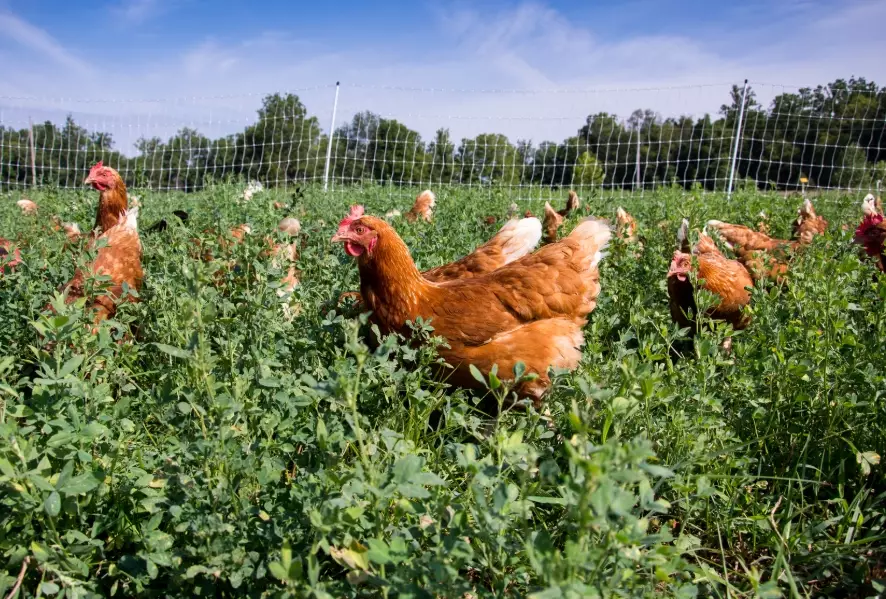
Step 1: The Garden Layout is Everything
Forget a single open plot. Divide your space into at least three zones:
- The Growing Zone: Where your annual vegetables and delicate plants live. This area is off-limits to chickens during the growing season. Fence it securely.
- The Chicken Run Zone: Their main living area with the coop. This gets hard use.
- The Rotation/Forage Zone(s): One or more areas where you actively rotate chickens. This could be a future garden bed, a fallow area, or a dedicated forage patch.
I use simple, movable fencing like electrified poultry netting to create these temporary zones. It's the most important tool I own.
Step 2: Timing is More Important Than You Think
You don't just let chickens into any garden anytime. The schedule is key:
- Late Fall to Early Spring: This is prime chicken gardening time. After harvest, let the chickens into the Growing Zone. They'll clean up leftover plants, eat pest eggs, and fertilize the soil. They prepare the bed for you.
- Spring Planting to Fall Harvest: Chickens are locked out of the main vegetable garden. They stay in their run and Rotation Zones.
- Summer: Use the Rotation Zones to grow chicken forage (like comfrey, kale, or sunflowers) or to let a piece of land rest and be fertilized.
This cycle protects your plants and maximizes benefit.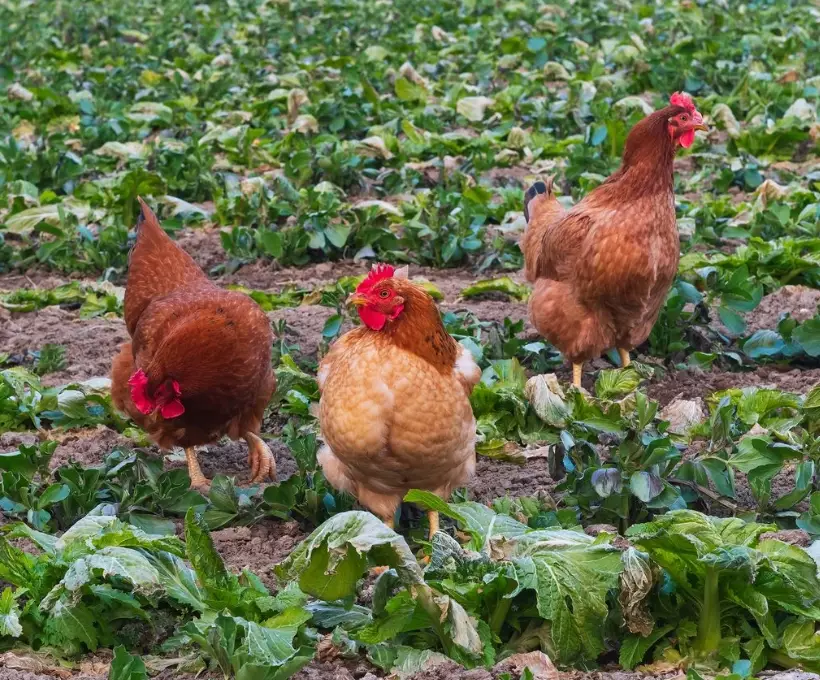
Choosing the Right Chicken Breeds for Gardening
Not all chickens are created equal for garden work. Heavy, docile breeds like Orpingtons are great for families but can be clumsy and flatten smaller plants. Hyper-active breeds like Leghorns are fantastic foragers but might be more flighty.
For a balanced chicken gardening flock, I lean towards dual-purpose heritage breeds known for being good foragers with calm dispositions. My top three recommendations:
1. The Australorp: My personal favorite. They're excellent foragers, curious but not destructive, lay a fantastic number of dark brown eggs, and are hardy. They scratch enough to help but won't completely demolish an area in minutes.
2. The Plymouth Rock (Barred Rock): Another superb all-rounder. They're friendly, robust, and known for being productive foragers. They handle confinement well but truly shine when given space to explore a rotation zone.
3. The Wyandotte: Beautiful, cold-hardy, and good foragers. They tend to be a bit more independent than Australorps but are still generally calm. Their feathering makes them resilient in various climates.
Avoid highly-strung flighty breeds for your first foray. And remember, a bantam (small) chicken does much less damage to seedlings than a standard-sized one, but they also lay smaller eggs.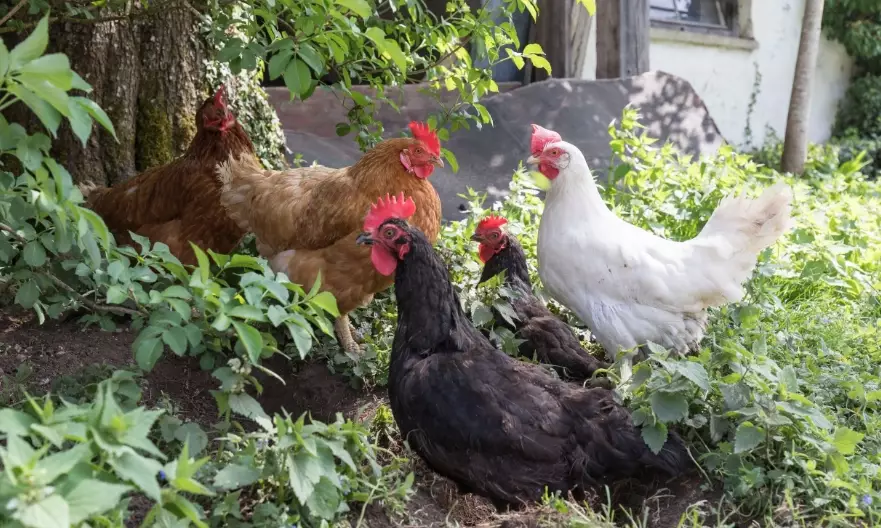
The Best (and Worst) Plants for a Chicken Garden
This is where specific advice pays off. You need plants that can handle some chicken attention or that benefit them.
In the Forage/Rotation Zone, plant these for your chickens:
- Comfrey: The king of chicken forage. It's perennial, deep-rooted, packed with protein, and chickens love the leaves. I cut and toss it into their run daily.
- Kale & Swiss Chard: Tough, leafy greens that keep producing. Chickens will eat them down to the stem, but the stems often regrow.
- Sunflowers: Let them grow, then let the chickens at the spent heads in the fall. They'll pick out the seeds for hours.
- Clover or Alfalfa: Great living ground cover in a rotation area. Fixes nitrogen, and chickens love pecking at it.
In your protected Growing Zone, focus on these resilient choices:
- Tall or Sturdy Plants: Tomatoes (staked/caged), peppers, okra, corn, sunflowers. Chickens are less likely to bother established plants they can't easily knock over.
- Aromatic Herbs: Many pests chickens eat dislike strong smells. Planting rosemary, lavender, oregano, and thyme around borders can deter pests and survive occasional chicken curiosity.
- Fruiting Shrubs: Blueberries, currants. Once established, their structure protects them.
Plants to Protect Absolutely: All tender seedlings (lettuce, carrots, beans), low-growing berries (strawberries), and most root crops. A chicken will decimate these in seconds.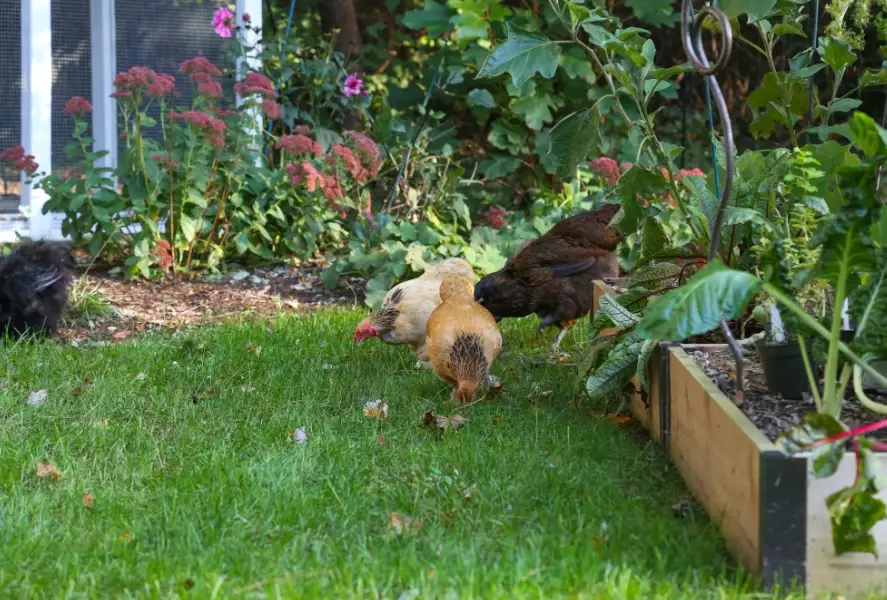
Solving the Big Problems: Scratching, Dust Bathing, and Eating Seedlings
Here's the expert-level insight most blogs miss. Chickens aren't malicious; they're following instinct. Your job is to manage those instincts.
Problem: They scratch up mulch and small plants.
Solution: Give them a better place to scratch. In their run, create a dedicated "scratch zone" with loose soil, leaves, or straw. Bury some scratch grains there to encourage the behavior in the right spot. In rotation zones, let them go to town—that's the point.
Problem: They take dust baths in your soft, beautiful garden soil.
Solution: Provide an irresistible, official dust bath. Use a large, low container (like a kiddie pool or tire) filled with a 50/50 mix of dry dirt and fine sand. Add a bit of diatomaceous earth (food grade) for pest control. They'll choose this over your beds.
Problem: They eat everything green, including seedlings.
Solution: This is a fencing and timing issue, not a chicken training issue. Use physical barriers (hardware cloth, sturdy fencing) around the Growing Zone. Use temporary fencing (electric netting is highly effective) to define Rotation Zones. Never let them into an area with unprotected plants you care about.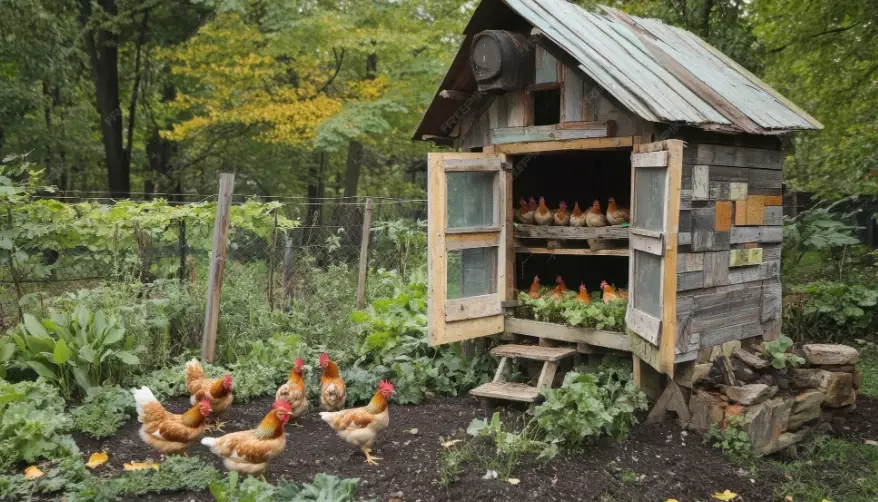
The single biggest mistake I see? People thinking they can let chickens "help" in the vegetable garden during the summer. It's a disaster. The help happens in the off-season. Get that rhythm right, and 90% of your problems vanish.
Real Questions from Chicken Gardeners
 What's the best way to handle chicken manure in the garden?
Reader Comments