Let's cut to the chase. If you're tired of battling clay, rocks, or terrible drainage in your backyard, a raised bed garden is your way out. It's not just a trend; it's a practical solution that gives you control. I switched to raised beds over a decade ago after a season of watching my carrots twist into grotesque shapes in my compacted native soil. The difference was night and day.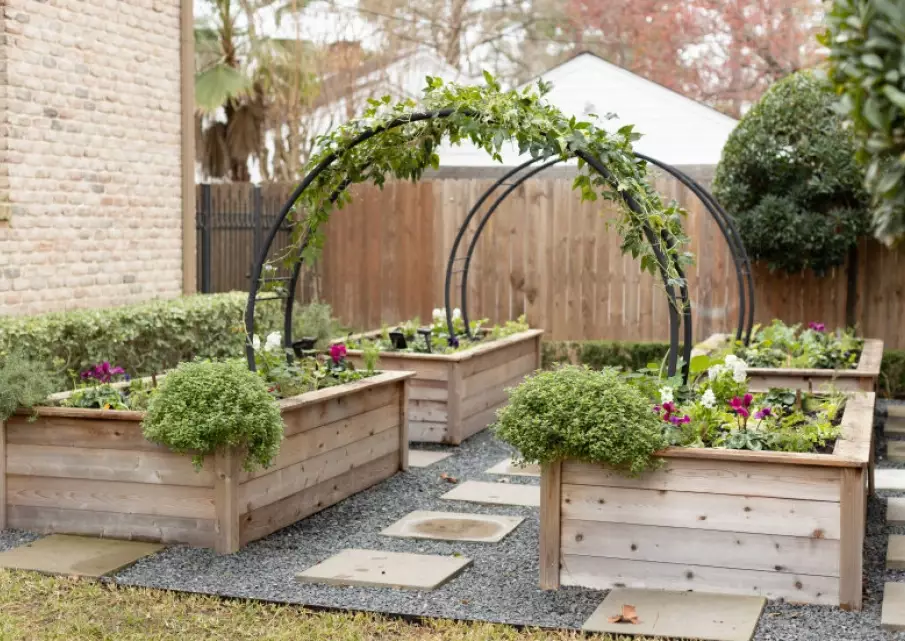
What You’ll Discover in This Guide
- Why Raised Beds Beat In-Ground Gardens Every Time
- Choosing Your Raised Bed Material: A Real-World Comparison
- How to Build a Raised Garden Bed: A Step-by-Step Guide
- The #1 Secret to Success: Your Raised Bed Soil Recipe
- Planting Your Raised Bed: Strategies for Maximum Yield
- Ongoing Care: Watering, Feeding, and Weed Control
- The Top 3 Raised Bed Mistakes (And How to Avoid Them)
- Your Raised Bed Questions, Answered
What Are the Benefits of Raised Bed Gardens?
Forget the fluffy marketing. The advantages are concrete. Soil warms up faster in spring, letting you plant weeks earlier. You get superior drainage, which means no more waterlogged roots after a heavy rain. For anyone with back issues, the elevated height is a game-changer—less bending, more enjoying.
But the biggest win? Complete control over your growing medium. You're not stuck with whatever dirt you have. You fill the bed with a perfect, loose, fertile mix from day one. This leads to deeper root systems and healthier plants. According to the University of Maryland Extension, raised beds can yield up to four times more per square foot than traditional row gardening. That's efficiency.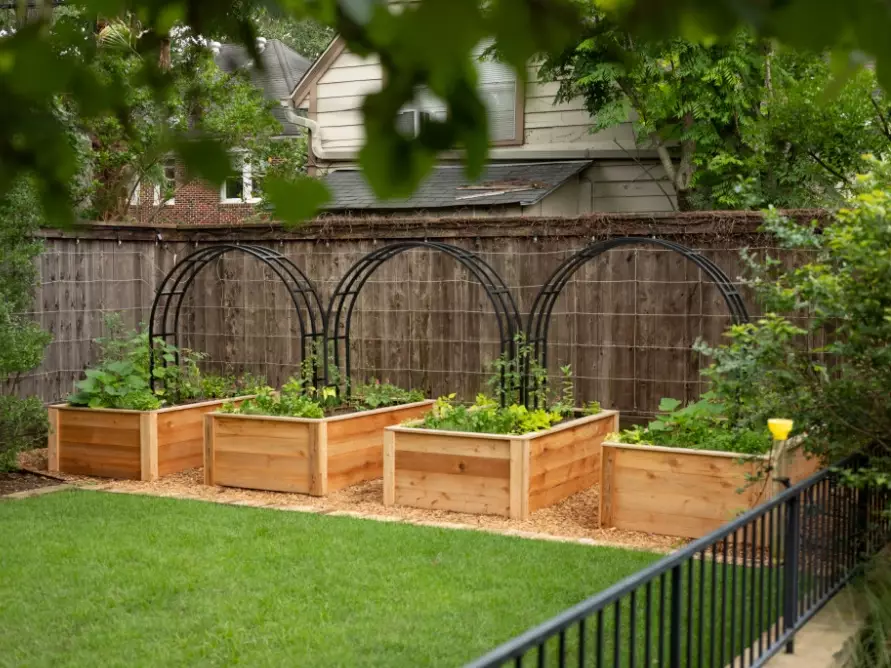
Choosing Your Raised Bed Material: A Real-World Comparison
This is where most people get stuck. Cedar? Pine? Metal? Composite? The choice impacts cost, longevity, and even soil temperature. Let's break it down without the sales pitch.
>>>| Material | Pros | Cons | Best For | Estimated Lifespan |
|---|---|---|---|---|
| Untreated Cedar or Redwood | Naturally rot-resistant, beautiful, safe for edibles. | Expensive. Can still decay over many years. | Permanent, chemical-free gardens. The gold standard. | 10-15+ years |
| Pressure-Treated Pine (Modern) | Affordable, widely available, long-lasting. | Older treatments contained arsenic; modern ACQ/CBA treatments are considered safe for gardens by the EPA, but some purists avoid them. | Budget-conscious builders who want durability. | 15-20+ years |
| Corrugated Galvanized Steel | Very durable, modern look, excellent for curved designs. | Can get very hot in full sun, potentially heating soil. Edges can be sharp. | Contemporary gardens, hot climates (with caution). | 20+ years |
| Composite Lumber | Rot-proof, often made from recycled plastic/wood. | Can be pricey, may not have the same structural rigidity as wood. | Wet climates, low-maintenance seekers. | 20+ years |
| Cinder Blocks or Bricks | Inexpensive, durable, provides planting pockets. | Heavy to move, can leach lime and raise soil pH over time. | Ultra-budget, permanent installations. | Indefinite |
My go-to for most beginners is untreated cedar for a 4x8 foot bed. It hits the sweet spot of cost, safety, and longevity. Avoid pallet wood unless you're 100% sure it's heat-treated (stamped with "HT") and not chemically treated.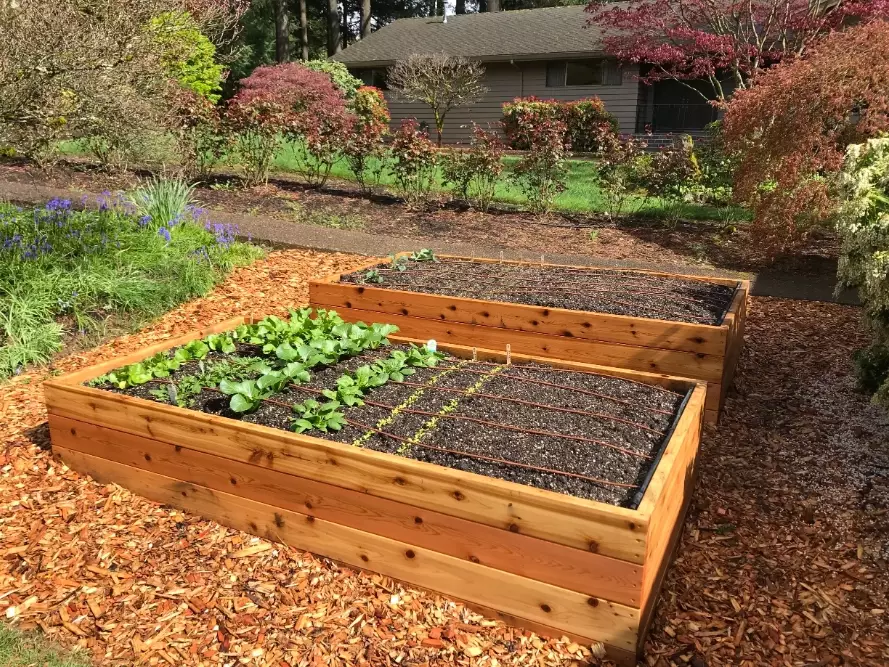
How to Build a Raised Garden Bed: A Step-by-Step Guide
Let's build a standard 4x8 foot bed, 12 inches tall. This size lets you reach the center from both sides without stepping on the soil.
Tools and Materials You'll Need
Two 2"x12"x8' cedar boards, two 2"x12"x4' cedar boards, four 4"x4" cedar posts (18" long), exterior-grade wood screws (3.5"), a drill/driver, a level, a shovel, and landscape fabric (optional).
The Build Process
1. Site Selection is Critical. Pick a spot with at least 6-8 hours of direct sun. Watch the sun for a full day before you commit. Avoid low spots where water pools. Proximity to a water source is a luxury you'll thank yourself for later.
2. Clear and Level the Ground. Remove grass and weeds from the area. You don't need to dig deep, just create a flat base. A level bed frame prevents soil from washing out one side.
3. Assemble the Frame. Place the 8-foot and 4-foot boards on edge to form a rectangle. Use the 4x4 posts at each corner (and one in the middle of each long side for a 4x8 bed) to screw the boards together from the inside. This creates a sturdy corner that won't sag.
4. To Line or Not to Line? If you have a major weed problem (like bindweed or quackgrass), staple landscape fabric to the bottom interior. It blocks weeds but allows drainage. If weeds aren't a huge issue, just lay down a few sheets of cardboard to smother grass—it will decompose.
5. Place and Fill. Set your assembled frame in place. Now, the most important step: filling it. Don't just dump bags in. Which brings us to...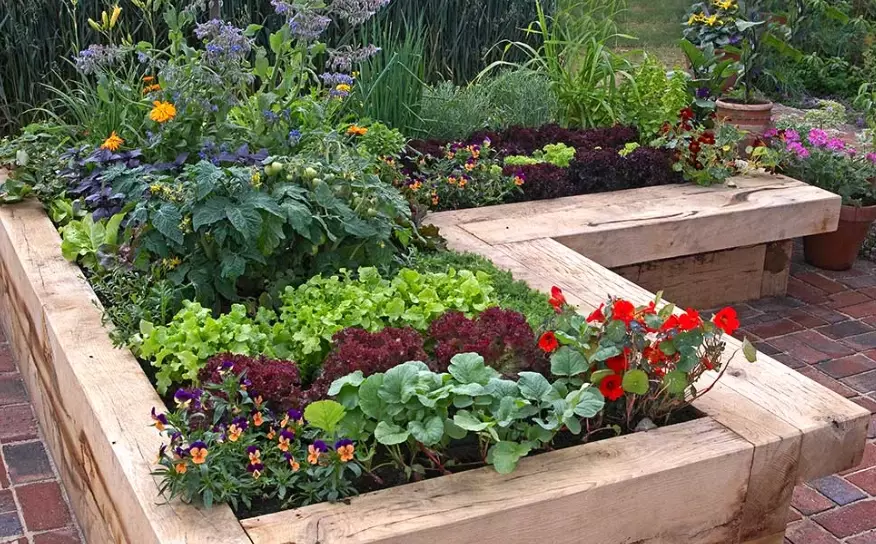
The #1 Secret to Success: Your Raised Bed Soil Recipe
This is the heart of your garden. A common recommendation is "Mel's Mix" from Square Foot Gardening: 1/3 peat moss or coconut coir, 1/3 vermiculite, 1/3 blended compost. It's fantastic but can be pricey for large beds.
Here's my modified, more economical workhorse recipe that has never failed me:
- 50% High-Quality Topsoil: Not cheap fill dirt. Buy from a reputable landscape supply yard. This is the bulk and mineral base.
- 30% Compost: Use a blend—mushroom compost, worm castings, homemade compost. Diversity feeds the soil microbiome.
- 20% Aeration Material: Coarse horticultural sand, perlite, or vermiculite. This is non-negotiable. It prevents compaction, ensuring oxygen reaches roots.
Mix these thoroughly before filling the bed, right on a tarp next to it. For a 4x8x1 foot bed, you'll need about 32 cubic feet of mix. Fill to within an inch or two of the top—it will settle.
Planting Your Raised Bed: Strategies for Maximum Yield
You have perfect soil. Now, don't waste the space with traditional rows. Use intensive planting methods.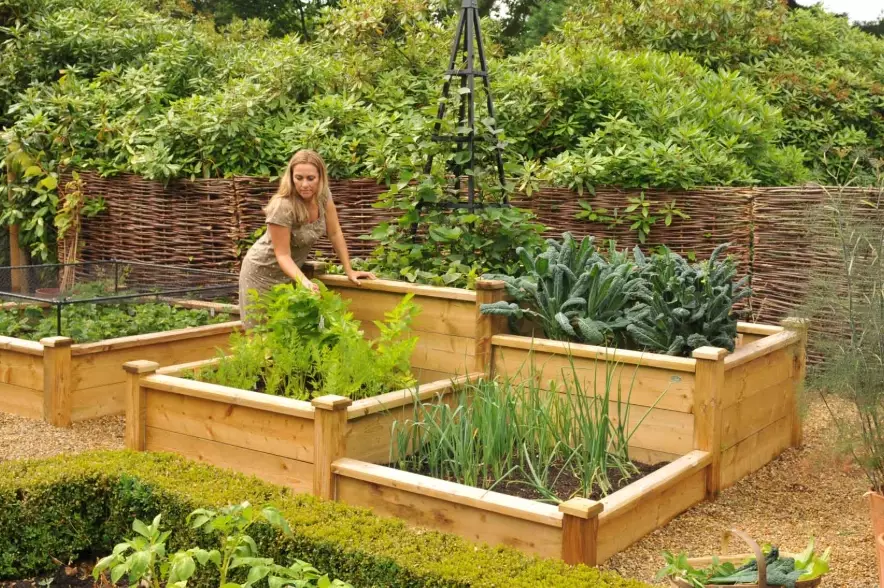
Square Foot Gardening: Divide your bed into 1-foot squares. Plant a different number of seeds/seedlings in each square based on plant size. One tomato plant per square. Nine bush beans per square. Sixteen carrots per square. It's a blueprint for efficiency.
Succession Planting: When one crop finishes, plant another. After harvesting spring radishes, that square can grow bush beans. After garlic comes out in July, plant quick-growing lettuce or spinach for fall.
Vertical Gardening: Use the north side of the bed for trellises. Grow cucumbers, pole beans, and small squash varieties upward. It saves immense space and improves air circulation.
Best Plants for Raised Beds: Almost everything thrives, but root crops (carrots, beets, radishes) especially love the loose soil. Leafy greens, tomatoes, peppers, onions, and herbs are all-star performers. Avoid large, sprawling plants like pumpkins or corn in a standard bed—they'll take over.
Ongoing Care: Watering, Feeding, and Weed Control
Raised beds drain well, which also means they dry out faster. Deep, infrequent watering is key. A soaker hose or drip irrigation system on a timer is the ultimate upgrade. It delivers water to the roots, not the leaves, preventing disease.
Your soil mix is nutrient-rich, but hungry crops like tomatoes will deplete it. Side-dress with compost or a balanced organic fertilizer mid-season. A light layer of mulch (straw, shredded leaves) on the soil surface conserves water and suppresses weeds.
Weeds? You'll have far fewer. Hand-pull any that appear easily from the loose soil.
The Top 3 Raised Bed Mistakes (And How to Avoid Them)
I've seen these kill the enthusiasm of many new gardeners.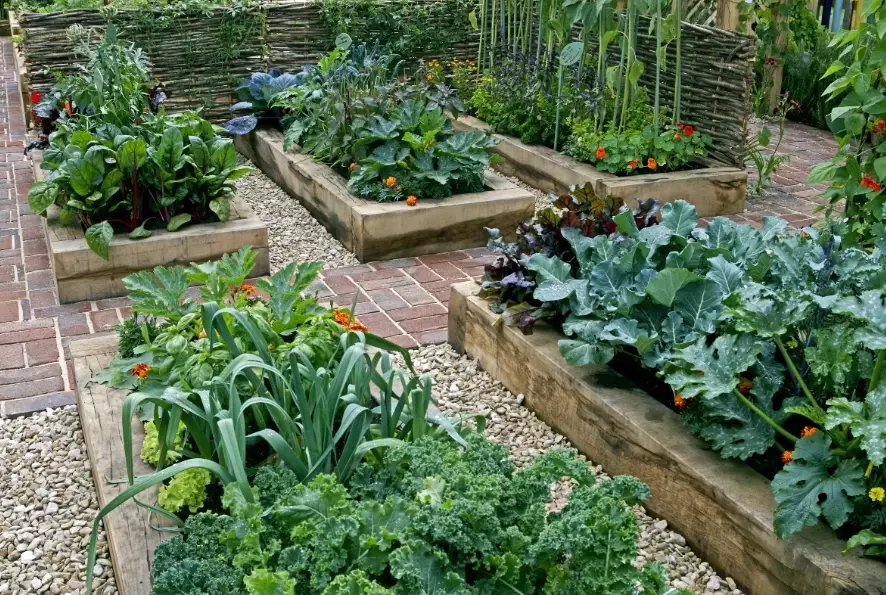
Mistake 1: Making the Bed Too Wide. If you can't comfortably reach the center without stepping in, you'll compact the soil. Keep beds to a maximum of 4 feet wide.
Mistake 2: Skipping the Soil Test and Using Poor Fill. Using pure compost or heavy clay from your yard defeats the purpose. Invest in the right mix from the start.
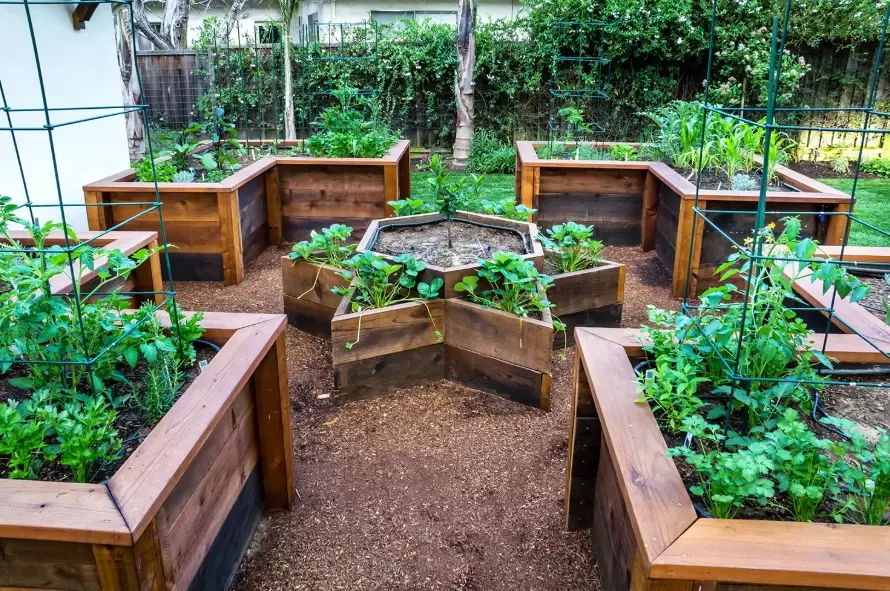
Mistake 3: Forgetting About Paths. Don't cram beds together. Leave at least 2-3 foot paths between them for a wheelbarrow and comfortable kneeling. Cover paths with wood chips or gravel to keep mud at bay.
Your Raised Bed Questions, Answered
Is a 6-inch deep raised bed enough for tomatoes?
It's the absolute bare minimum and not ideal. Tomato roots can easily reach 18-24 inches deep. A 12-inch depth is the sweet spot for most vegetables, providing ample room for robust root development and better drought resistance. In a 6-inch bed, you'll likely need to water much more frequently and may see reduced yields.
Can I put a raised bed on a concrete patio or driveway?
Absolutely, it's a great way to garden in urban spaces. The key is depth—aim for at least 12 inches to provide enough soil volume. Ensure there are drainage holes in the bottom or sides of the bed liner. You'll need to be more attentive to watering and fertilizing, as the bed is a closed system with no connection to the earth below.
 What do I do with my raised bed in the winter?
Don't leave it bare. After clearing spent plants, sow a cover crop like winter rye or crimson clover. It protects the soil from erosion, suppresses weeds, and adds organic matter when turned under in spring. Alternatively, cover the soil with a thick layer of fallen leaves or compost. This "blanket" keeps the soil biology active and prevents nutrient leaching from rain.
How often should I replace the soil in my raised bed?
You shouldn't need to fully replace it if you manage it well. Each fall or spring, top-dress with 1-2 inches of fresh compost and gently mix it into the top few inches. This replenishes nutrients and organic matter. The soil structure should remain good for years. Complete replacement is only necessary if disease strikes or the soil becomes contaminated.
Can I grow fruit trees or shrubs in a raised bed?
For dwarf or small fruit trees (like columnar apples), a very large, deep raised bed (at least 24 inches deep and several feet wide) can work. However, most shrubs and standard trees need the unrestricted root run of in-ground planting. A raised bed can constrict them, leading to stability issues and poor long-term health. Stick to annual vegetables, herbs, and flowers for standard-sized beds.
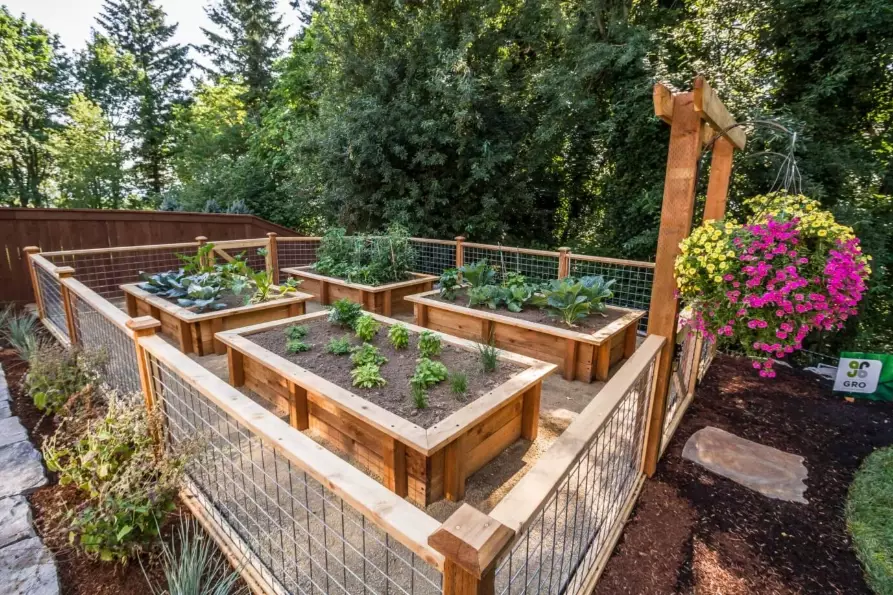 The real magic of a raised bed garden isn't just the harvest. It's the reduced frustration. You start with a clean slate, a controlled environment. You spend less time weeding and fighting poor soil, and more time actually gardening. Start with one bed. Get the soil right. You'll be amazed at what grows.
Reader Comments