If you're like most gardeners, the word "nematode" probably makes you think of one thing: a destructive, microscopic pest that ruins your tomatoes. Let's be honest, that's the reputation. But what if I told you that the vast majority of nematodes are not only harmless but are actually your garden's silent, unpaid workforce? I've spent over a decade studying soil ecology, and the biggest mistake I see is gardeners lumping all nematodes together as the enemy. That mindset can lead you to waste money on the wrong treatments and, worse, harm the very organisms that keep your soil healthy. The truth is, understanding what nematodes are—the good, the bad, and the microscopic—is the key to unlocking a truly resilient garden.
What You’ll Learn in This Guide
Nematodes 101: More Than Just Garden Pests
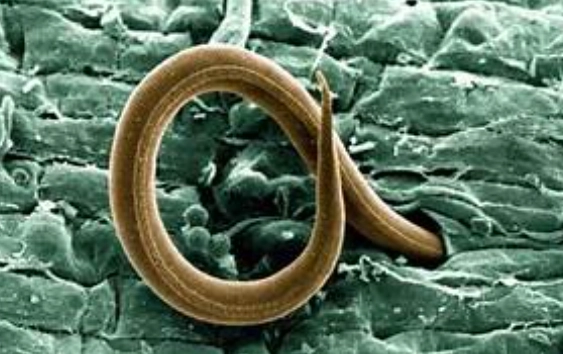
So, what are nematodes? In the simplest terms, they're unsegmented, microscopic roundworms. Think of them as tiny, translucent tubes, most thinner than a human hair. Calling them "worms" is a bit misleading—they're more like the Swiss Army knives of the soil ecosystem. They're everywhere. A single handful of productive garden soil can contain thousands of them, belonging to dozens of different species.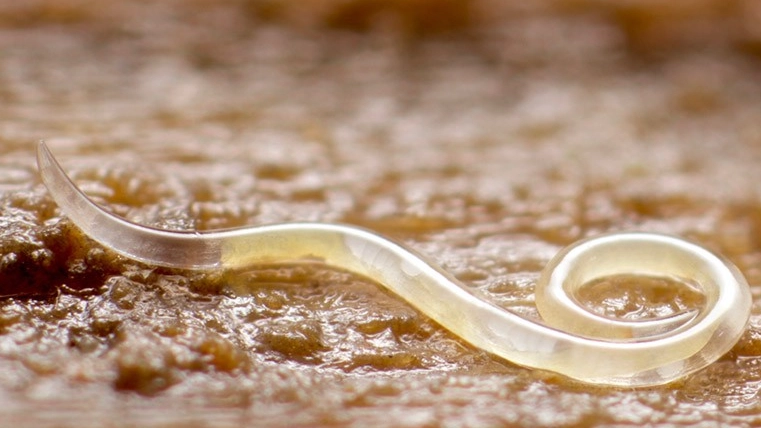
Their diversity is staggering. Some eat bacteria, some feast on fungi, others are predators that hunt smaller organisms, and yes, a small percentage are parasites that attack plant roots. This variety is crucial. The balance of these different feeding groups is a better indicator of soil health than any store-bought test kit. A soil dominated by bacterial- and fungal-feeding nematodes is typically vibrant and fertile. A soil overrun with plant-parasitic nematodes is screaming for help.
The Two Faces of Nematodes: Friend or Foe?
This is the core of the issue. You need to know which team a nematode is playing for. Here’s a breakdown that goes beyond the usual good vs. bad list.
| Type of Nematode | Primary Diet/Role | Impact on Your Garden | Common Example |
|---|---|---|---|
| Beneficial (The Allies) | Bacteria, fungi, other tiny soil organisms (protozoa, other nematodes), insect larvae. | Recycle nutrients, improve soil structure, control pest populations (like grubs, flea larvae). They are essential decomposers. | Steinernema feltiae (targets fungus gnats, thrips), Bacterial-feeders. |
| Plant-Parasitic (The Adversaries) | Plant root cells and fluids. | Cause stunting, yellowing, wilting, root galls, and reduced yield. They are obligate parasites. | Meloidogyne spp. (Root-knot nematode), Pratylenchus spp. (Lesion nematode). |
| Omnivorous & Predatory | Varied; other nematodes, small organisms. | Help regulate populations of other nematodes, including parasitic ones. A sign of a complex, mature soil food web. | Members of the Mononchidae family. |
The subtle error most gardeners make is reacting to the idea of nematodes rather than the specific problem. You see a struggling plant and hear "nematodes," so you reach for a harsh chemical nematicide. The problem? That chemical is non-discriminatory. It wipes out the beneficial bacterial- and fungal-feeding nematodes that are cycling nitrogen and phosphorus for your plants. You might suppress the pest short-term, but you've also degraded your soil's long-term fertility and natural defense system. It's a classic case of winning the battle but losing the war.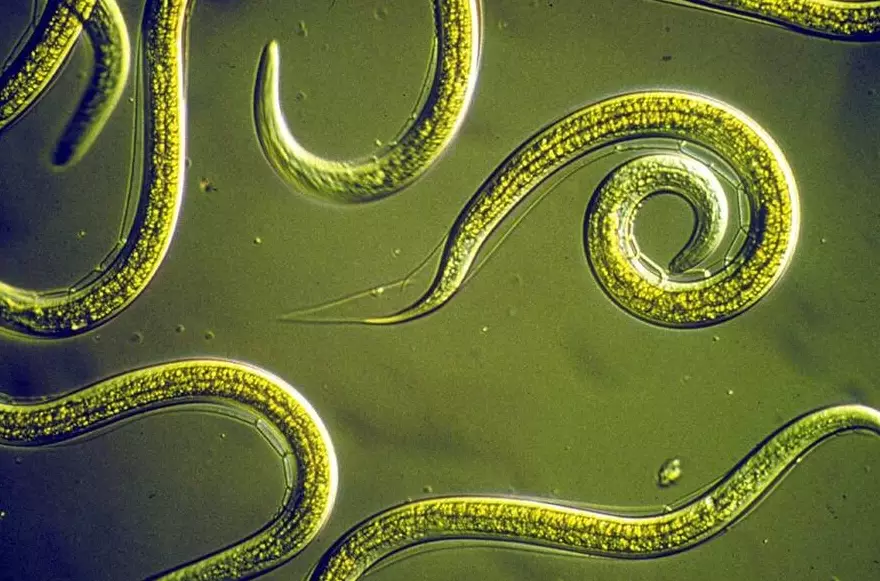
How to Spot the Bad Guys: Root-Knot Nematode Symptoms
Let's get concrete. The most common and visually obvious plant-parasitic nematode is the root-knot nematode (Meloidogyne). If you garden in warm climates, you've likely met them. They don't just suck sap; they inject hormones that cause root cells to swell into grotesque galls.
Here’s what to look for, beyond the generic "poor growth":
- Above Ground: The plant looks chronically thirsty and nutrient-starved, even with adequate water and fertilizer. It wilts easily on hot days, growth is stunted, and leaves may yellow (chlorosis). The symptoms are often patchy in the garden—one tomato plant is a disaster, the one three feet away looks fine.
- The Smoking Gun (Below Ground): Gently dig up a symptomatic plant and wash the roots. Healthy roots should be firm and white or tan. Infected roots will have distinct, bead-like swellings or knots. These galls are part of the root tissue, not just soil clinging to it. On severe infestations, the entire root system looks knotted and mangled. Secondary root rot often sets in because the galls are weak points.
My Personal Encounter: A few years back, my prize heirloom tomato patch started failing. The plants were fed, watered, and sunned perfectly, yet they looked miserable. I blamed the weather, then a virus. It wasn't until I pulled up a plant and saw those tell-tale galls—like tiny, cancerous growths on the roots—that the penny dropped. I'd brought in infected compost. That experience taught me that diagnosis always starts at the root zone.
Getting a Professional Diagnosis
You can strongly suspect root-knot nematodes from the galls, but for other parasitic types (like lesion or dagger nematodes), you need a lab test. Many state university cooperative extension services offer affordable soil nematode assay tests. You send in a soil sample, and they tell you the types and population levels present. This is invaluable. It moves you from guesswork to a targeted strategy. For a national directory of plant diagnostic labs, you can search the resources provided by the National Plant Diagnostic Network.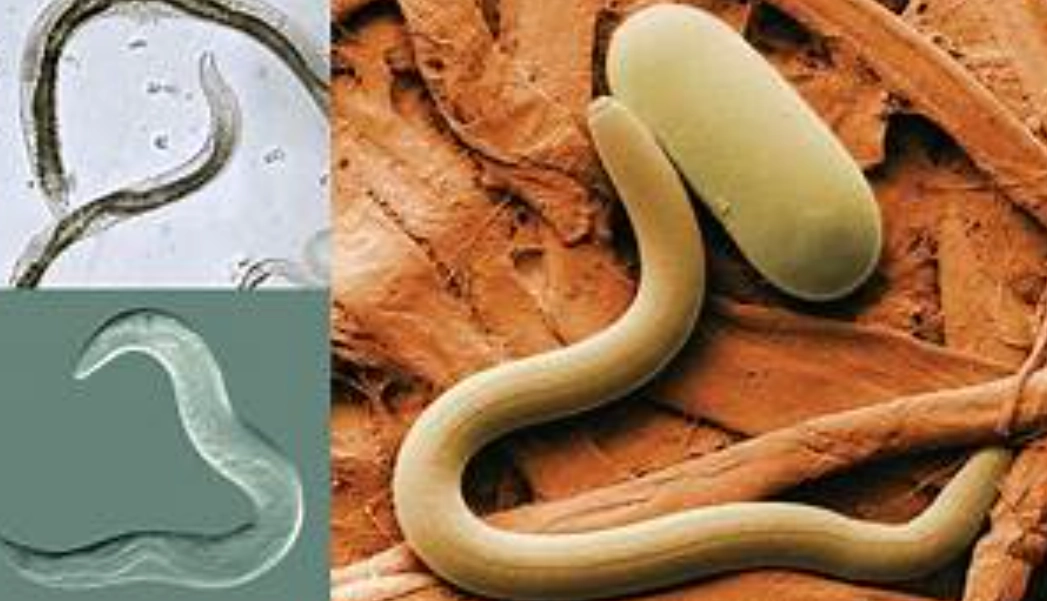
Smart Control Strategies (Without Nuking Your Soil)
Once you've identified a problem, the goal is suppression, not eradication—trying to create soil conditions where beneficial life thrives and pests struggle. Forget about silver bullets.
1. Solarization (For Warm Climates): This is a powerful, chemical-free reset button for a badly infested bed. In the peak of summer, moisten the soil, cover it tightly with clear plastic (1-4 mil), and seal the edges. Leave it for 4-6 weeks. The sun's heat cooks the top several inches of soil, killing nematodes, weeds, and many pathogens. It's brutal but effective for annual beds. The downside? It also kills the good guys, so you must actively rebuild life afterwards with compost and microbial inoculants.
2. The Rotation & Resistant Varieties One-Two Punch: Don't plant the same family of plants in the same spot year after year. Rotate tomatoes, peppers, eggplants (Solanaceae) with non-host crops like corn, beans, or leafy greens. Even better, seek out varieties labeled "N" or "VFN" resistant. The "N" specifically denotes resistance to certain root-knot nematode species. This is your first and best line of defense.
3. Build Organic Matter Relentlessly: This is the long-game winner. Nematodes, particularly the parasitic ones, thrive in poor, compacted, lifeless soil. By adding compost, aged manure, leaf mold, and using cover crops (like marigolds Tagetes patula or certain mustard greens), you foster a diverse microbial and fungal community. This community supports the beneficial nematodes and other organisms that compete with or antagonize the pests. It's about building an ecosystem that polices itself.
4. Consider Biological Fungicides: Some products containing the fungus Purpureocillium lilacinum (formerly Paecilomyces lilacinus) have shown efficacy against nematode eggs and juveniles. They work best as part of a preventive program in healthy soil, not as a rescue treatment in dead dirt.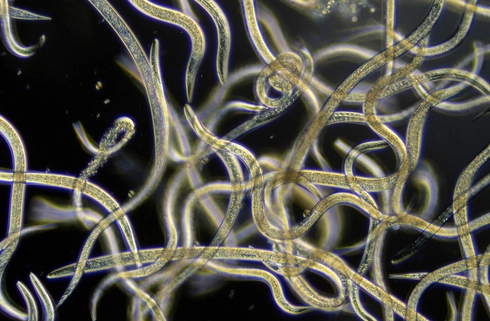
Harnessing the Power of Beneficial Nematodes
This is the fun part. You can actually buy armies of beneficial entomopathogenic nematodes (EPNs) to target specific soil-dwelling insect pests. They're a brilliant, natural biocontrol.
How it works: You purchase them live but dormant (usually on a sponge or in clay). You mix them in water and apply them to moist soil, much like watering. The nematodes, which are seeking hosts, actively hunt for larvae like Japanese beetle grubs, vine weevil larvae, or flea beetle pupae. They enter the host, release symbiotic bacteria that kill it, and reproduce inside. It's nature's horror movie, and it's on your side.
Critical Application Tips (Where Most Go Wrong):
- Match the Species: Heterorhabditis bacteriophora for grubs. Steinernema feltiae for fungus gnats and thrips pupae in soil. Don't guess.
- Soil Must Be Moist & Warm: Apply in the evening to moist soil when temperatures are between 60-90°F (15-32°C). They are aquatic creatures and will desiccate and die in dry soil.
- They Have a Shelf Life: Use them immediately upon arrival. Don't store them in a hot mailbox or garage.
- UV Light is the Enemy: That's why you apply at dusk. Sunlight kills them.
By fostering native beneficials and strategically applying EPNs, you move from being a constant combatant to a savvy ecosystem manager.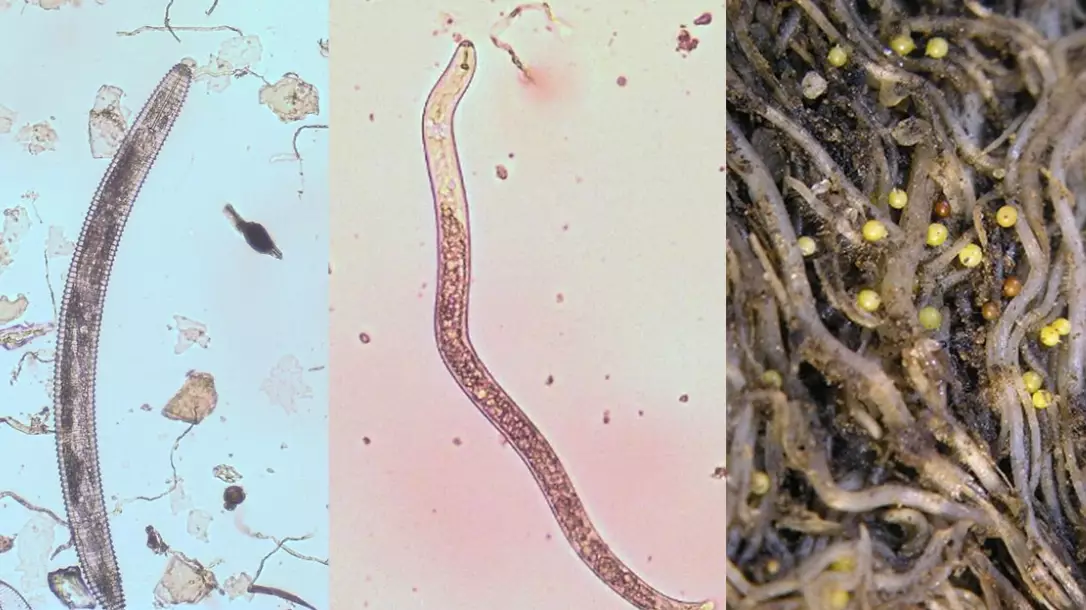
Your Nematode Questions, Answered
The world beneath our feet is more complex and active than we often credit. Nematodes are a fundamental part of that world. By moving beyond the simple label of "pest" and understanding what nematodes truly are—a diverse ecological guild—you stop fighting your soil and start working with it. You'll spend less on quick fixes and see more consistent, healthy growth. It starts with looking a little closer, preferably with a trowel in one hand and a curious mind.
Reader Comments