That pile of wet, used coffee grounds you're about to toss? Stop right there. You're holding one of the most underrated, free, and powerful amendments for your garden. I've been composting for over a decade, and I can tell you that integrating coffee grounds into my routine transformed my soil from okay to outstanding. But here's the catch most beginners miss: doing it wrong can actually harm your plants. This isn't just about dumping brown stuff on your garden. It's about understanding the science and the art behind turning waste into black gold.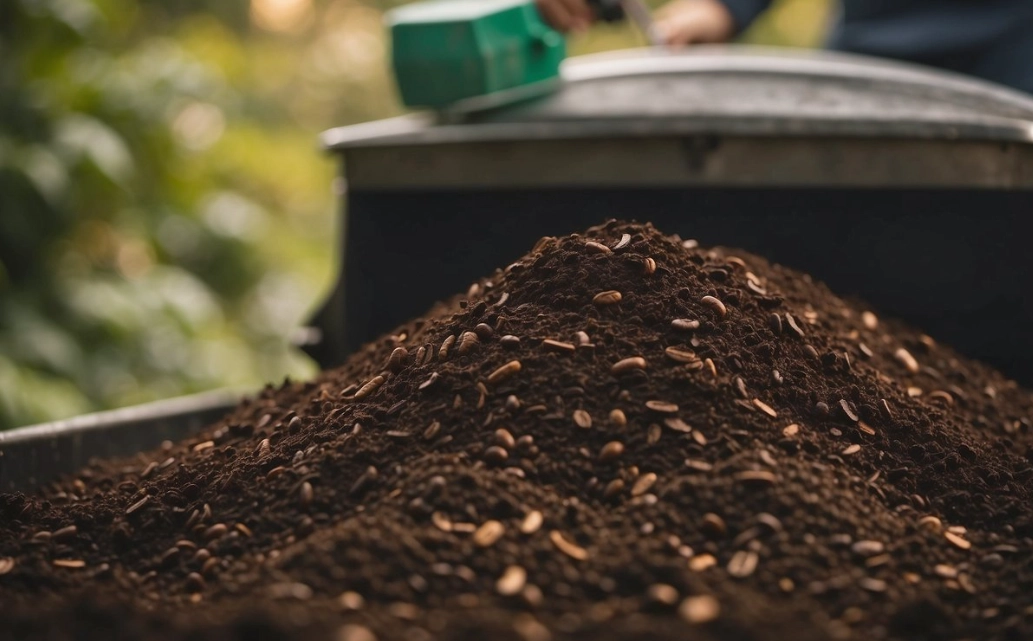
What's Inside This Guide
Why Coffee Grounds Are a Composter's Dream
Let's break down why this common waste product is so valuable. It's not magic; it's chemistry and biology.
First, they're a fantastic source of nitrogen. Nitrogen is the fuel that drives the decomposition process in your compost pile and is crucial for leafy, green plant growth. Coffee grounds are considered a "green" composting material, similar to vegetable scraps or grass clippings. The U.S. Environmental Protection Agency includes coffee grounds in its list of compostable food scraps, highlighting their role in diverting waste from landfills.
Second, they improve soil structure. Finished compost from coffee grounds helps sandy soil retain water and gives heavy clay soil better drainage and aeration. It's a physical conditioner.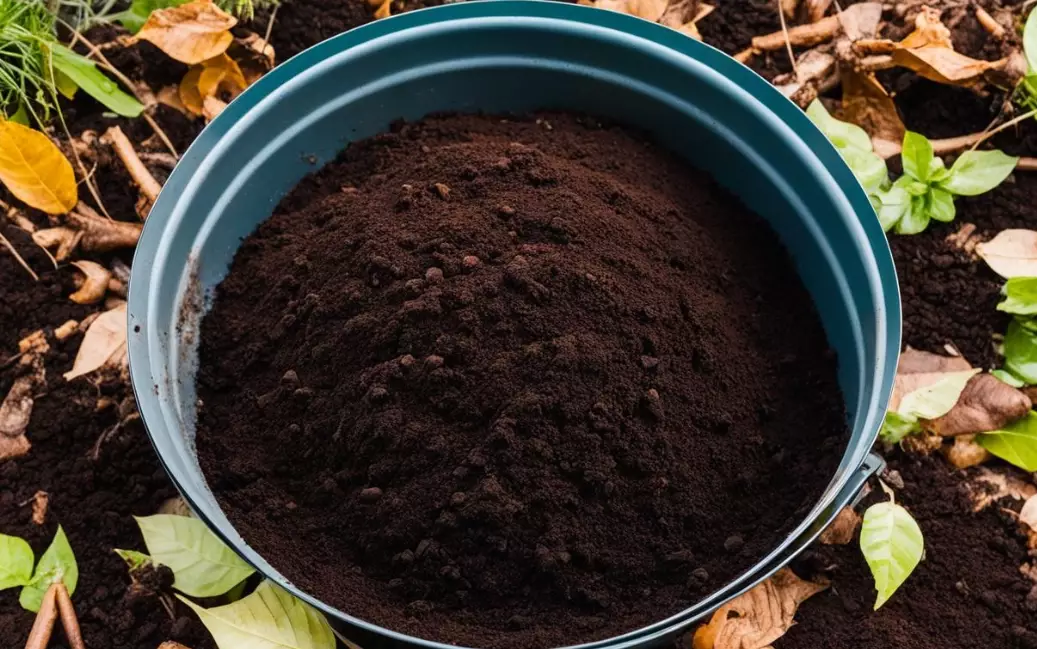
Third, they attract earthworms. Worms love coffee grounds. I've lifted the lid on my compost bin after adding a thick layer of grounds and seen a writhing mass of happy worms. More worms mean better-aerated soil and more worm castings—nature's perfect fertilizer.
Now, about the acidity myth. This is crucial. Used coffee grounds are nearly neutral in pH. The brewing process leaches out most of the acidity. Studies, like those referenced by Oregon State University Extension Service, show that used grounds have a pH around 6.5 to 6.8. They will not acidify your soil. The fear of making soil too acidic is based on testing fresh, unbrewed coffee grounds.
The Biggest Mistake Everyone Makes (And How to Fix It)
I see this all the time. A gardener gets excited, takes a bag of wet, clumpy coffee grounds, and dumps it in a thick layer around their tomatoes or roses. A week later, they're emailing me about a mysterious white mold and plants that look worse, not better.
That thick layer is the problem.
Wet coffee grounds compact easily. When they dry, they can form a water-resistant crust that sheds rain and irrigation. This crust prevents air and water from reaching plant roots. In a compost pile, a thick layer of grounds can become anaerobic (starved of oxygen), slowing decomposition and creating a slimy, smelly mess.
The fix is simple: treat them as an ingredient, not a standalone product. You must balance them with "browns"—carbon-rich materials like dry leaves, shredded cardboard, or straw. This brings us to the right way to do it.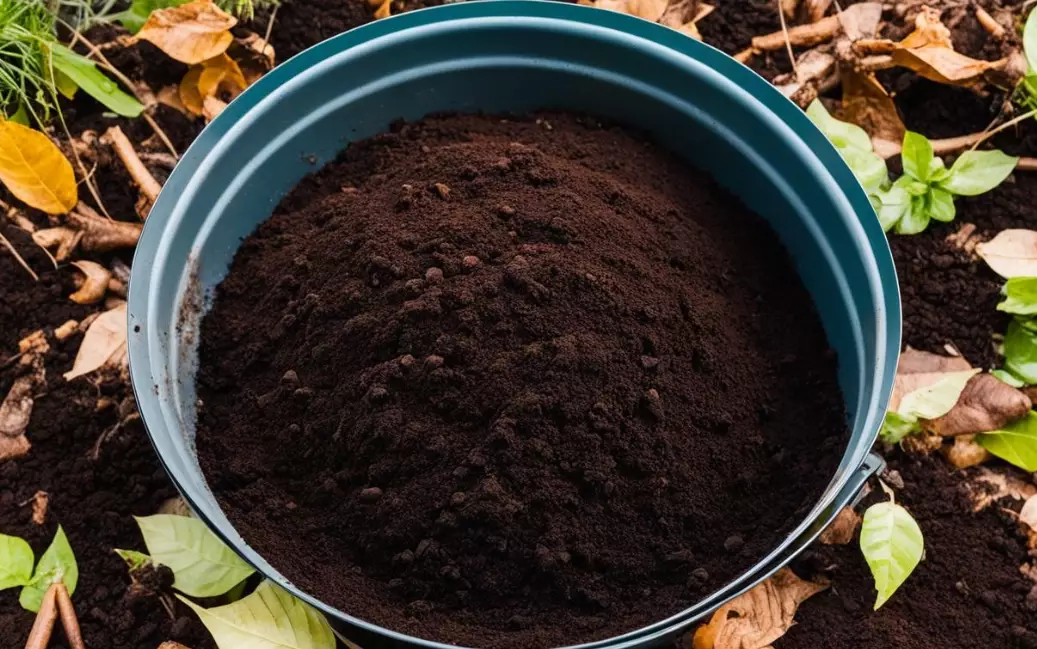
How to Compost Coffee Grounds Correctly: 3 Proven Methods
You have options depending on your space, time, and gardening style.
Method 1: The Classic Compost Pile/Bin (Best for Volume)
This is my go-to for processing large amounts of grounds from a local café. The key is layering. For every bucket of moist coffee grounds (a "green"), add at least two buckets of dry brown material. I use shredded fall leaves or non-glossy cardboard.
Turn the pile every week or two to introduce oxygen. The grounds heat up nicely and break down relatively fast. In 3 to 6 months, you'll have finished compost.
Method 2: Vermicomposting (Worm Bin)
If you have a worm bin, coffee grounds are a superstar feed. But moderation is key. Add a cup or two of grounds per week for a standard bin. Sprinkle them over the top and cover with a layer of moist bedding (shredded newspaper). The worms will process them efficiently. Avoid overloading the bin, as it can heat up.
Method 3: Direct Soil Incorporation (The Lazy Gardener's Shortcut)
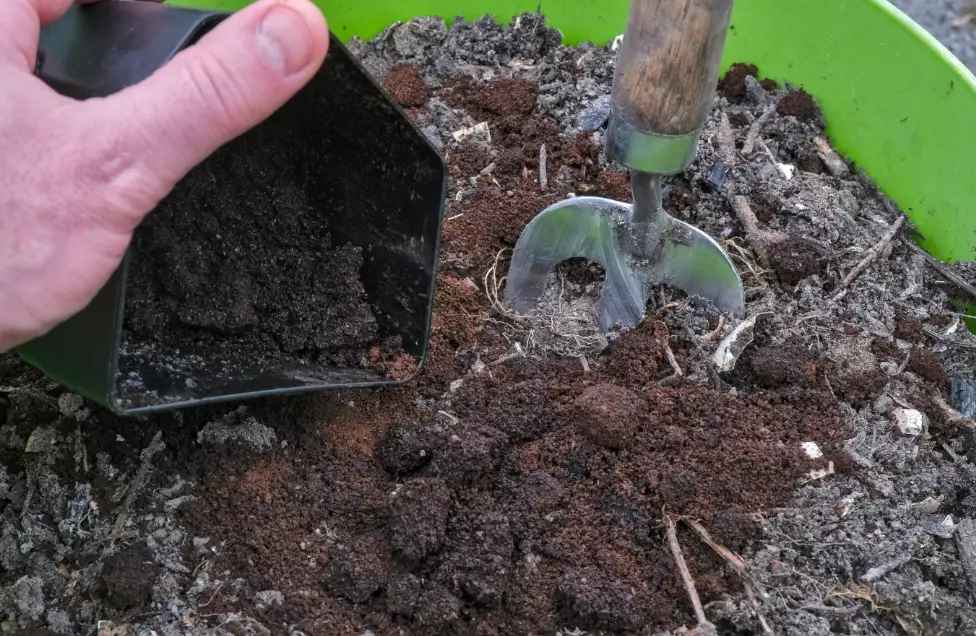
You can add small amounts directly to the garden, but you must do it properly. When preparing a new planting bed, I'll take a handful of grounds and thoroughly mix them into the soil at the bottom of the hole before planting. The key words are small amount and thoroughly mixed. Never more than a thin sprinkling per square foot, and always worked in.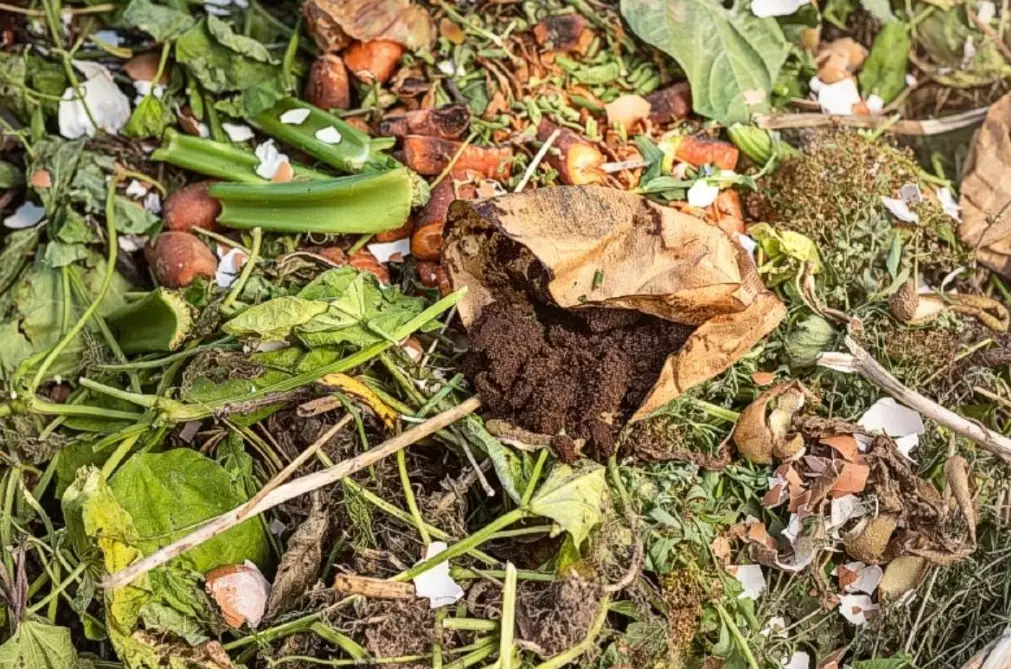
Here’s a quick comparison to help you choose:
| Method | Best For | Time to Usable Compost | Effort Level | My Personal Preference |
|---|---|---|---|---|
| Classic Compost Pile | Handling large volumes, general garden waste | 3-6 months | Medium (requires turning) | My default for bulk café grounds. |
| Vermicomposting | Apartment dwellers, producing ultra-rich castings | 1-2 months for castings | Low-Medium | Fantastic for small-scale, high-quality output. |
| Direct Soil Mixing | Quick soil amendment at planting time | N/A (decomposes in situ) | Very Low | Useful in a pinch, but I prefer composted. |
What Plants Thrive on Coffee Ground Compost?
Almost all plants benefit from the improved soil, but some are known to be particularly fond of it.
Acid-Loving Plants: While the grounds themselves are neutral, the composting process can produce a mildly acidic or neutral end product. Plants like blueberries, azaleas, rhododendrons, and camellias respond very well to coffee ground compost mixed into their planting area. It's a great alternative to peat moss, which has sustainability concerns.
Heavy Feeders: Vegetables that demand lots of nutrients, like tomatoes, corn, and squash, love the slow-release nutrients and moisture retention of this compost. I always add a shovelful to my tomato holes.
Root Crops: Carrots and radishes develop better in the loosened, well-structured soil that coffee ground compost helps create.
Roses are another classic beneficiary. The nitrogen supports lush cane and leaf growth.
How to Get Coffee Grounds in Bulk (For Free)
Your home kitchen produces a trickle. For serious composting, you need a river. Here's how to get it.
Most independent coffee shops are thrilled to give away their used grounds. They save on waste disposal costs. Just call ahead or ask politely. Many Starbucks locations have a "Grounds for Your Garden" program with pre-bagged grounds ready for pickup.
Office buildings with coffee machines are another goldmine. Ask the facilities manager.
When you get a large batch, store them in a sealed bucket or bin until you're ready to compost. They can grow mold on the surface—this is typically a harmless, cellulolytic mold that's already breaking down the fibers, but it's a sign you should use them soon. Don't let them sit for months in a sealed bag; they can become anaerobic and sour.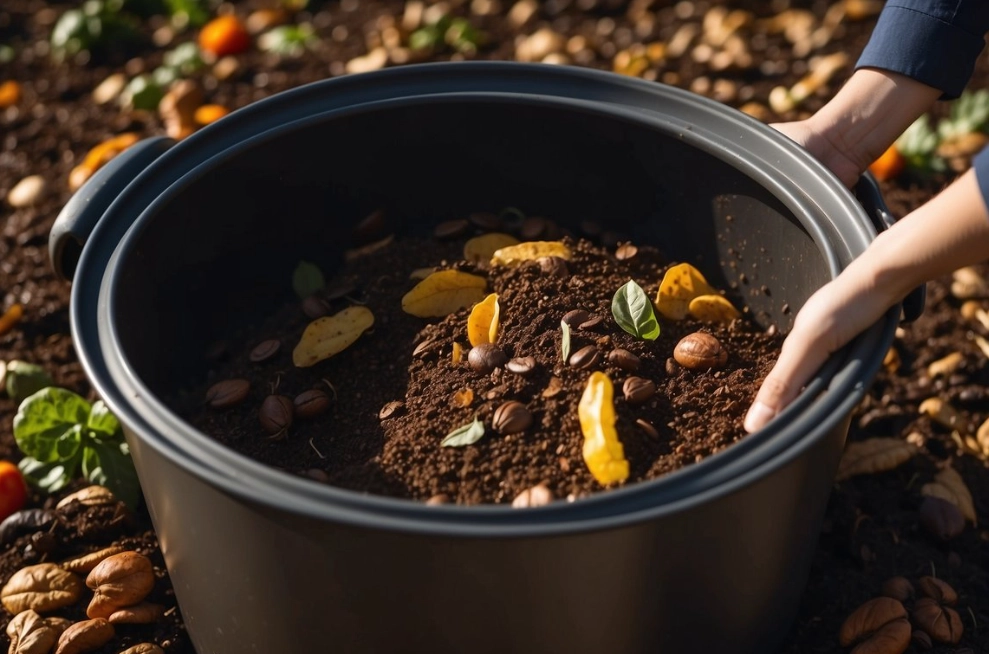
Your Coffee Grounds Compost Questions, Answered
 How do I know if I'm adding too much coffee grounds to my compost?
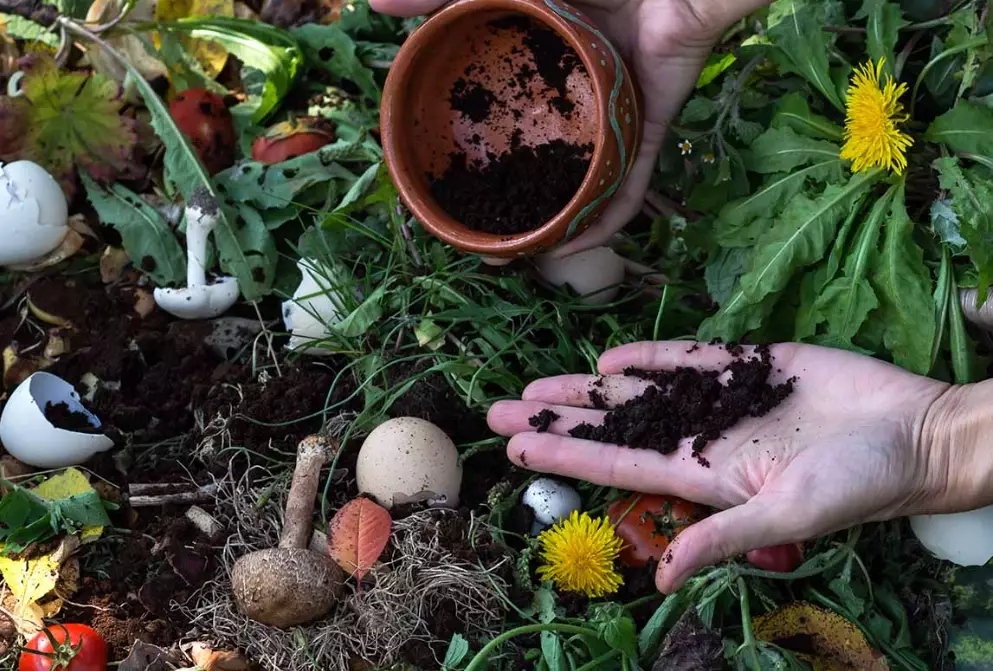 The journey from your coffee maker to your garden is a short, impactful one. It closes a loop, saves waste, and builds soil that's alive and productive. Start small. Save your week's grounds, mix them with some fallen leaves in a corner of the yard, and see what happens. That first handful of dark, crumbly compost you make yourself is more satisfying than any cup of coffee.
Reader Comments