Getting the carrot planting time right is the single biggest factor between a harvest of sweet, crunchy roots and a disappointing crop of forked, woody, or non-existent carrots. It's not just about picking a date on the calendar. I've been growing carrots for over a decade in my own backyard and community garden plots, and I've seen more failures from mistimed planting than from pests or disease. This guide will cut through the vague advice and give you the specific, actionable information you need to nail the timing in your specific location.
What You'll Learn in This Guide
Why Carrot Planting Time is So Critical
Carrots are cool-season crops, but they have very specific preferences. Their germination and early growth are incredibly sensitive to soil temperature. Sow them in soil that's too cold, and the seeds will just sit there, often rotting before they ever sprout. Sow them in soil that's too warm, and germination can be patchy and stressed.
The goal is to time your planting so the carrots mature during cool weather. Heat makes carrots taste bitter and forces them to prioritize growing foliage over developing that sweet, tender taproot we all want. I made this mistake my first year – planted in late spring, harvested in midsummer heat. The carrots were small, tough, and tasted like dirt. Not great.
The Golden Rule: Aim to have your carrots finishing their main growth period in the cool temperatures of late spring or early fall. This is the secret to sweetness.
How to Determine Your Exact Carrot Planting Date
Forget just using the "last frost date." That's a starting point for tomatoes, not carrots. You need to think about two things: soil temperature and your climate's temperature pattern.
The Soil Thermometer is Your Best Friend
This is the most underused tool in a gardener's shed. Carrot seeds germinate best in soil between 45°F and 85°F (7°C and 29°C). The sweet spot is 55-75°F (13-24°C).
Go buy an inexpensive soil thermometer. In early spring, stick it 2-3 inches deep in your garden bed in the morning. When it consistently reads above 45°F, you're in the game. I wait for 50°F to be safe. This often happens weeks before your last frost date.
Understanding Your Planting Windows
Most regions have two main planting windows:
- Spring Planting: Sow 2-4 weeks before your average last spring frost date. Yes, before. The seeds can handle a light frost once they're in the ground. This gets them growing in cool soil and maturing before summer heat hits.
- Fall Planting: This is often the best for flavor. Count backwards from your average first fall frost date. Sow seeds 10-12 weeks before that date. For a continuous harvest, you can do successive sowings every 2-3 weeks until about 8-10 weeks before that first frost.
A common mistake is waiting until "all danger of frost has passed." By that time, the soil is often warming up too much for ideal carrot germination and the window for a spring harvest before the heat is closing fast. Be brave and plant earlier.
Carrot Planting Schedule by USDA Hardiness Zone
Here’s a practical translation of the principles above into a calendar you can use. These are approximate ranges. Always let your soil thermometer have the final say. (Reference: USDA Plant Hardiness Zone Map).
| USDA Zone | Spring Planting Window | Fall Planting Window | Key Consideration |
|---|---|---|---|
| Zones 3-4 | Late April - Late May | Early July - Early August | Short season. Focus on early-maturing varieties like 'Nantes' for spring. Fall planting is risky but possible with quick varieties and row cover. |
| Zones 5-6 | Mid-March - Mid-May | Late July - Late August | Excellent for two crops. Spring planting can start very early. Fall carrots are exceptionally sweet after a light frost. |
| Zones 7-8 | February - April | August - September | Mild winters. Can grow carrots almost year-round. Fall/winter is the prime season. Summer heat is the main enemy. |
| Zones 9-10 | Fall through Winter | October - February | Plant in fall for a winter harvest. Spring planting is difficult due to rapid onset of heat. 'Kuroda' types handle heat better. |
What Happens if You Plant Carrots Too Early or Too Late?
Let's get real about the consequences. It's not just about "they might not grow."
Planting Too Early (Soil The seeds absorb water but are too cold to initiate germination. They sit in damp, cold soil. This is a perfect recipe for rot and fungal diseases. You'll check the row in three weeks and find nothing but a slimy patch. I've wasted more seed packets this way than I care to admit.
Planting Too Late in Spring: The seeds may germinate okay, but the seedlings immediately face warmer days. They bolt (send up a flower stalk) prematurely, rendering the root inedible. Or, they rush through their growth during increasing heat, resulting in small, bitter, fibrous roots with poor color.
Planting Too Late in Fall: The roots don't have enough time to size up before growth halts in the cold. You end up with a bed of delicious but pencil-thin carrots. Not a total loss, but not what you hoped for.
Your Step-by-Step Action Plan for Planting Day
You've checked the soil temp. You've picked your date. Now what? Here's the exact process I follow.
- Prep the Bed Deeply: Carrots need loose, stone-free soil 12 inches deep. Double-dig if you have heavy clay. Mix in compost, but avoid fresh manure or high-nitrogen fertilizer – it causes forking. Rake the surface until it's fine and crumbly, like sifted cake flour.
- Make Your Rows: Use a stick or the corner of a hoe to draw shallow furrows, about 1/4 to 1/2 inch deep. Space rows 12-16 inches apart.
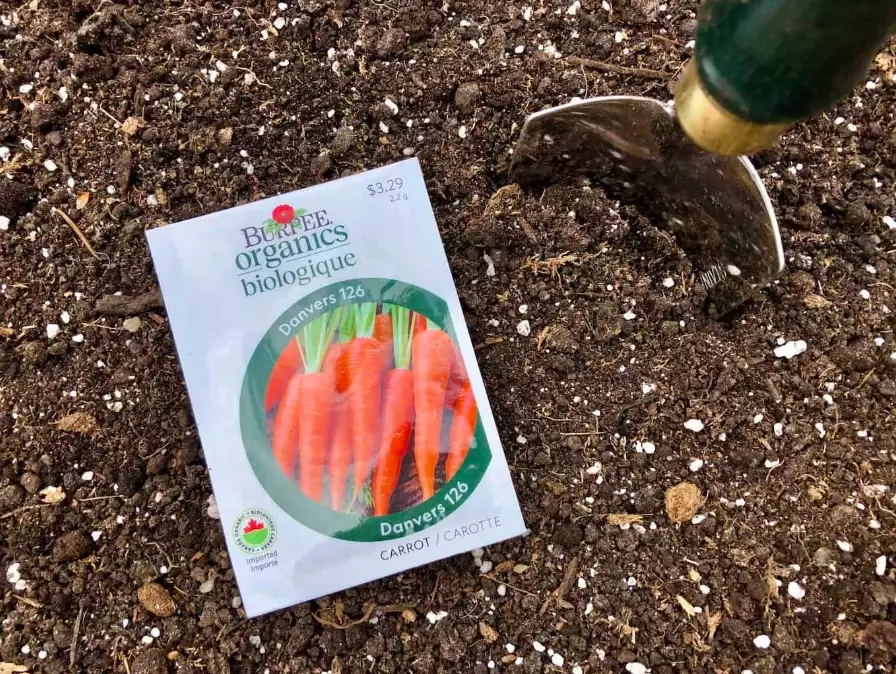
- The Seed Sowing Trick: Carrot seeds are tiny. To avoid overcrowding, mix seeds with dry sand or use a seed tape. Sow sparingly. The old "thin later" advice is a chore. Try to get it right now.
- Cover and Water Gently: Lightly cover the seeds with fine soil, vermiculite, or screened compost. Water using a gentle shower setting on your hose nozzle or a watering can with a rose. You must keep the top inch of soil consistently moist until germination. This is non-negotiable. A dry spell after sowing kills the process.
- Mark and Wait: Label your row. Carrots can take 10-21 days to sprout. Be patient. Consider laying a board or burlap over the row to retain moisture; check daily and remove it as soon as you see the first green.
How to Extend Your Carrot Planting Season
Want carrots earlier in spring or later into winter? A few simple tools help you cheat the calendar.
For Early Spring Planting: Use a cold frame or floating row cover (like Reemay). Place it over the prepared bed 1-2 weeks before you want to plant to warm the soil. Sow your seeds, then keep the cover on. It raises the temperature by 5-10°F, protects from hard frosts, and keeps the soil moist. I've harvested my first carrots 3 weeks earlier than my neighbors using this method.
For Late Fall/Winter Harvest: Carrots are semi-hardy. A heavy mulch of straw or shredded leaves (12+ inches) piled over the row after the first hard frost will insulate the ground, preventing it from freezing solid. You can then pull carrots all winter long in many zones. They store best right in the ground! In my zone 6 garden, I'm often digging sweet carrots from under the snow in January.
Your Carrot Planting Questions, Answered
My carrot seeds never sprout. What am I doing wrong?
The number one cause is letting the seedbed dry out during the long germination period. Carrot seeds need constant, light moisture at the soil surface. Water lightly every day if it doesn't rain. The second cause is planting too deep. They need light to germinate. A 1/4 inch covering is plenty. Finally, old seeds lose viability fast. Use fresh seed each year.
Can I just plant carrots in early summer for a fall harvest?
You can, but it's tricky. Mid-summer soil is often too hot and dry for good germination. You'll need to work extra hard to keep the soil cool and moist. Try sowing in partial shade or using a shade cloth over the seeded row. Water deeply in the morning. It's more reliable to wait until late summer when temperatures begin to trend downward.
 How do I know if my soil is warm enough without a thermometer?
The old farmer's test: sit bare-bottomed on the soil. If it's comfortable for you, it's likely above 50°F. A less personal method: watch for weed seeds to start germinating in your garden bed. If weeds are sprouting, the soil is likely warm enough for carrots. But really, just get the thermometer. It's $10 and removes all guesswork.
I live in a hot climate (Zone 9+). Is there any hope for spring carrots?
It's an uphill battle. Your best bet is to plant the absolute earliest-maturing variety you can find as soon as your soil is workable in late winter. Look for varieties described as "heat-tolerant" or "bolt-resistant," such as 'Kuroda' or 'Mokum.' Use shade cloth as soon as temperatures rise. Honestly, in very hot climates, most experienced gardeners focus entirely on the fall-to-winter growing season for carrots and save spring for heat-lovers like beans and squash.
What's the latest I can plant carrots for a fall harvest?
Count back the "Days to Maturity" on your seed packet from your average first frost date, then add 2 weeks. That's your absolute drop-dead date. The added weeks account for slower growth as days shorten and cool. For example, if a carrot matures in 65 days and your frost is Oct 20, plant by August 1st at the latest. For smaller, "baby" carrots, you can push it a bit later.
 Nailing the carrot planting time isn't about memorizing one magic date. It's about understanding your soil's temperature and your local climate's rhythm. Use the soil thermometer, respect the cool-season nature of the crop, and don't be afraid to plant early in spring or target the fall. With this timing mastered, you're 90% of the way to a harvest of sweet, homegrown carrots that will make store-bought ones taste like pale imitations. Now go get your seeds.
Reader Comments