Let's be honest. You've probably tried a few things to keep deer out of your garden. Maybe you bought some shiny pinwheels, hung up bars of Irish Spring soap, or sprayed something that promised miracles. And for a week, it worked. Then the deer came back, looked at your efforts, and proceeded to eat your hostas down to nubs.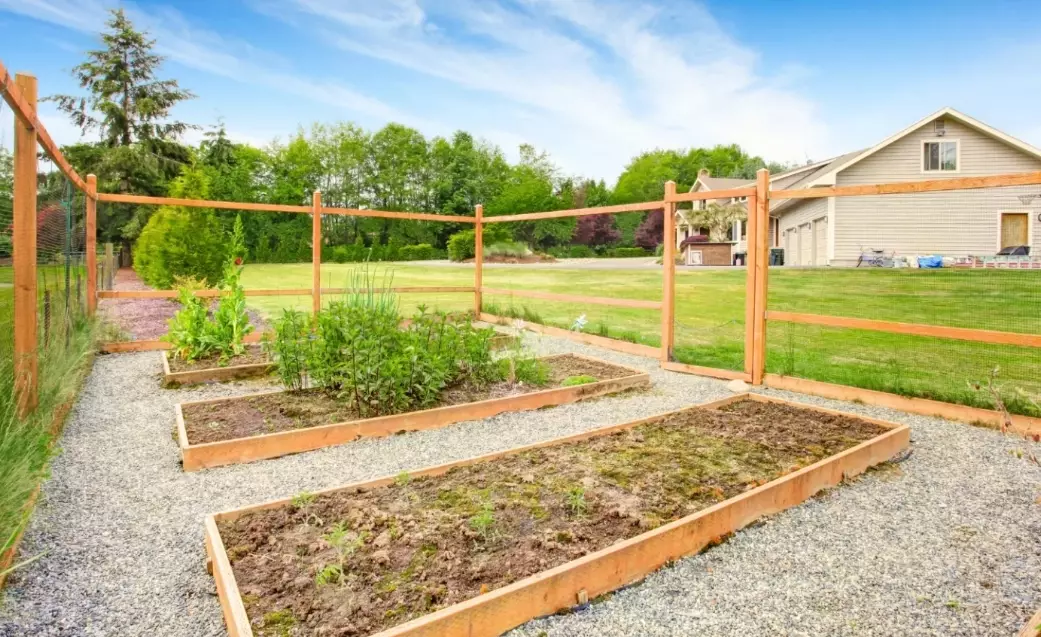
I've been there. I watched a family of deer systematically destroy a bed of tulips I'd spent a weekend planting. That moment of frustration led me down a rabbit hole of research, trial, and a lot of error. Over a decade of gardening in deer country has taught me one thing: there's no single magic bullet. Deer proof gardening is a layered defense system. It's about understanding the animal, your landscape, and using a combination of strategies that actually hold up.
This isn't about scare tactics that fail after three days. We're going to talk about what works long-term, based on science, observation, and the hard-won experience of gardeners who've won the battle.
What's Inside: Your Garden Defense Plan
- Understanding the Deer You're Dealing With
- Strategy One: Outsmart Them With Your Plant Choices
- Strategy Two: The Physical Barrier - Fencing That Works
- Strategy Three: Repellents - When and How They Can Help
- Strategy Four: Design a Deer-Resistant Garden Layout
- Strategy Five: The Critical Role of Ongoing Maintenance
- Your Deer Proof Gardening Questions Answered
Understanding the Deer You're Dealing With
Before you buy a single plant or post, you need to think like a deer. They're not malicious; they're hungry, curious, and incredibly adaptable. A deer's primary motivation is efficient calorie intake with minimal risk. Your lush, watered, fertilized garden is a salad bar that's easier to browse than the tough native foliage in the woods.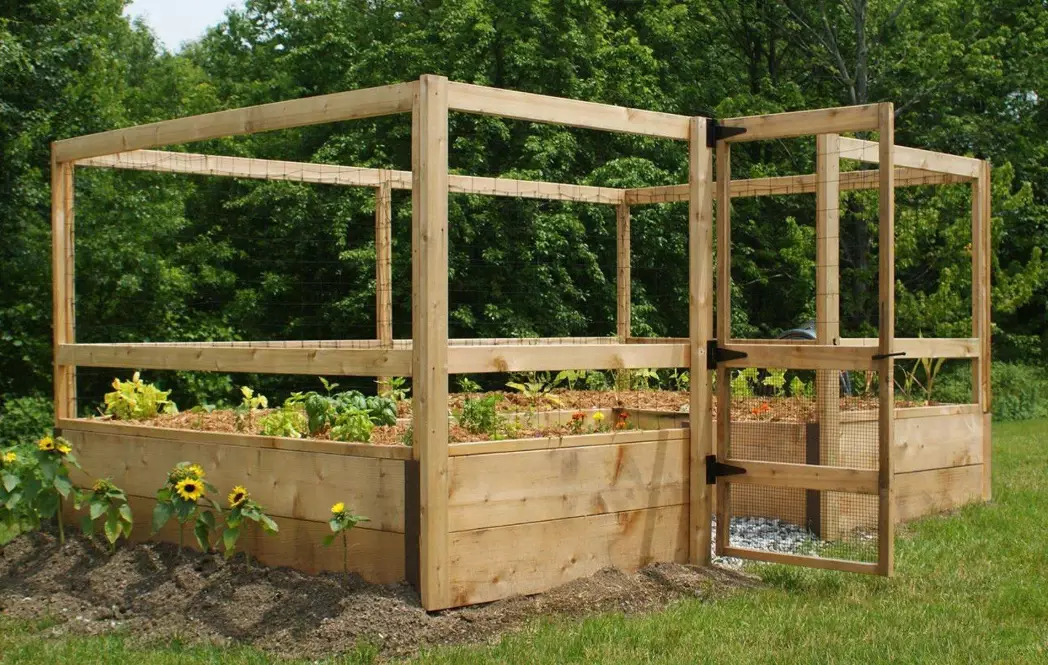
Pressure varies. A suburban garden with occasional visitors needs a different approach than a rural property on a deer trail. Watch for patterns. Are they coming at dawn or dusk? What are they eating first? This intel is gold.
Strategy One: Outsmart Them With Your Plant Choices
This is your first and most elegant line of defense. The goal isn't to find plants deer never eat—a starving deer will eat anything—but to fill your garden with things they strongly dislike. Focus on plants with certain characteristics: strong scents (herbs like lavender, rosemary, sage), fuzzy or prickly leaves (lamb's ear, Russian sage), toxic sap (daffodils, foxgloves), or leathery texture (hellebores, peonies).
Deer-Resistant Plant Champions (That Are Also Beautiful)
Forget boring lists. Here are plants that have survived the deer in my zone 6b garden for years, with notes on why they work.
| Plant Name | Type | Why Deer Avoid It | Pro Gardener Tip |
|---|---|---|---|
| Daffodils (Narcissus) | Spring Bulb | Toxic alkaloids (lycorine) make them unpalatable and can cause vomiting. | Plant in generous drifts around the perimeter of tender beds. Deer learn to avoid the area. |
| Russian Sage (Perovskia) | Perennial Shrub | Intensely aromatic foliage and fuzzy, silvery stems. | Loves sun and poor soil. The scent is strongest when brushed against, making it a great path edger. |
| Boxwood (Buxus) | Evergreen Shrub | Leaves contain alkaloids and have a bitter taste and strong smell when crushed. | Excellent for creating structure. Beware of boxwood blight; choose resistant varieties like 'Green Velvet'. |
| Lamb's Ear (Stachys) | Perennial Groundcover | Extremely fuzzy, almost woolly leaves are texture nightmares for deer. | Can spread aggressively. Great for dry, sunny spots where other plants struggle. |
| Japanese Pieris | Evergreen Shrub | Contains grayanotoxins, which are poisonous to many animals, including deer. | Provides year-round structure and stunning spring blooms. Prefers acidic, well-drained soil. |
A common mistake? Relying solely on online "deer resistant" lists from other regions. Deer tastes are local. The University of Vermont Extension and the Rutgers New Jersey Agricultural Experiment Station have excellent region-specific lists based on actual browsing pressure studies. Check resources like these for your area.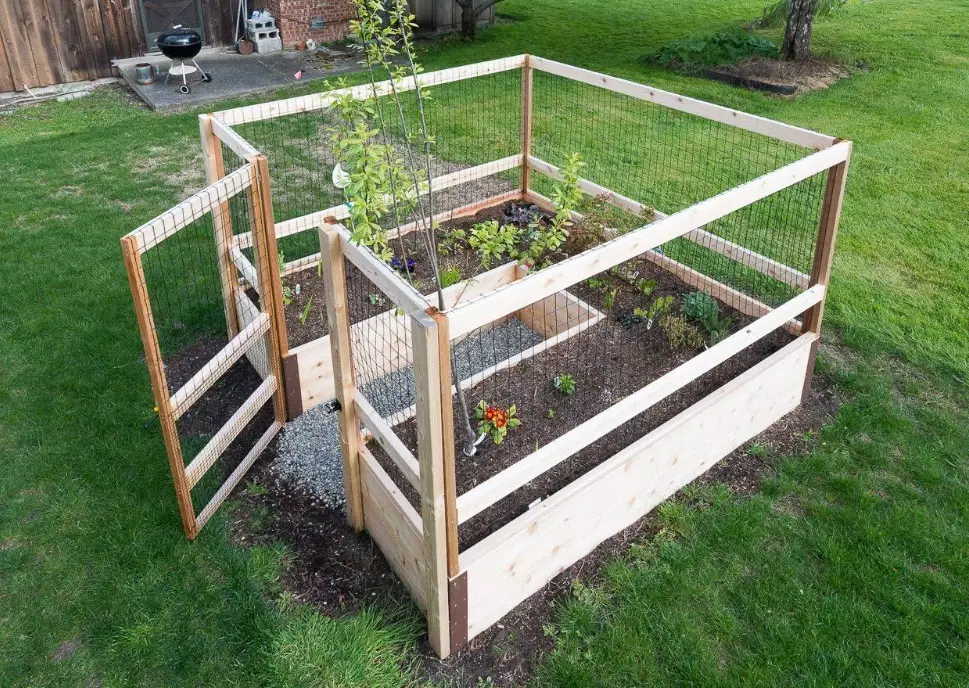
Strategy Two: The Physical Barrier - Fencing That Works
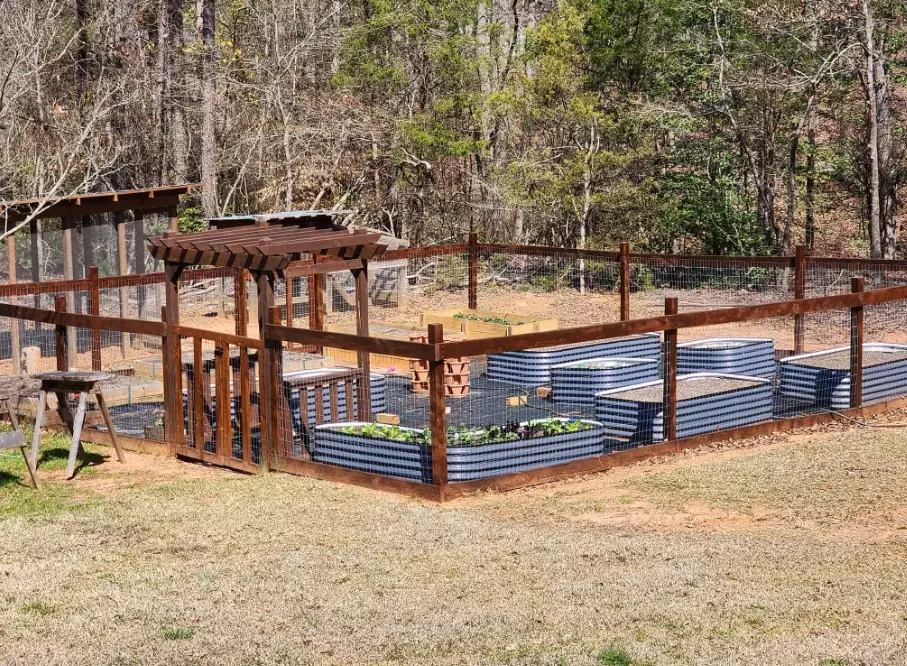
When plant selection isn't enough—like when you absolutely must have a vegetable garden or prize roses—fencing is your most reliable solution. But not all fencing is created equal.
The standard 6-foot privacy fence? A deer can clear it from a standstill. You need to think vertically and psychologically. Deer are reluctant to jump into a confined space where they can't see a clear landing spot.
Fencing Options Compared
Here’s a breakdown of effective fencing types, from minimal to maximum protection.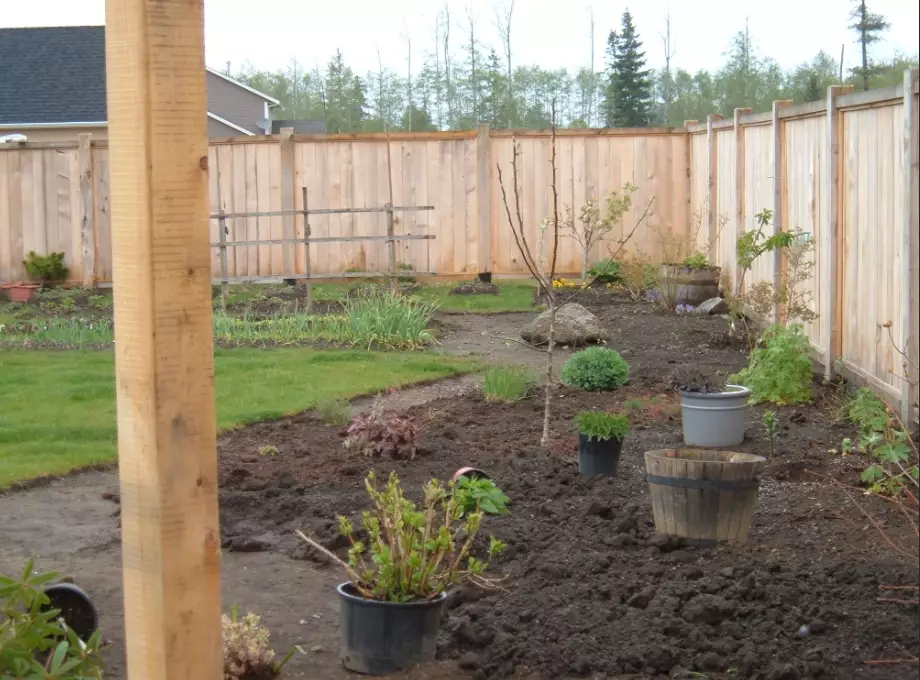
- The 8-Foot Tall Fence: The gold standard. Simple, effective, and often allowed by local codes if it's for a garden (check yours). It can be wood, metal, or plastic mesh. Costly and visually obtrusive, but it works.
- The Slanted or Double-Layer Fence: A clever psychological trick. Instead of one 8-foot fence, use two 4-foot fences spaced 4-5 feet apart. Deer won't jump because they can't jump high and far simultaneously. Or, build a fence that slants outward at a 45-degree angle. This disrupts their depth perception.
- Polymer Mesh Electric Fence: My personal favorite for vegetable gardens. It's lightweight, nearly invisible from a distance, and relatively inexpensive. The mild shock teaches deer to avoid the area quickly. You need to maintain the vegetation under it and keep the charger running.
I installed a single strand of electric polytape around my veggie patch five years ago. After the initial curious sniff (and one quick zap), they've never attempted to cross it. It's the most cost-effective physical barrier I've used.
Strategy Three: Repellents - When and How They Can Help
Repellents are a tool, not a solution. They're perfect for protecting specific, high-value plants or for times of extreme pressure (like fall, when deer are bulking up). They work by taste (bittering agents) or smell (putrescent egg solids, garlic, predator urine).
The biggest error gardeners make is applying repellents once and expecting season-long protection. Rain washes them off. You must reapply diligently, especially after heavy rain or every 2-4 weeks. Rotate between two different types (smell vs. taste) to prevent deer from acclimating.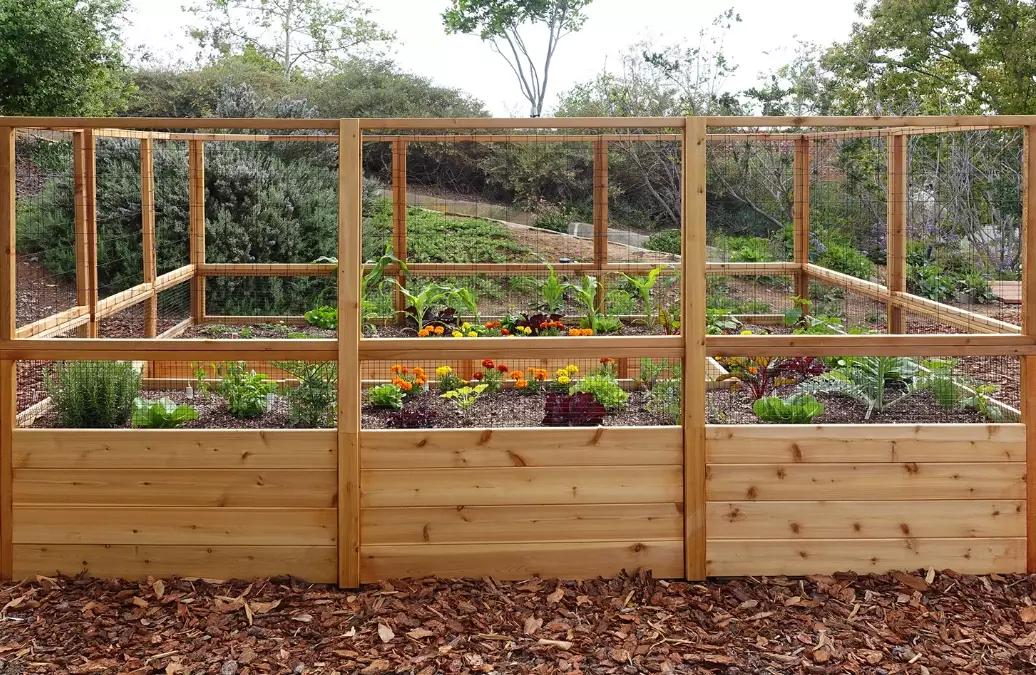
A Homemade Repellent That Actually Works
Skip the expensive, perfumed commercial sprays. Mix up a batch of this:
Strategy Four: Design a Deer-Resistant Garden Layout
Where you place plants matters. Use the concept of "sacrificial zoning." Plant your most deer-resistant species on the outer edges of your property or garden beds. Create a buffer. Place your more tempting plants (hostas, daylilies, roses) closer to your house, patios, or other high-human-traffic areas. Deer are wary of venturing into open spaces close to buildings.
Another trick: interplanting. Don't plant a whole row of lettuce. Mix lettuce plants among strongly-scented herbs like dill, cilantro, or oregano. The confusing smells can mask the desirable one.
Strategy Five: The Critical Role of Ongoing Maintenance
This is the strategy most articles ignore. Your defense degrades over time. A fence post rots. An electric fence charger battery dies. Repellent bottles sit empty. Deer are constant opportunists.
Set a monthly garden check that includes your deer defenses. Tighten fencing wires, check for gaps at the bottom (fawns can crawl under), refresh repellents before a forecasted rainy period, and trim back vegetation that might give deer a launching pad near your fence.
Consistency is what separates a garden that gets nibbled from a garden that survives.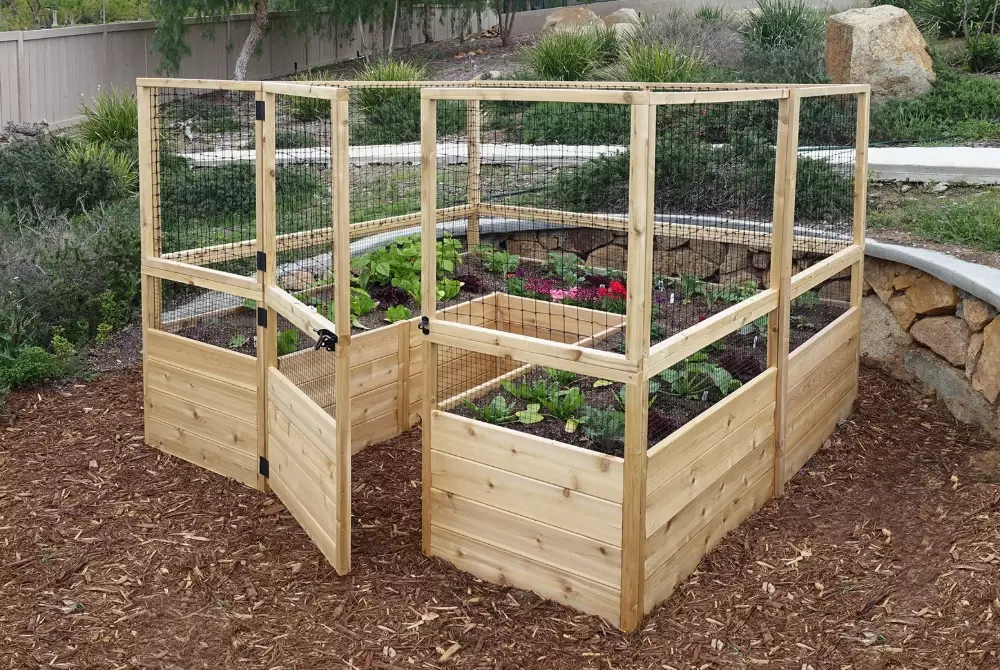
Your Deer Proof Gardening Questions Answered
 Are ultrasonic deer repellents worth the money?
Reader Comments