Let's be honest about cultivating asparagus. It's not for the impatient. You plant it, you wait, you resist the urge to harvest everything in sight for a couple of years. It asks for a real commitment. But then, if you do it right, it pays you back for decades. A well-tended asparagus bed is like a trust fund in your backyard, yielding tender, sweet spears every spring with minimal fuss. This isn't about quick wins; it's about setting up a legacy crop. I've made the mistakes so you don't have to—like the year I got greedy and over-harvested, setting my plants back. Here's everything I've learned about growing asparagus the right way.
What You'll Learn in This Guide
Why Asparagus is a Perennial Gardening Powerhouse
You plant it once. That's the biggest sell. After the initial establishment, an asparagus patch requires less annual work than tomatoes or zucchini. It's deeply rooted, drought-tolerant once mature, and comes up reliably before most other garden chores begin. The flavor of home-grown asparagus, snapped off and eaten within hours, is incomparable to store-bought. It's sweeter, more tender, and has a complexity that fades with time. Economically, it's a no-brainer. A bundle of organic asparagus at the market can cost a pretty penny. A single crown, costing a few dollars, can produce half a pound of spears annually for 15 years or more. You're investing in future meals.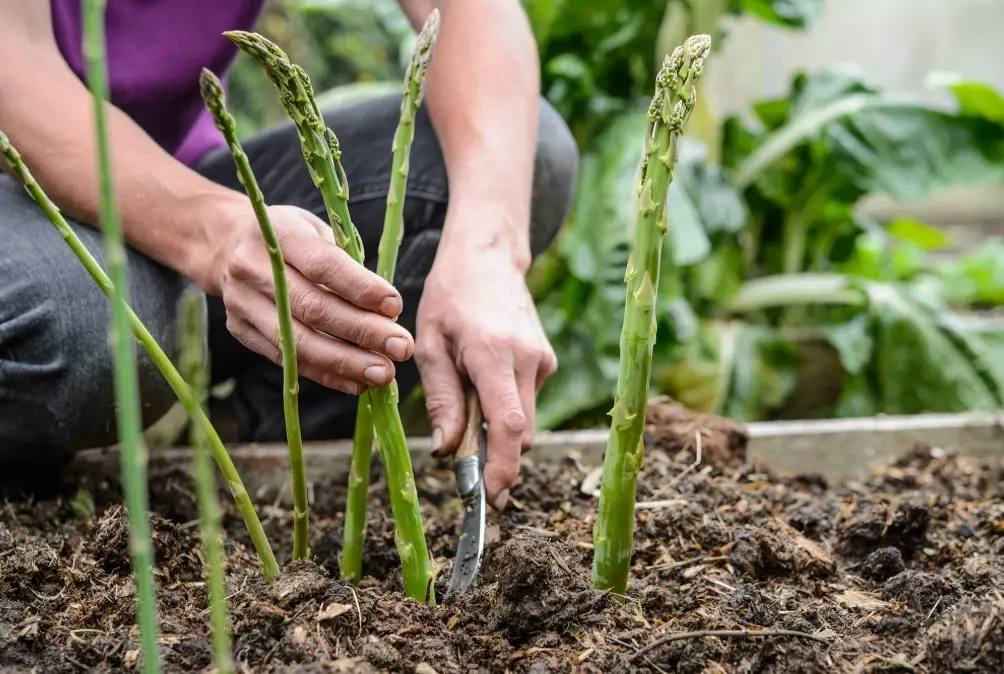
Think long-term: When choosing a spot for your asparagus bed, imagine your garden in 5 or 10 years. Avoid areas where you might later want to install a patio, shed, or in-ground pool. This is a permanent resident.
Getting Started Right: Crowns, Seeds, and Varieties
You have two paths: seeds or crowns. I strongly, strongly recommend starting with 1-year-old male hybrid crowns. Here's why.
Seeds add an extra 2-3 years to your wait for a harvest. Germination can be tricky, and seedling vigor varies. It's a project for the ultra-patient purist.
Crowns are the dormant root systems of 1-year-old plants. They give you a massive head start. Among crowns, seek out all-male hybrid varieties like 'Jersey Knight', 'Jersey Giant', or 'Guelph Millennium'. These are the workhorses. Older, standard varieties like 'Mary Washington' produce both male and female plants. The females waste energy producing seeds (those little red berries), which results in fewer and smaller spears for you, and can lead to unwanted seedlings littering your bed. The male hybrids put all their energy into spear production. The difference in yield is noticeable.
The Non-Negotiable: Site and Soil Preparation
This is where most first-timers fail. Asparagus is a heavy feeder with deep roots. Skimping here guarantees disappointment.
Sun: Full sun. At least 8 hours. More is better.
Soil: Deep, well-draining, fertile soil is non-negotiable. They hate wet feet. If you have heavy clay, you must amend it deeply or consider a raised bed. The ideal pH is slightly alkaline to neutral, between 6.5 and 7.5. A simple soil test from your local cooperative extension office (like those from University of Minnesota Extension or Cornell Cooperative Extension) is the best $15 you'll spend. It tells you exactly what you need to add.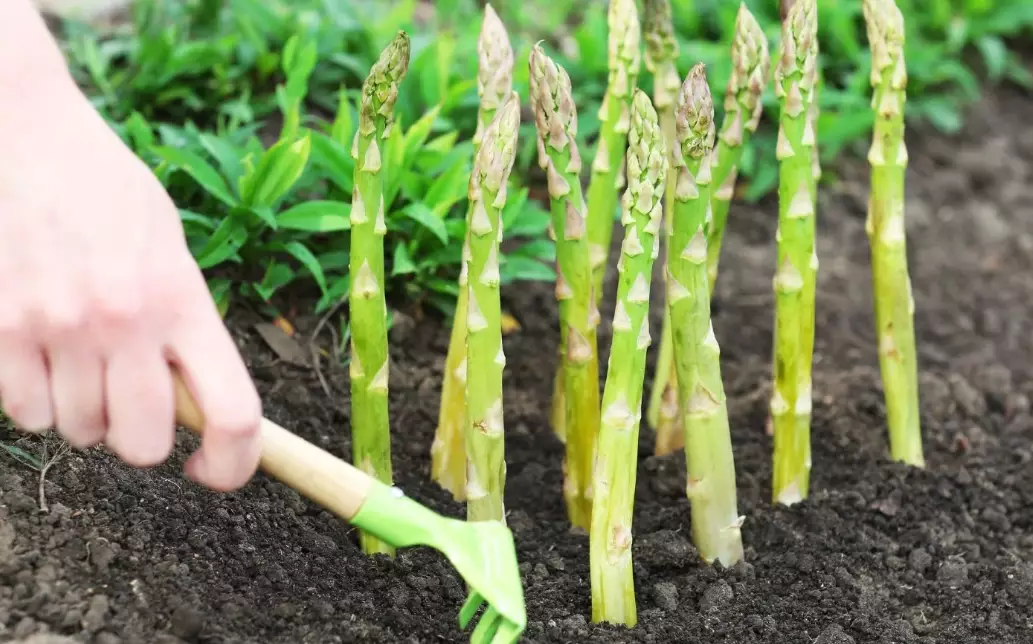
Preparation (Do This in Fall or Early Spring):
- Dig deep: Don't just scratch the surface. You need to loosen the soil to a depth of at least 12-15 inches.
- Amend heavily: Mix in a huge amount of organic matter. We're talking 3-4 inches of well-rotted compost or manure worked into the top 12 inches. I also add a balanced, slow-release organic fertilizer at this stage, following soil test recommendations. Bone meal is a great addition for phosphorus, which promotes strong root growth.
- Clear weeds relentlessly: Perennial weeds like quackgrass are the nemesis of an asparagus bed. Eliminate them completely before planting. This may take a season of smothering with cardboard or careful herbicide use in the designated area.
The Step-by-Step Planting Process
Plant in early spring, as soon as the soil is workable. Here's the trench method, which is the gold standard.
- Dig the trench: Dig a trench 12 inches wide and 8-10 inches deep. The length depends on how many crowns you have. Space trenches 3-4 feet apart if planting multiple rows.
- Create a mound: In the bottom of the trench, make a small, 4-inch-high ridge of soil mixed with compost down the center. This is your "crown throne."
- Place the crowns: Drape the roots of the crown over the ridge, like an octopus sitting on a hill. Space crowns 18 inches apart in the trench. It feels too far apart. It's not. They need this space to mature.
- Cover initially: Cover the crowns with just 2-3 inches of the excavated soil. Water well.
- The gradual fill: This is the clever part. As the spears grow through the initial covering, gradually add more soil to the trench, an inch or two at a time, every couple of weeks. By the end of summer, you'll have filled the trench completely. This ensures the developing root system (the crown) ends up at the ideal depth—about 6 inches below the surface.
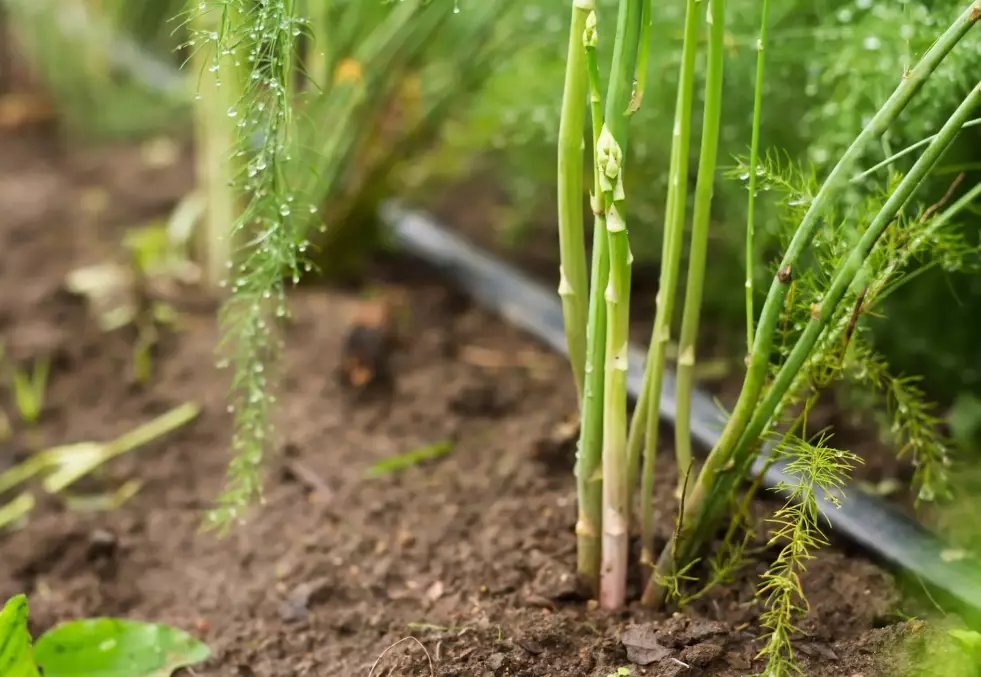
A common subtle mistake: Planting crowns too shallow or too deep. Too shallow, and they're vulnerable and produce spindly spears. Too deep (burying them 10 inches down all at once), and they struggle to emerge and expend too much energy, weakening the plant. The gradual fill solves this perfectly.
The Long-Term Care Schedule: Patience is the Protocol
This is the critical roadmap. Deviating from the harvest schedule is the #1 reason new asparagus beds fail to thrive.
| Year | Spring (Harvest Season) | Summer & Fall (Growing Season) | Late Fall/Winter (Dormancy) |
|---|---|---|---|
| Year 1 (Planting Year) | NO HARVEST. Let every spear grow into a tall fern. | Keep bed weed-free. Water during dry spells. Side-dress with compost in early summer. | After frost kills the ferns, cut them down to 2-inch stubs. Mulch heavily with straw or leaves. |
| Year 2 | You may harvest lightly for 2-3 weeks. Only take spears thicker than a pencil. | Let the rest fern out. Fertilize after harvest ends. Continue watering and weeding. | Cut down dead ferns. Add a top-dressing of compost or well-rotted manure. |
| Year 3+ (Mature Bed) | Harvest for 6-8 weeks. Stop when new spears are consistently thinner than a pencil. | Allow ferns to grow. This is the plant's recharge phase. A midsummer side-dressing of fertilizer is beneficial. | Clean up ferns after they brown. Mulch and amend as needed. |
The summer fern stage is not just aesthetic. Those ferns are solar panels, photosynthesizing and sending energy down to the crown to fuel next year's harvest. Cutting them down early is like unplugging a battery while it's charging.
Feeding and Watering the Established Bed
Asparagus isn't greedy, but it appreciates consistent care. I apply a balanced organic fertilizer (like a 5-5-5) or a generous layer of compost in early spring as spears emerge, and again right after the harvest season ends. Consistent moisture during spear production and fern growth is key, especially in sandy soils. Aim for 1-1.5 inches of water per week. Drip irrigation or soaker hoses are ideal to keep foliage dry and prevent disease.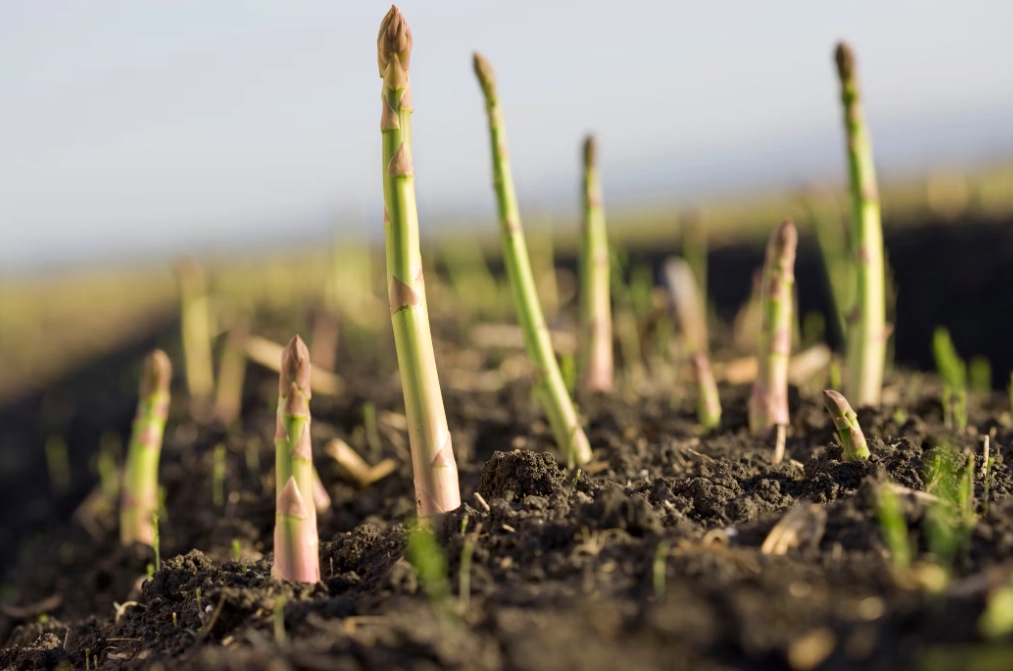
Harvesting, Storing, and Solving Common Problems
Harvesting: Use a sharp knife or an asparagus harvesting tool. Cut the spear about 1-2 inches below the soil surface, at a slight angle. You can also snap it by hand—it breaks naturally at the tender/tough boundary. Harvest every other day during peak season; spears grow incredibly fast when warm.
Storing: For best flavor, eat immediately. To store, treat spears like cut flowers. Stand them upright in an inch of water in the fridge, loosely covered with a bag. They'll keep for nearly a week.
Common Issues:
- Asparagus Beetles: The main pest. Hand-pick the black and red adults and crush the rows of black eggs on the ferns. For severe infestations, neem oil or spinosad are organic options. Keeping the bed clean in fall removes their overwintering spots.
- Rust & Fusarium Wilt: Fungal diseases. Prevention is key: ensure good air circulation, avoid overhead watering, and choose resistant varieties (most modern male hybrids have good resistance). Remove and destroy infected ferns.
- Thin Spears: Usually caused by harvesting too long (past the 8-week window), overcrowding, or insufficient nutrients. Stick to the harvest schedule, ensure proper spacing, and feed your bed.
Your Asparagus Growing Questions Answered
Resist the temptation. Those skinny spears are a sign the plant is still building its energy reserves. Harvesting them now would be like withdrawing from a nearly empty bank account. Let every single spear grow into a full fern this year. The payoff in Year 3 will be dramatically bigger, thicker spears. It's a hard rule, but breaking it is the most common mistake I see.
First, check if the bed has become overcrowded. Over a decade, crowns can multiply and compete. In early spring, before spears emerge, you can carefully dig up the entire bed, divide large, healthy crowns (each division needs several buds), and replant them in freshly amended soil following the trench method. This is a major renovation but can rejuvenate a bed for another 10 years. Also, reassess your fertilization; an older bed may need more frequent feeding.
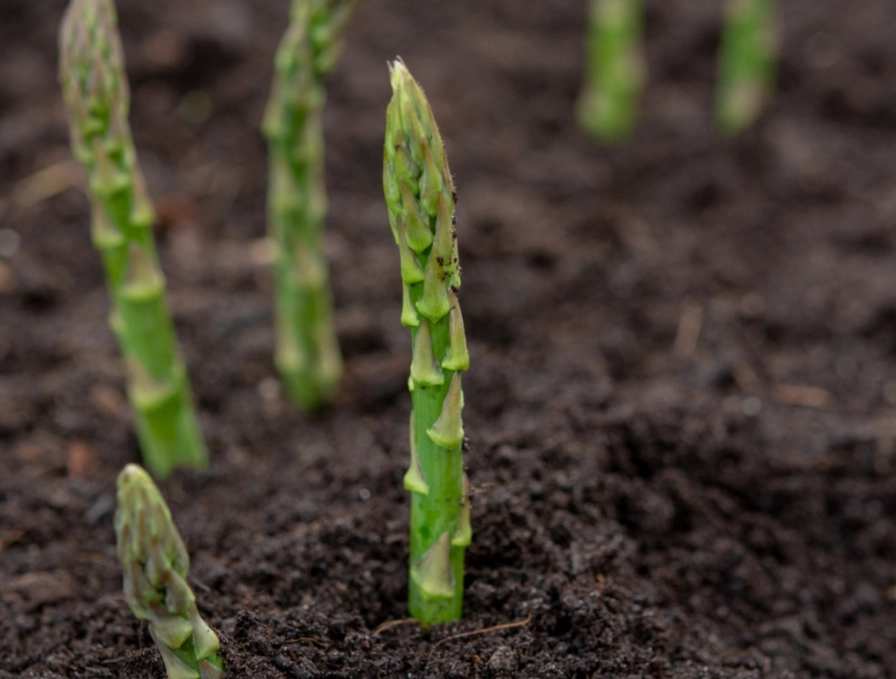 Can I grow asparagus in a raised bed or container?
You can, but it's a compromise. Asparagus roots go deep. A raised bed should be at least 18 inches deep to accommodate them properly. Containers are even more challenging—they need to be very large (like a half-barrel) and will require more frequent watering and feeding. The plant's lifespan and productivity in a container will likely be shorter than in the ground. It's possible for a small-scale trial, but for a serious perennial harvest, in-ground is superior.
Companion planting can help. In the summer, after harvest, the tall asparagus ferns create light shade. I like to plant shade-tolerant herbs like parsley or cilantro around the edges. Avoid planting deep-rooted competitors like potatoes or root vegetables in the same bed. Some gardeners plant tomatoes nearby, believing they repel asparagus beetles, though evidence is anecdotal. The best companion is a thick mulch to suppress weeds.
Cultivating asparagus is a lesson in delayed gratification. You put in the work upfront—the deep digging, the careful planting, the disciplined waiting. Then, for years and years, you're rewarded with the first true taste of spring, right from your garden. It's not just growing a vegetable; it's establishing a piece of living, edible landscape. Start right, be patient, and your future self will thank you every April.
Reader Comments