Let's be honest, the idea of starting asparagus can feel intimidating. You hear it takes years before you can harvest, and everyone talks about the deep trench. It kept me from planting it for a long time. But after helping dozens of friends get started and making every mistake myself in my own garden, I can tell you this: starting asparagus is one of the most rewarding decisions you'll make as a gardener. Forget the intimidation. This isn't about instant gratification; it's about planting a legacy crop that will feed you for two decades with minimal fuss once it's established. This guide cuts through the noise and gives you the straight talk on how to start asparagus successfully, right from day one.
What You'll Learn
Why Bother Growing Asparagus?
Supermarket asparagus has nothing on homegrown. The flavor is sweeter, the spears are more tender, and you can harvest them at the perfect thickness you prefer. But the real win is the economics and ease. You plant it once. With proper care, that same patch will produce for 15, even 20 years. After the initial setup, it's one of the lowest-maintenance crops in your garden. You're not replanting every season. You're managing a perennial food factory.
Think about the cost. A bundle of organic asparagus can set you back several dollars. A single, healthy crown that costs around $3-$5 can produce half a pound of spears annually at maturity. Plant ten crowns, and you're looking at serious savings and abundance.
Choosing Your Asparagus Variety
This is your first major decision, and it's more important than most beginners realize. You're not just picking a plant; you're picking a partner for the next two decades.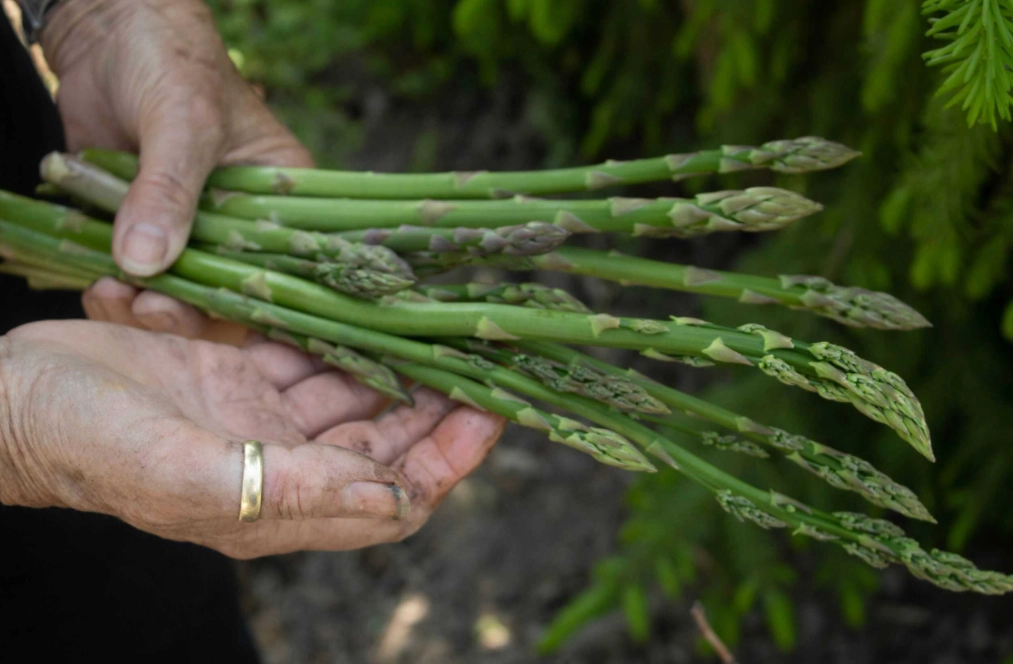
The Big Choice: All-Male Hybrids vs. Traditional Varieties
Here's the insider tip most basic guides gloss over. For the last 30 years, plant breeders have developed all-male hybrid varieties. Why? Because female plants expend energy producing seeds (those little red berries), which reduces spear production and leads to volunteer seedlings that can crowd your bed. Male plants put all their energy into making spears.
| Variety Type | Key Examples | Best For | Considerations |
|---|---|---|---|
| All-Male Hybrids | 'Jersey Knight', 'Jersey Giant', 'Jersey Supreme', 'Guelph Millennium' | Higher yields, less weeding, modern disease resistance. | Slightly higher initial cost. You must buy crowns; they don't come true from saved seed. |
| Traditional/Open-Pollinated | 'Mary Washington', 'Purple Passion' | Gardeners who want to save seed, heirloom flavor. 'Purple Passion' offers unique color and sweetness. | Lower yield per crown due to female plants. Potential for weeding from seedlings. |
My personal recommendation for a first-timer? Go with an all-male hybrid like 'Jersey Knight'. It's incredibly hardy, resistant to common diseases like fusarium and rust, and produces thick, flavorful spears consistently. I started with 'Mary Washington' and spent years battling tiny asparagus seedlings everywhere. Switching to an all-male hybrid was a game-changer for yield and tidiness.
Site Selection and Soil Preparation: The Non-Negotiables
This is where most failures happen. Asparagus is a deep-rooted perennial. If you skimp here, you'll pay for it in weak plants and poor harvests forever. You can't fix this later.
Picking the Perfect Spot
Full sun. Non-negotiable. At least 8 hours of direct sunlight. This isn't a crop for a shady corner. Good drainage is the other critical factor. Roots sitting in soggy soil will rot. If your soil is heavy clay, you must amend it heavily or consider a raised bed.
Think long-term. Avoid areas where you've recently grown other asparagus or related plants (like onions, garlic, leeks) to prevent disease buildup. This is called crop rotation, and for perennials, you plan it 20 years in advance.
Building the Foundation: Soil Work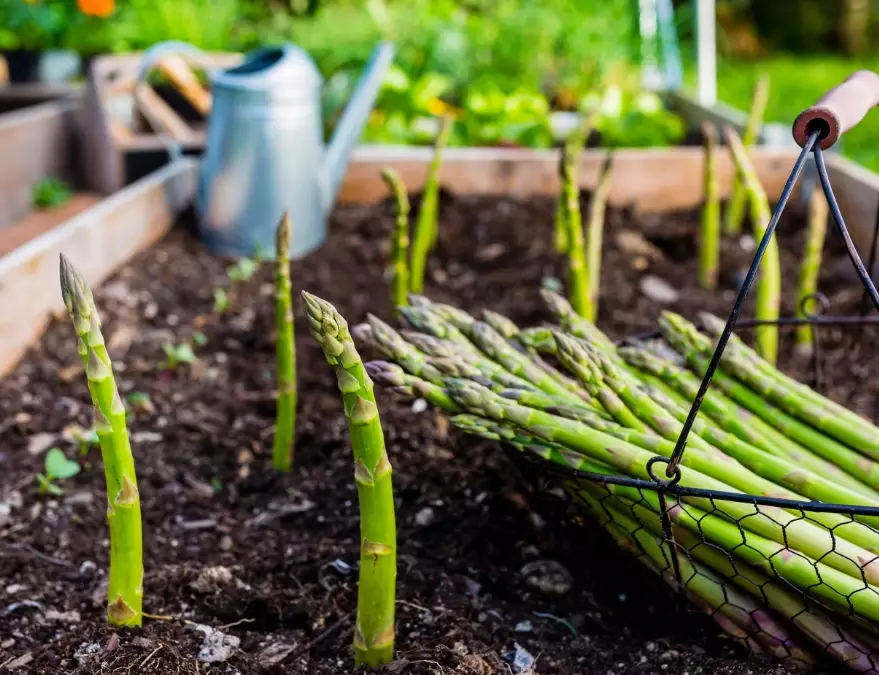
Asparagus thrives in near-neutral to slightly alkaline soil, with a pH between 6.5 and 7.5. Get a soil test. Your local university's cooperative extension service (like the University of Minnesota Extension) offers affordable testing and precise recommendations. It's the best $15 you'll spend.
Here's my soil prep recipe, honed over years:
1. Dig Deep, Not Just Wide. Forget a simple hole. You're preparing a bed. Loosen the soil to a depth of at least 12-15 inches. A broadfork is your best friend here; it aerates without destroying soil structure like a rototiller can.
2. The Amendment Mix. Per 10-foot row, work in a massive amount of organic matter:
- 3-4 inches of well-rotted compost or manure (not fresh!).
- A generous dusting of a balanced, slow-release organic fertilizer (look for something like a 5-5-5).
- If your soil is acidic, add the lime recommended by your soil test to raise the pH.
Mix it all thoroughly into that top 12 inches. You're creating a fluffy, nutrient-rich, well-draining home. This step is boring, hard work, but it's the secret to a phenomenal asparagus patch.
How Do You Plant Asparagus Crowns?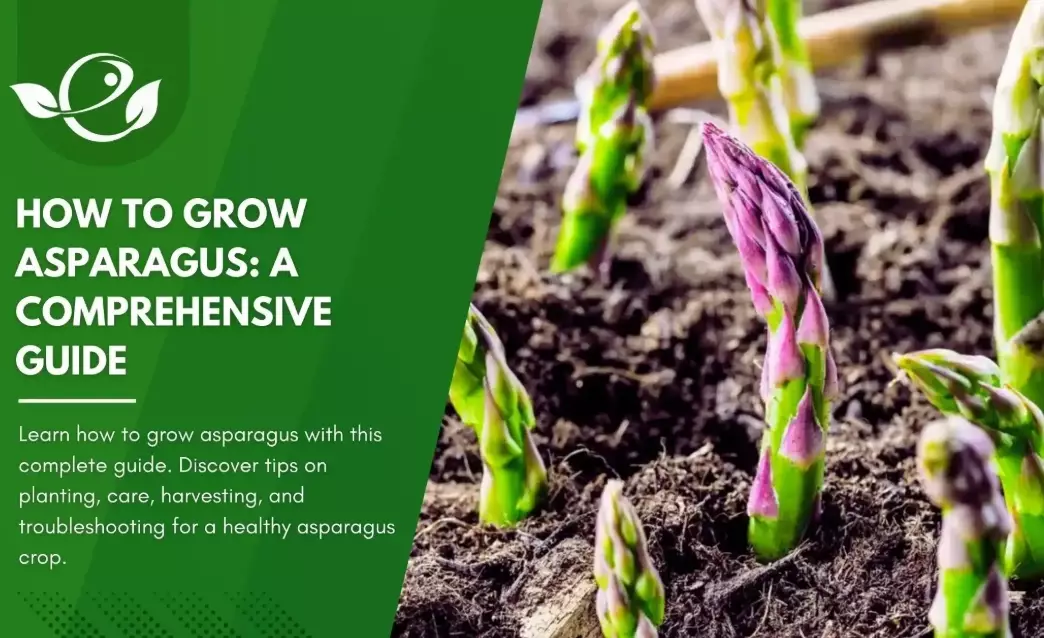
Spring, as soon as the soil is workable, is planting time. You have your fat, healthy crowns. Now, let's get them in the ground correctly. The infamous "trench method" is standard for a reason—it works.
Step-by-Step Planting:
1. Dig the Trench. Make a trench 6-8 inches deep and about 12 inches wide. Space trenches 3-4 feet apart if you're doing multiple rows.
2. Create a Mound. Down the center of the trench, make a small, long mound of soil about 2-3 inches high.
3. Position the Crowns. Drape the crown over the mound like an octopus sitting on a hill. Spread the roots out down the sides of the mound. Space crowns 12-18 inches apart in the row.
4. Initial Cover. Cover the crowns and roots with just 2-3 inches of your prepared soil. Water thoroughly.
5. The Gradual Fill. This is the key. As the spears grow over the first few weeks, gradually add more soil to the trench, an inch or two at a time, until the trench is filled level with the surrounding soil by the end of the first growing season.
The Critical First Two Years: Care and Patience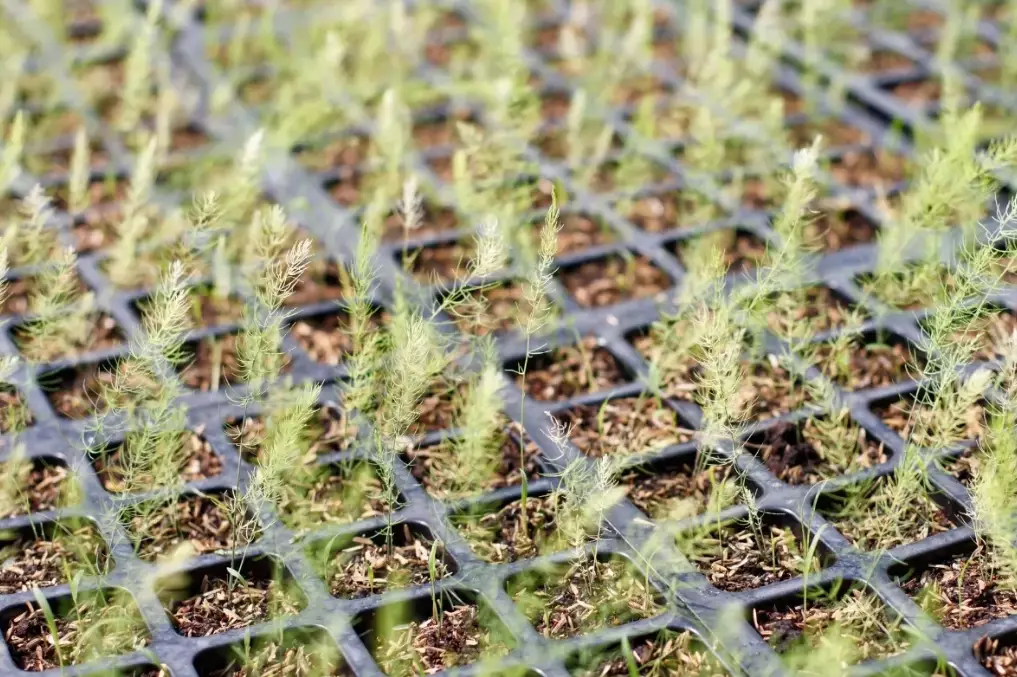
This is the test. You'll see spears that first spring. You must not harvest them. I know it's torture. The plant needs all its energy to establish a massive root system.
Year One: The Establishment Phase
Let every spear grow into a tall, ferny stalk (called a fern). Your job is watering (1-2 inches per week if it doesn't rain), weeding meticulously (the bed is open and weeds love it), and maybe a light side-dressing of compost mid-summer. In the fall, after the ferns have turned yellow/brown from frost, cut them down to the ground and remove them from the garden to discourage pests and diseases.
Year Two: Building Strength
You might get a few more, thicker spears. You can take a very light harvest—maybe one or two spears per plant over a 2-week period, then stop and let it fern out again. The rule is still: the plant's needs come first. Continue watering, weeding, and add a balanced fertilizer in early spring as growth starts.
Harvesting and Long-Term Maintenance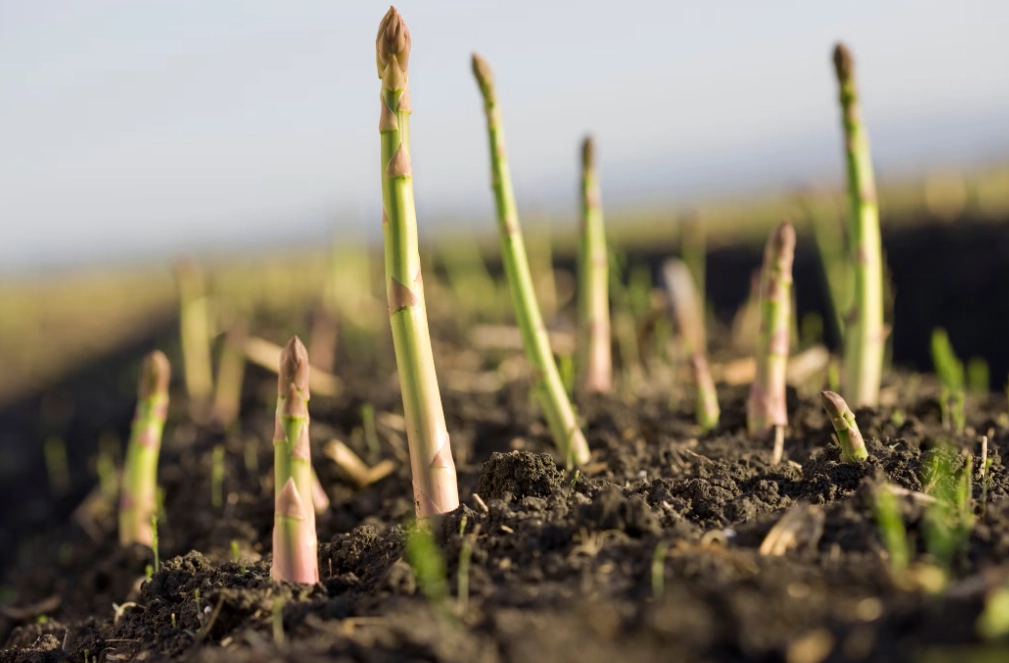
Year Three and Beyond: The Payoff
Now you harvest. The season is short, typically 6-8 weeks in spring. Harvest spears when they are 6-10 inches tall and before the tips start to loosen. Cut or snap them at ground level. Stop harvesting when the spear diameter becomes consistently thin (pencil-width or less). Then let the bed grow out for the rest of the year.
Ongoing Care Calendar
- Early Spring: Top-dress with compost and a balanced organic fertilizer before spears emerge.
- Harvest Season: Cut spears regularly.
- Post-Harvest: Let ferns grow. Water during dry spells.
- Fall/Winter: After frost, cut down dead ferns and mulch the bed with a few inches of straw or shredded leaves for winter protection.
Every 3-4 years, get another soil test to see if you need to adjust pH or add specific nutrients.
Your Asparagus Questions Answered
Can I grow asparagus from seed?
How many asparagus crowns should I plant for a family of four?
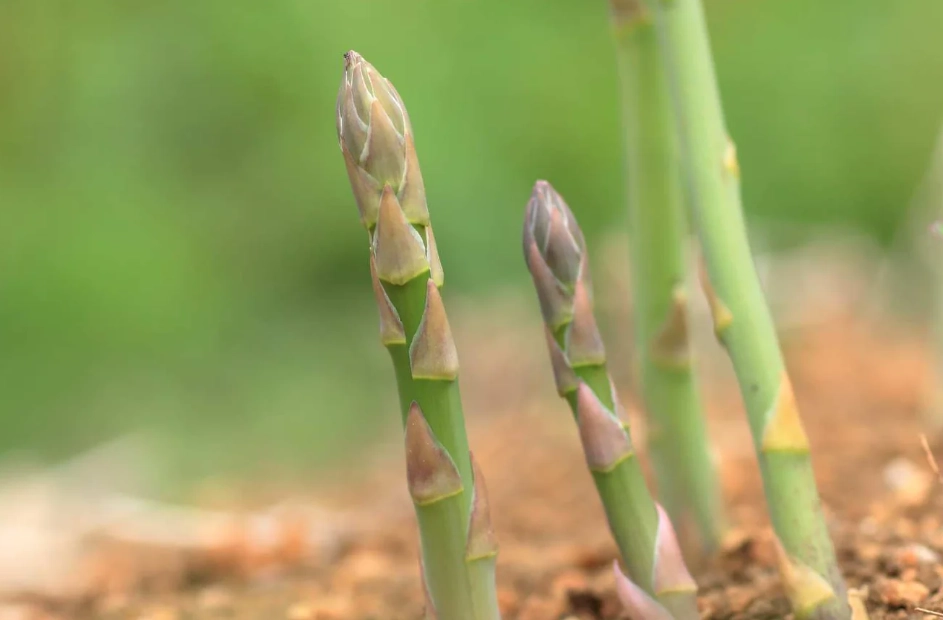 My asparagus spears are always thin. What am I doing wrong?
What are the tiny red berries on my asparagus ferns?
Do I need to cover the asparagus bed with salt?
Reader Comments