Let's be honest. Most gardening advice makes soil sound complicated. You're told you need the perfect garden bed mixture, but then you're left staring at bags of compost, topsoil, and sand, wondering what the right recipe is. I've been there. I've killed plants with kindness by using a mix that was too rich. I've fought with soil that turned into concrete by summer. After a decade of trial and error, I can tell you this: the right soil blend isn't just about feeding plants. It's about creating a living, breathing foundation that does most of the hard work for you—draining when it's wet, holding moisture when it's dry, and fending off diseases. This guide cuts through the confusion. We'll build your soil knowledge from the ground up, give you specific recipes you can trust, and point out the subtle mistakes even experienced gardeners make.
What's Inside This Guide
What Exactly is a Garden Bed Mixture?
Think of it as a custom-made suit for your plants' roots. It's not just dirt. A proper garden bed mixture is a engineered growing medium you put in raised beds, containers, or improved in-ground plots. Its job is threefold: provide physical support, deliver water and air to roots, and supply nutrients. Bagged topsoil alone fails at this—it's often too dense, lacks organic matter, and can be inconsistent. A true mix is lighter, fluffier, and alive with beneficial microbes. The magic happens when you combine different materials, each playing a specific role. Getting this base wrong is the root cause (pun intended) of 90% of plant problems like stunted growth, yellow leaves, and rot.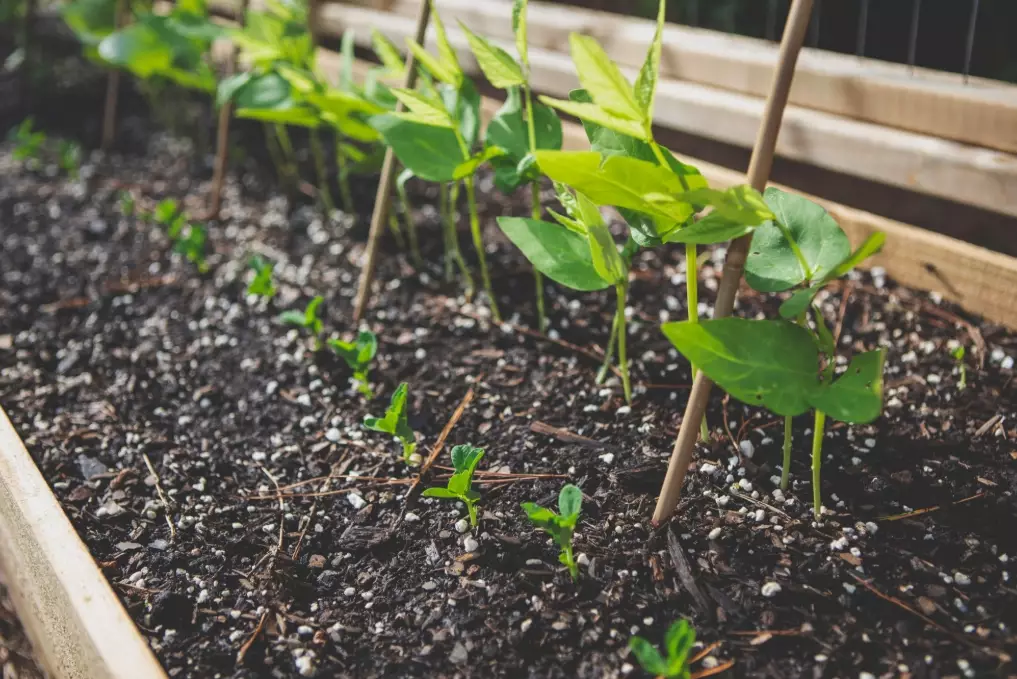
The 5 Key Components of a Great Mix
Every ingredient has a purpose. Here’s the breakdown of what each one does, so you can understand the "why" behind the recipe.
| Component | Primary Role | What to Look For & Notes |
|---|---|---|
| Compost | Nutrient source & soil conditioner. Feeds plants and improves soil structure. | Use well-aged, finished compost from multiple sources (plant-based, manure). It should smell earthy, not sour or like ammonia. |
| Sphagnum Peat Moss or Coco Coir | Moisture retention. Holds water like a sponge and releases it slowly to roots. | Peat moss is acidic, may need lime. Coco coir is pH-neutral and a renewable alternative. Pre-moisten both before mixing! |
| Vermiculite or Perlite | Aeration & drainage. Creates air pockets, prevents compaction, improves drainage. | Vermiculite also holds some water/nutrients. Perlite is purely for aeration. Use coarse grade for garden beds. |
| Topsoil or Garden Soil | Mineral base & bulk. Provides grit, minerals, and gives the mix body. | Screen it to remove large rocks and debris. Avoid cheap bagged soil that feels like sticky clay or pure sand. |
| Other Amendments (Optional) | Targeted benefits. Addresses specific deficiencies or goals. | Worm castings (microbe boost), coarse sand (for extra drainage in clay areas), lime (to adjust pH if using peat). |
I see a lot of gardeners treat compost as the only important part. They'll do 60% compost, 40% topsoil and call it a day. That mix will be fantastic for a season, then turn into a soggy, nitrogen-heavy mess. The aeration component (vermiculite/perlite) is non-negotiable for long-term soil health. It's the difference between soil that collapses over winter and soil that stays loose and workable for years.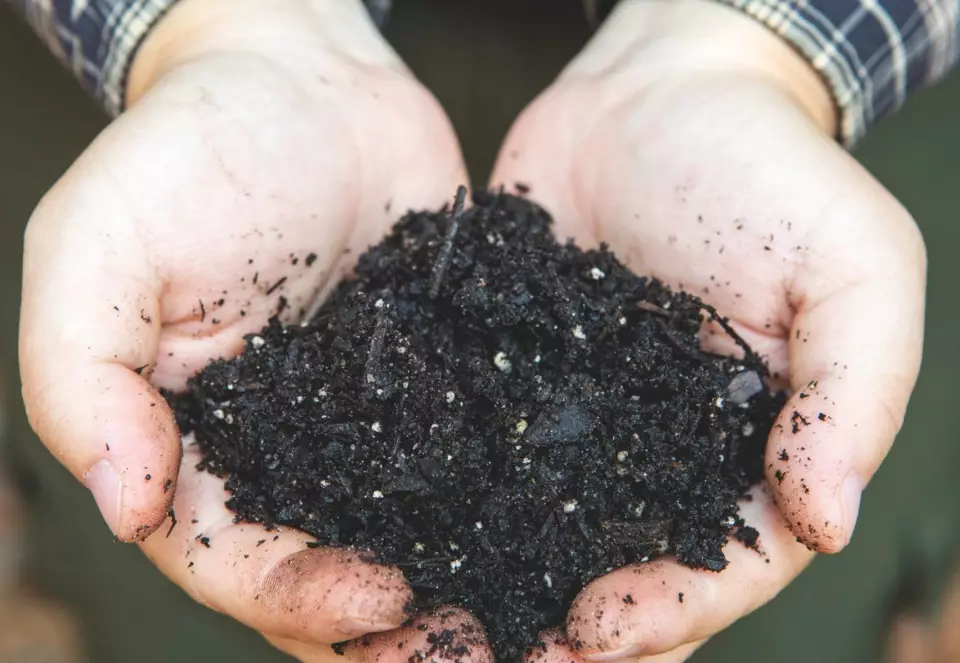
Proven DIY Garden Bed Mixture Recipes
These are not theoretical. I've used and tweaked these in my own garden and community plots. Measure by volume (e.g., buckets, wheelbarrows), not weight.
The All-Purpose Vegetable Garden Recipe
This is my workhorse for raised beds growing tomatoes, peppers, greens, and beans. It balances fertility with structure.
- 1 part High-quality compost (from at least two different sources)
- 1 part Sphagnum peat moss or coco coir (pre-moistened!)
- 1 part Coarse vermiculite or perlite
- 1 part Screened topsoil or garden loam
For every 4 cubic feet of this mix, I stir in 1-2 cups of worm castings and a handful of balanced, slow-release organic fertilizer. This gives plants a gentle, steady food supply.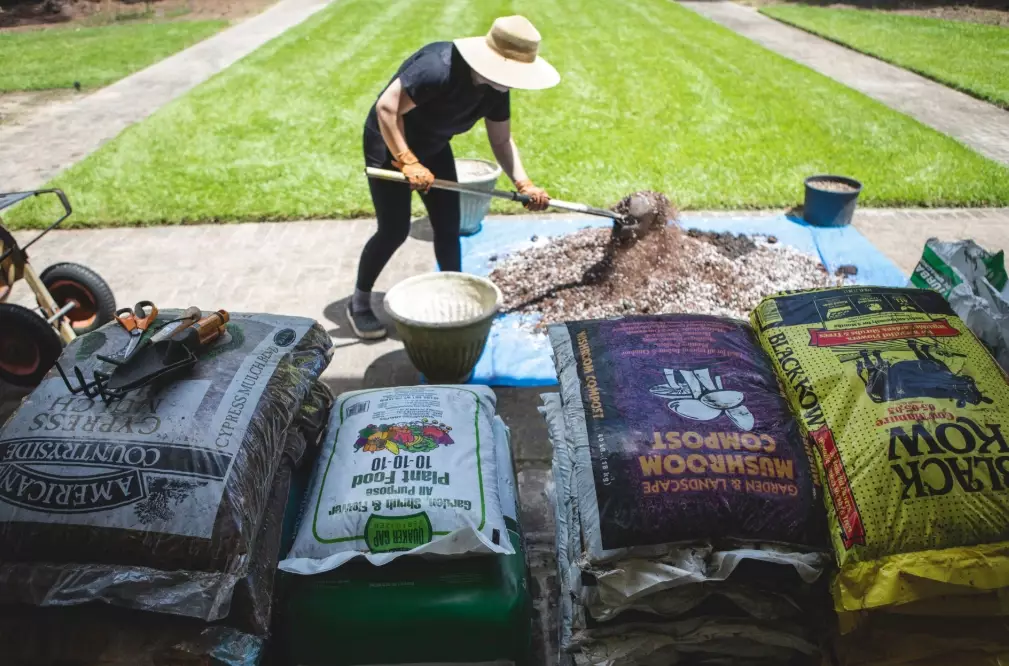
The "Mel's Mix" (From Square Foot Gardening)
Famous for a reason. It's soilless, light, and perfect for deep raised beds. It can be expensive to fill a large bed, but it performs consistently.
- 1/3 Blended compost (from multiple sources)
- 1/3 Coarse vermiculite
- 1/3 Sphagnum peat moss
The critique here is the cost of vermiculite and the acidity of peat. If you use it, get a soil test after the first season to see if you need to add lime to raise the pH.
The Budget-Conscious In-Ground Booster
For when you're amending a large, existing garden plot and can't afford 100% imported mix.
- 2 parts Native soil (the soil already in your garden)
- 1 part Compost
- 1 part Well-rotted leaf mold or cheap bagged manure compost
- 1/2 part Coarse builder's sand (only if your native soil is heavy clay)
This method works with what you have. The goal is to gradually improve your native soil's structure and organic matter over several seasons, not replace it entirely.
The 3 Most Common Garden Bed Soil Mistakes
These are the errors I see repeated every season. Avoiding them will save you money and heartache.
1. The "All Compost" Bed. It seems logical—compost is good, so more must be better. Wrong. Pure compost is too rich, holds too much water, and often lacks structure. Seeds struggle to anchor, and young plants get leggy and weak from too much nitrogen. It's like feeding a kid only cake.
2. Ignoring Soil Texture and Drainage. You follow a recipe but your soil still turns into a brick. Why? You didn't account for your local conditions. If you're in a rainy area or have a bed with poor natural drainage, you need more perlite or sand. If you're in a hot, dry climate, you might lean a bit more on peat or coir for moisture retention. The recipe is a starting point, not a rigid law.
3. Using Fresh, Unfinished Compost or Manure. This is a silent plant killer. Fresh material is still "hot"—it's actively decomposing and can burn plant roots with excess ammonia and salts. It also often contains weed seeds. Your compost should be dark, crumbly, and smell like a forest floor, not a barnyard. If in doubt, let it age another few months.
How to Build Your Own Garden Bed Mixture (Step-by-Step)
Let's walk through filling a standard 4ft x 8ft x 1ft deep raised bed (about 32 cubic feet).
Step 1: Gather & Pre-Moisten Materials
You'll need roughly 8 cubic feet of each component for the All-Purpose recipe. Dump your peat moss or coco coir into a large tub or wheelbarrow. Slowly add water and mix with a shovel or your hands until it's as damp as a wrung-out sponge. This is crucial—dry peat repels water and will ruin your mix's moisture distribution.
Step 2: The Mixing Stage
On a large tarp or a concrete driveway, create mounds of each component. I start with the topsoil, then add the pre-moistened peat, then the compost, and finally the vermiculite. Now, grab two corners of the tarp and roll the ingredients back and forth. Lift and drop. It's a workout, but it's the best way to get a homogeneous blend. For smaller amounts, a concrete mixer or a large tub with a sturdy shovel works.
Step 3: Filling the Bed & Initial Watering
Shovel the mix into your bed. Don't pack it down—let it settle loosely. Once the bed is full, give it a deep, thorough watering. You'll be shocked how much the soil level drops, sometimes by 20-30%. This is normal. Top it up with more mix, water again lightly, and you're ready to plant.
A pro tip: If you're not planting immediately, cover the bed with a light layer of straw or a burlap sack to prevent the surface from crusting over and to protect it from heavy rain that can cause compaction.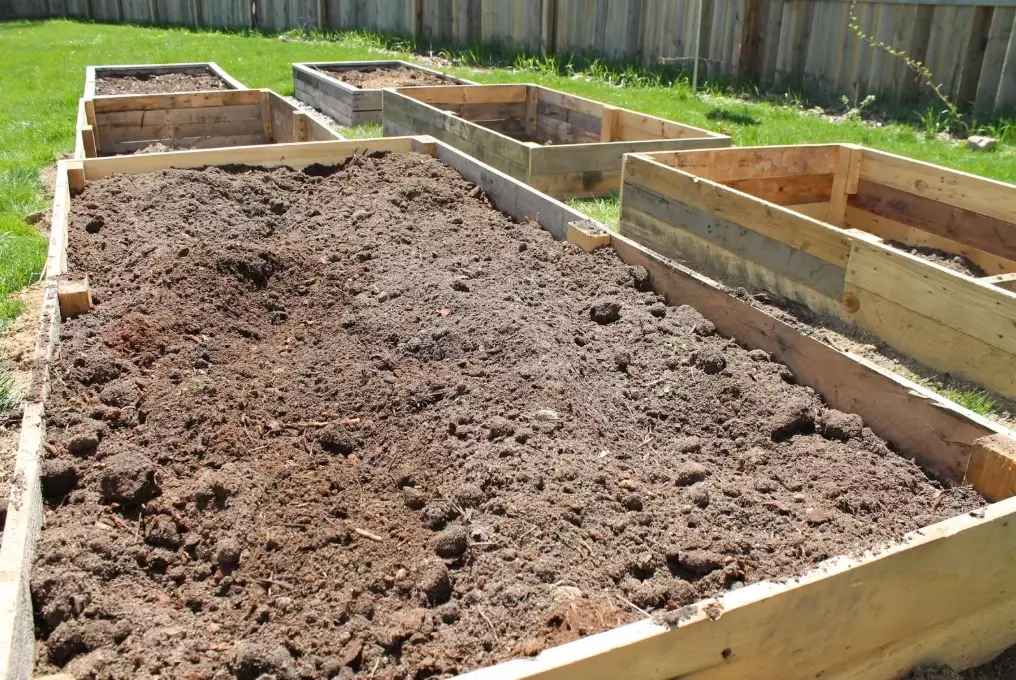
Your Garden Bed Mixture Questions Answered
 Can I reuse my garden bed soil from last year, or do I need all new mix?
Reader Comments