Let's be honest, most supermarket tomatoes are a disappointment. They look perfect but taste like watery cardboard. That's why you're growing your own, right? You've nurtured your plants from seeds or seedlings, watered them, staked them, and watched the little green orbs form. Now comes the most satisfying part: picking tomatoes. But it's not just about grabbing and pulling. Do it wrong, and you can damage the plant, reduce future yields, or end up with a bland, underripe fruit. Do it right, and you'll experience a flavor explosion that makes all the effort worthwhile. This guide is everything I've learned from over a decade of trial, error, and countless tomato sandwiches.
What You'll Learn in This Guide
- Knowing When It's Time: The True Signs of Ripeness
- The Absolute Best Time of Day to Pick Tomatoes
- The Proper Picking Technique (It's Not a Tug-of-War)
- After the Harvest: Handling, Storing, and Ripening
- A Quick Guide for Different Tomato Varieties
- Common Mistakes Even Experienced Gardeners Make
- Your Tomato Picking Questions, Answered
Knowing When It's Time: The True Signs of Ripeness
Color is the obvious clue, but it's not the whole story. A tomato can be fully colored but still hard as a rock and flavorless. You need to engage multiple senses.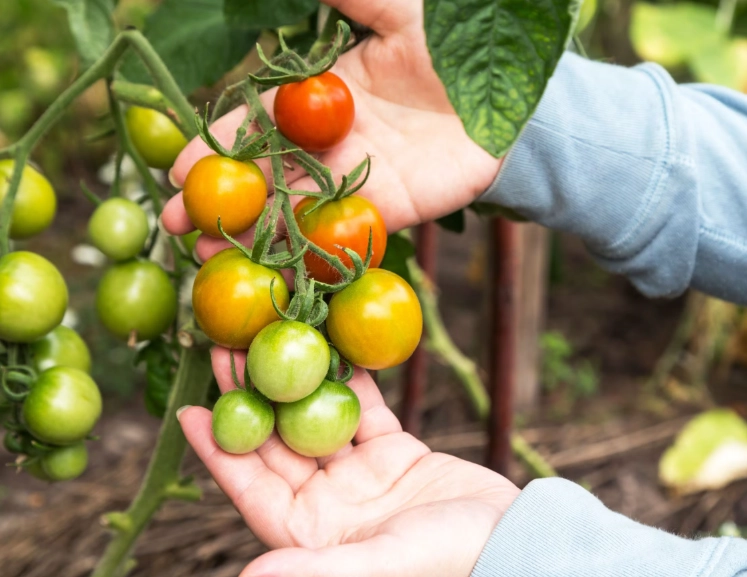
Look Beyond Just Red
For red varieties, you want a deep, uniform red (or whatever the final color is—yellow, orange, purple). The pale green "shoulders" near the stem should have disappeared. But here's the trick most people miss: check the underside, the part that faced the ground. That area often colors up last. If it's still white or very pale, give it another day or two.
The Feel Test (This is Critical)
Gently cup the tomato in your palm. A truly ripe tomato will yield slightly to gentle pressure. It should feel firm but not hard, with a little give, like a perfectly ripe avocado. If it's mushy, it's overripe. If it's rock solid, it's not ready. The skin should be smooth and taut, not wrinkled.
The Sniff and Snap Test
Bring the tomato close to your nose, near the stem end. A ripe tomato will have that unmistakable, sweet, earthy, tangy tomato smell. If it smells like nothing, it's not ready. Also, try gently bending the tomato on the vine at the joint above the fruit (the knuckle). On a ripe tomato, this joint often becomes brittle and will snap cleanly with a slight upward twist. If it bends without snapping, the fruit isn't fully ready to let go.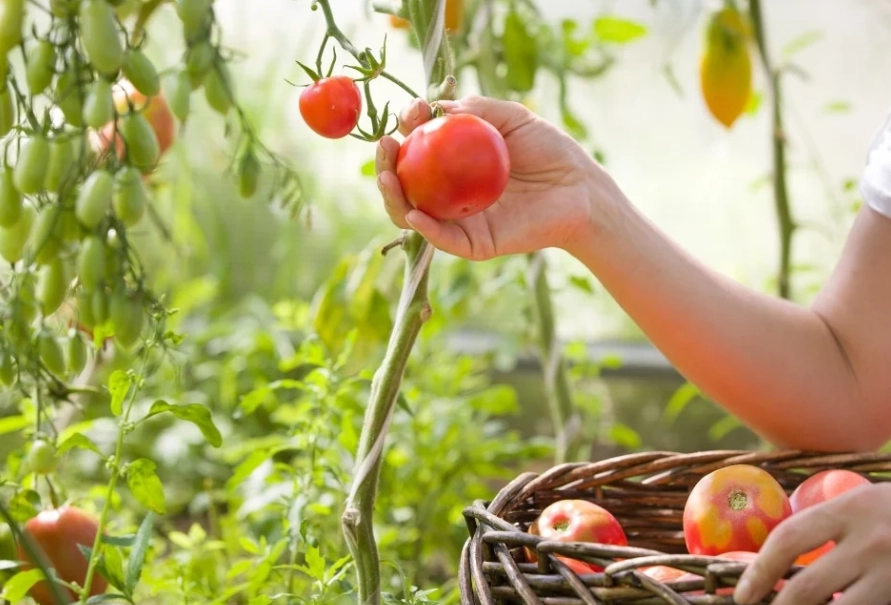
The Absolute Best Time of Day to Pick Tomatoes
Timing matters more than you think. I used to pick whenever I had a free moment, often in the hot afternoon. The tomatoes were fine, but they weren't spectacular.
Now, I pick in the early morning, after the dew has dried but before the heat of the day sets in. Why? Overnight, the plant pumps sugars and moisture into the fruit. Picking in the morning captures the tomato at its peak internal moisture and sugar content. The fruit is cool, firm, and full of flavor.
Picking in the late afternoon or evening is your second-best bet. Avoid the midday sun. Tomatoes picked in intense heat are stressed, warmer, and can become mushy more quickly. They also have higher respiration rates, which can lead to faster spoilage.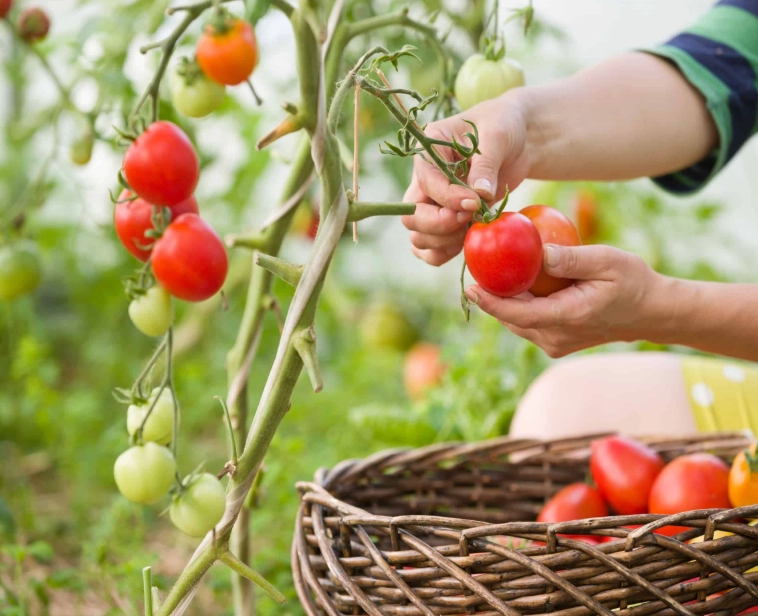
The Proper Picking Technique (It's Not a Tug-of-War)
This is where you can really hurt your plant. Yanking a tomato off can tear a whole branch, creating an open wound for disease. Here's the right way, step by step.
- Locate the Knuckle: Find the small, green, joint-like stem (called the pedicel) that connects the tomato to the main vine or cluster stem.
- Support the Fruit: Cup the tomato gently in your other hand to take the weight off the stem.
- The Motion: Bend the tomato upwards and to the side at that knuckle. Don't pull straight out. A ripe tomato will separate with a clean, crisp snap. If it doesn't snap easily, it might not be fully ready, or you might need to use clippers.
- Use Clippers for Stubborn Ones: For unripe fruit you're picking early (due to weather or pests) or for varieties with tough stems, use a pair of clean garden snips or scissors. Cut the stem about half an inch above the fruit. Leaving a bit of stem helps prevent the fruit from rotting at the top where it was attached.
After the Harvest: Handling, Storing, and Ripening
You've picked them. Now what? How you handle them next determines if you get a week of great tomatoes or a pile of mush in two days.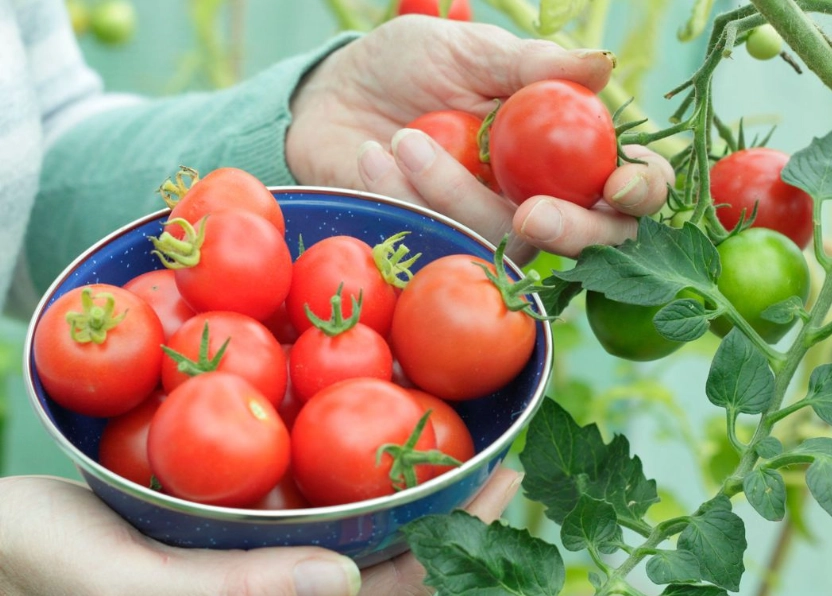
Never Refrigerate Ripe Tomatoes
This is the golden rule. The cold refrigerator temperature (below 55°F/13°C) destroys the volatile compounds that give tomatoes their flavor and aroma. It also makes the texture mealy. Research from the University of Florida confirms that chilling causes irreversible damage to flavor. Store ripe tomatoes stem-side up on your counter, out of direct sunlight, and enjoy them within a few days.
What to Do with Green or Partially Ripened Tomatoes
Sometimes you have to pick early—frost is coming, or an animal is taking bites. That's okay. Place unripe tomatoes in a single layer in a cardboard box or paper bag. Adding a ripe banana or apple can help, as they release ethylene gas, a natural ripening agent. Store them in a cool (65-70°F), dark place and check daily. They will ripen from the inside out, developing color and some, but not all, of the vine-ripened flavor.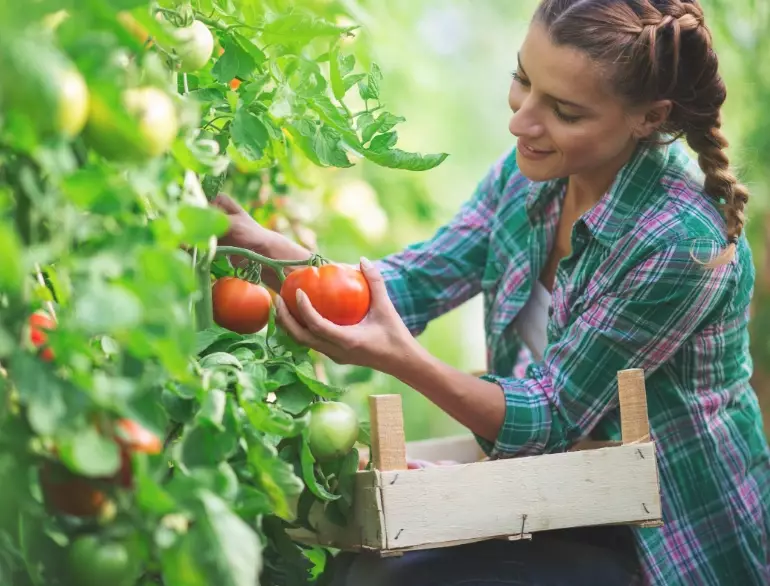
A Quick Guide for Different Tomato Varieties
Not all tomatoes ripen the same way. Here’s a cheat sheet for some popular types.
| Tomato Type | Key Ripeness Signs | Picking Notes |
|---|---|---|
| Cherry/Grape | Deep, uniform color. Very easy to snap off. Often ripen in large clusters. | You can harvest whole clusters if most are ripe. They are prolific—pick often to encourage more production. |
| Roma/Paste | Deep red, firm but not hard. They feel dense for their size. | They have thicker skin and can handle a bit more pressure. Often used for processing, so perfect ripeness is slightly less critical. |
| Beefsteak/Heirloom | Full color, significant give when gently squeezed. The bottom softens first. | Handle with extreme care. They are heavy and prone to cracking. Support the fruit fully when picking. |
| Green When Ripe (e.g., Green Zebra) | Turns from dark green to a yellowish-olive or lighter green with a slight amber blush. Becomes slightly soft. | Relies almost entirely on the feel test. The stem joint snap is a very reliable indicator here. |
Common Mistakes Even Experienced Gardeners Make
I've made all of these, so you don't have to.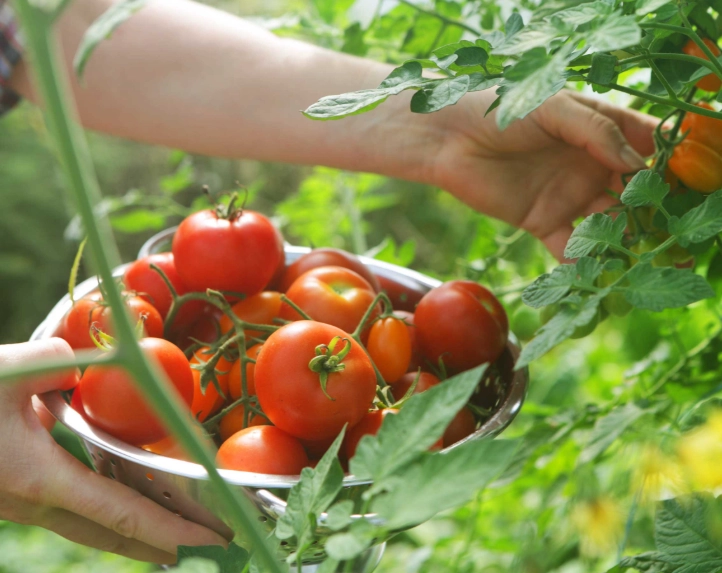
Waiting for the whole cluster to ripen. On large varieties, tomatoes in a cluster often ripen one at a time. Pick the ripe one and let the others continue. Leaving an overripe tomato on the vine can signal the plant to stop producing.
Ignoring hairline cracks (cracks). A small concentric crack around the stem is usually fine if you eat the tomato immediately. But deep radial cracks (splitting from the top down) are entry points for bugs and rot. Pick these tomatoes immediately, cut away the cracked part, and use the rest.
Picking with a long, jagged stem. That sharp stem can puncture other tomatoes in your basket. Aim for a clean break or cut.
Washing tomatoes right after picking. Water removes the natural bloom that protects the skin and can introduce moisture that speeds up decay. Only wash them right before you're ready to eat or cook with them.
Your Tomato Picking Questions, Answered
Picking tomatoes is the grand finale of the summer garden. It connects you directly to the fruit of your labor. Forget the perfectly round, shelf-stable versions at the store. A homegrown tomato, picked at its absolute prime, is a different species altogether. It's warm from the sun, fragrant, and bursts with a complex sweetness and acidity that defines the season. Use this guide, trust your senses, and get ready for the best tomatoes of your life.
Reader Comments