Let's cut to the chase. If you're tired of digging, weeding, and dealing with rocky or clay soil, gardening in straw bales might be your game-changer. I've been using this method for over five years, and it's transformed my backyard from a weedy mess into a lush veggie paradise. Straw bale gardening is exactly what it sounds like: you plant directly into conditioned straw bales, skipping traditional soil beds. It's a no-dig, raised-bed alternative that's perfect for small spaces, poor soil, or just lazy gardeners like me who want results without backache.
What You'll Learn in This Guide
What is Gardening in Straw?
Gardening in straw, often called straw bale gardening, involves using bales of straw as a planting medium. You don't need soil—the straw decomposes over time, providing nutrients and structure for plant roots. It's like having a compost pile that doubles as a garden bed. The key is conditioning the bales first, which kickstarts decomposition and makes them suitable for planting. This method gained popularity through resources like the University of Illinois Extension, which highlights its suitability for urban and limited-space gardening.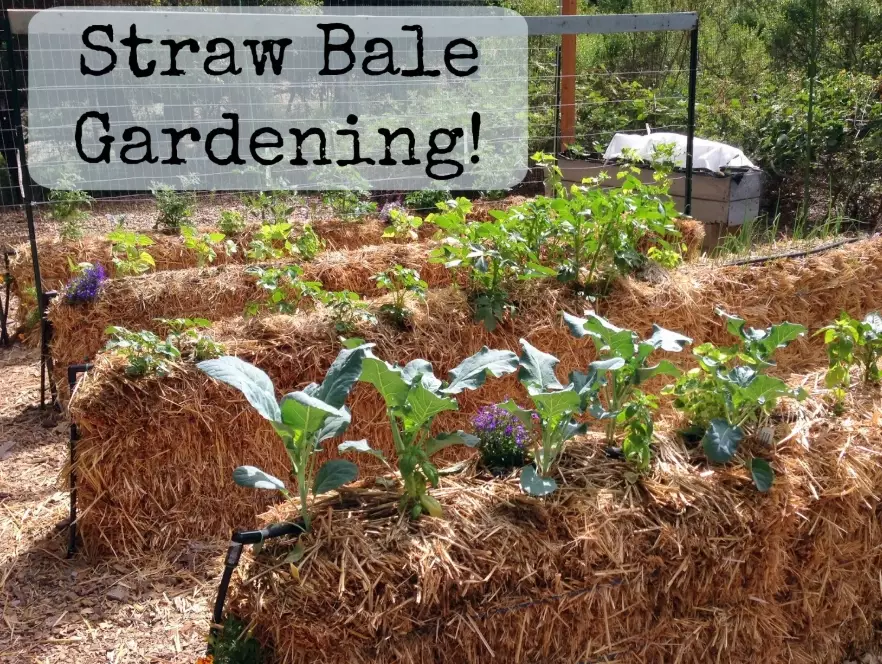
I first tried it after reading about it on a gardening forum. My initial thought was, "This sounds too good to be true." But after a season of growing tomatoes and cucumbers, I was hooked. The bales warm up faster in spring, so you can plant earlier, and they retain moisture better than my old clay soil.
Top Benefits of Using Straw Bales
Why bother with straw bales? Here's the real deal. Traditional gardening can be a chore, but straw bales simplify things in ways you might not expect.
Weed suppression: Since you're starting with sterile straw, weeds are minimal. I used to spend hours pulling weeds; now, I might see a few stragglers, but it's nothing compared to soil beds.
Improved drainage: Straw bales drain well, preventing root rot. If you've ever lost plants to waterlogged soil, this is a lifesaver.
Accessibility: The bales are raised, so no bending over. My grandma loves this—she can tend to her herbs without straining her back.
Portability: You can move bales before conditioning if you change your mind about layout. I once rearranged my entire garden in an afternoon.
Soil health: As the straw breaks down, it enriches the ground below. After a season, I often find earthworms thriving underneath.
But it's not all roses. Straw bales require upfront conditioning, and they need consistent watering. If you forget to water during a heatwave, plants can suffer fast. That's a trade-off I've learned to manage.
How to Start Your Straw Bale Garden: A 14-Day Plan
Setting up a straw bale garden isn't rocket science, but there's a trick to conditioning. Most beginners rush this and end up with stunted plants. Here's my foolproof plan, based on my own trials and errors.
Day 1-3: The Soaking Phase
Place your straw bales where you want them—full sun is best for most veggies. Soak them thoroughly with water. I use a hose and let them sit until they're heavy. This starts the decomposition process. A common mistake is not soaking enough; the bales should be dripping wet.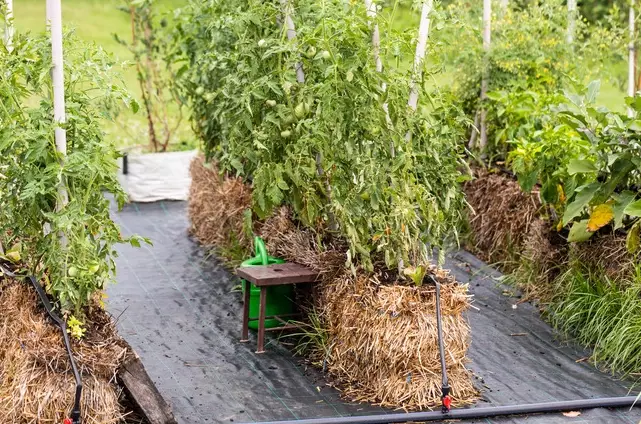
Day 4-10: The Fertilizing Phase
Apply a high-nitrogen fertilizer to speed up decomposition. I use blood meal or a balanced organic fertilizer. Sprinkle it on top and water it in. Do this daily for a week. The bales will heat up internally—this is normal and means they're working. If they don't heat up, you might have old or moldy bales.
Day 11-14: The Cooling Phase
Once the bales cool down to touch (usually after 10-14 days), they're ready. Test by sticking your hand inside; it should feel warm but not hot. Now, add a thin layer of compost or potting mix on top for planting. This gives seedlings a soft start.
I learned the hard way that skipping the cooling phase can burn plant roots. One year, I planted tomatoes too early, and they wilted within days. Patience pays off.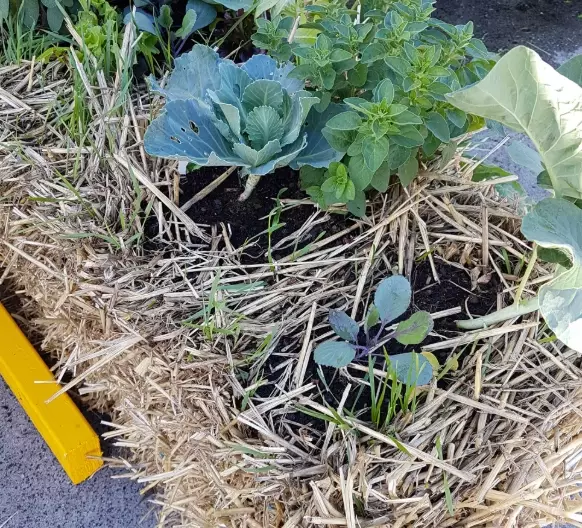
The Best Plants for Straw Bales (and What to Avoid)
Not all plants thrive in straw bales. Through experimentation, I've found some winners and losers. Here's a quick table to guide you.
| Plant Type | Why It Works Well | Potential Issues |
|---|---|---|
| Tomatoes | Love the warmth and drainage; yields are often higher. | Need staking; can be heavy, so secure bales. |
| Cucumbers | Spread easily on bales; less prone to soil-borne diseases. | Require consistent watering. |
| Peppers | Benefit from the heat; grow compactly. | Sensitive to over-fertilization early on. |
| Lettuce & Greens | Quick growers; enjoy the moisture retention. | Can bolt in too much heat; provide shade. |
| Herbs (Basil, Parsley) | Thrive in well-drained conditions; easy to harvest. | Might need extra nutrients mid-season. |
Plants to avoid: Root crops like carrots or potatoes. They need deep, loose soil, and straw bales don't provide enough structure. I tried carrots once, and they came out twisted and stunted. Stick to above-ground producers.
For flowers, marigolds and nasturtiums do well—they add color and help with pest control. I always interplant them with my veggies.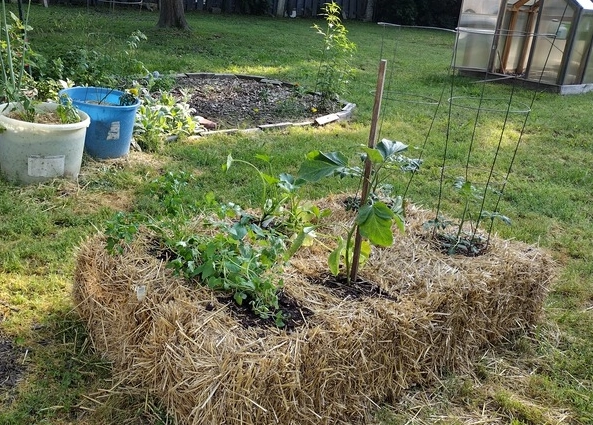
Common Mistakes I've Made So You Don't Have To
Everyone makes mistakes, but in straw bale gardening, a few can ruin your season. Here are my top blunders and how to fix them.
Using hay instead of straw: Hay contains seeds that sprout into weeds. Straw is from grain stalks and is seed-free. I made this error in year one, and my garden turned into a grass patch. Always buy straw from a reliable source.
Under-watering: Straw bales dry out faster than soil, especially in wind. Set up a drip irrigation system or water deeply every other day. I lost a batch of beans because I assumed rain would suffice.
Over-fertilizing: Too much nitrogen during conditioning can burn plants. Follow the 14-day plan strictly. I got eager and added extra fertilizer, which led to leafy growth but no fruit on my peppers.
Ignoring bale placement: Once conditioned, bales are heavy and hard to move. Plan your layout considering sun exposure and accessibility. I had to shuffle bales with a dolly after planting—not fun.
Not replenishing nutrients: Straw decomposes over time, so add compost or a slow-release fertilizer mid-season. My second-year bales produced smaller tomatoes until I top-dressed with compost.
These lessons cost me time and harvests, but they're avoidable with a bit of foresight.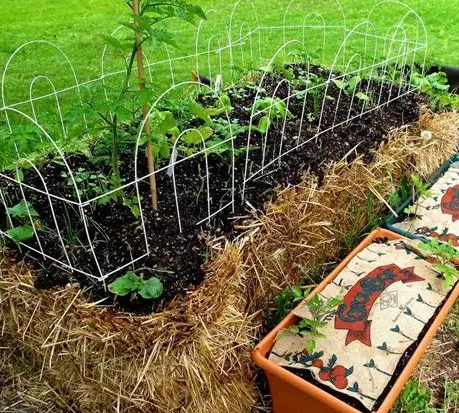
FAQs About Straw Bale Gardening
Gardening in straw isn't a magic bullet, but it's close. It solves so many common problems—poor soil, weeds, back pain—that it's worth trying even if you're skeptical. Start with a couple of bales and see how it goes. I did, and now my entire garden is straw-based. If you have questions, drop a comment below or check out resources from the USDA or local extension offices for more tailored advice. Happy gardening!
Reader Comments