You've nurtured your tomato plants from tiny seeds or hopeful seedlings. You've watered, staked, and watched the flowers turn into little green orbs. Now comes the big question: when do you pick your tomatoes? Get it right, and you're rewarded with a flavor explosion that makes supermarket tomatoes taste like cardboard. Get it wrong, and you end up with a mealy, bland, or split disappointment. I've been growing tomatoes for over a decade, and I can tell you that the answer isn't just a date on the calendar. It's a sensory game. Let's cut through the confusion and look at the real signs.
What's Inside?
Color Isn't Everything: The Real Signs of Ripeness
Everyone says "wait for the red color." That's a good start, but it's incomplete advice. A tomato can be fully colored but still hard as a rock, lacking the sugars and acids that develop in the final stage of ripening. Here's what you should be checking, in order of importance.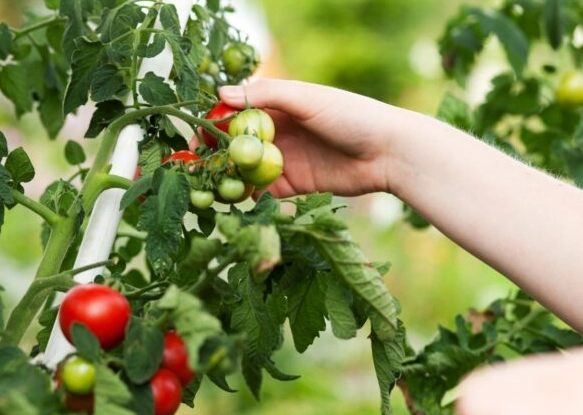
The Feel Test (The Most Reliable Sign)
Gently cup the tomato in your palm. Don't squeeze with your fingertips—you'll bruise it. Apply a light, even pressure. A truly ripe tomato will yield slightly to this pressure. It should feel firm but not hard, with a gentle give, like a perfectly ripe avocado. If it's soft or mushy, you've waited too long. If it's completely unyielding, it needs more time on the vine.
The Color Check (With Nuance)
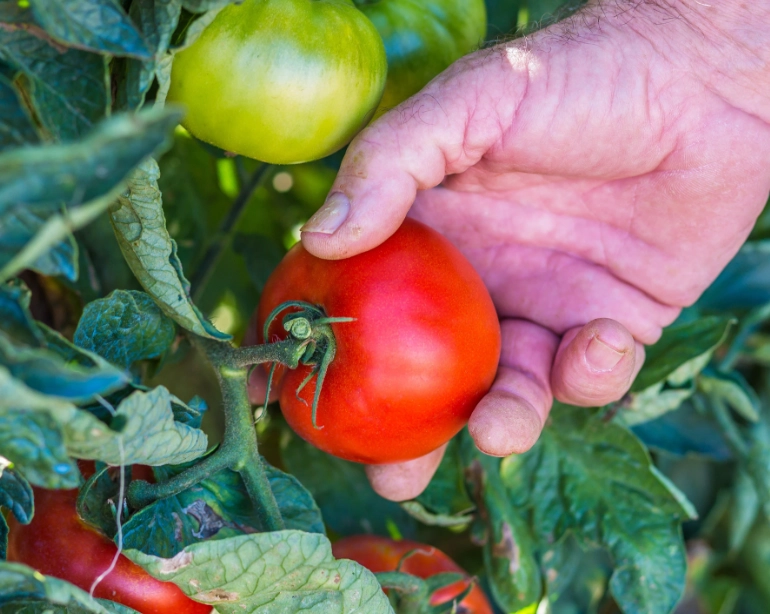
Look beyond just "red." For red varieties, you want a deep, uniform color with no green shoulders (the area around the stem). That green tinge means chlorophyll is still present, and the tomato is still converting starches to sugars. For other colors:
- Yellow/Orange Tomatoes: Should be a bright, vibrant hue, not pale.
- Striped/Green When Ripe: Varieties like 'Green Zebra' are trickiest. Look for the stripes to turn from bright green to a yellowish-olive, and the base color to soften. Again, the feel test is your best friend here.
The Sniff Test (The Secret Weapon)
Bring the tomato close to your nose, right near the stem end. A ripe tomato will have a distinct, sweet, earthy, unmistakably "tomato-y" fragrance. If it smells like nothing, or just like leaves, it's not ready. This aroma comes from volatile compounds that develop at peak ripeness. It's the smell of summer.
Your Tomato Type Matters: A Picking Guide by Variety
Not all tomatoes play by the same rules. A cherry tomato and a beefsteak have different timelines and behaviors. This table breaks it down.
| Tomato Type | Key Ripeness Signs | Special Notes & Timing |
|---|---|---|
| Cherry & Grape Tomatoes | Deep, uniform color. They detach from the cluster with a very gentle twist. A slight give when pressed. | Ripen very quickly. Check daily once color starts to change. They are prone to splitting if left too long after a rain. |
| Slicing Tomatoes (Beefsteak, Big Boy) | Full color, slight give. Heavy for their size. The blossom end (bottom) softens slightly before the top. | Often benefit from "breaking" color on the vine (fully colored but firm) and finishing ripening indoors to prevent pests/birds from getting them first. |
| Paste Tomatoes (Roma, San Marzano) | Deep red, very firm with only a hint of give. They should feel dense and meaty. | Harvest when fully colored but still quite firm for best sauce texture. Over-ripe paste tomatoes become watery. |
| Heirloom Varieties | Color is variable. The feel test is paramount. Often have a stronger fragrance when ripe. | More delicate skin. Harvest at the first sign of perfect ripeness; they deteriorate faster than hybrids. |
How to Pick a Tomato (Without Hurting the Plant)
You've identified a ripe one. Now, don't just yank it off. The goal is to harvest the fruit without damaging the stem, the vine, or the tiny flower clusters (future tomatoes) nearby.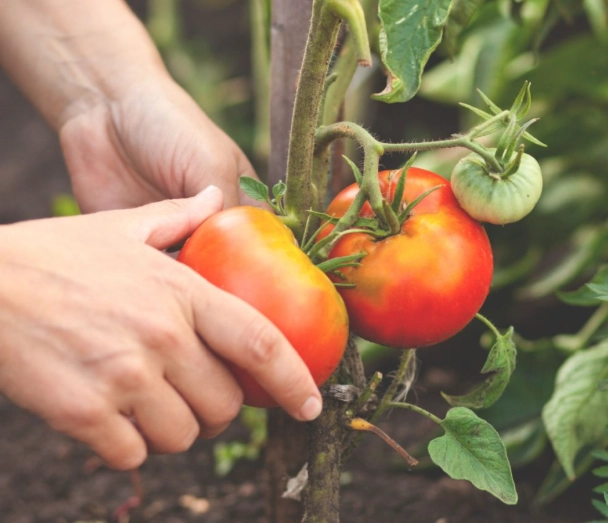
Hold the tomato in one hand. With your other hand, find the small, knuckle-like joint (called the pedicel) that connects the fruit stem to the main vine. Bend that joint upwards or sideways until it snaps cleanly. You should hear a quiet *snap*. If you're pulling and twisting the main vine, you're doing it wrong.
For stubborn stems, use a pair of clean garden snips or scissors. Cut the stem about half an inch above the fruit. This little "handle" protects the tomato's shoulder from rotting bacteria during storage.
3 Common Harvesting Mistakes Even Experienced Gardeners Make
Let's talk about where people go wrong. These aren't in the basic guides.
1. Chasing Perfection on the Vine. Waiting for every tomato to become soft and fully fragrant on the plant is an invitation for trouble—squirrels, birds, hornworms, or a sudden downpour that causes splitting. For your main crop of large tomatoes, adopt a two-stage harvest. Pick them at the "breaker" stage (when they have full color but are still firm) and let them finish on your kitchen counter. According to research from the University of California, tomatoes picked at the breaker stage and ripened at room temperature develop flavor and nutrients equal to vine-ripened fruit.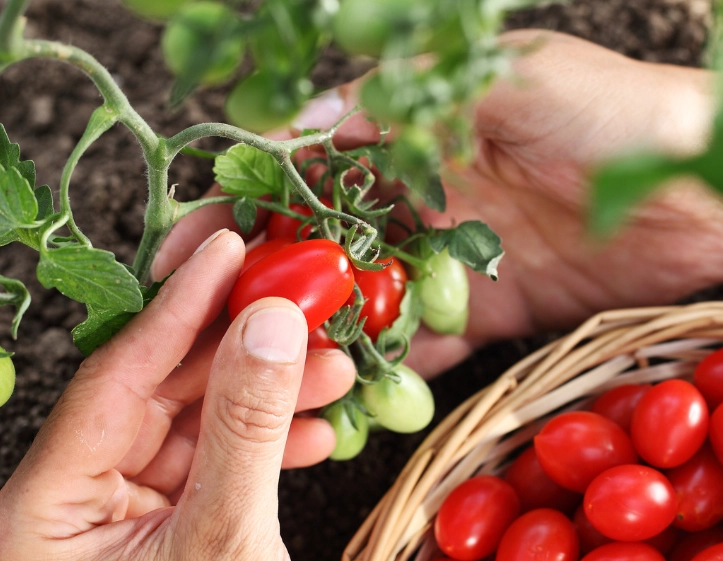
2. Refrigerating Tomatoes Straight Away. This is a flavor killer. Cold temperatures below 55°F (13°C) permanently break down the aroma and flavor compounds. That mealy, tasteless texture? That's often from refrigeration. Always ripen and store whole tomatoes at room temperature out of direct sun. Only refrigerate cut tomatoes, and even then, let them come to room temperature before eating.
3. Ignoring the "Mature Green" Stage. Before any color change, tomatoes reach a mature green stage. They are full-sized, have a slightly whitish, waxy sheen, and the seeds inside are developed. If frost is threatening, you can pick these. They will ripen slowly indoors, though the flavor won't be as rich. But if you pick a small, dark green tomato, it will never ripen properly. It's a dud.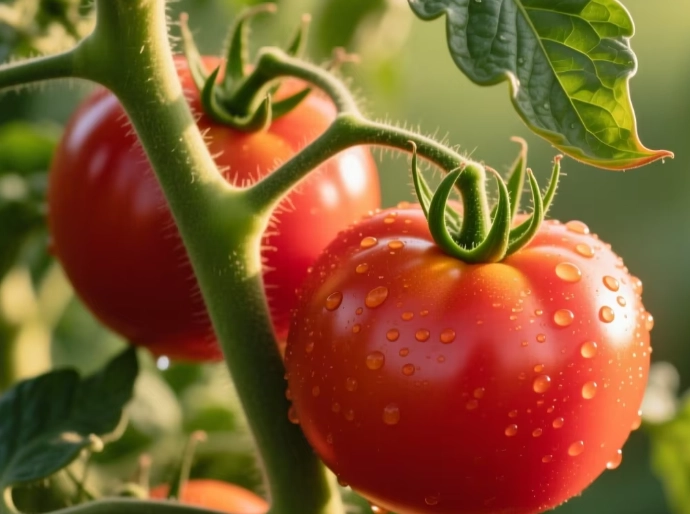
Your Tomato Harvesting Questions, Answered
The moment you pick a tomato is the moment you capture its potential. It's not just a chore; it's the final, critical step in a long journey. By learning to read the subtle signs—the gentle give, the warm fragrance, the deep color—you move from being a gardener to a true harvest artist. Your taste buds will thank you.
Reader Comments