Jump to What You Need
If you're into gardening or just hate throwing away kitchen scraps, a wood pallet compost bin is a game-changer. I built my first one five years ago, and it's still going strong—though I made a few blunders along the way. This guide cuts through the fluff and gives you the real deal on creating a functional, affordable compost bin from pallets. Let's get straight to it: you can build this in a weekend, with minimal cost, and start turning waste into black gold for your garden.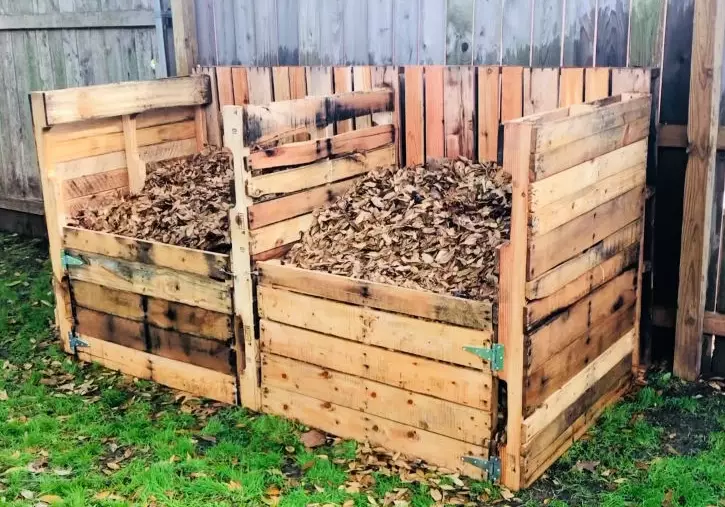
Why Choose a Wood Pallet Compost Bin?
Most people think compost bins have to be expensive plastic tumblers. Not true. Wood pallets are often free or cheap, and they're sturdy enough for backyard composting. I grabbed mine from a local warehouse—just asked politely. The beauty is in the simplicity: pallets are pre-built frames, so you're mostly assembling, not crafting from scratch.
But here's something most guides don't tell you: wood pallets breathe better than plastic. That means less odor and faster decomposition if you manage moisture right. On the downside, they can rot over time, especially in wet climates. My bin in Seattle needed a touch-up after three years. Still, for the price (often zero dollars), it's a win.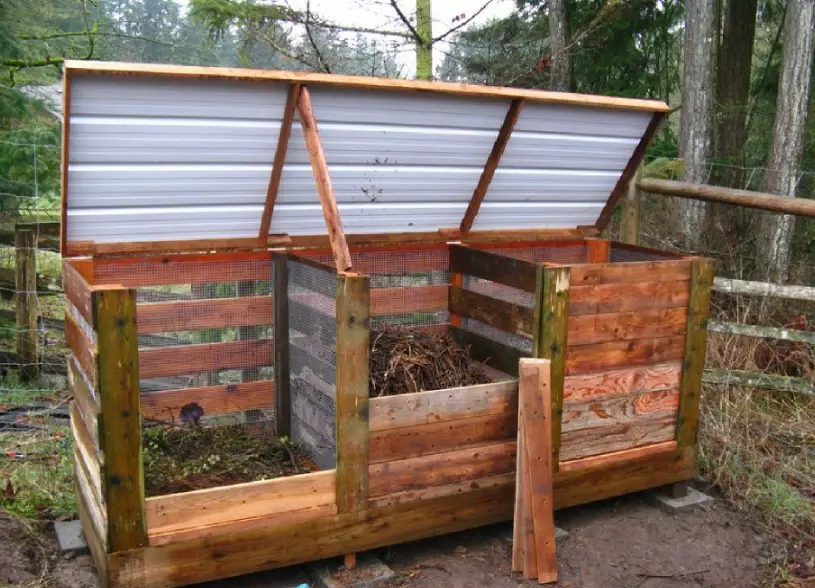
Quick tip: Avoid pallets marked with "MB" (methyl bromide), as they're treated with chemicals. Look for heat-treated (HT) stamps instead—safer for your garden. I learned this the hard way when my first batch of compost stunted some plants.
Gathering Materials and Tools
You don't need a fancy workshop. Here's what I used, based on trial and error. The key is to keep it simple; overcomplicating things is a common rookie mistake.
| Material/Tool | Quantity | Notes | Approx. Cost |
|---|---|---|---|
| Wood pallets (standard size) | 4-5 | Ensure they're in good condition, no broken slats | $0-$10 each |
| Galvanized screws (3-inch) | 20-30 | Stainless steel works too, but galvanized resists rust | $5-$10 |
| Hinges and latch | 2 hinges, 1 latch | For a front door—makes turning compost easier | $8-$15 |
| Drill with bits | 1 | A basic cordless drill is fine | Own or borrow |
| Hammer and pry bar | 1 each | For dismantling pallets if needed | Own or borrow |
| Wire mesh (optional) | 1 roll | To line the inside and keep pests out | $10-$20 |
I skipped the wire mesh initially, and rats found their way in. Lesson learned: spend a bit extra if you're in an urban area. Also, don't forget work gloves—pallet wood can be splintery.
Step-by-Step Build Guide
This isn't rocket science, but attention to detail saves time. I'll walk you through the process I've refined over three builds.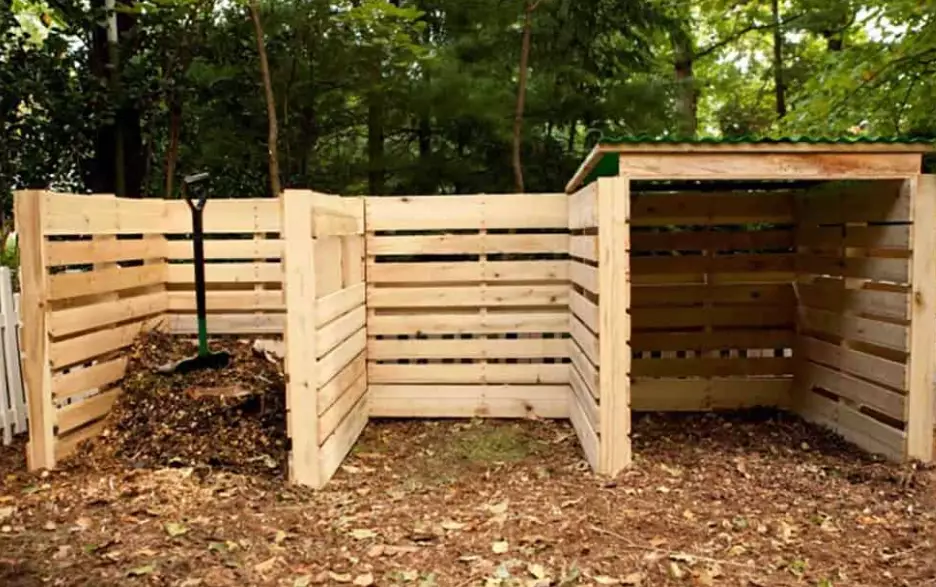
Step 1: Prep Your Pallets
Inspect each pallet. Remove any nails sticking out—I use a hammer to pound them flat. If a pallet is too wide, you might need to cut it down, but most standard pallets (48x40 inches) work as-is. Give them a quick brush to remove dirt; no need to sand unless you're going for looks.
Time: about 30 minutes.
Step 2: Assemble the Frame
Lay out three pallets in a U-shape on level ground. Screw them together at the corners using the 3-inch screws. Pre-drill holes to avoid splitting the wood—this is crucial, as pallet wood is often brittle. I didn't pre-drill once, and the wood cracked, wasting a pallet.
For the back, add a fourth pallet if you want a taller bin, but three sides are enough for starters. My first bin was three-sided, and it worked fine for a small garden.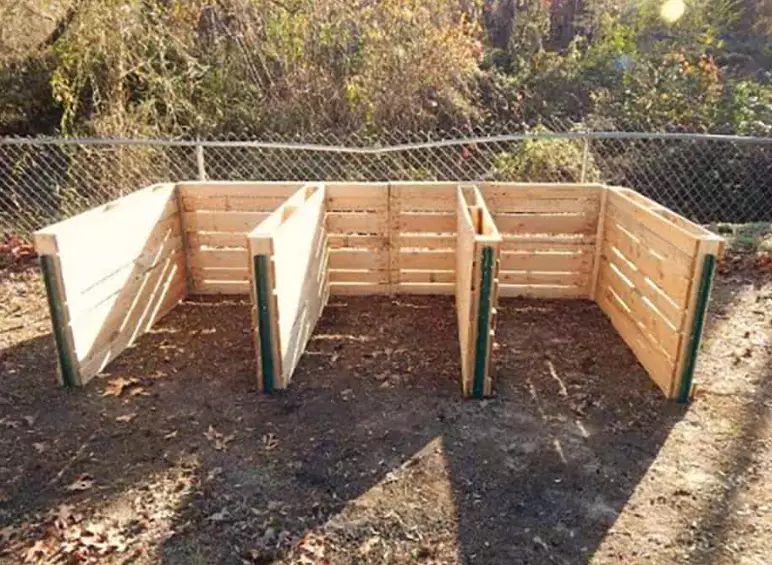
Step 3: Add the Front Door
Take another pallet and attach hinges to one side, then screw it to the front opening. This creates a door you can swing open for easy access. Add a latch to keep it shut. Some people skip the door and just remove slats, but that's messy—trust me, the door is worth it.
If you're using wire mesh, staple it to the inside walls now. It keeps out rodents but lets air flow.
Step 4: Ensure Ventilation
Wood pallets naturally have gaps, which is good for airflow. But if your pallets are tightly spaced, drill a few 1-inch holes in the sides near the top. Oxygen is key for composting; without it, things get smelly and slow.
I learned this from a local gardening club—their advice saved my bin from turning into a slimy mess.
Step 5: Final Touches
Place your bin in a shady spot, not directly on soil if you're worried about rot. I put mine on a bed of gravel for drainage. You're done! Start layering greens (kitchen scraps) and browns (dry leaves) right away.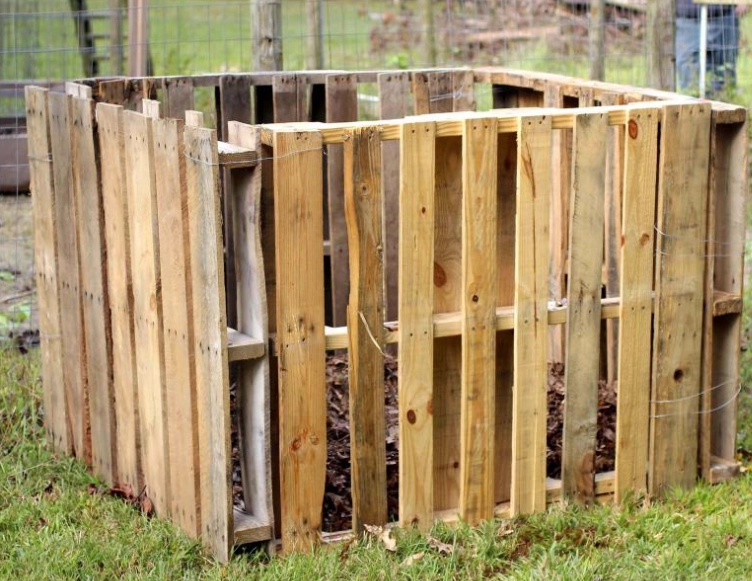
Using and Maintaining Your Bin
Building is half the battle; using it right matters more. Here's how I keep mine humming along.
Layering: Don't obsess over the perfect green-to-brown ratio. Aim for roughly 2 parts browns to 1 part greens by volume. If it smells bad, add more browns like shredded newspaper. I keep a bucket of leaves next to the bin for quick fixes.
Turning: Every two weeks, use a pitchfork to mix the pile. This aerates it and speeds up decomposition. My neighbor never turns his, and his compost takes a year—mine's ready in 3-4 months.
Moisture: The pile should feel like a wrung-out sponge. Too dry? Add water or more greens. Too wet? Add browns. In rainy seasons, I throw a tarp over the top to prevent sogginess.
Check for pests regularly. If you see flies, cover new scraps with a layer of soil or leaves. It's a simple trick that works better than chemicals.
Common Mistakes to Avoid
After helping friends build their bins, I've seen the same errors pop up. Let's dodge them.
- Using treated wood: As mentioned, avoid chemical-treated pallets. They can leach toxins into your compost, harming plants. Stick to HT-stamped ones.
- Poor location: Don't put the bin in full sun or a low-lying area. Sun dries it out; low spots collect water. A shaded, well-drained corner is ideal.
- Neglecting airflow: If you pack materials too tightly, decomposition stalls. Fluff the pile when you add new stuff.
- Adding meat or dairy: This attracts rodents and creates odors. Stick to plant-based scraps. I made this mistake early on—it took weeks to clean up.
One more thing: don't build too big. A bin larger than 3x3 feet is hard to turn. Start small, like mine at 4x3 feet, and expand if needed.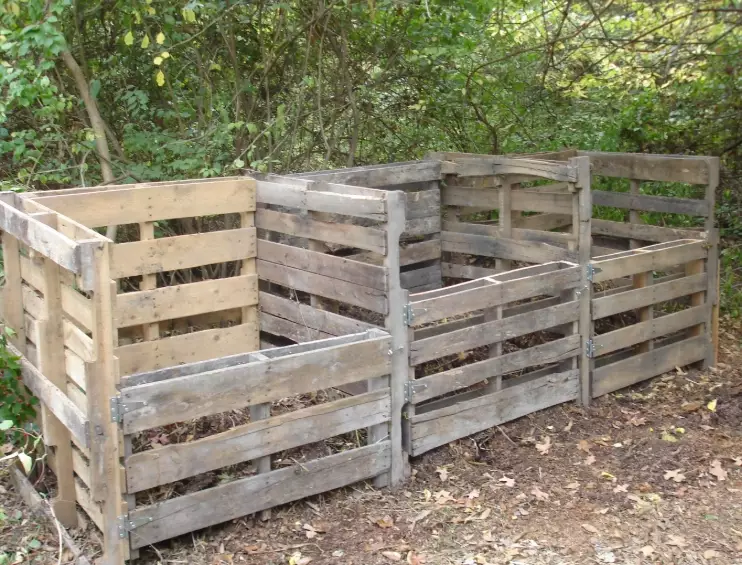
Your Questions Answered
Building a wood pallet compost bin isn't just about recycling—it's a hands-on way to connect with your garden. I still remember the first batch of compost I harvested; it felt like magic. Give it a shot, tweak as you go, and don't be afraid to make mistakes. That's how you learn. For more info, check out resources like the EPA's composting guide or local extension offices—they offer great tips tailored to your region.
Reader Comments