That pile of used coffee grounds you’re about to toss? Stop right there. You’re holding one of the easiest, most effective free fertilizers and soil conditioners you can get your hands on. I’ve been composting coffee grounds for over a decade in my backyard garden, and the difference in my soil’s texture and my plants’ vigor isn’t subtle. But here’s the kicker—most advice online gets a crucial detail wrong, leading to disappointing results or even harming plants. Let’s fix that and turn your kitchen waste into black gold.
What's Inside This Guide
Why Coffee Grounds Are a Composter’s Dream
Think of coffee grounds as a multi-vitamin for your compost pile. They’re not just one-trick ponies.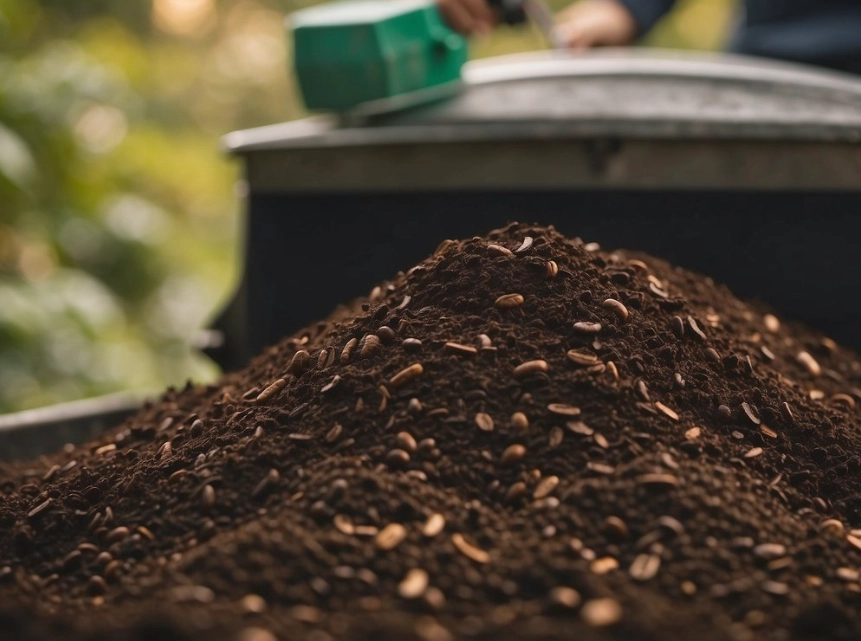
Nitrogen Boost: Classified as a “green” or nitrogen-rich material, they heat up your compost pile, feeding the microbes that break everything down. A cold, slow pile is often a nitrogen-starved pile.
Texture Transformer: This is my favorite part. Finished compost with coffee grounds has a crumbly, almost fluffy texture that heavy clay soils desperately need. It improves aeration and drainage. For sandy soil, it helps retain moisture.
Worm Magnet: If you vermicompost (worm bin), red wigglers go nuts for coffee grounds. It’s like a gourmet buffet for them, and they process it quickly into incredible castings.
Waste Diversion: The U.S. Environmental Protection Agency highlights food scraps and yard waste as significant portions of municipal solid waste. Tossing your grounds into compost keeps them out of landfills where they decompose anaerobically, producing methane.
My Personal Win: I have a raised bed dedicated to carrots. One season, I consistently mixed spent coffee grounds into the compost I used for that bed. The result? The most straight, deep-orange, sweet carrots I’d ever grown, with soil so loose I could pull them by hand. The contrast with my other beds was stark.
The Biggest Myth Debunked: Are They Really Acidic?
This is the most repeated piece of misinformation. Yes, the brewed coffee you drink is acidic. But the used grounds? Not so much.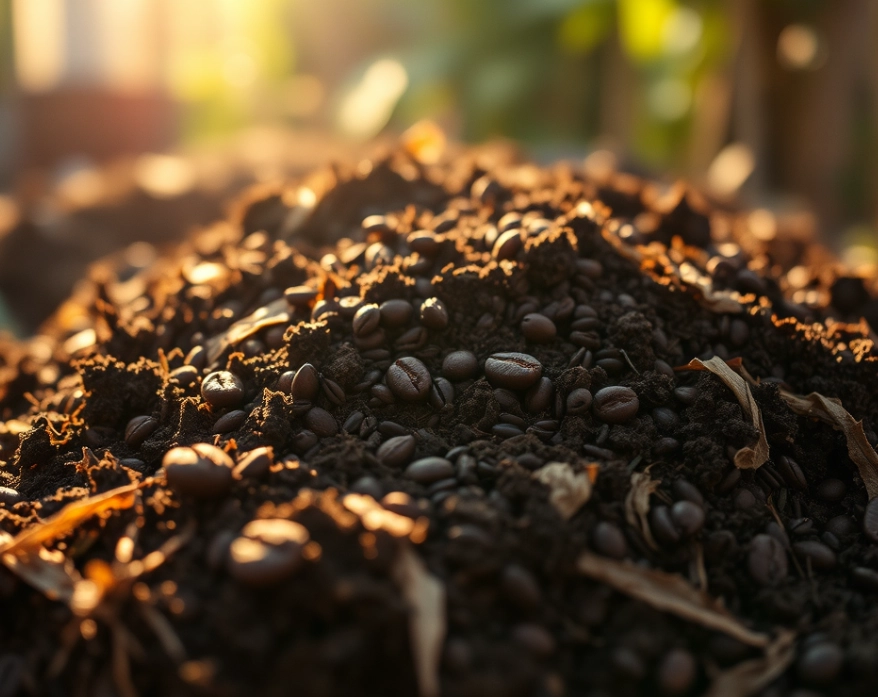
The brewing process leaches out most of the acidity. What’s left are grounds that are nearly neutral to slightly acidic on the pH scale. I’ve tested this myself with a soil pH meter—fresh grounds registered around 6.5, which is almost ideal for most vegetables.
The real issue isn’t pH; it’s allelopathy and moisture management. Fresh, wet grounds can form a dense, water-resistant crust that smothers soil and roots if applied too thickly. They also contain compounds that can temporarily inhibit seed germination and seedling growth if not composted first.
So, the old advice to “sprinkle them around your acid-loving blueberries” is only half-right. They won’t acidify the soil long-term, but the organic matter is still great for them. Rely on elemental sulfur or pine needles for real pH adjustment.
Step-by-Step: How to Compost Coffee Grounds Right
Method matters. Dumping a week’s worth of soggy grounds in one spot creates a slimy, smelly mess. Here’s how to integrate them seamlessly.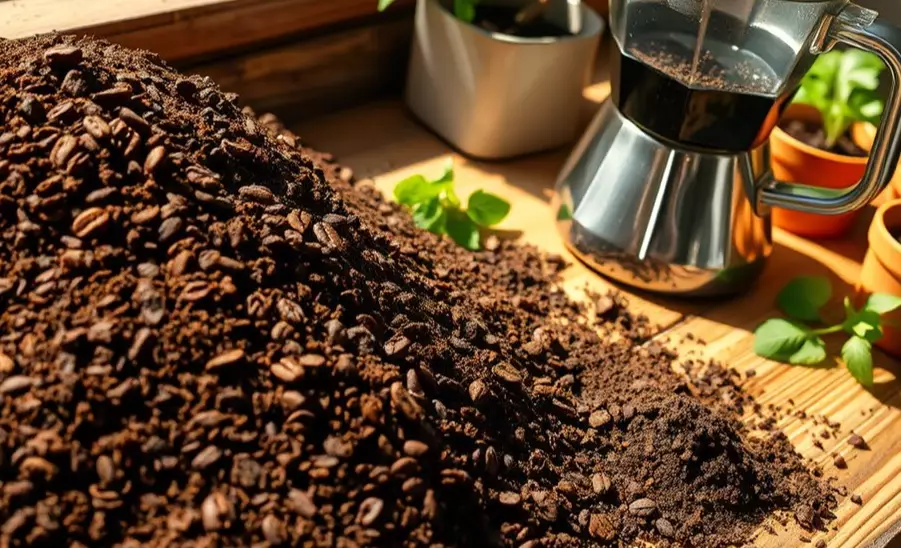
For a Traditional Compost Bin or Pile
Treat coffee grounds like any other green material. The key is mixing, not layering.
- Collect & Dry (Optional but Helpful): I keep a small bowl by the machine, then spread the day’s grounds on a baking sheet to dry overnight. This prevents mold in your kitchen container and makes them easier to handle. Dry grounds are also fluffier and mix better.
- The Mix-In Ritual: When you add your grounds to the pile, immediately cover them with a generous amount of “browns.” I grab two handfuls of shredded leaves, torn cardboard, or straw for every handful of grounds. Use a garden fork to turn and mix this new addition into the existing pile. This introduces air and prevents clumping.
- Filter Note: Paper filters can go right in—they’re a carbon source. Tear them up a bit. Mesh or cloth filters should be removed and cleaned.
For a Worm Bin (Vermicomposting)
Worms love coffee grounds, but moderation is crucial to avoid overheating their home.
Add only a thin layer (about half an inch) over one section of the bin at a time. Bury it under some bedding (shredded newspaper, coconut coir). This allows worms to migrate to it as they please. Never dump a whole container in—it can create hot spots that harm the worms.
The Lazy Gardener’s Method: Trench Composting
No bin? No problem. Dig a trench or hole about 12 inches deep in a future garden bed. Dump your daily grounds in, mix them with some soil or leaves right in the hole, and cover them back up. By planting time, they’ll be well on their way to decomposition. Rotate your trench locations each season.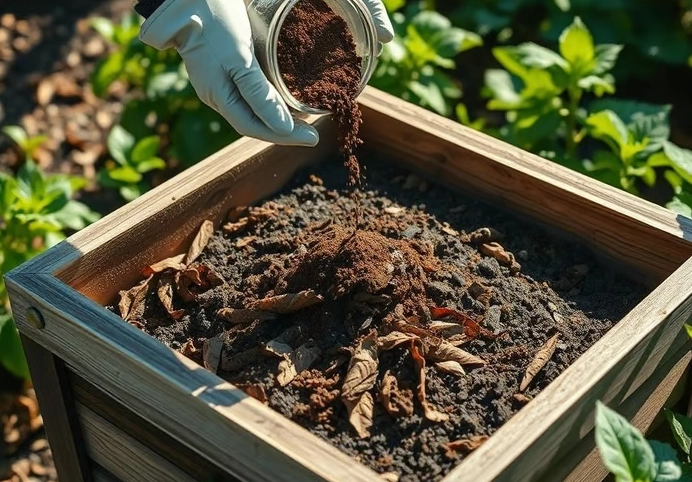
The Perfect Compost Recipe: Balancing Your Pile
Composting is about balancing nitrogen (greens) and carbon (browns). Coffee grounds are a potent green. Here’s a quick reference to keep your pile healthy and odor-free.
| Material Type | Examples (Carbon ‘Browns’) | Examples (Nitrogen ‘Greens’) | Pro Tip |
|---|---|---|---|
| High-Carbon (‘Browns’) | Dry leaves, straw, wood chips, shredded cardboard/newspaper, sawdust (untreated wood) | – | Always have a stash of shredded leaves or cardboard next to your bin for quick covering. |
| High-Nitrogen (‘Greens’) | – | Coffee grounds, fresh grass clippings, vegetable scraps, garden weeds (no seeds) | Mix greens thoroughly into the pile; never let them sit in a dense layer on top. |
| To Use Sparingly/Avoid | Glossy/colored paper, pine needles (slow) | Meat, dairy, oily foods, diseased plants, pet waste | Dairy and meat attract pests and can create odors. Stick to plant-based scraps for simplicity. |
A simple rule I follow: for every bucket of kitchen scraps (greens), I add at least two buckets of browns. Coffee grounds count as part of that green bucket. If your pile smells like ammonia or rot, you need more browns. If it’s not heating up, add more greens (like coffee grounds).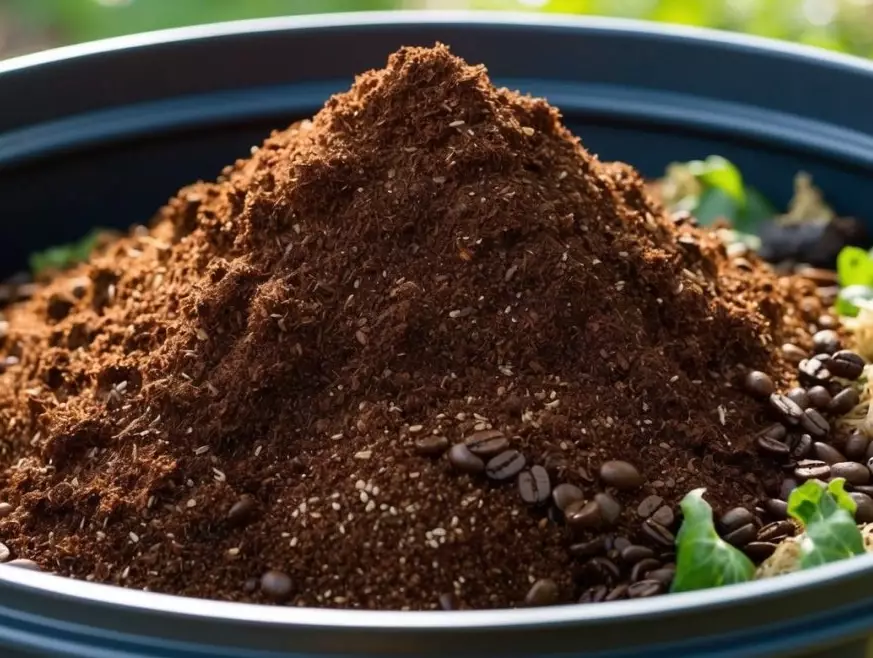
Can You Use Them Directly in the Garden? (Spoiler: Carefully)
Yes, but it’s an advanced move with risks. I don’t recommend it for beginners or for large amounts.
As a Thin Mulch: You can sprinkle a very thin layer (less than 1/2 inch) around established plants, keeping it away from stems. Immediately scratch it lightly into the topsoil or cover it with another mulch like wood chips. This prevents crust formation.
In Planting Holes: For heavy feeders like tomatoes or roses, I’ll sometimes mix a small handful of well-composted grounds into the backfill soil at the bottom of the planting hole. It’s a tiny nutrient boost right at the root zone. Never use fresh grounds for this.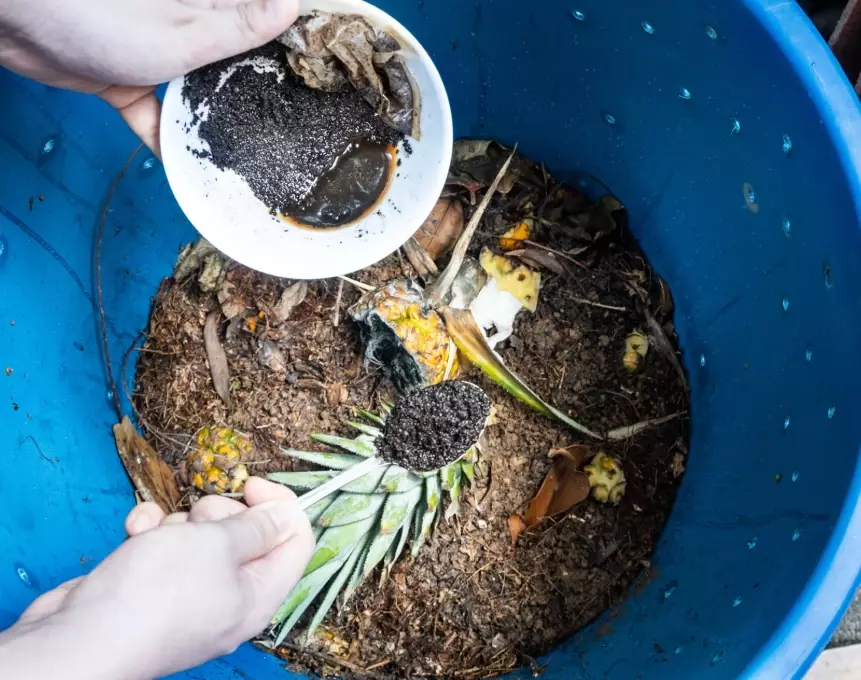
Direct Application Pitfall: The worst mistake I ever made was spreading a thick, damp layer of fresh grounds around some young lettuce as a slug deterrent. It worked for slugs, but within days the grounds formed a hardpan. The lettuce yellowed and stalled. I had to carefully scrape it all away. Lesson learned: compost first, or use sparingly and mixed in.
Plants That Generally Like It: Roses, blueberries, azaleas, rhododendrons, carrots, radishes. They appreciate the organic matter and slight nitrogen.
Use With Caution: Around seedlings or recently germinated seeds. The allelopathic compounds can stunt them.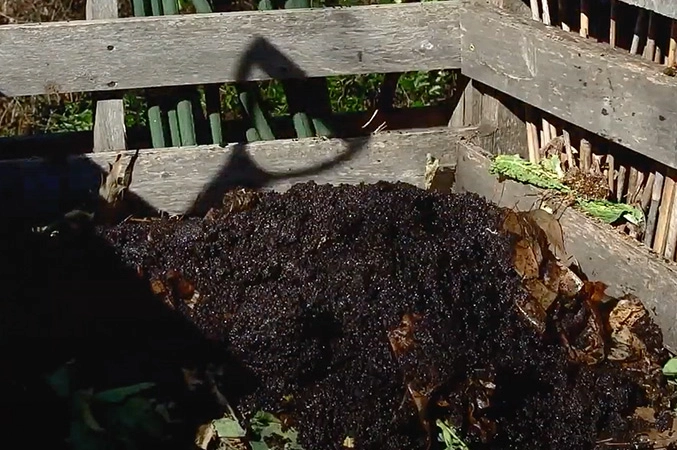
Your Top Coffee Grounds Questions, Answered
The bottom line is simple: stop throwing away your coffee grounds. With a little know-how—specifically, mixing them with enough carbon-rich browns—you can transform this daily waste into a powerful tool for building healthier soil and a more resilient garden. It’s a small habit with a profound impact, closing the loop right in your backyard.
Reader Comments