Let's cut to the chase. The single biggest mistake I see new gardeners make with raised vegetable beds isn't the wood they choose or the location—it's filling them with the wrong stuff. You can build the most beautiful cedar box, position it for perfect sun, and plant the finest heirloom seeds, but if your soil isn't right, you're setting yourself up for a season of frustration. Good soil for raised veg beds isn't just dirt; it's a living, breathing ecosystem you build from scratch. And getting it wrong is expensive, both in cash and effort. I learned this the hard way my first season, dumping bag after bag of cheap topsoil into my beds, only to watch my plants struggle in what became a dense, soggy brick by July.
What's Inside This Guide?
- Why Your Raised Bed Soil Choice Is Critical
- The "Perfect" Raised Bed Soil Recipe (And Variations)
- A Deep Dive Into Every Soil Ingredient
- Top 3 Costly Soil Mistakes to Avoid
- How to Actually Fill Your Raised Beds (The Smart Way)
- Keeping Your Soil Alive: Year-Round Maintenance
- Your Raised Bed Soil Questions, Answered
Why Your Raised Bed Soil Choice Is Critical
Raised beds are a different beast than in-ground gardens. They drain faster, warm up quicker in spring, and are isolated from your native soil (which might be heavy clay, pure sand, or contaminated). This is their advantage, but also their vulnerability. The soil mix you put in has to do all the work—providing structure, nutrients, water retention, and aeration in a confined space. A poor mix will compact, drown roots, or become hydrophobic, repelling water. A great mix feels light and crumbly, holds moisture without being wet, and is teeming with microbial life. Think of it as building the foundation of a house. Skimp here, and everything built on top is unstable.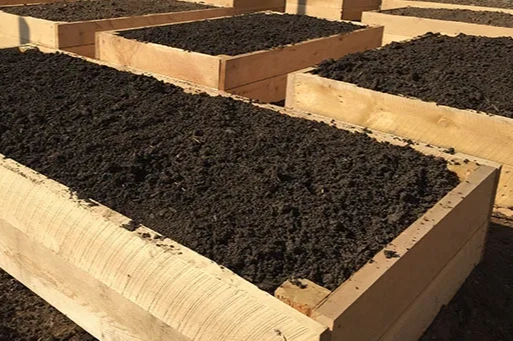
The "Perfect" Raised Bed Soil Recipe (And Variations)
Forget the vague advice. After a decade of trial and error, here's the baseline recipe I recommend to everyone starting out. It's a balanced, productive mix that works for most vegetables.
- High-Quality Compost: Your nutrient and biology engine.
- Sphagnum Peat Moss or Coconut Coir: For moisture retention and fluffiness.
- Aeration Material: Such as coarse horticultural sand, perlite, or vermiculite.
But gardens aren't one-size-fits-all. Your local climate and water habits should tweak the formula.
| Your Situation | Recommended Tweak to the 1:1:1 Recipe | Reasoning |
|---|---|---|
| Hot & Dry Climate (Arizona, Southern California) | Increase peat moss/coir to 1.5 parts. Consider adding water-retaining crystals. | You need the mix to hold moisture longer between waterings. |
| Cool & Wet Climate (Pacific Northwest, UK) | Increase aeration material (perlite/sand) to 1.5 parts. Use bark fines for extra drainage. | Prevent waterlogging and improve soil warmth in spring. |
| Heavy-Feeding Crops (Tomatoes, Corn, Squash) | Boost the compost portion to 1.5 parts. Add a slow-release organic fertilizer at filling. | These plants are hungry and need sustained nutrient availability. |
| On a Tight Budget | Use the "Mel's Mix" principle: 1/3 compost, 1/3 peat moss, 1/3 vermiculite. Source compost locally in bulk. | Vermiculite is often cheaper than sand/perlite and retains nutrients well. |
A Deep Dive Into Every Soil Ingredient
Let's unpack what you're actually buying. Not all compost is created equal.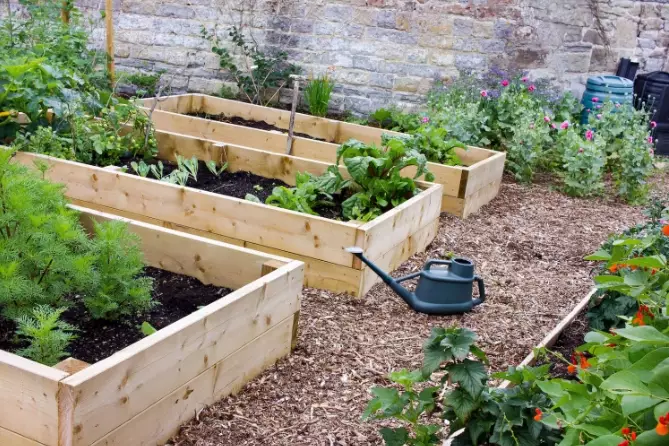
Compost: The Heart of the Matter
This is non-negotiable. It feeds plants and feeds the soil life that feeds your plants. My strong preference is for well-screened, locally produced compost from yard waste facilities. It's often cheaper than bagged and more diverse. Bagged mushroom compost is great but can be alkaline. Homemade compost is gold, but ensure it's fully broken down. A sneaky tip? Mix two different types of compost (e.g., fungal-dominant leaf mold with bacterial-dominant manure compost) for a more balanced soil food web.
Peat Moss vs. Coconut Coir: The Moisture Manager Debate
Peat moss is the traditional choice. It's acidic, holds many times its weight in water, and is widely available. The environmental concerns around peat harvesting are valid. A sustainable alternative is coconut coir. It has a near-neutral pH, rewets easier if it dries out completely, and is a byproduct. The catch? It often comes compressed in bricks and requires soaking and fluffing, which is a workout. For most gardeners, coir is a fantastic, eco-friendlier swap. If you're growing acid-lovers like blueberries, stick with peat.
Aeration Materials: Giving Roots Room to Breathe
This is where many DIY mixes fail. You must add something chunky to prevent compaction.
- Coarse Horticultural Sand (not builder's sand!): Heavy, cheap, provides excellent drainage and weight. Best for windy areas or top-heavy plants.
- Perlite: Those white popcorn-like bits. Super lightweight, improves aeration dramatically, neutral pH. Can float to the top over time. My go-to for container mixes.
- Vermiculite: Holds both water and air, and retains nutrients (cation exchange capacity). More expensive but a premium choice for moisture management.
Top 3 Costly Soil Mistakes to Avoid
I've made these so you don't have to.
Mistake #1: Using Pure Topsoil or Garden Soil. This is the cardinal sin. Bagged "garden soil" is often too dense for raised beds. It will compact into concrete, suffocating roots. Raised beds need a potting mix mentality—light and fluffy.
Mistake #2: The "Lasagna" Bottom Layer. The old advice was to put logs, leaves, or grass clippings at the bottom of a deep bed to fill space. In my experience, this creates a sinking, anaerobic mess as it decomposes unevenly. It's better to just build a shallower bed and fill it entirely with good mix.
Mistake #3: Ignoring pH. Most veggies like a slightly acidic to neutral pH (6.0-7.0). Peat moss is acidic (4.0-4.5). If your compost is alkaline, you might be fine. If not, you may need to add garden lime to sweeten the mix. A simple $10 soil test kit is worth its weight in harvest.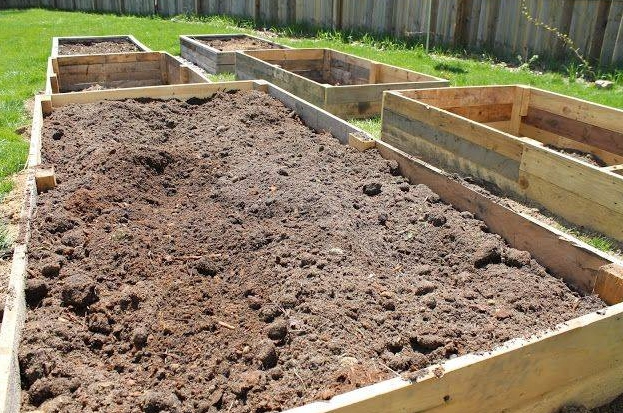
How to Actually Fill Your Raised Beds (The Smart Way)
Don't just dump and stir. Do it on a tarp beside the bed. Measure your parts by the bucket (a 5-gallon bucket is about 0.66 cubic feet). Dump out your piles of compost, peat/coir, and aeration material. Use a shovel or your hands to mix them thoroughly on the tarp—you want a homogeneous blend, not layers. Then shovel the mix into the bed. Don't walk on it! Gently level it, water it well to settle, and top it off if needed. Now you're ready to plant.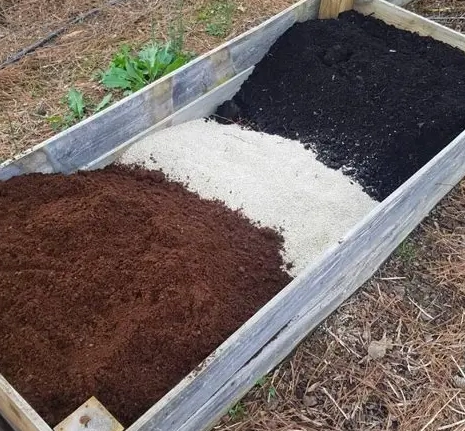
Keeping Your Soil Alive: Year-Round Maintenance
Your soil isn't a one-time purchase. It's a living thing that gets eaten (by plants). Every fall, after pulling plants, I top-dress with a 1-2 inch layer of fresh compost. This replenishes organic matter and nutrients. In spring, a light fork-over (not deep tilling) to loosen the top few inches is all you need. Consider planting a cover crop like winter rye in empty beds to protect and nourish the soil. I also add a balanced organic granular fertilizer (like a 5-5-5) at the start of each main planting season to keep nutrient levels robust. The University of California's Integrated Pest Management program has excellent resources on sustainable soil management practices worth checking out.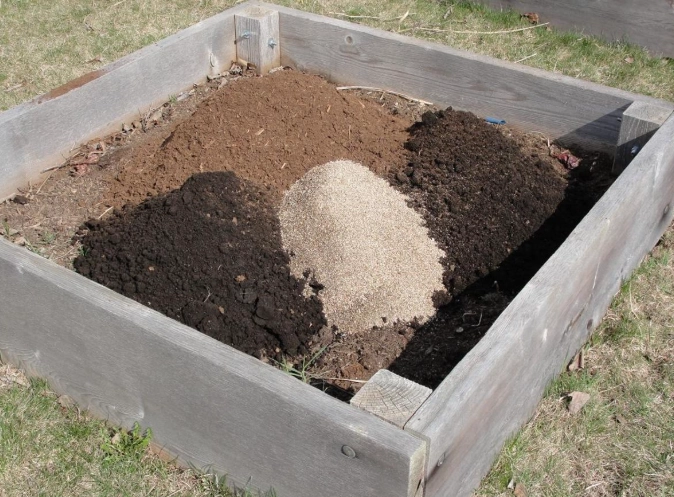
Reader Comments