You're looking at that empty garden bed, packet of asparagus crowns in hand, and the big question hits: how long until I'm eating my own spears? The short, frustrating answer is longer than you want. Most sources will give you the textbook "2-3 years from planting," but that's like saying a road trip takes "some hours." It's not wrong, but it misses all the details that determine if your journey ends in a bumper crop or a weedy patch of disappointment.
I've grown asparagus for over a decade, and I've seen the full cycle—from the eager first-year planting to the decadent glut of a mature bed. The timeline isn't just a waiting game; it's a series of specific actions and checkpoints. Getting it right means decades of harvests. Getting it wrong means you've wasted years on a perennial that never performs.
What You'll Learn in This Guide
The Asparagus Timeline, Year by Year
Forget vague promises. Here's what actually happens in your asparagus patch, broken down into the critical phases. This assumes you're starting with healthy, dormant crowns (the root systems), which is the most common and reliable method.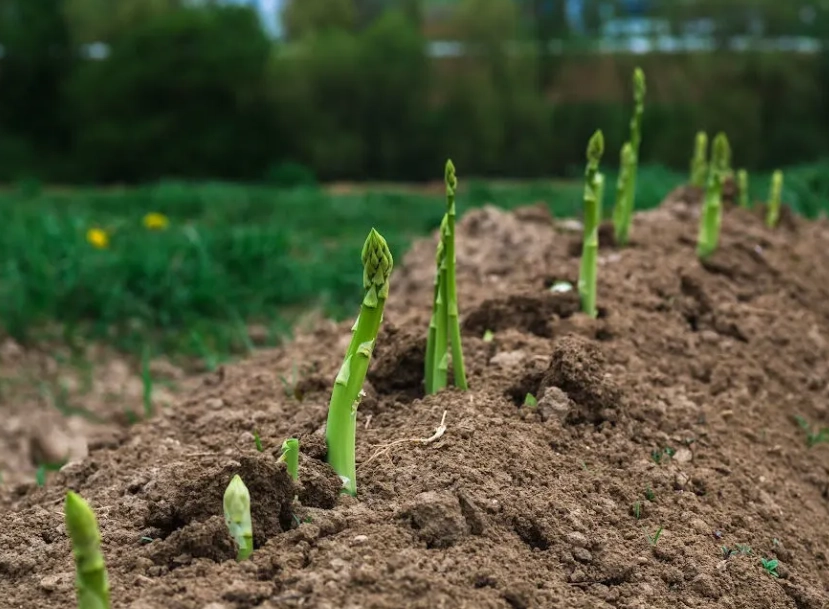
Year 1: The Establishment Phase (All Investment, No Return)
This is the year you plant your crowns, typically in early spring as soon as the soil is workable. You'll dig a trench, set the crowns in, and cover them. Ferns (the tall, feathery foliage) will grow vigorously all summer. You do not harvest a single spear. Not one. It's a test of willpower.
The goal here isn't food; it's photosynthesis. Those ferns are solar panels, pumping energy down into the crown to build massive root and storage reserves for future years. Cutting spears now steals that energy. By fall, the ferns will turn yellow and brown. You'll cut them down to the ground after the first hard frost to discourage pests.
What you're really doing this year is setting the foundation. A crown I planted in April will have, by October, developed a sprawling root network and several new buds ("eyes") for next year's spears. The health of this underground system dictates everything that follows.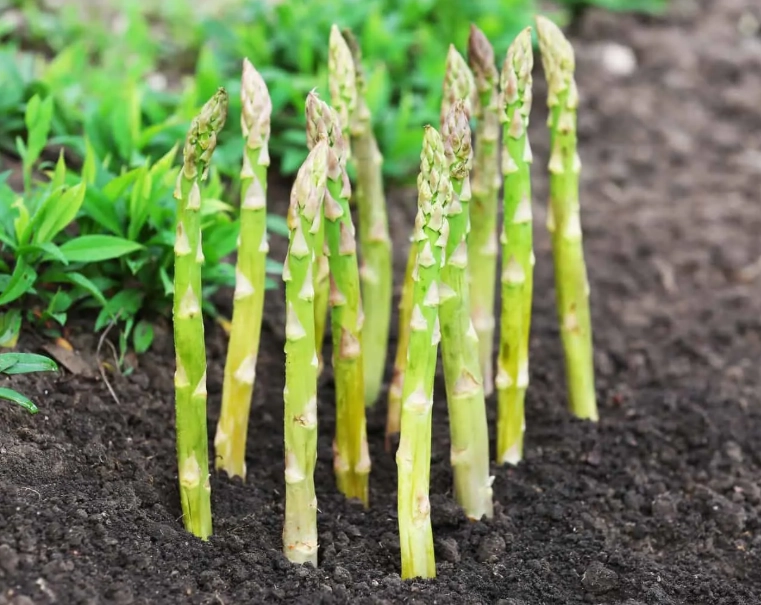
Year 2: The Test Harvest (A Glimmer of Hope)
Spring of the second year, you'll see more and slightly thicker spears emerge. The conventional wisdom says you can take a light harvest for 2-3 weeks. I'm more conservative. I tell gardeners to snap off 3-4 of the very first, fattest spears from each crown, then let the rest grow into ferns.
Why? That initial "taste" is psychologically huge—it proves you're on the right track. But stopping early ensures the plant still dedicates the vast majority of its energy to further root expansion. This year's fern growth will be even taller and bushier than Year 1. The crown is maturing, but it's still a teenager, not an adult.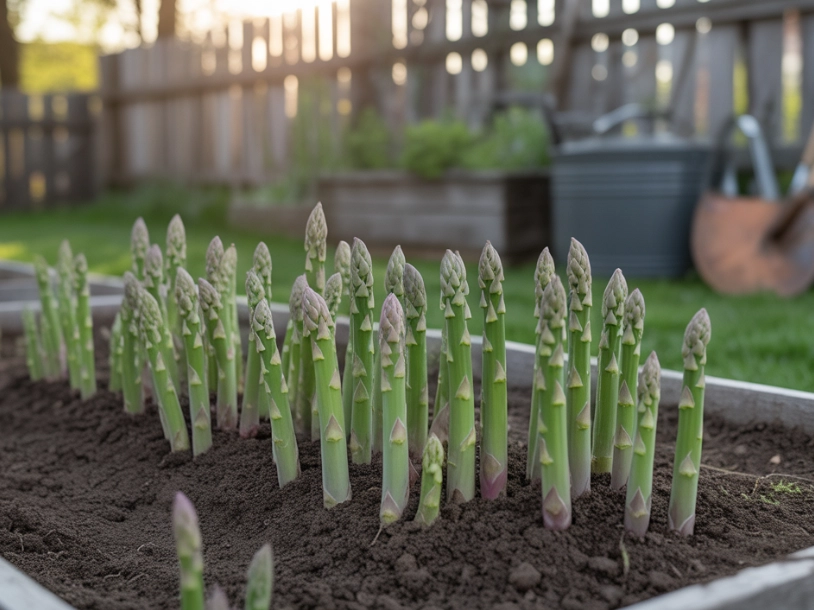
Year 3 and Beyond: The Payoff Begins
This is it. The third spring after planting is when you start a full harvest season, which typically lasts 6-8 weeks. You'll harvest spears every day or two when they're 6-8 inches tall. The bed starts to look and feel like the commercial asparagus you imagine.
The harvest window isn't fixed by the calendar. You stop when the spears that emerge are consistently pencil-thin or thinner. That's the plant's signal that its stored energy is running low, and it's time to switch back to fern production to recharge.
From Year 4 onward, a well-maintained bed hits its peak productivity and can produce abundantly for 15 years or more. The timeline shifts from establishment to maintenance: annual fertilizing, diligent weeding, and proper fern management each fall.
How Your Planting Decisions Change the Clock
The "2-3 year" baseline isn't set in stone. Your starting choices can shorten or lengthen the runway to your first real harvest.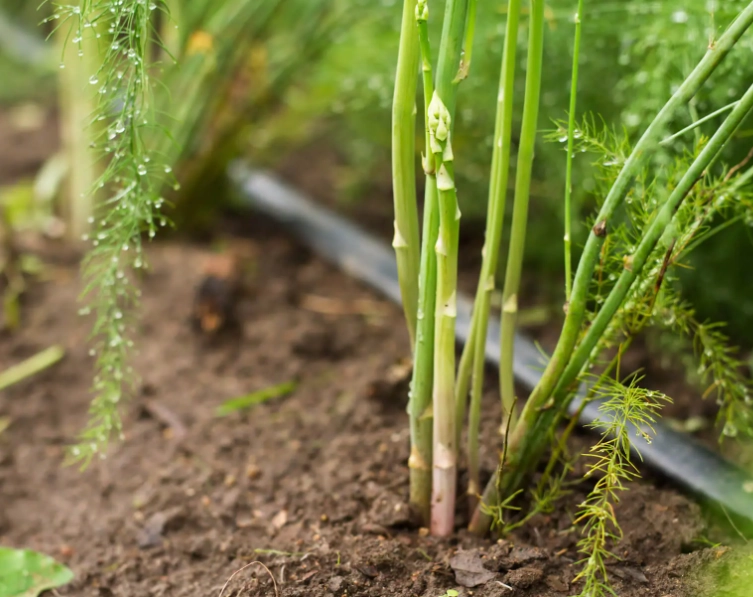
| Starting Method | Typical Time to First Significant Harvest | Pros & How It Affects Timeline | My Recommendation |
|---|---|---|---|
| 1-Year-Old Crowns (Most common) | Year 3 (Spring) | Best balance of cost, establishment speed, and availability. They have enough energy to grow strong ferns in Year 1. | Yes. The go-to for most home gardeners. Buy from a reputable nursery. |
| Seeds | Year 4 (or even 5) | Much cheaper, allows for unique varieties. Adds a full extra year (or more) of seedling growth before the "Year 1" establishment phase even begins. | Only for the ultra-patient or those wanting to grow a large quantity. It's a marathon. |
| 2-Year-Old ("Jumbo") Crowns | Year 2 (Light) / Year 3 (Full) | More expensive, but gives you a head start. They are larger with more stored energy, potentially leading to a slightly more robust Year 2 test harvest. | Good option if you can find them and budget allows, but not a magic bullet. Still requires the Year 1 no-harvest rule. |
There's a persistent myth that planting deeper crowns gets you harvests faster. It doesn't. Planting too deep actually stresses the crown and can delay emergence. The right depth (about 6-8 inches of soil over the crown in a trench) is about long-term health, not speed.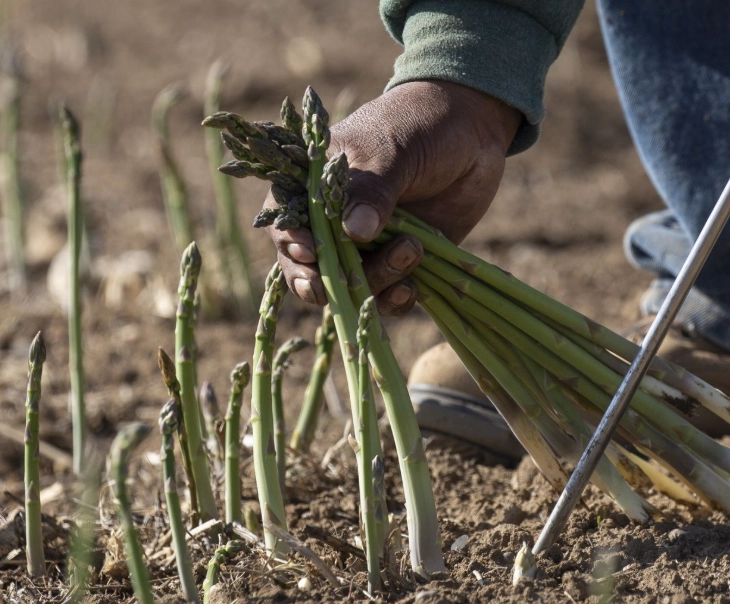
Expert Tips for a Faster, Healthier Start
You can't cheat the asparagus timeline, but you can optimize every step to ensure your plants develop as vigorously as possible within it. A stronger plant in Year 2 means a more productive plant in Year 3.
Soil is Everything, and I Mean Everything. Asparagus is a heavy feeder that will sit in the same spot for decades. The single biggest accelerator is soil preparation before planting. Don't just dig a hole. Amend the entire bed.
- Dig Deep: Loosen the soil at least 12-18 inches down.
- Feed Generously: Mix in a staggering amount of compost—think several inches worked into the entire bed. Add a balanced, slow-release organic fertilizer or a phosphorus-heavy one to promote root growth (bone meal is a classic). Aim for a soil pH between 6.5 and 7.0.
The First Summer's Job: Fern Maximization. Your only metric for success in Year 1 is the size and health of the ferns. Protect them.
- Water Consistently: 1-2 inches per week, especially during dry spells. Deep watering encourages deep roots.
- Weed Relentlessly: Asparagus hates competition, especially from perennial grasses. A thick layer of straw or shredded leaf mulch after planting suppresses weeds and retains moisture.
- Stake Tall Ferns: If they flop over, they get less sun and are prone to disease. Use tomato cages or simple stakes and twine.
Common Mistakes That Add Years to Your Wait
These are the subtle errors that don't kill your plants but put them behind schedule, stretching that 3-year wait into 4 or resulting in a perpetually weak bed.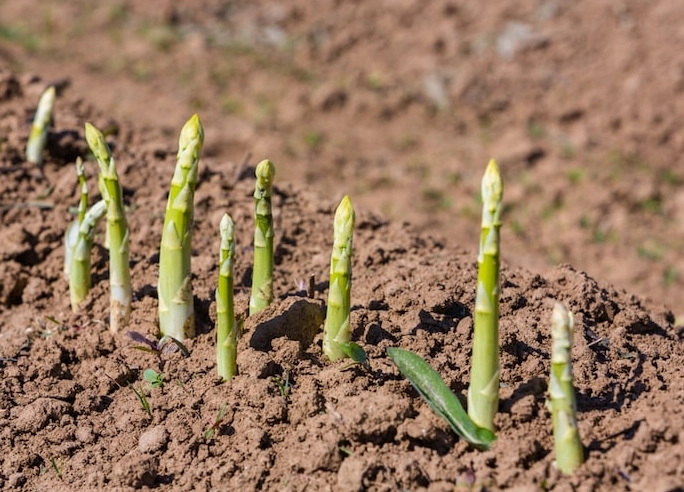
Harvesting Too Early or Too Hard in Year 2. The temptation is real. But harvesting for a full month in the second year is like making a middle-schooler work a full-time job—it stunts their growth. A light, symbolic harvest is fine. A greedy one compromises the crown's development, delaying peak productivity.
Neglecting the Ferns. Letting the ferns get battered by wind, eaten by insects, or choked by weeds directly reduces the energy sent to the roots. The fern is the engine. A weak fern season means a weaker spear season the next spring.
Under-Fertilizing. Asparagus is not a low-maintenance plant when it comes to food. That decades-long lifespan requires annual replenishment. A top-dressing of compost and a balanced fertilizer each spring, after harvest, is non-negotiable for maintaining yield. Skipping it leads to a gradual decline in spear size and number.
Cutting Ferns Down Too Early in the Fall. Wait until they are fully yellow/brown and have been killed by frost. Cutting green ferns short-circuits the final nutrient transfer back to the roots.
Your Asparagus Timeline Questions, Answered
I see asparagus sold in grocery stores in the fall. Can I harvest mine then?
No. Those are spears from commercial farms in the Southern Hemisphere (like Peru). Your plant's cycle is dictated by local seasons. Spears only emerge in spring from the stored energy of the previous year's ferns. Cutting spears in the fall would come from that year's energy reserves, devastating the plant and likely killing it.
My asparagus bed is 5 years old but the spears are still skinny. What went wrong?
This is a classic sign of chronic underfeeding or overcrowding. The crown may not have built sufficient reserves. First, get a soil test. You likely need phosphorus and potassium. Second, ensure you're not harvesting for too long each spring—stop when spears thin. Third, consider if the bed is too crowded; crowns eventually need about 18 inches of space. You might need to carefully divide and replant some crowns with massive amounts of fresh compost.
Is it true that male plants produce more than female plants?
Yes, and this is a crucial detail often glossed over. Female asparagus plants produce red berries, which requires significant energy. Male plants dedicate all their energy to spear and root production. All-male hybrid varieties like 'Jersey Knight' or 'Millennium' can produce 30-50% more spears than standard mixed-gender varieties. Starting with these hybrids is one of the smartest ways to ensure a heavier harvest once your bed matures.
How do I know exactly when to start and stop harvesting each spring?
Start when spears are about the thickness of your index finger and 6-8 inches tall. The stop date isn't on the calendar; it's when the spears coming up are consistently thinner than a pencil. This usually happens 6-8 weeks after you start. Forcing the plant to produce spears past this point depletes it for next year. According to the University of Minnesota Extension, the harvest season length should also scale with the bed's age—shorter for younger beds, longer for established ones.
Can I speed things up by fertilizing more in the first year?
Be careful. A rich soil at planting is key, but over-applying high-nitrogen fertilizer in the first summer can cause excessive, weak fern growth that's prone to disease and doesn't store energy as efficiently. Focus on a balanced, slow-release fertilizer at planting and rely on compost. The goal is steady, robust growth, not a explosive, green rush.
The timeline for growing asparagus is a lesson in delayed gratification and intelligent investment. It's not a quick crop. It's a perennial partnership. Those first two years of careful stewardship—the meticulous planting, the diligent weeding, the patient watching—are your down payment. The return is a spring ritual that can last for most of your gardening life: walking out to your bed with a knife and coming back minutes later with the sweetest, crispest asparagus you'll ever eat. You don't just grow asparagus; you cultivate a legacy in your garden.
Reader Comments