Pruning is simply cutting parts of a plant away, but doing it right transforms your garden. I've seen too many gardeners hack away at shrubs out of frustration, only to stunt growth or kill the plant. If you understand why and how to prune, you'll get healthier plants, more flowers, and better harvests. Let's dive in.
What You’ll Learn in This Guide
What Is Pruning?
Pruning is the selective removal of plant parts like branches, buds, or roots. It's not just about making things look neat—it's a strategic intervention. Think of it as giving your plant a haircut that directs its energy. You remove dead, diseased, or overgrown bits to improve structure and health.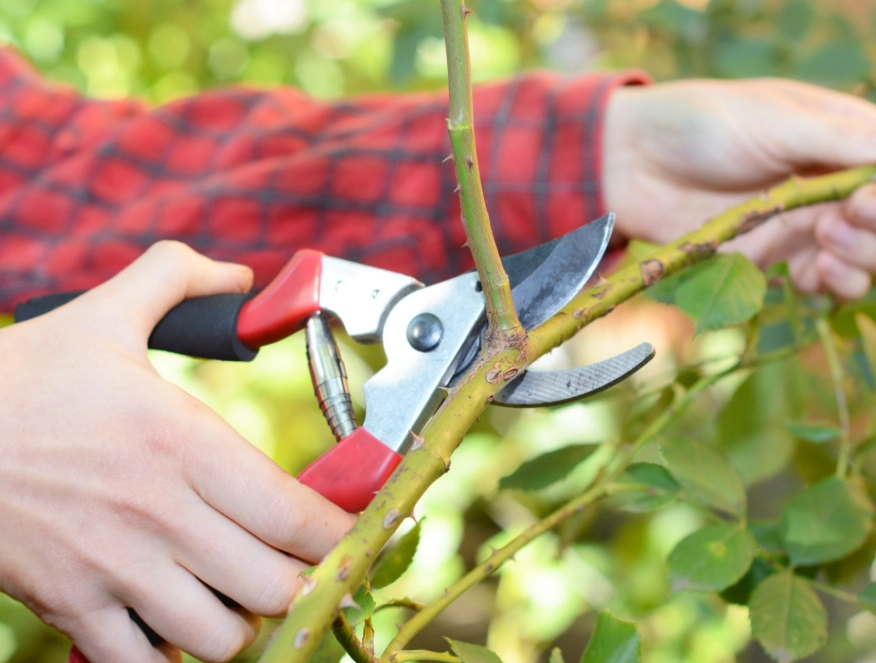
Many beginners confuse pruning with shearing. Shearing is trimming the surface for shape, often used on hedges. Pruning goes deeper, targeting specific stems. The Royal Horticultural Society notes that proper pruning balances growth and fruiting, something shearing can't achieve.
Key point: Pruning is proactive gardening. It prevents problems rather than just fixing them. I learned this the hard way when I ignored my apple tree for years; it became a tangled mess that took seasons to correct.
Why Prune Plants?
Why bother? If you don't prune, plants often grow wild, becoming susceptible to disease and producing less. Here are the core benefits:
- Health: Removes dead or infected wood, stopping pests like borers. It improves air circulation, reducing fungal issues.
- Growth Control: Keeps plants at a manageable size. No more bushes blocking windows.
- Better Flowering and Fruiting: Directs energy to productive branches. For example, pruning roses encourages more blooms.
- Safety: Eliminates weak branches that could fall in storms.
A study from the University of California Cooperative Extension highlights that regular pruning can increase fruit yield by up to 30% in crops like peaches. It's not just aesthetics—it's productivity.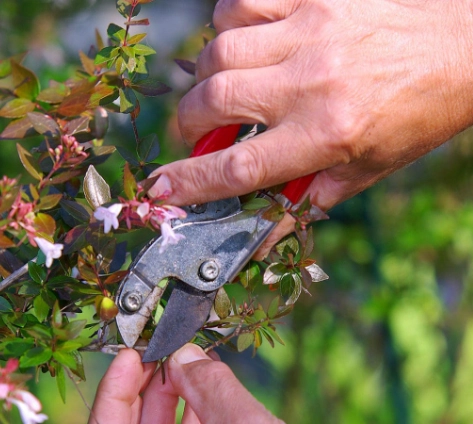
When to Prune Plants?
Timing is everything. Prune at the wrong time, and you might cut off next year's flowers or invite frost damage. Here's a simple breakdown:
Late Winter to Early Spring: Best for most deciduous trees and shrubs. They're dormant, so cuts heal fast. Examples: maples, roses, fruit trees.
After Flowering: For spring bloomers like lilacs or forsythia. If you prune in winter, you'll remove flower buds. Wait until the blooms fade.
Summer: Good for shaping evergreens or slowing growth on vigorous plants. Avoid heavy pruning in late summer—it can spur tender growth that frost kills.
Fall: Generally a bad time. Pruning can stimulate growth when plants should be hardening off for winter. Exceptions include removing dead wood.
I messed this up with a hydrangea once. I pruned it in fall, and it didn't flower the next year. Lesson learned: know your plant's cycle.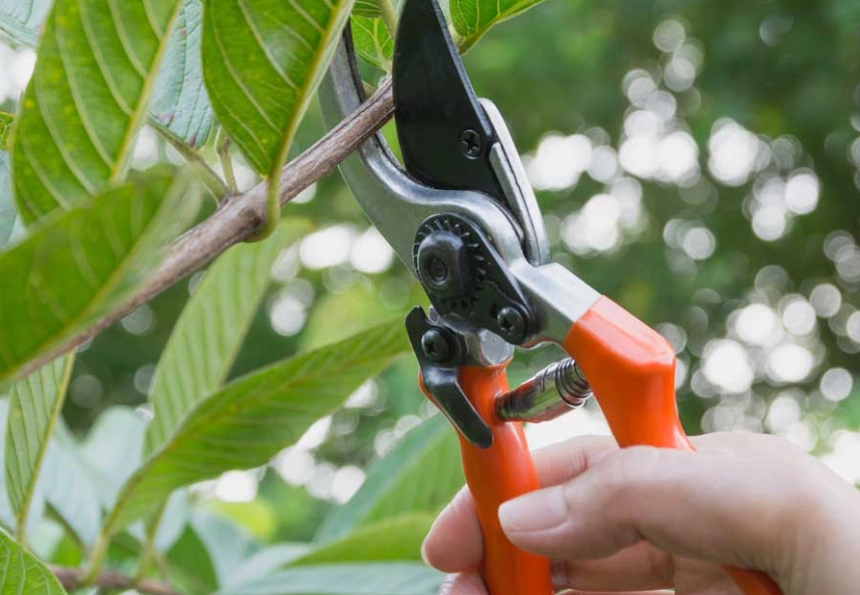
How to Prune Plants: Step-by-Step
Let's get practical. Here's a universal method I've refined over a decade:
Step 1: Assess the Plant
Walk around it. Identify dead branches (brittle, no leaves), crossing branches (rubbing causes wounds), and the overall shape you want. Don't just start cutting.
Step 2: Use the Right Cut
Always cut just above a bud or branch collar at a slight angle. This helps water run off and promotes healing. Avoid leaving stubs—they rot.
Step 3: Thin vs. Head Back
Thinning: Remove entire branches back to the main stem. Opens up the plant. Use for overcrowded areas.
Heading Back: Shorten branches by cutting to a bud. Encourages bushier growth. Good for hedges.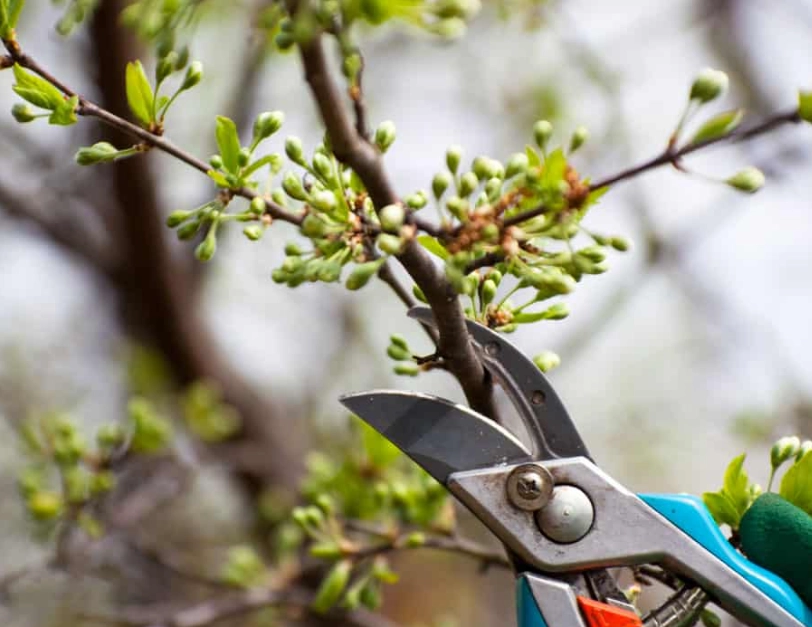
For most plants, thin first to improve structure, then head back if needed.
Step 4: Clean Up
Remove all cuttings to prevent disease spread. Disinfect tools between plants, especially if you cut diseased wood.
This process works for everything from small perennials to large trees. Start small—prune no more than 25% of a plant at once to avoid shock.
Common Pruning Mistakes
Even experts slip up. Here are pitfalls I've seen:
- Over-pruning: Taking too much at once stresses the plant. It can lead to sunscald or weak growth.
- Using Dull Tools: Crushes stems instead of clean cuts. Invest in a sharp pair of bypass pruners.
- Ignoring Plant Type: Pruning a spring bloomer in winter. Research each species.
- Topping Trees: Cutting the top off to reduce height. It's a disaster—creates weak, ugly growth. Never do it.
A neighbor topped his oak tree; it looked awful and attracted pests. Proper thinning would have been safer.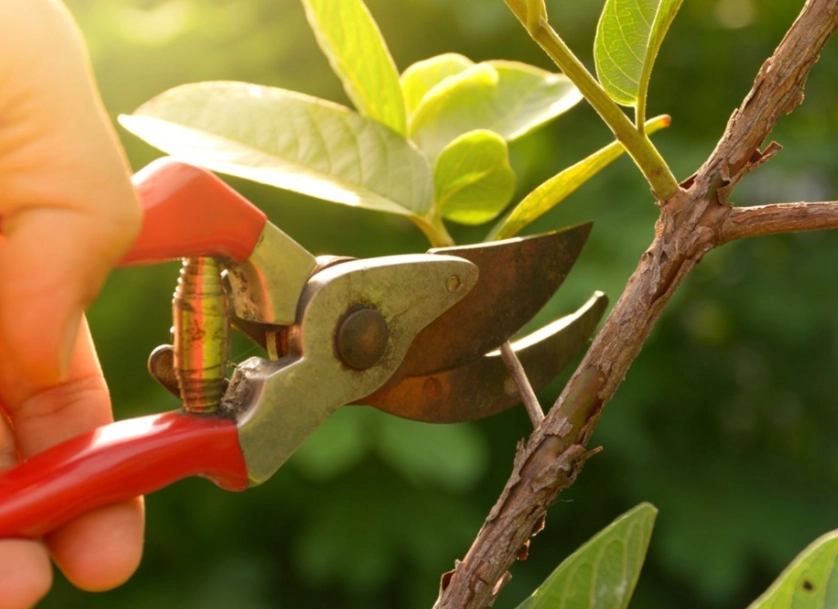
Tools for Pruning
The right tools make the job easier and cleaner. Here's a table of essentials:
| Tool | Best For | Brand Recommendation | Price Range |
|---|---|---|---|
| Hand Pruners (Bypass) | Stems up to 3/4 inch thick, precise cuts | Felco or Corona | $30 - $60 |
| Loppers | Branches 1 to 2 inches thick, more leverage | Fiskars or Tabor Tools | $40 - $80 |
| Pruning Saw | Branches over 2 inches, curved blade for easy cutting | Silky or Bahco | $50 - $100 |
| Hedge Shears | Shaping hedges and shrubs, not for thick stems | ARS or DeWalt | $25 - $70 |
Maintain tools by cleaning after use and oiling hinges. A sharp tool is safer and causes less plant damage.
Case Study: Pruning a Rose Bush
Let's apply this to a common scenario. Roses thrive with pruning, but many gardeners are scared to cut.
Situation: A hybrid tea rose bush, 3 years old, overgrown with few blooms last season.
Time: Late winter, just as buds swell.
Steps I Took:
- Removed all dead canes (black, shriveled) at the base.
- Cut out thin, spindly canes thinner than a pencil to improve air flow.
- Selected 4-5 healthy, outward-facing canes and cut them back to about 18 inches, just above an outward-facing bud.
- Cleaned up all debris and applied a light mulch.
Result: That spring, the rose produced double the blooms, and the plant looked balanced. The key was aggressive but targeted cuts. If I'd been timid, it would have remained leggy.
This approach works for most shrubs. Adjust height and number of canes based on the variety.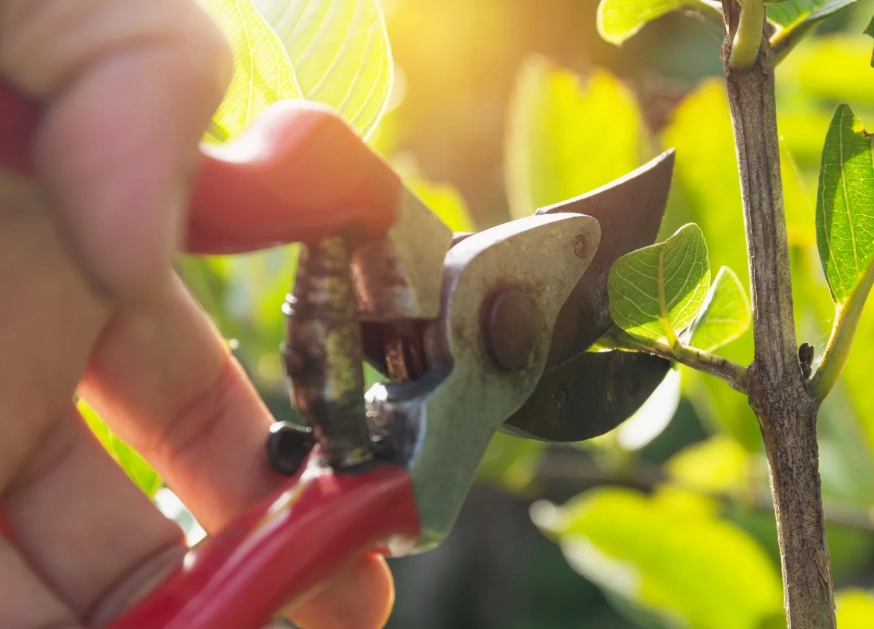
Frequently Asked Questions
Pruning isn't rocket science, but it demands attention to detail. Start with easy plants like shrubs, and you'll gain confidence. Remember, every cut is a decision that shapes your garden's future. Happy pruning!
Reader Comments