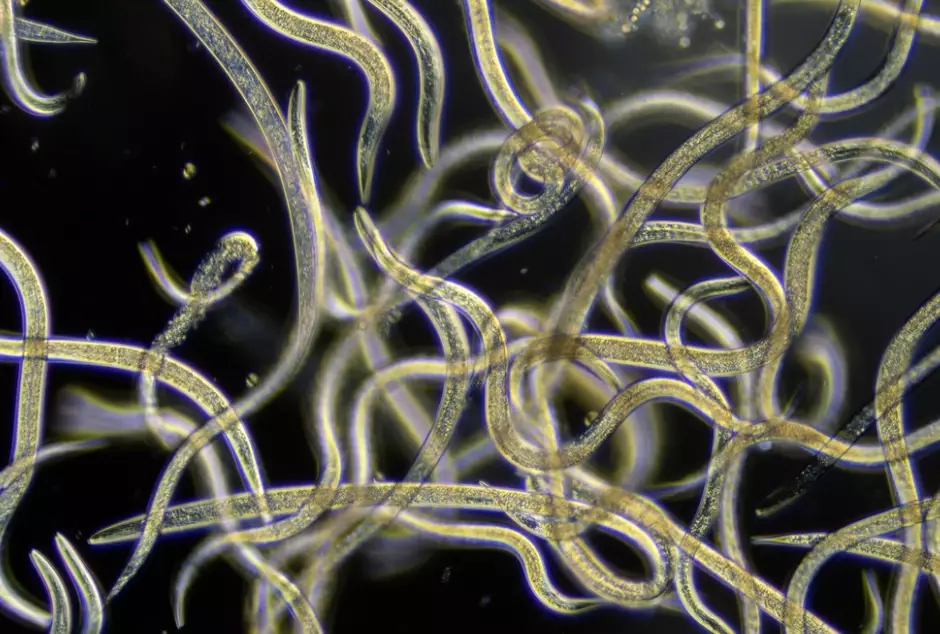
You scoop up a handful of soil. It looks inert, just dirt. But beneath the surface, in that single handful, there's a bustling city. And some of its most numerous, influential citizens are nematodes. If you've ever asked "what is a nematode?", you're not just asking for a textbook definition. You're asking about the invisible force that can make your tomato plants thrive or wither, the secret life in your flower beds. Let's cut to the chase: nematodes are microscopic, unsegmented roundworms. But that boring label hides a world of drama. Most are harmless or even helpful decomposers, but a few notorious species are plant-parasitic nightmares. Understanding the difference is what separates a frustrated gardener from a successful one.
What's Inside This Guide?
Nematode Basics: More Than Just a Worm
Calling a nematode just a "tiny worm" is like calling a Ferrari just a car. Technically true, but it misses the engineering. These creatures, also called eelworms or roundworms, have a simple but effective body plan: a translucent, cylindrical tube. They're mostly water pressure inside a tough, flexible cuticle, moving with a characteristic thrashing motion. The sheer scale is mind-boggling. Researchers estimate there can be millions of nematodes in a single square meter of healthy garden soil. They live in the water films that coat soil particles.
Their diversity is staggering. They're found from ocean trenches to mountain tops. But for us in the gardening world, we care about the ones in our soil. And here's a critical, often-missed point: the vast majority are our allies. Bacterial-feeders, fungal-feeders, and predatory nematodes are the cleanup crew and pest control of the soil food web. They recycle nutrients, keeping them available for plants. The problem children are the plant-parasitic nematodes.
The Garden Divide: Beneficial vs. Plant-Parasitic Nematodes
This is the core of the issue. Let's break down the cast of characters in your soil's drama.
The Good Guys (The Soil Workforce):
- Bacterial-feeders: These are the nutrient cyclers. They eat bacteria, releasing nitrogen and other nutrients in a plant-available form. They're a sign of active, healthy soil biology.
- Fungal-feeders: Similar role, but they graze on fungi, helping to regulate fungal populations and release nutrients.
- Predatory Nematodes: These are the wolves. They eat other nematodes, including pest species, and small soil insects like grub larvae. You can actually buy these as biocontrols.
- Omnivores: The generalists, eating a variety of microbes.
The Bad Guys (The Plant Parasites):
These ones have a specialized mouthpart called a stylet—a microscopic hypodermic needle. They use it to pierce plant cells, inject digestive enzymes, and suck out the contents. The damage isn't just from feeding; it's from the wounds they create, which become entry points for fungal and bacterial diseases.
Here are the usual suspects you might be dealing with:
| Nematode Type | Key Target Plants | Signature Symptom | Notes |
|---|---|---|---|
| Root-Knot Nematode (Meloidogyne spp.) | Tomatoes, Peppers, Cucumbers, Carrots, Lettuce | Distinct, bead-like galls or knots on roots. | The most common and easily recognized pest. Severely stunts growth. |
| Cyst Nematode (Heterodera/Globodera) | Potatoes, Soybeans, Beets, Carrots | Yellowing, wilting. Tiny lemon-shaped cysts (old female bodies) on roots. | Extremely persistent. Cysts can survive in soil for a decade. |
| Root-Lesion Nematode (Pratylenchus spp.) | Wide host range: Corn, Potatoes, Fruit Trees, Ornamentals | Brown, necrotic lesions on roots, root rot. Plants often look nutrient-deficient. | Often works in concert with root-rot fungi, worsening damage. |
| Sting Nematode (Belonolaimus) | Corn, Grasses, Strawberries | Severe stunting, dark, stunted root systems with little to no fine roots. | More common in sandy soils. Highly destructive. |
I learned about lesion nematodes the hard way. A section of my perennial bed just wouldn't thrive. Plants were puny, leaves yellowish. I blamed poor soil and piled on compost, but it barely helped. It wasn't until I pulled up a struggling aster and saw the roots—not galled, but covered in rusty, sunken spots—that I suspected nematodes. A soil test confirmed it. The lesson? Symptoms above ground are vague; you must inspect the roots.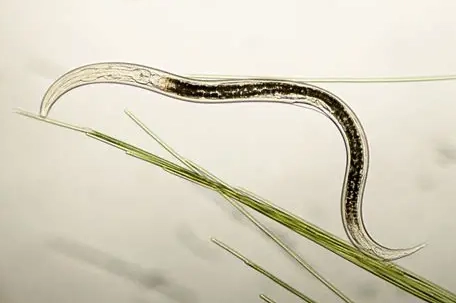
How to Identify Nematode Damage in Your Garden
Nematode damage is a master of disguise. It often looks like anything else: drought stress, nutrient deficiency, or general poor health. That's why diagnosis is tricky. Here's a step-by-step approach I use.
Step 1: Look for the Pattern. Nematode damage rarely hits a single plant in isolation. It usually appears in patches or irregular areas in a row or bed. Plants on the edge of the patch may be less affected. If one tomato plant is sick and its neighbors are fine, it's probably not nematodes.
Step 2: The Above-Ground Clues. Watch for non-specific but persistent issues: - Stunted, slow growth despite good care. - Wilting during the heat of the day, even with adequate soil moisture. - Yellowing (chlorosis) or purpling of leaves, similar to a nitrogen or phosphorus deficiency. - Overall lack of vigor and reduced yield.
Step 3: The Root Inspection (The Most Important Step). Gently dig up a symptomatic plant. Shake off the soil and examine the root system under good light. - Are there knots or galls? (Root-Knot) These are unmistakeable—swellings on the roots. - Are there brown, sunken lesions or spots? (Root-Lesion) The roots may look "bruised" or rotted. - Is the root system generally stunted, lacking fine feeder roots? It might look "rat-tailed." - Do you see tiny, round, lemon-shaped objects clinging to the roots? They start white, turn brown. Those are cysts. (Cyst Nematode).
Step 4: Get a Soil Test. If root symptoms point to nematodes, confirm it. Don't rely on guesswork. Many university extension services and private labs offer nematode assay tests. You send a soil sample, and they tell you what species are present and at what population levels. This is crucial for deciding on a management strategy. The USDA Natural Resources Conservation Service and local extension offices are great places to find reputable testing labs.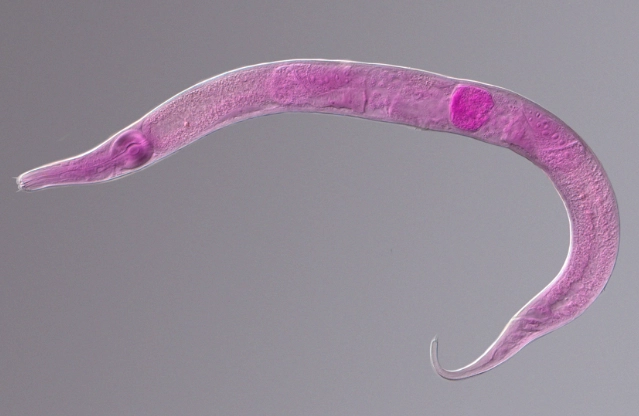
Why "Just Spraying Something" is Usually a Bad Idea
This is a classic rookie mistake, fueled by frustration. Seeing sick plants, you buy a general pesticide. Most off-the-shelf insecticides have zero effect on nematodes. The potent chemical nematicides that do work are largely restricted to agricultural professionals because they're hazardous. They also sterilize the soil, killing the good organisms along with the bad. You might get a short-term fix, but you've degraded your soil's long-term health, making it more vulnerable to reinfestation.
Proven Nematode Control Strategies That Actually Work
Management is about making your garden an unfavorable place for pest nematodes while boosting the good guys. It's a long game, not a quick fix.
1. Solarization (Using the Sun's Heat):
This works well in hot, sunny climates. In summer, till the soil, water it thoroughly, and cover it with clear plastic sheeting for 4-6 weeks. The trapped heat can kill nematodes, weeds, and some diseases in the top several inches of soil. It's a non-chemical reset button for a garden bed.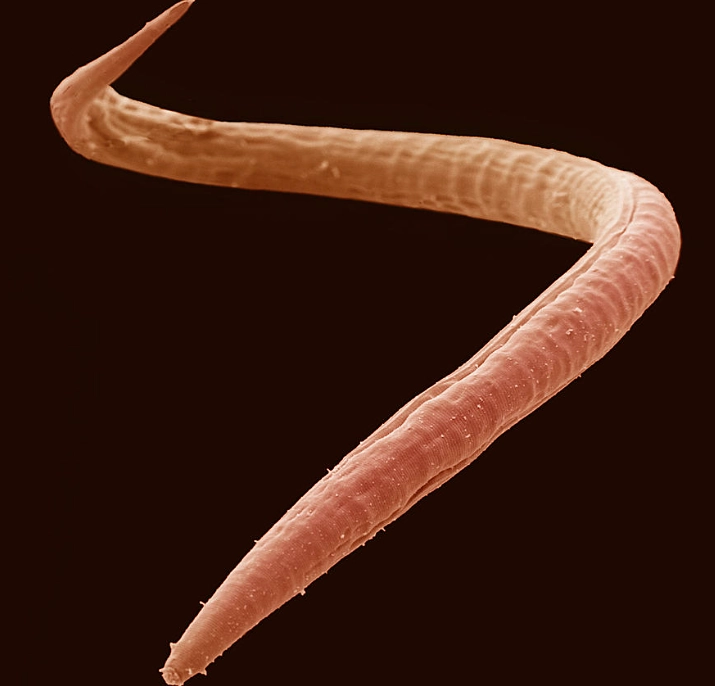
2. Crop Rotation and Resistant Varieties:
This is your first line of defense. Don't plant the same family of crops in the same spot year after year. If you had tomatoes with root-knot, rotate to a non-host like corn, onions, or grasses for at least 2-3 years. Even better, look for plant varieties labeled "N-resistant" or "VFN-resistant" (the N stands for Nematode). These have been bred to withstand specific pests.
3. Soil Amendment Warfare:
This is where you can get creative. The goal is to foster diverse soil life that outcompetes or suppresses the pests. - Organic Matter: Consistent additions of compost, well-rotted manure, and leaf mold. This feeds beneficial microbes, which in turn feed beneficial nematodes. A vibrant soil ecosystem keeps pest populations in check. - Specific Suppressants:Specific Suppressants: Some amendments have a direct suppressive effect. Mustard meal or planting a cover crop of mustard (then tilling it in as green manure) releases compounds called glucosinolates that can reduce nematode numbers. Crab meal and neem cake are also noted for their nematicidal properties.
4. The Power of Tagetes (Marigolds):
Not all marigolds are equal. French marigolds (Tagetes patula) like the 'Nemagold' or 'Tangerine' varieties release alpha-terthienyl from their roots, which is toxic to many nematodes, particularly root-knot. Plant them densely in an infested area for a full season, then till them in. Don't just plant a few as decoration—this is a functional, smothering crop.
5. Introducing Predatory Nematodes:
You can buy beneficial nematodes like Steinernema feltiae or Heterorhabditis bacteriophora. These are mainly targeted at soil-dwelling insect pests (grubs, weevils), not plant-parasitic nematodes. However, by reducing soil insect stress, you make plants healthier and more resilient. It's an indirect but valuable tactic.
6. The Fallow Period and Weed Control:
If an area is badly infested, sometimes the best thing is to let it rest. Keep it fallow, bare, and weed-free for a season. No host plants means pest nematode populations will naturally decline as they starve. It's boring but effective.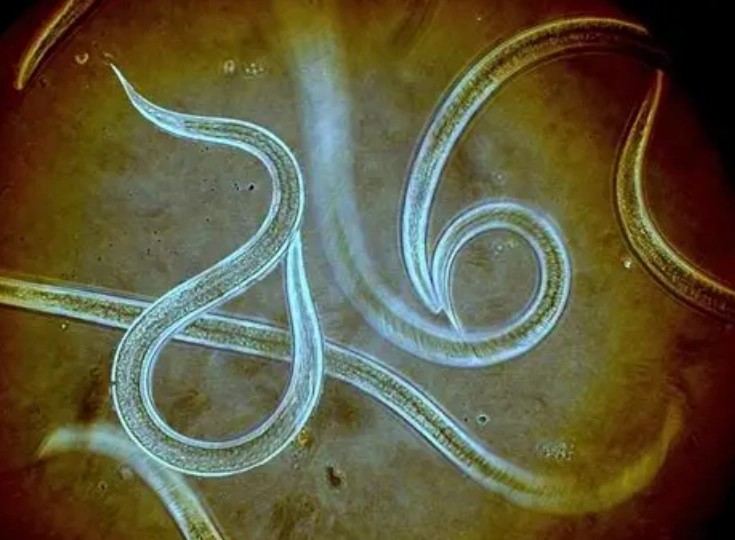
Your Nematode Questions, Answered by Experience
The world of nematodes is complex, but it doesn't have to be intimidating. Start by observing your plants and their roots closely. When in doubt, get a soil test. Move away from the idea of eradication and toward the concept of balanced management. Build your soil with organic matter, rotate your crops, and choose resistant varieties. By understanding what a nematode truly is—both friend and foe—you stop gardening against your soil and start gardening with it. That's when the real magic happens.
Reader Comments