You've nurtured your tomato plants from tiny seeds or seedlings. You've watered, staked, and watched the flowers turn into little green marbles. Now they're getting bigger, maybe showing a blush of color. The big question hangs in the air: when should you harvest tomatoes? Pick too early, and you get a bland, mealy disappointment. Wait too long, and you might lose the fruit to pests, splitting, or rot. Getting it right is the difference between a good harvest and a great one.
I've been growing tomatoes for over a decade, and I've made every mistake in the book. I've picked beautiful red globes that were somehow still hard and tasteless inside. I've also left beefsteaks on the vine so long they became bird food. The truth is, color is just the starting point. Real ripeness is a multi-sensory experience.
What's Covered Here
- The Five Signs of a Perfectly Ripe Tomato
- The Absolute Best Time of Day to Harvest
- How to Pick Tomatoes Without Harming the Plant
- A Quick Guide for Different Tomato Types
- 3 Common Harvesting Mistakes (And How to Avoid Them)
- What to Do With Tomatoes That Aren't Fully Ripe
- Your Tomato Harvesting Questions, Answered
How to Tell If Tomatoes Are Ripe: Look Beyond the Color
Everyone knows to look for red. But "red" is a trap for new gardeners. Many heirloom varieties ripen to yellow, orange, purple, or even striped patterns. A green-when-ripe variety like 'Green Zebra' will never turn red. So color is a clue, not the verdict.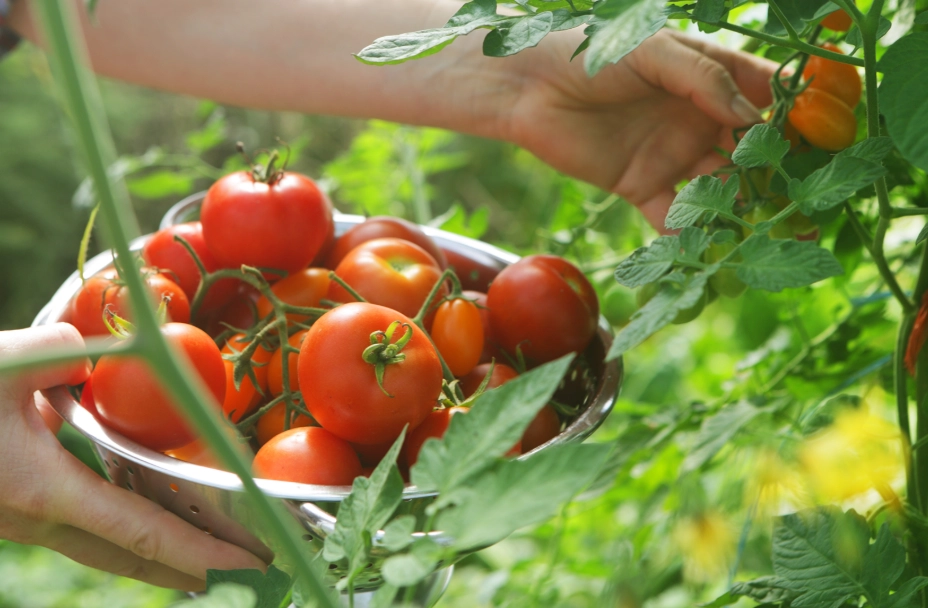
Here are the five signs I use together. When you get 4 out of 5, it's go time.
The Touch Test: This is the most reliable indicator after color. Gently cradle the tomato in your palm and give it a very slight squeeze. A ripe tomato will yield slightly to gentle pressure, like a perfectly ripe avocado. It should feel firm but not hard as a rock, and definitely not soft or mushy. If it feels squishy, you're likely past prime eating quality.
The Sheen Check: Look at the skin. An unripe tomato often has a dull, matte finish. As it ripens, the skin develops a subtle, healthy gloss. It's not shiny like a waxed apple, but it loses that flat, dusty look.
The Smell Test: Get your nose close to the stem end. A ripe tomato will have that unmistakable, earthy, sweet tomato scent. If you can't smell anything, it's probably not ready. This is especially true for heirlooms, which often have a stronger fragrance than hybrids.
The Ease of Separation: A tomato that resists being picked is often not ready. On a truly ripe tomato, the stem should snap cleanly from the vine with a gentle, upward twist. If you find yourself tugging or needing to use force, pause and check the other signs.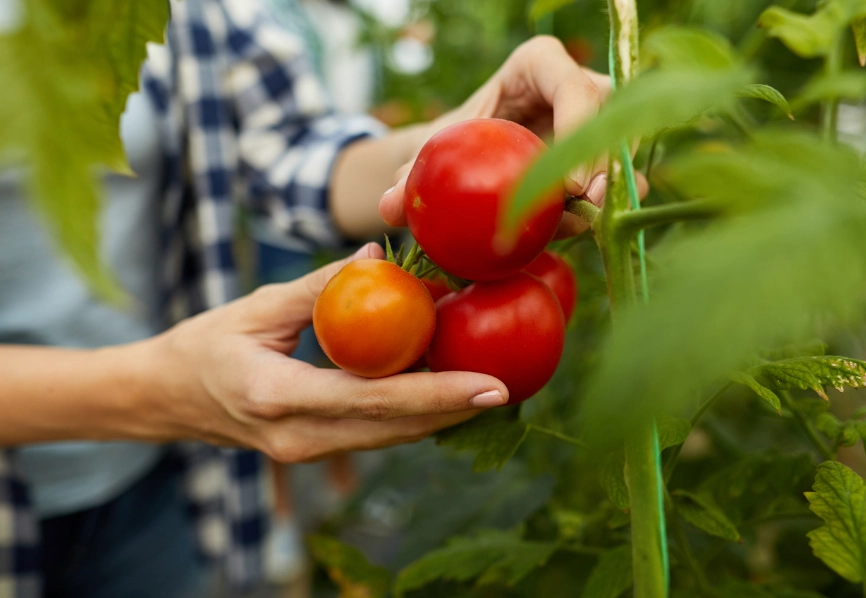
The Sneaky Problem of "Mature Green"
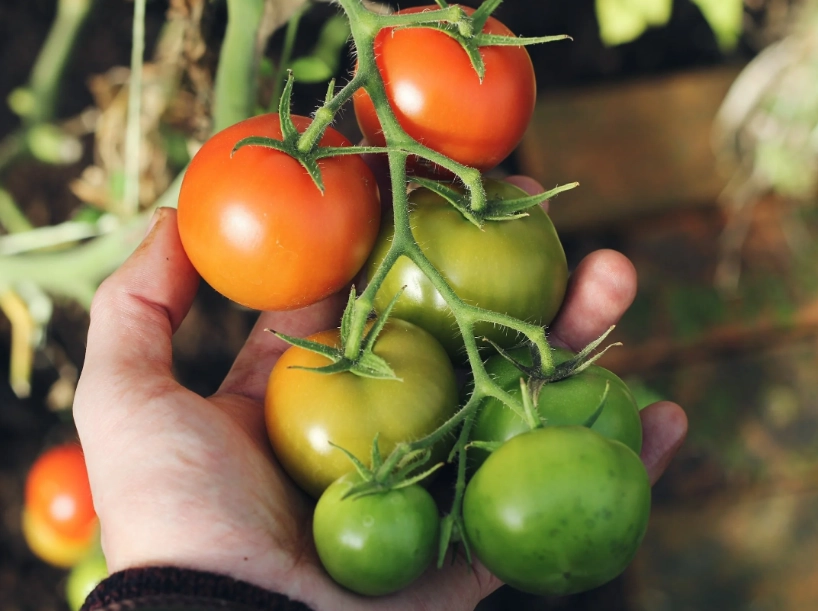
This is a nuance most guides miss. A tomato reaches "mature green" stage before it starts to change color. At this point, it's full-sized, the seeds inside are developed, and it has the potential to ripen off the vine. But if you pick it now, the flavor will never be as good as vine-ripened. How do you spot it? The skin turns from a bright, grassy green to a duller, more opaque pale green or whitish-green. The fruit feels less dense. Knowing this stage is key if a frost is coming and you need to harvest everything.
When is the Best Time of Day to Harvest Tomatoes?
Morning. Always aim for morning, right after the dew has dried but before the heat of the day kicks in. Here's why:
Tomatoes are crisper, firmer, and full of moisture in the cool of the morning. Their internal temperature is lower, which means they'll store better and are less likely to bruise during handling. The sugars are also more concentrated. By afternoon, especially on a hot day, tomatoes can become a bit limp, warm, and more prone to damage. Harvesting in the evening is your second-best bet, once things have cooled down again.
I learned this the hard way after picking a basket of gorgeous 'Sun Gold' cherries at noon in July. By the time I got them inside, they were already softening and a few had split from the temperature shock of going into a cooler kitchen.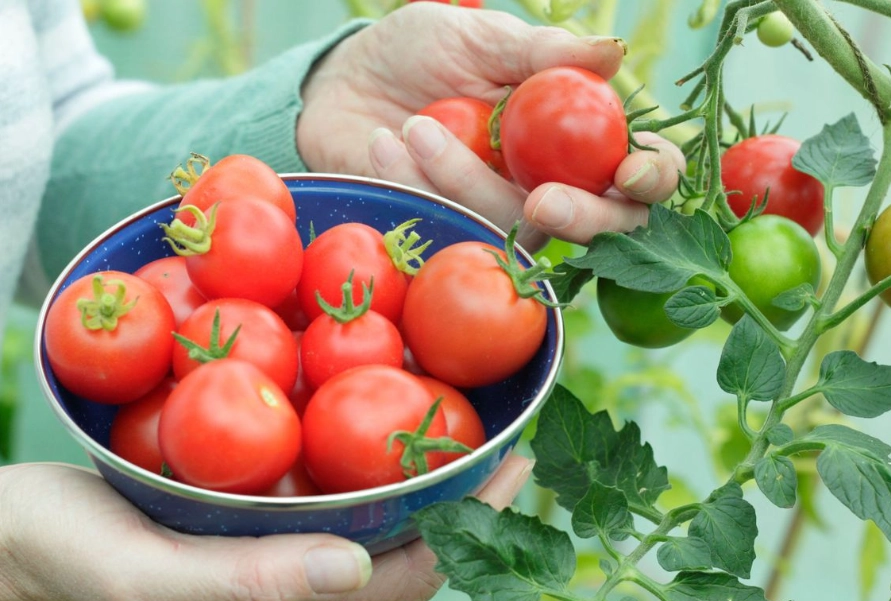
How to Pick Tomatoes the Right Way
Don't just yank. A rough harvest can damage the vine, open wounds for disease, or leave a "handle" of stem on the tomato that can puncture other fruits in your basket.
- Use the right tool or technique. For smaller tomatoes, use your thumb and forefinger to pinch the stem just above the calyx (the green star-shaped collar). For larger tomatoes, I strongly recommend using a pair of clean, sharp pruning shears or scissors. It's cleaner and prevents accidental tearing.
- Support the fruit. Hold the tomato in your other hand as you cut or twist the stem. This takes the weight off the vine.
- Leave the calyx on. If it comes off easily, fine. But don't force it. The calyx helps protect the fruit's shoulder and can extend shelf life slightly.
- Handle like eggs. Place tomatoes gently into a wide, shallow container. Never pile them deep into a bucket where the weight crushes the bottom ones.
Watch Out for This: Never pull a tomato straight down. This almost always tears a chunk out of the vine. Always use an upward or sideways motion when twisting.
A Quick Guide for Different Tomato Types
Not all tomatoes ripen the same way. Here’s a breakdown for common types.
| Tomato Type | Key Ripeness Signs | Special Notes |
|---|---|---|
| Cherry & Grape Tomatoes | Deep, uniform color. Very slight give. They detach with almost no effort. | They ripen fast. Check daily. Overripe ones wrinkle slightly. |
| Slicing Tomatoes (e.g., Beefsteak, Brandywine) | Full color for the variety. Firm but definite yield to pressure. Heavy for their size. | The shoulders (top near stem) are the last to color. Wait for full blush. |
| Paste Tomatoes (e.g., Roma, San Marzano) | Deep red, firm all over with minimal give. They feel dense. | Best picked at peak ripeness for sauce; slightly underripe for canning whole. |
| Heirloom & Colorful Varieties | Know your variety's final color. Rely heavily on touch and smell. | Often softer when ripe. More prone to cracking. Harvest at first sign of perfect ripeness. |
3 Common Harvesting Mistakes (And How to Avoid Them)
Mistake 1: The "Fully Red" Obsession. Waiting for every last millimeter of green to vanish, especially on large tomatoes. The problem? The bottom might be overripe and starting to rot by the time the tough green shoulders finally turn. For big beefsteaks, if the bottom 80% is a deep, rich red and passes the touch/smell tests, pick it. The shoulders will finish ripening indoors on your counter.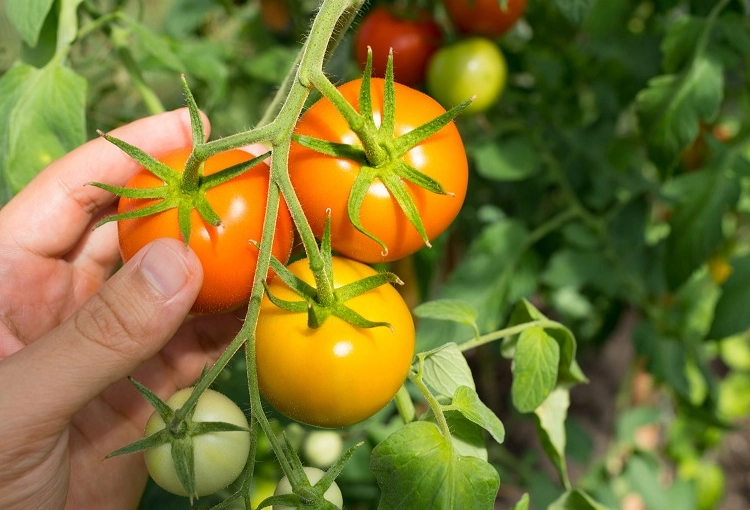
Mistake 2: Refrigerating Tomatoes Right Away. This is a flavor killer. Cold temperatures below 55°F (13°C) break down the aroma compounds and leave you with a bland, mealy texture. Always store harvested tomatoes at room temperature, stem-side up, out of direct sunlight, until you're ready to eat them. Only refrigerate overripe tomatoes you need to keep for another day or two.
Mistake 3: Leaving Damaged Fruit on the Vine. See a tomato with a small crack, bird peck, or insect hole? Harvest it immediately, even if it's not perfectly ripe. Cut away the bad part and use the rest. Leaving it invites every pest and fungus in the neighborhood to the buffet.
What to Do With Tomatoes That Aren't Fully Ripe
Sometimes you have to pick early: a storm is coming, pests are invading, or the first frost is forecast. Don't worry, you can still ripen them.
The Paper Bag Method: This is the gold standard. Place clean, dry tomatoes in a single layer in a paper bag. Fold the top over. The bag traps ethylene gas, the natural ripening agent. Adding a ripe banana or apple boosts ethylene levels. Check daily and remove any that are ripe or show signs of rot.
Counter Top Ripening: Simply spread the tomatoes out on a counter, not touching. They'll ripen slower than in a bag but with less risk of mold.
What NOT to do: Don't put them on a sunny windowsill. Direct sun can cook the skin, make them ripen unevenly, and lead to soft spots. Indirect light is fine.
A study from the University of California Cooperative Extension confirms that tomatoes ripened off the vine at room temperature develop good color and acceptable flavor, though they acknowledge vine-ripened still wins on taste.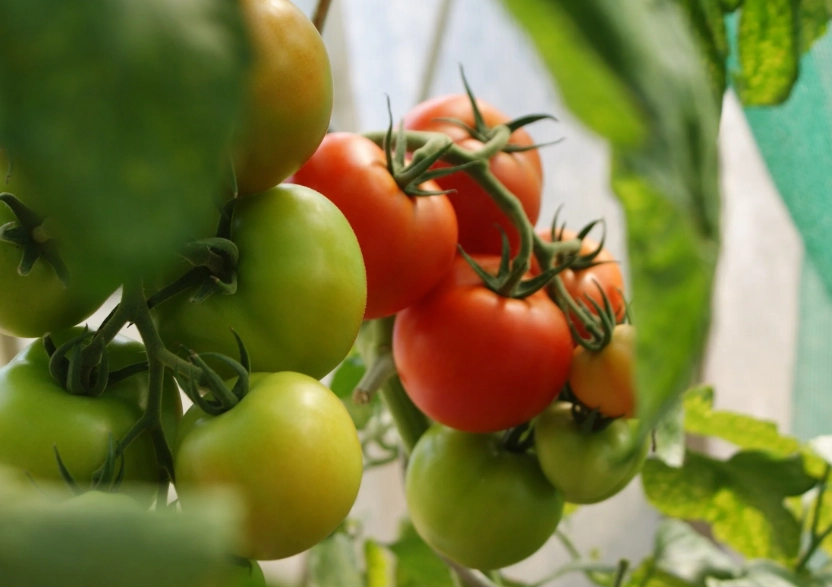
Your Tomato Harvesting Questions, Answered
The moment you learn to harvest a tomato at its peak is the moment home gardening pays off. It's not just about a red fruit; it's about warmth, slight weight, a fragrant stem end, and that gentle yield. Put down the gardening book for a second and use your hands and nose. Your tomatoes will tell you when they're ready.
Reader Comments