Let's be honest. Most advice on soil improvement is either overly simplistic (“just add compost!”) or reads like a chemistry textbook. You're left wondering what to actually do with that bag of gypsum or if your soil test results are a death sentence.
I've gardened on heavy clay that baked into bricks, sandy soil that drained faster than I could water, and everything in between. The turning point wasn't a magic product, but understanding that soil improvement is a process, not a one-time event. It's about building a living ecosystem under your feet.
This guide cuts through the noise. We'll move past vague tips and into actionable steps, backed by both science and years of dirty-handed experience.
What You'll Learn in This Guide
What is Soil Improvement and Why Does It Matter?
Soil improvement isn't just about making dirt darker or fluffier. It's the intentional management of three core components:
- Physical Structure: How soil particles clump together. Good structure has pores for air, water, and roots. Bad structure is compacted or loose.
- Chemical Balance: The pH and availability of nutrients like nitrogen, phosphorus, and potassium.
- Biological Health: The living universe of bacteria, fungi, earthworms, and other organisms that decompose matter and feed plants.
Ignore one, and the others suffer. Adding fertilizer (chemistry) to dead, compacted soil (physical) is like giving vitamins to someone who can't breathe. It misses the point.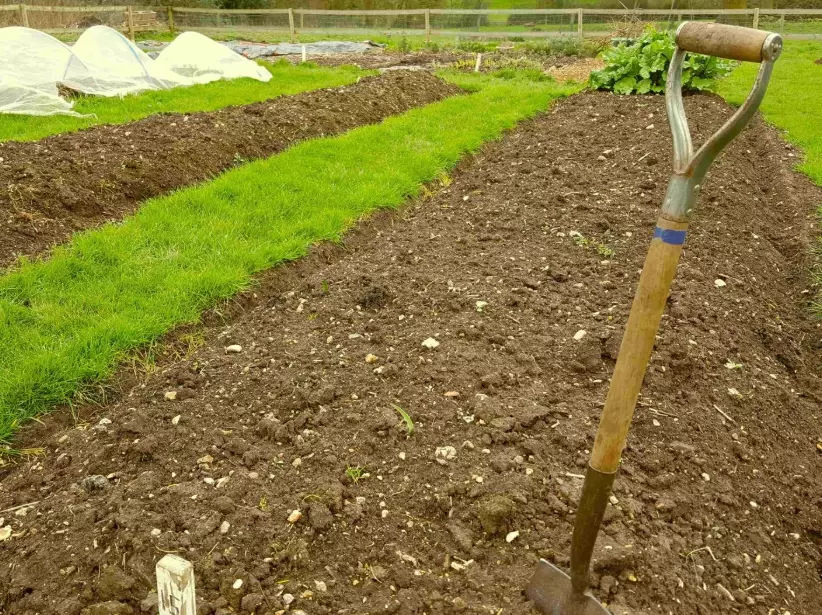
Step Zero: Know Your Soil Before You Change It
Throwing random amendments at your garden is expensive and can make problems worse. You need a baseline.
The Two Essential Tests You Can Do at Home
1. The Jar Test (Texture): Fill a clear jar one-third with soil, two-thirds with water, add a drop of dish soap, shake hard, and let it settle for 24 hours. Sand settles first (bottom), then silt, then clay (top). The ratios tell you your soil type.
2. The Percolation Test (Drainage): Dig a hole 12 inches deep and wide, fill it with water, let it drain, then fill it again. Time how long it takes to drain the second time. Over 4 hours? You have drainage issues.
For chemistry, a professional soil test from your local cooperative extension office is worth every penny. It gives precise pH and nutrient levels, with specific recommendations for your region and what you want to grow.
Your Arsenal of Organic Soil Amendments
Organic matter is the cornerstone of biological and physical soil improvement. But not all organic matter is equal.
| Amendment | Best For | How to Use It | One Thing Everyone Gets Wrong |
|---|---|---|---|
| Finished Compost | All soils. Adds nutrients, improves moisture retention and drainage, inoculates with life. | Spread 1-3 inches on top as mulch or gently mix into top 6 inches in spring/fall. | Using it as a top-dressing only. For severe compaction, you need to incorporate it to jump-start change. |
| Well-Rotted Manure (Cow, Horse, Chicken) | Boosting fertility and organic matter quickly. Great for vegetable beds. | Must be aged at least 6 months. Apply 1-2 inches in fall to let it mellow over winter. | Assuming all manure is the same. Chicken manure is “hot” (high nitrogen) and can burn plants if fresh. Rabbit manure is mild and can be used fresh. |
| Leaf Mold (Decomposed leaves) | Improving soil structure and moisture retention. Fantastic for mimicking forest floor conditions. | Use as a 2-3 inch mulch or mix into planting holes. Takes 1-2 years to make properly. | Not making it because it's “slow.” It's the best long-term conditioner for clay soil, bar none. |
| Wood Chips / Arborist Chips | Surface mulch only. Suppresses weeds, regulates temperature, feeds fungi as they break down. | Pile 2-4 inches on top of soil. Do NOT mix into soil while fresh—it will tie up nitrogen. | Mixing fresh chips into the soil. This creates a nitrogen deficit that stunts plants. Keep them on top. |
| Cover Crop Seeds (e.g., Winter Rye, Clover) | Improving soil over a fallow period. Prevents erosion, adds organic matter, fixes nitrogen (legumes). | Sow in fall after harvest. In spring, cut down and turn into soil 3-4 weeks before planting. | Letting them go to seed. You'll spend years weeding out your “cover crop.” Cut them at flowering. |
My personal workhorse for my clay-based garden is a 50/50 mix of homemade leaf mold and compost. The leaf mold provides the lasting structure, the compost provides the immediate nutrients and biology. I stopped buying bags of potting mix for my containers and just use this blend.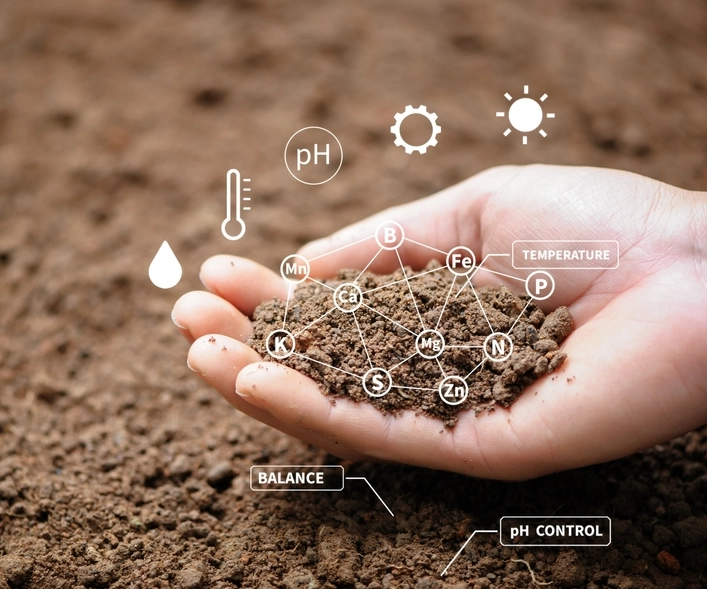
When to Reach for Inorganic Soil Fixes
Organic matter is the long game. Sometimes you need a targeted, mineral-based fix for a specific chemical problem.
- Gypsum (Calcium Sulfate): The go-to for sodic clay soils (a specific problem where sodium causes dispersion). It helps flocculate clay particles, improving drainage without changing pH. It does almost nothing for typical acidic clay.
- Lime: Raises soil pH (makes it less acidic). Only use if your soil test recommends it. Different types (dolomitic, calcitic) provide different secondary nutrients.
- Sulfur: Lowers soil pH (makes it more acidic). Essential for growing blueberries, azaleas, or in naturally alkaline areas.
- Perlite / Vermiculite: Primarily for container mixes to improve aeration and moisture retention. Not practical for large garden beds.
I made the gypsum mistake early on. My clay was acidic, not sodic. I spread bags of it with zero visible improvement. A $25 soil test would have saved me $60 and a lot of hope.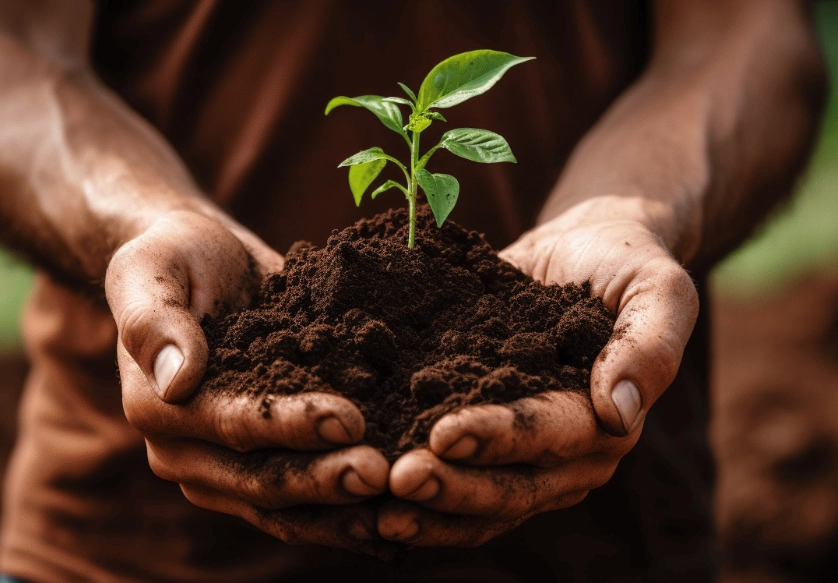
A Practical, No-Stress Year-Round Soil Care Plan
Thinking in seasons makes soil improvement manageable.
Spring (Prep & Plant)
Gently fork in a thin layer of compost into the top few inches of established beds once the soil is workable (not wet!). For new beds, lay down cardboard to smother grass, then build a lasagna layer of compost, manure, and straw. Plant directly into it.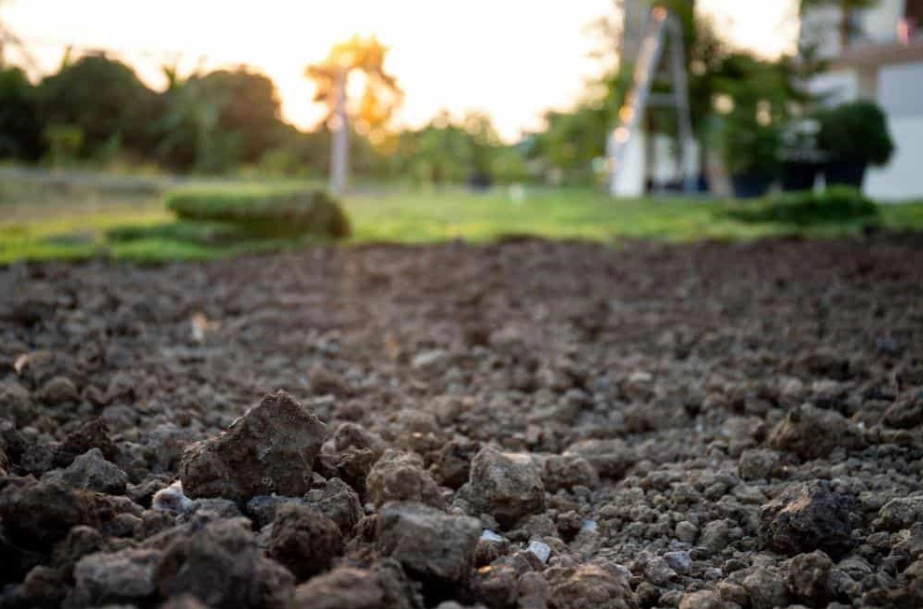
Summer (Maintain & Feed)
This is mulch season. A 2-inch layer of straw, shredded leaves, or wood chips conserves water, cools roots, and suppresses weeds. For heavy feeders like tomatoes, side-dress with compost or a balanced organic fertilizer mid-season.
Fall (The Most Important Season)
Don't strip your garden bare. Chop and drop spent plants (unless diseased). Spread a generous layer of compost or aged manure over the soil surface. This is the perfect time to sow a winter cover crop like winter rye or crimson clover.
Winter (Plan & Rest)
Let the frost, thaw cycles, and soil life work on the organic matter you added. Order seeds and review your soil test.
Common Soil Improvement Mistakes (And How to Avoid Them)
Here’s where that “10 years of experience” perspective comes in. These are the subtle errors that hold gardens back.
Over-Tilling: Yes, turning soil feels productive. But it destroys soil structure, slices up earthworms, and burns out organic matter fast. It creates a hardpan layer underneath. Switch to minimal disturbance—broadforking to aerate, not invert.
The “Compost-Only” Diet: Compost is amazing, but if it's your only input for years, you can end up with soil that's too soft, almost spongy, and drains poorly. You need the structural fibers from things like leaf mold or cover crop roots to build stable aggregates.
Ignoring Soil Temperature: Adding amendments to cold, wet soil in early spring is useless. Soil life is dormant. They can't process it, and you just compact the soil. Wait until it's warm and crumbly.
Forgetting the Subsoil: Plants don't stop rooting at 6 inches. If you have a compacted layer (a “plow pan”), water pools and roots can't dive deep. Use a broadfork or subsoiler (carefully) to fracture that layer without turning the soil over, then let roots and worms do the rest.
Your Tough Soil Questions, Answered
The goal isn't perfection. It's progress. Start with a soil test. Add some organic matter this season. Observe how your plants respond. Soil improvement is the most fundamental thing you can do for your garden, and it pays dividends every single year.
Reader Comments