Let's cut to the chase. If you've found a monarch caterpillar or want to attract them, you need to know one thing above all else: they eat milkweed. Period. Not lettuce, not kale, not the leaves of your prized rose bush. Only plants in the Asclepias genus. This isn't a preference; it's a matter of life and death. The caterpillar sequesters toxic compounds called cardiac glycosides from the milkweed, making both itself and the adult butterfly unpalatable to predators. Get the food wrong, and the caterpillar will starve itself to death. I've seen it happen, and it's a frustrating, avoidable loss.
Your Quick Guide to Monarch Caterpillar Care
The One and Only Food Source
Milkweed is the keystone. Every stage of the monarch caterpillar's life, from the tiny first instar to the fat fifth instar ready to pupate, is spent consuming these leaves. They are eating machines, and their sole job is to grow. A single caterpillar can devour an entire common milkweed leaf in a day during its final stages.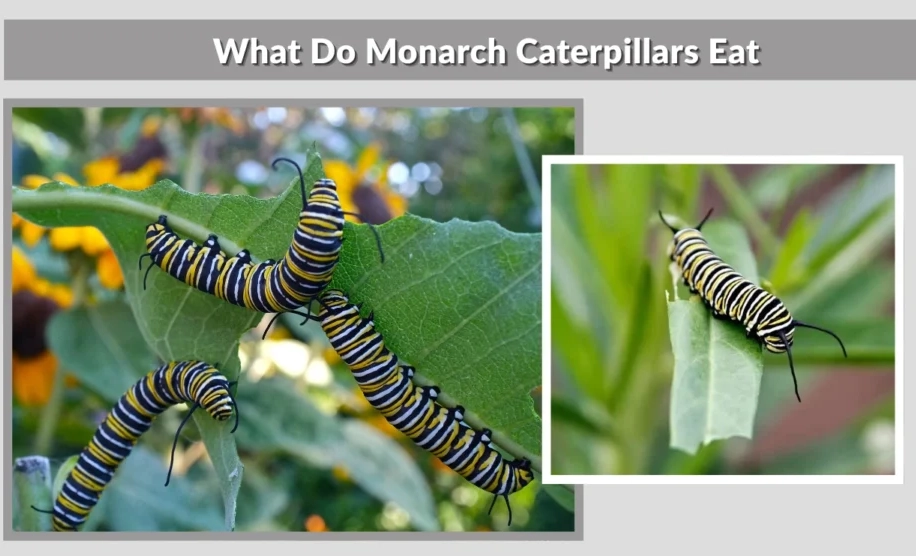
Why only milkweed? Beyond the toxin defense, the caterpillar's digestive system is specifically adapted to process milkweed. Other plants lack the necessary nutrients and can contain compounds that are indigestible or even harmful to them.
I remember my first attempt at rearing monarchs. I carefully moved a caterpillar onto what I thought was swamp milkweed. It was actually a dogbane plant (a close relative that's still toxic, but not the right kind). The caterpillar wandered off the plant and never ate. It took me that failure to learn the subtle differences in leaf structure and sap. Now I can spot the right plant from across my yard.
How to Identify Safe Milkweed Species?
Not all milkweeds are created equal for monarchs, especially in a garden setting. There are over 100 species native to the Americas, but only a dozen or so are widely available and highly utilized. Your location matters. A species that thrives in Florida might struggle in Michigan.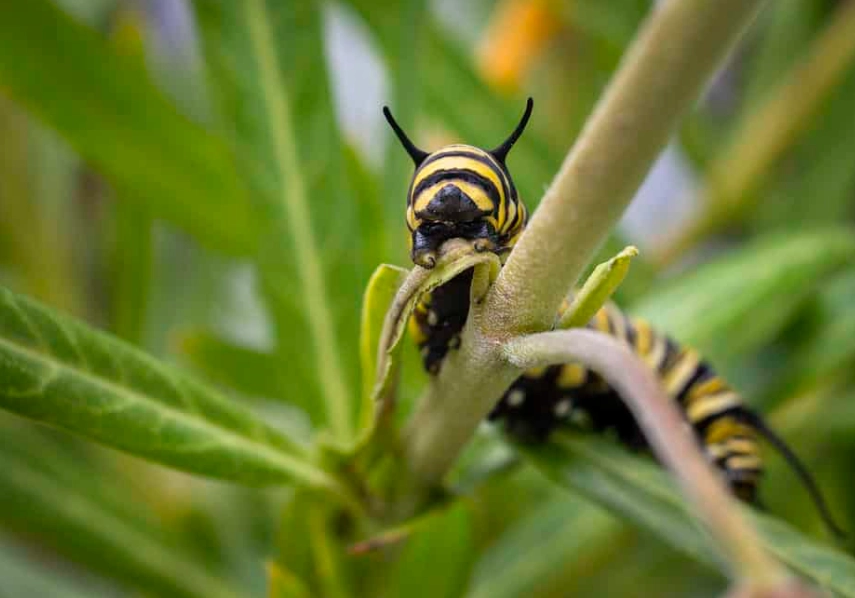
Here’s a breakdown of the most reliable species for supporting monarch caterpillars:
| Milkweed Species | Key Characteristics | Best For Regions | Caterpillar Preference Notes |
|---|---|---|---|
| Common Milkweed (Asclepias syriaca) | Broad, oval leaves; pinkish globe flowers; spreads aggressively by rhizomes. | Eastern & Central North America | A top choice. Vigorous grower, but can take over a formal garden bed. |
| Swamp Milkweed (Asclepias incarnata) | Narrow, lance-shaped leaves; clusters of pink or white flowers; prefers moist soil. | Most of North America (except arid West) | Less aggressive, garden-friendly. My personal favorite for controlled patches. |
| Butterfly Weed (Asclepias tuberosa) | Narrow, hairy leaves; brilliant orange flowers; very drought tolerant. | Eastern & Southwestern North America | Sometimes caterpillars prefer other species, but they will eat it. Great for dry, sunny spots. |
| Showy Milkweed (Asclepias speciosa) | Large, gray-green fuzzy leaves; star-shaped pink flowers. | Western North America | A primary host plant in the West. Robust and reliable. |
| Antelope-Horns (Asclepias asperula) | Long, narrow leaves in a spiral; greenish-white flowers. | Southcentral & Southwestern U.S. |
A critical warning about Tropical Milkweed (Asclepias curassavica): This is the bright orange-and-red flowered plant you see at big-box garden centers. It's popular because it blooms constantly. Here's the problem: in warm climates where it doesn't die back in winter, it can harbor a protozoan parasite called Ophryocystis elektroscirrha (OE) that cripples and deforms monarchs. Research from the University of Georgia highlights this risk. If you live in the southern U.S. (USDA zones 8-11), either cut it to the ground in late fall to simulate die-back or choose a native species instead.
What Does a Monarch Caterpillar Look Like on Milkweed?
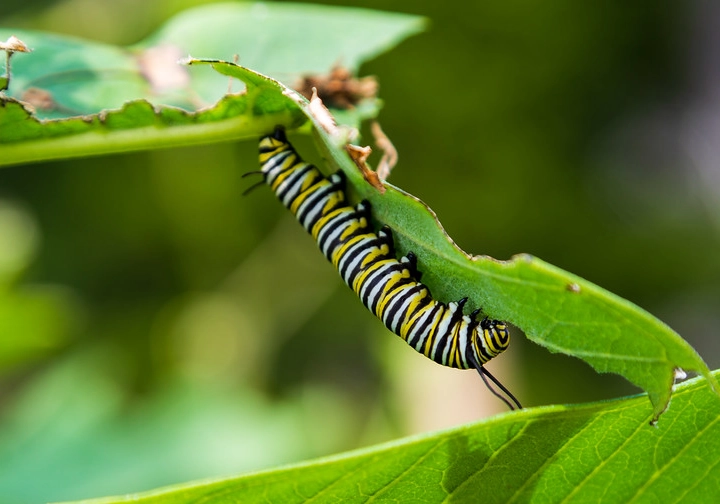
You'll see distinctive yellow, black, and white banding. They often eat in a pattern, starting from the leaf edge and working inwards, leaving a characteristic "windowpane" of leaf skeleton behind. If you see a leaf that looks like it's been precisely etched, you've likely found your caterpillar.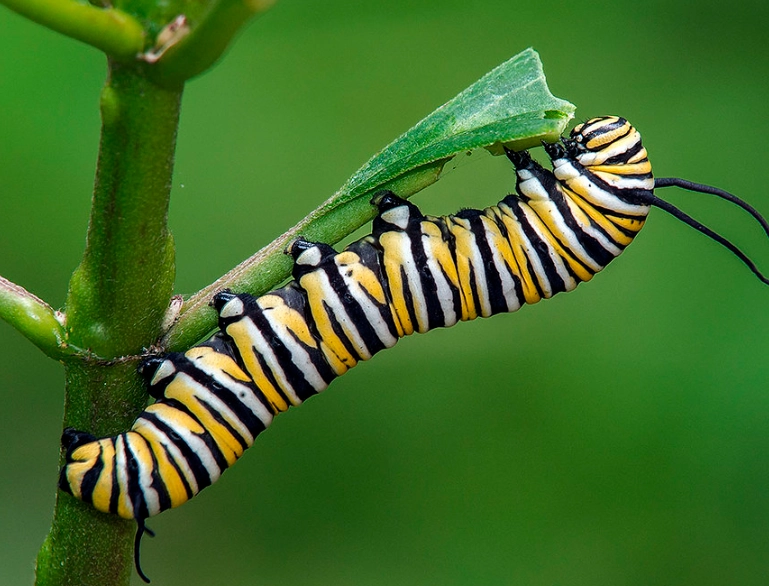
Where to Find and How to Source Milkweed Plants
You have three main options: forage, buy, or grow from seed.
Foraging: This is the free option. Look in meadows, along roadsides (avoid areas heavily sprayed with herbicides), and in naturalized areas. Always get permission if it's private land. Bring a guide or use a plant ID app to be 100% sure. A mistake here is fatal for the caterpillar.
Buying Plants: This is the fastest route. Skip the generic garden center and seek out native plant nurseries. Their stock is more likely to be local ecotype plants, which are better adapted to your area. Ask if their plants are grown without systemic neonicotinoid pesticides. These insecticides are taken up by the whole plant and can poison caterpillars for years. It's a question most big retailers can't answer satisfactorily.
Growing from Seed: This requires patience but is deeply rewarding. Milkweed seeds need a period of cold, moist stratification to break dormancy. You can mimic winter by placing seeds in a damp paper towel in a sealed bag in the fridge for 30 days before planting. The Xerces Society for Invertebrate Conservation has excellent, detailed guides on this process.
How to Create a Monarch Caterpillar Nursery?
Let's say you have eggs or small caterpillars and a potted milkweed plant. Here's a simple, effective setup I've used for years.
Step 1: The Enclosure. Use a large, clear plastic container with a ventilated lid (poke small holes). A cheap gallon-sized jar or a dedicated "critter carrier" from a pet store works. Line the bottom with a paper towel for easy cleaning.
Step 2: The Food Source. Don't just stick leaves in a cup of water—caterpillars can fall in and drown. Instead, use a narrow-necked bottle (like a small water bottle) or wrap the stems in a wet paper towel and aluminum foil. Change the leaves and stems every day, or when they look wilted.
Step 3: The Cleanliness. This is non-negotiable. Remove caterpillar frass (droppings) daily with a dry paper towel. A dirty enclosure promotes mold and disease. I clean mine every morning with my coffee.
Step 4: The Pupation Site. When the caterpillar is ready (it will stop eating, wander, and its body may look slightly shrunken), ensure the lid or top of the enclosure has a textured surface it can silk to. Many butterfly cages come with a mesh top. You can also lean a few sticks against the side to create options.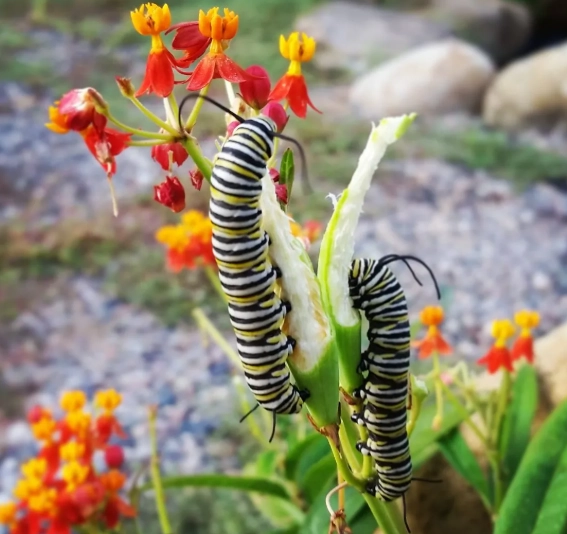
Top Mistakes Even Experienced Gardeners Make
- Assuming "Milkweed" is Enough: Planting the wrong species for your region (like Tropical in the South without management) or using pesticide-treated plants.
- Overcrowding Caterpillars: Putting too many in one container spreads waste and disease quickly. Five large caterpillars need a lot of space and fresh food.
- Handling Too Much: It's tempting to hold them. Their bodies are fragile. If you must move one, use a soft paintbrush or let it crawl onto a fresh leaf you provide.
- Giving Up on Bare Plants: A milkweed plant stripped clean by caterpillars isn't dead. It will often resprout. Don't pull it out. This is a sign of success!
Your Monarch Caterpillar Questions Answered
I found a monarch caterpillar on my milkweed, but the plant is almost bare. What should I feed it now?
This is a common panic moment. First, check nearby for other milkweed plants—in your garden, a neighbor's, or a local natural area. If you can't find any, you have a short window to order fresh milkweed cuttings online from specialized butterfly supply stores. In a real pinch, some experienced rearers have had success with organic, unsprayed butternut squash as a temporary emergency food for late-stage caterpillars only, as noted in some community observations, but this is not ideal and should never be the first option. Milkweed is always best.
My milkweed leaves have tiny yellow dots or are curling. Are they still safe for monarch caterpillars to eat?
Those yellow dots are likely from milkweed aphids (oleander aphids). They're a nuisance but don't render the leaves toxic. You can spray them off with a strong jet of water. Curling leaves could be from aphids, milkweed bugs, or environmental stress. Inspect the leaves. If the damage is minor and the leaf is still mostly green and firm, it's probably fine. If the leaf is covered in mold, slime, or has been heavily chewed by other insects, it's better to remove it. When in doubt, offer the freshest leaves from the plant.
How can I tell if a monarch caterpillar is sick or dying from bad food?
A healthy caterpillar is plump, moves with purpose, and eats voraciously. Signs of trouble include: lethargy (not moving for hours), a body that appears shrunken or discolored (black, not green), vomiting green fluid, or failing to anchor itself properly for a molt. If it's been eating the wrong plant, it will often stop eating entirely and wander aimlessly before becoming lethargic. Prevention is key—always provide fresh, correctly identified milkweed from a clean source.
Is it better to leave caterpillars outside or bring them in to raise them?
There's a trade-off. Leaving them outside supports the natural ecosystem—they become food for birds and other insects, which is part of the cycle. Their survival rate is low, maybe 5-10%. Bringing them in (raising them in a protected enclosure) can boost survival to over 90%. My approach is a middle ground: I leave most to nature, but if I see a tiny first instar on a plant that's about to be decimated by pests or weather, I'll bring that one in. It feels like giving at least one a fighting chance without trying to game the entire system.
Reader Comments